Baby Corn Snake: Growth, Morphs, and Care Basics
A baby corn snake hatches at roughly 8 to 14 inches long, already displaying the same basic blotched pattern that will define its appearance throughout life, though often in somewhat more muted or contrasting tones compared to the fuller adult coloration that develops over the following months, making corn snake hatchlings genuinely easier to identify by pattern alone than several other snake species whose juveniles look dramatically different from the adults they eventually become.
Corn snakes rank among the most popular pet snake species in the world specifically because they combine manageable adult size, generally calm temperament once acclimated, and straightforward care requirements, making baby corn snakes a genuinely common entry point for both first-time snake keepers and more experienced reptile enthusiasts specifically drawn to this species’ reputation for accessibility. This guide covers corn snake hatching and early development, the striking color variation available through selective breeding, feeding and shedding basics for young snakes specifically, and practical guidance for anyone keeping or encountering a baby corn snake.
| Fact | Baby Corn Snake |
|---|---|
| Hatchling length | 8 to 14 inches |
| Clutch size | Typically 10 to 20 eggs |
| Incubation period | Approximately 60 days |
| Venomous? | No, completely harmless |
| Adult size | 3 to 5 feet |
| Color morphs | Dozens available through breeding |
Hatching and Early Pattern Development
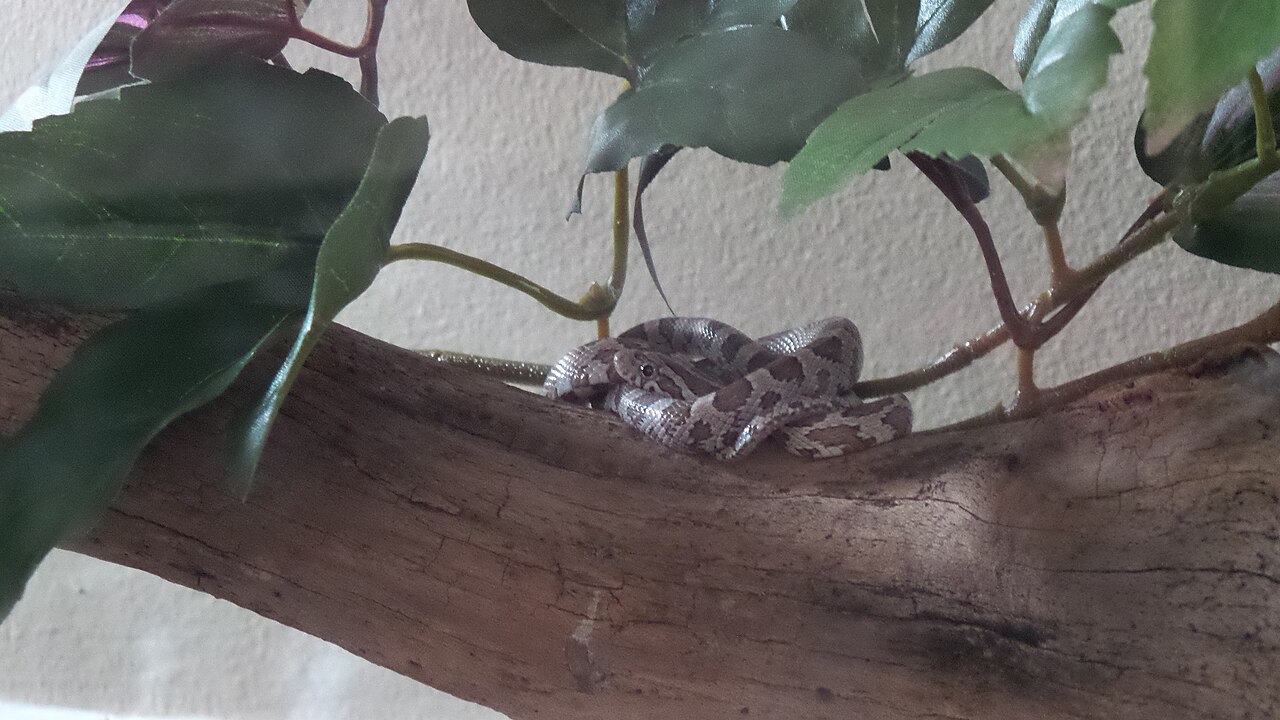
Corn snake eggs typically incubate for approximately 60 days at appropriate temperature, with clutch sizes commonly ranging from 10 to 20 eggs depending on the specific mother’s size and health, and hatchlings emerge measuring roughly 8 to 14 inches, already displaying the basic blotched pattern characteristic of the species, though often in somewhat more muted, high-contrast tones compared to the richer, fuller coloration that develops as the snake matures over its first year or so.
This pattern consistency from hatching through adulthood, while showing some color intensification and refinement over time, distinguishes corn snakes from species like rat snakes covered in our companion guide, whose juvenile blotched pattern differs dramatically from the eventual solid adult coloration many rat snake subspecies display, meaning corn snake identification remains relatively straightforward across the snake’s various life stages compared to species undergoing more dramatic pattern transformation as they mature.
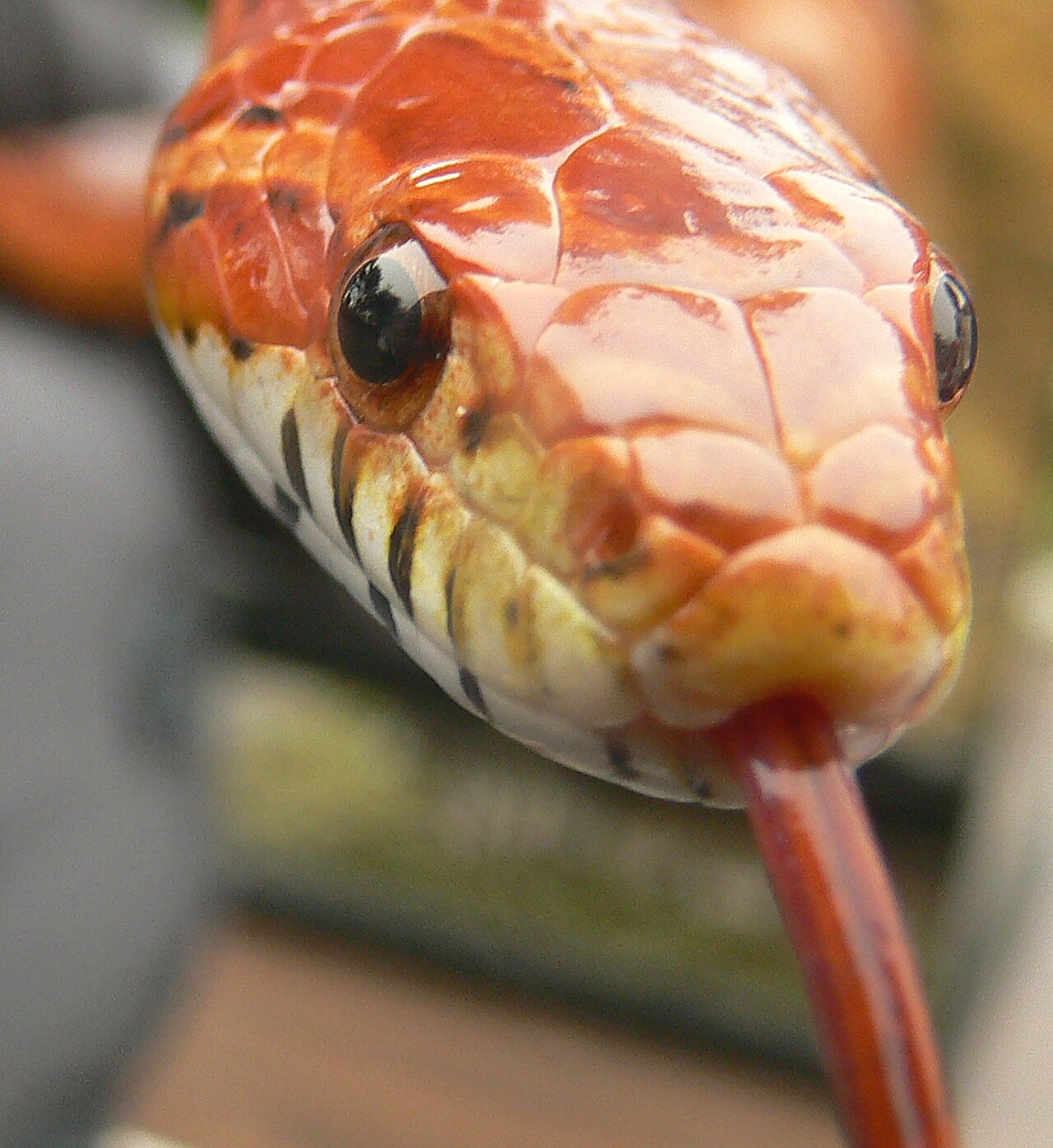
Wild-type corn snakes display an orange to reddish-brown base color marked with darker, black-bordered blotches running down the back, a pattern that provided the species its common name partly through resemblance to the kernel patterns on variegated corn, though the extensive selective breeding covered later in this guide has produced dozens of distinct color and pattern variations considerably different from this original wild-type appearance.
Growth Timeline and Shedding
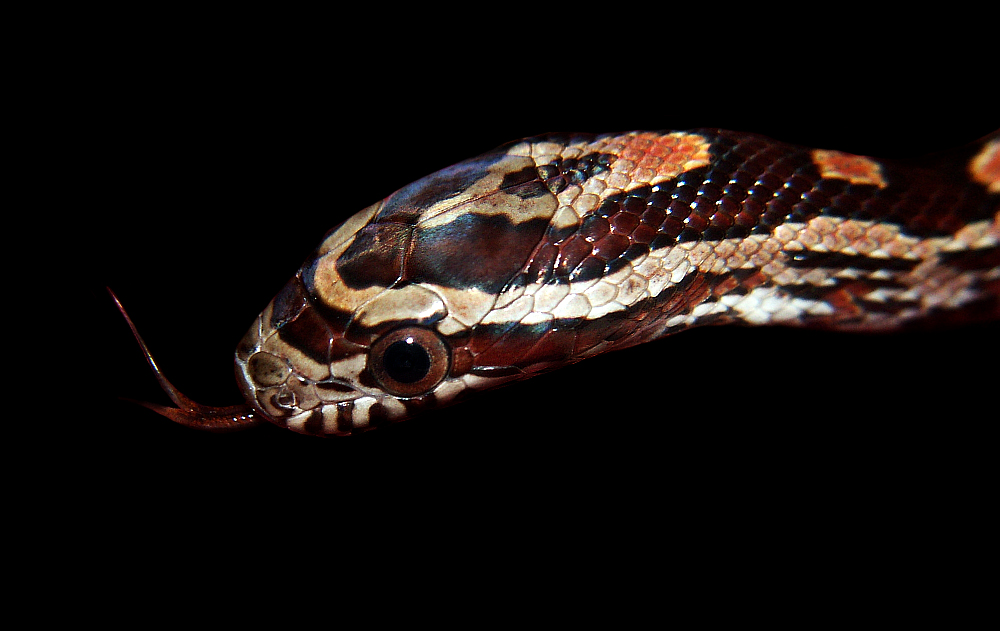
Baby corn snakes grow at a relatively steady pace during their first two years specifically, with growth rate depending considerably on feeding frequency and prey size, gradually progressing from their 8 to 14 inch hatchling length toward the considerably larger adult size of 3 to 5 feet that most corn snakes eventually reach, making this a genuinely manageable growth trajectory for keepers compared to some larger, more demanding pet snake species.
Shedding occurs considerably more frequently in growing juveniles than in adults, often every few weeks during the most active early growth phases compared to the roughly monthly or longer shedding intervals typical of mature adult corn snakes, a pattern directly reflecting the faster overall growth rate driving more frequent skin replacement during this earlier developmental period.
Sexual maturity in corn snakes generally arrives somewhere around 18 months to 3 years of age depending on individual growth rate and specific husbandry conditions, with well-cared-for captive corn snakes commonly living 15 to 20 years or longer, making this species a genuinely long-term commitment worth factoring into any decision to acquire a hatchling specifically for long-term keeping.
The Remarkable World of Corn Snake Color Morphs
Corn snakes have become one of the most extensively selectively bred snake species specifically for color and pattern variation, with dozens of distinct morphs available through dedicated breeding programs, ranging from albino variants lacking dark pigment entirely to striking snow morphs combining multiple genetic traits, giving prospective keepers genuinely extensive choice well beyond the wild-type coloration covered in the hatching section above.
This morph diversity means baby corn snakes from breeding programs can display dramatically different appearances from the standard wild-type orange and black pattern, including the popular albino corn snake lacking dark pigment entirely, deep red variants, or unusually patterned snow morphs, all representing the same underlying species with the same basic care requirements despite their considerably varied visual appearance resulting from selective breeding for these specific genetic traits.
For prospective keepers specifically interested in a particular color morph, understanding that morph selection affects only appearance rather than temperament, care requirements, or overall health when sourced from reputable breeders allows for confident selection based purely on aesthetic preference, though verifying a breeder’s genuine reputation and breeding practices remains worthwhile regardless of which specific morph a prospective keeper finds most visually appealing.
Feeding Baby Corn Snakes
Hatchling corn snakes typically begin feeding on appropriately sized prey, usually pinky mice or small fuzzy mice depending on the individual snake’s specific size, offered roughly every 5 to 7 days, a feeding schedule considerably more frequent than the extended intervals adult corn snakes require, reflecting the higher metabolic and growth demands young, actively developing snakes specifically need to support their considerable growth trajectory.
Some hatchlings show initial feeding reluctance immediately after hatching, a genuinely normal pattern connected to the yolk sac absorption period covered broadly across many reptile species, meaning new keepers should not necessarily panic if a very recently hatched corn snake does not feed immediately, though prolonged feeding refusal extending well beyond the first couple of weeks warrants consulting more experienced keepers or a reptile veterinarian for guidance.
As corn snakes grow, prey size gradually increases correspondingly, with keepers typically transitioning from pinky mice through progressively larger mouse sizes as the snake itself grows, a straightforward feeding progression that scales naturally alongside the snake’s own growth trajectory covered in the previous section, making corn snake feeding genuinely manageable compared to species requiring more specialized or variable dietary approaches.
Housing Setup for Baby Corn Snakes
Baby corn snakes generally do well in smaller enclosures than the tank size eventually appropriate for adults, since an overly large space can make it genuinely harder for a small hatchling to reliably locate food and may increase stress from excessive open space lacking sufficient nearby cover, with many keepers starting hatchlings in a modest enclosure and upgrading incrementally as the snake grows toward adult size.
Appropriate temperature gradient setup remains essential even at hatchling size, with a warm side typically in the mid-80s Fahrenheit and a cooler side in the low-to-mid 70s, allowing the young snake to thermoregulate by moving between zones as needed, a fundamental corn snake care requirement that applies consistently from hatchling through adult regardless of overall enclosure size.
Multiple hides across the temperature gradient give a young corn snake secure retreat options at different temperatures, and since corn snakes are accomplished escape artists even at hatchling size, ensuring an enclosure has a genuinely secure, properly fitted lid or door represents an essential practical consideration that experienced keepers emphasize repeatedly for this species specifically, given how readily juvenile corn snakes can exploit even small gaps to escape enclosures not specifically secured against this behavior.
Are Baby Corn Snakes Dangerous?
Corn snakes are entirely non-venomous and genuinely harmless to humans and pets at any age, including as hatchlings, making them one of the more consistently recommended beginner-friendly pet snake species specifically because they combine this complete lack of any venomous risk with the generally calm, docile temperament many corn snakes display once acclimated to regular, gentle handling.
Despite this harmless nature, baby corn snakes, like most young snakes, may show more defensive behavior initially compared to well-handled adults, including musk release, tail vibration, or occasional defensive strikes when first acquired or during initial handling attempts, behaviors that typically diminish considerably as the snake becomes accustomed to regular, calm, confident handling over its first several months in a new home.
This combination of complete harmlessness and generally manageable temperament, once past the initial defensive period many hatchlings display, makes corn snakes a genuinely appropriate species for keepers specifically seeking a pet snake without the more significant handling challenges or defensive behavior some other species maintain even into adulthood, contributing significantly to this species’ enduring popularity within the pet reptile keeping community specifically.
Corn Snakes vs Other Beginner Snake Species
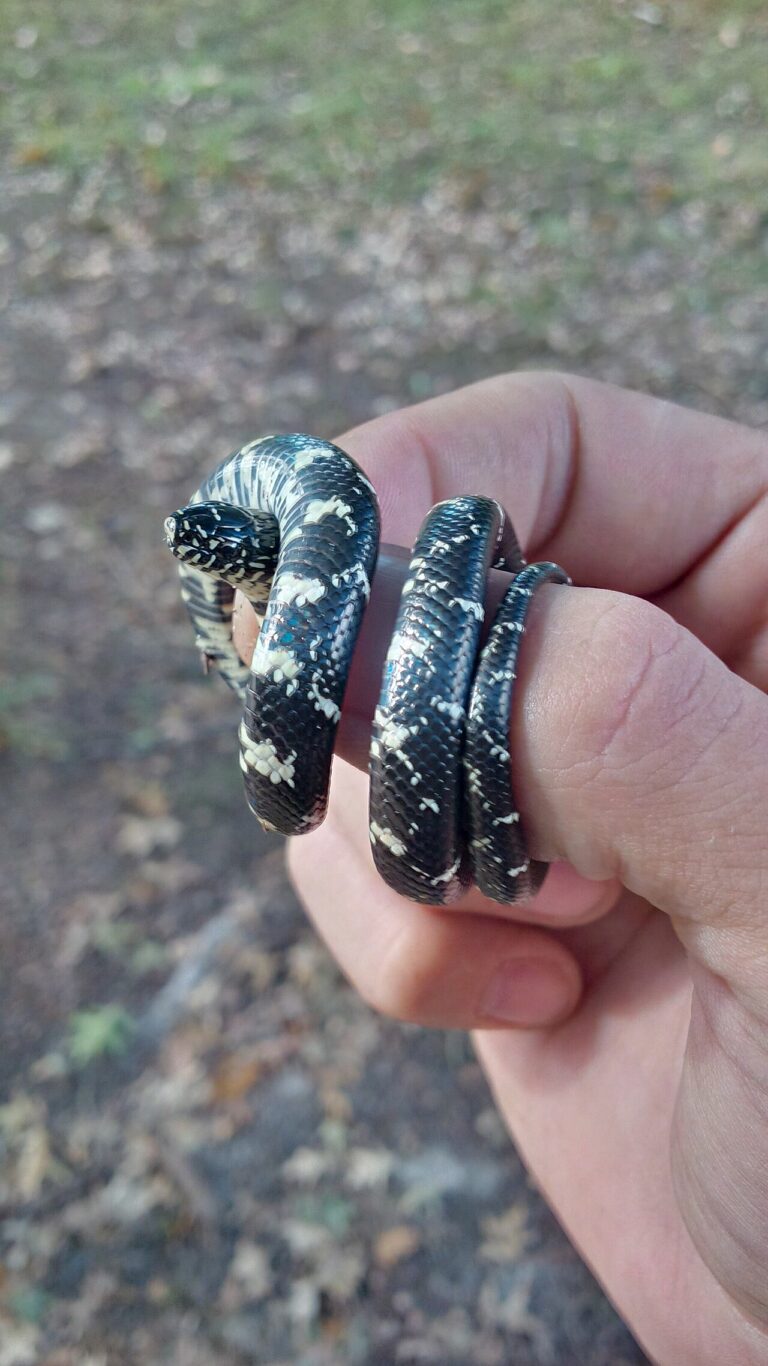
Compared to the king snake, another popular beginner pet snake species, corn snakes generally show a somewhat calmer overall temperament and lack the king snake’s notable tendency toward cannibalism when housed with other snakes, making corn snakes a slightly more straightforward choice specifically for keepers who might eventually consider housing multiple snakes, though even corn snakes should still generally be housed individually as standard practice regardless of species-specific temperament differences.
Corn snakes also differ meaningfully from the rat snake, considerably closer in relation to the broader rat snake species generally, and black snake species covered in our related guides specifically in their more consistently manageable adult size, since corn snakes typically max out around 5 feet compared to some rat snake subspecies reaching considerably longer lengths, making corn snakes a genuinely more compact, easier-to-house option for keepers with more limited available space for eventual adult enclosure sizing.
Understanding these species-level differences helps prospective keepers make genuinely informed decisions when choosing between these several popular beginner-friendly colubrid species, since while all share the general appeal of being harmless, relatively docile, and reasonably straightforward to care for, the specific differences in eventual adult size, temperament nuances, and morph availability covered throughout this guide meaningfully distinguish corn snakes as a particularly popular specific choice within this broader beginner-snake category.
Related reading: Corn Snake Lifespan.
Frequently Asked Questions
How big is a baby corn snake when it hatches?
About 8 to 14 inches long, already displaying the species’ characteristic blotched pattern, though often in more muted tones than the fuller coloration that develops over the following months.
Are baby corn snakes venomous or dangerous?
No, corn snakes are completely non-venomous and harmless to humans and pets at any age, though hatchlings may show more initial defensive behavior like musk release or tail vibration before acclimating to handling.
What do baby corn snakes eat?
Appropriately sized pinky or small fuzzy mice, typically offered every 5 to 7 days, with prey size gradually increasing as the snake grows toward its adult size of 3 to 5 feet.
How long do corn snakes live?
Well-cared-for captive corn snakes commonly live 15 to 20 years or longer, making them a genuinely long-term commitment worth considering before acquiring a hatchling.
Why do corn snakes come in so many different colors?
Extensive selective breeding has produced dozens of distinct color morphs, from albino to snow variants, all representing the same species with identical care requirements despite dramatically different appearances.
How often do baby corn snakes shed their skin?
Considerably more often than adults, often every few weeks during peak early growth phases, directly reflecting their faster overall growth rate at this life stage compared to slower-growing mature adults.
What size enclosure does a baby corn snake need?
A modest enclosure smaller than eventual adult housing, with a temperature gradient from the mid-80s to low-70s Fahrenheit, multiple hides, and a genuinely secure lid, since young corn snakes are accomplished escape artists.