Peacock Symbolism: Meaning and Spiritual Signs
Peacock symbolism centers on beauty, pride, renewal, and immortality, and the peacock is a dazzling symbol of confidence, royalty, and spiritual awakening across many cultures. With its magnificent iridescent tail covered in eye-like markings, the peacock has long represented watchfulness, integrity, and the glory of showing your true colors. This guide covers what the peacock symbolizes, its spiritual meaning, its role across cultures, what the peacock feather means, and the peacock as a spirit animal.
| Symbol | Common Meaning |
|---|---|
| Beauty | Splendor and self-expression |
| Pride | Confidence and dignity |
| Renewal | Rebirth and immortality |
| Royalty | Nobility and majesty |
| Watchfulness | The many eyes of the tail |
| Integrity | Showing your true self |
What Does the Peacock Symbolize?
The peacock is one of the most visually striking bird symbols, tied above all to beauty, pride, renewal, and immortality. Its spectacular iridescent tail, fanned out in a dazzling display, has made the peacock a natural emblem of beauty, confidence, and self-expression, a reminder to embrace and show your true colors with pride. The many eye-like markings on its feathers connect the peacock to watchfulness, awareness, and protection, as though it sees all. Because peacocks shed and regrow their magnificent tail feathers, they also symbolize renewal, rebirth, and even immortality. Beyond this, the peacock is associated with royalty, nobility, and integrity. These themes of beauty, pride, renewal, and watchfulness run through peacock symbolism across many cultures, making it a rich and powerful symbol. For a graceful counterpart, see our guide to crane symbolism.
Peacock Spiritual Meaning
Spiritually, the peacock is often seen as a symbol of awakening, renewal, and living authentically. Encountering a peacock, or being drawn to its imagery, is frequently read as encouragement to embrace your own beauty and uniqueness, to walk with confidence, and to express your true self without fear. The peacock’s cycle of shedding and regrowing its splendid feathers connects it spiritually to renewal, transformation, and rising anew, making it a symbol of rebirth and even immortality. The eyes on its tail are associated with spiritual watchfulness, awareness, and protection, as well as with seeing beyond the surface. As a spiritual symbol, the peacock invites self-confidence, integrity, and awakening to your full potential. As with all symbolism, these meanings are personal and cultural rather than proven, but the peacock’s genuine splendor makes it a natural emblem of beauty and renewal, much like other meaningful birds such as the hummingbird.
The Peacock Across Cultures
The peacock holds significant meaning in cultures around the world, especially in Asia and the ancient Mediterranean. In Hinduism, the peacock is highly revered and associated with several deities, symbolizing beauty, grace, and protection, and it is the national bird of India. In ancient Greek mythology, the peacock was linked to the goddess Hera, and the many eyes on its tail were connected to the watchful hundred-eyed guardian Argus, reinforcing themes of watchfulness. In Christianity, the peacock became a symbol of immortality and resurrection, based partly on the old belief that its flesh did not decay and on its renewal of feathers. Across these traditions, the peacock consistently represents beauty, protection, and eternal life. This rich and varied cultural heritage is a major reason the peacock remains such a powerful and admired symbol today.
What Does a Peacock Feather Symbolize?
The peacock feather is a powerful symbol in its own right, carrying much of the bird’s meaning in a single striking object. With its brilliant iridescent colors and distinctive eye, the peacock feather is widely associated with beauty, protection, watchfulness, and spirituality. In many cultures, especially in Asia, the peacock feather is considered auspicious and protective, believed to ward off harm and bring good fortune, and it is used in decoration, ceremony, and spiritual practice. The eye of the feather is seen as a symbol of all-seeing awareness and protection against negativity. It is worth noting that in some Western traditions there is a superstition that peacock feathers are unlucky indoors, a belief not shared in the cultures where the feather is most revered. Overall, the peacock feather is a beautiful emblem of protection, beauty, and spiritual insight, complementing the symbolism of other feathers discussed in our guide to bird symbolism.
The Peacock as a Spirit Animal
As a spirit animal, the peacock represents confidence, beauty, integrity, and renewal. People who feel connected to the peacock are often self-assured, expressive, and unafraid to stand out, and the peacock spirit encourages embracing your uniqueness, showing your true colors, and walking through life with dignity and pride. The peacock also invites renewal and transformation, a reminder that you can shed the old and rise anew in greater splendor. Its watchful eyes encourage awareness and staying true to yourself. A peacock feather is often kept as a token of beauty, protection, and confidence. Whether or not spirit-animal ideas resonate with you, these meanings grow from the peacock’s genuine magnificence and its rich symbolic history, qualities that have made it one of the most admired birds in the world, alongside symbolic birds like the owl.
The Real Peacock Behind the Symbol
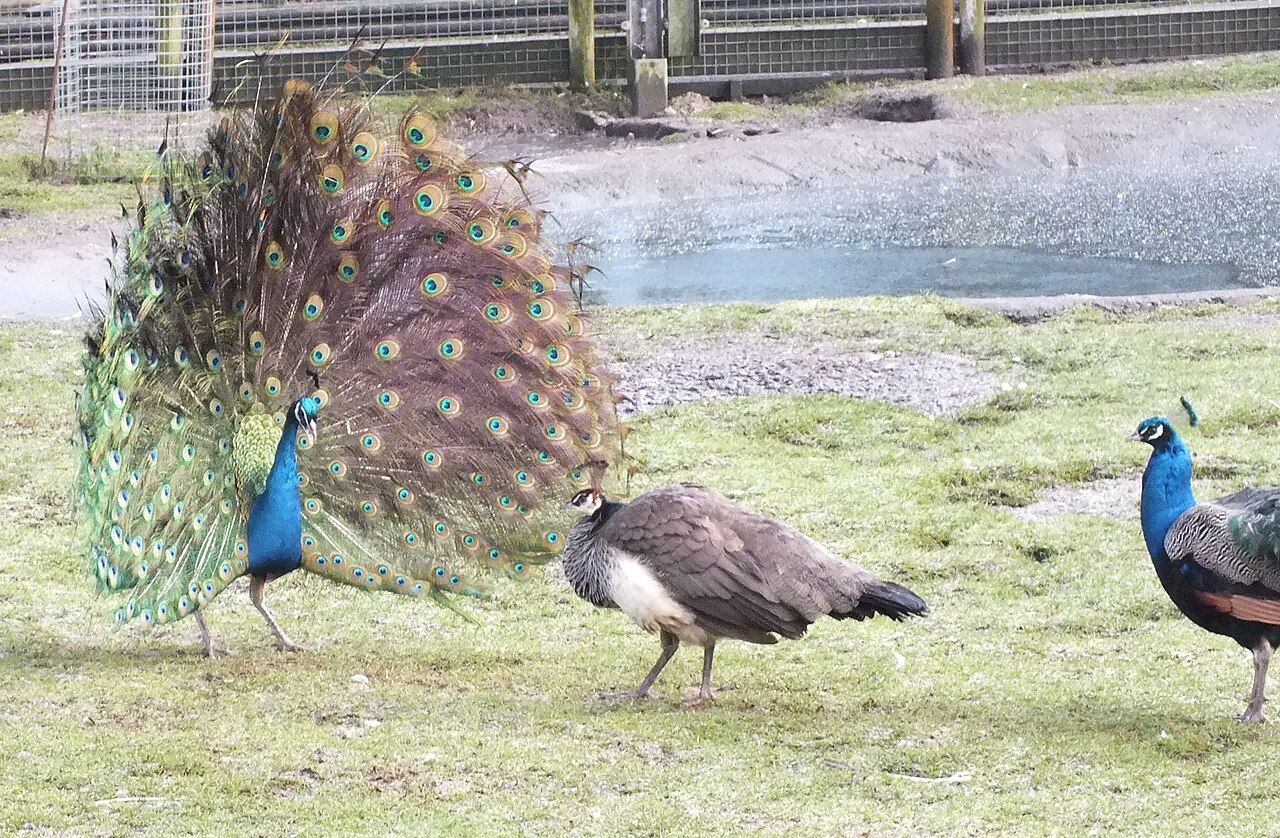
The peacock’s symbolism of beauty and display is rooted in the real biology of these spectacular birds. The word peacock technically refers to the male, while the female is a peahen and the species together are peafowl. According to the Cornell Lab of Ornithology, peafowl are large, ground-dwelling birds related to pheasants, and the male’s magnificent train of iridescent, eye-marked feathers is used in an elaborate courtship display to attract females. The male fans and shimmers this train to show off its splendor, which is exactly the natural behavior behind the peacock’s symbolism of beauty, pride, and confident self-display. The eye-like markings that make the feathers so striking are also central to the bird’s symbolism of watchfulness. Understanding the real peacock deepens the meaning people find in it, since the bird genuinely embodies the dazzling self-expression its symbolism celebrates, much like other admired birds such as the cardinal.
Peacock Symbolism in Dreams
Dreaming of a peacock is usually interpreted through its themes of beauty, pride, and renewal. A peacock appearing in a dream is often read as a positive sign related to confidence, self-expression, and embracing your own beauty and worth, or as encouragement to show your true colors with pride. Because the peacock symbolizes renewal and even immortality, a dream peacock can also suggest transformation, a fresh start, or spiritual growth. The many eyes of its tail may point to awareness, watchfulness, or being seen. For some, a peacock in a dream is a reminder not to let pride tip into vanity, balancing confidence with humility. As with all dream symbolism, the meaning is personal, and reflecting on your own feelings and circumstances offers the most useful insight into what a dream peacock represents for you.
What Different Peacock Colors Mean
While the classic peacock is famous for its iridescent blue and green, peacocks and their feathers appear in various colors that can add shades of meaning. The blue of a typical peacock is associated with spirituality, clarity, and nobility, while its green tones suggest growth, renewal, and harmony, fitting the peacock’s themes of rebirth. White peacocks, a striking color variant, are often linked to purity, grace, and spiritual awakening, and they carry an ethereal, almost magical quality in symbolism. The gold and bronze highlights in peacock feathers connect to prosperity and beauty. Whatever the color, the shimmering, iridescent quality of peacock plumage reinforces the bird’s core symbolism of beauty, transformation, and showing your true colors, since the feathers seem to change hue with the light. These color associations blend with the peacock’s broader meaning to make it one of the most visually and symbolically rich of all birds.
Frequently Asked Questions
What does a peacock symbolize?
A peacock symbolizes beauty, pride, renewal, and immortality, along with royalty, watchfulness, and integrity. It encourages confidence and showing your true colors.
What is the spiritual meaning of a peacock?
Spiritually, the peacock represents awakening, renewal, and living authentically, encouraging self-confidence, integrity, and embracing your beauty and full potential.
What does a peacock feather symbolize?
A peacock feather symbolizes beauty, protection, watchfulness, and spirituality. In many cultures it is auspicious and protective, with its eye representing all-seeing awareness.
What does the peacock mean in Hinduism?
In Hinduism the peacock is highly revered, associated with several deities and symbolizing beauty, grace, and protection. It is also the national bird of India.
Why does the peacock symbolize immortality?
The peacock symbolizes immortality partly because it sheds and regrows its splendid feathers, representing renewal, and partly from old beliefs about its flesh not decaying.
Are peacock feathers good or bad luck?
It depends on the culture. In much of Asia peacock feathers are auspicious and protective, while some Western traditions consider them unlucky indoors. Meanings vary widely.
What does the peacock spirit animal represent?
The peacock spirit animal represents confidence, beauty, integrity, and renewal, encouraging you to embrace your uniqueness, show your true colors, and rise anew with pride.