Can Chickens Eat Bread? Safe Amounts and the Mold Rule
Chickens can eat bread, and they will mob you for it, but it is one of the poorest treats you can offer. Bread supplies calories with very little of the protein, calcium, or micronutrients a laying hen needs, and every mouthful displaces the formulated feed that does supply them. Small amounts occasionally are harmless. Regular bread feeding is how flocks end up with thin shells and reduced laying.
One form of bread is genuinely dangerous rather than merely useless. Moldy bread can carry mycotoxins that damage the liver and immune system, and it should never be offered under any circumstances. This guide covers why bread is a weak treat, the mold problem, crop impaction risk, how the different varieties compare, safe quantities, and what to feed instead.
| Form | Verdict |
|---|---|
| Plain stale bread, small amounts | Safe but low value |
| Moldy bread | Never, mycotoxin risk |
| Fresh soft white bread | Avoid, doughy and can compact in the crop |
| Garlic bread, banana bread, sweet loaves | Avoid, salt, sugar and additives |
| Whole grain and rye | Marginally better, still low value |
| Safe quantity | One small slice per 6 birds, once a week |
Can Chickens Eat Bread Safely?
Plain bread contains nothing toxic to poultry. Chickens digest starch perfectly well, and a few torn pieces scattered in the run will disappear in seconds without any ill effect on a healthy flock.
The problem is what bread is not. It contains roughly 8 to 10 percent protein of relatively poor amino acid profile for birds, almost no calcium, and little of the vitamins and trace minerals in a formulated ration. A laying hen builds an eggshell every day and needs a steady calcium supply plus 16 to 18 percent quality protein, and bread contributes almost nothing toward either.
There is also a seasonal angle worth noting. Bread and other carbohydrate-heavy treats generate metabolic heat during digestion, which is the opposite of what a flock needs during a summer heat wave, and they dilute the protein intake that matters most during autumn molt when birds are rebuilding feathers. The times of year when keepers most often reach for kitchen scraps are the times when the ration matters most.
So the honest framing is that bread is filler. It is not poison, and nobody needs to panic about a sandwich crust, but it belongs at the bottom of the treat list rather than in regular rotation. The same 90/10 framework applies as in our guide to whether chickens can eat apples, with bread being one of the least worthwhile ways to spend that ten percent.
Moldy Bread: The One Absolute No
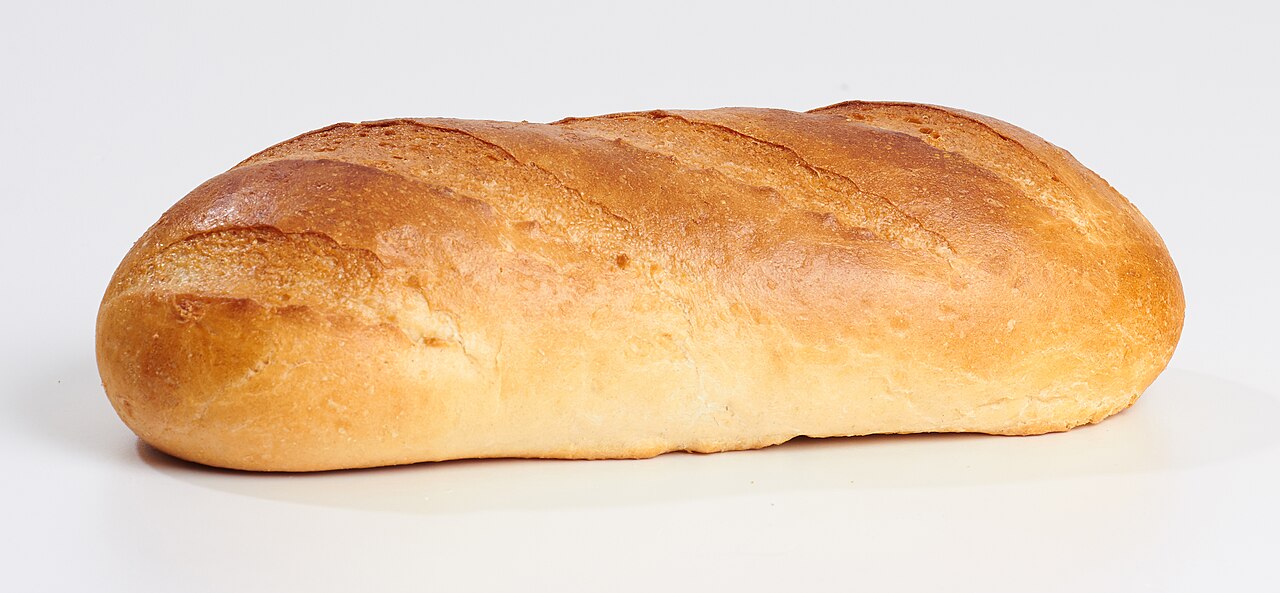
This is the part that matters most. Moldy bread should never be fed to chickens, and the common assumption that birds will simply avoid it is wrong, since hungry chickens readily eat visibly moldy material.
The danger is mycotoxins, compounds produced by fungi including Aspergillus, Penicillium, and Fusarium species. Aflatoxins in particular damage the liver, suppress the immune system, reduce growth, and cut egg production, and the effects accumulate rather than appearing as sudden illness. A flock exposed repeatedly declines slowly in ways easily attributed to something else.
Mold that is not visible is still a problem. By the time surface mold appears, the fungal network has penetrated the whole slice, so cutting off a green patch does not make the rest safe. Bread stored in a warm plastic bag develops it quickly. The rule extends beyond bread to any moldy feed, grain, or produce, which is why extension guidance treats moldy material as a disposal decision rather than a judgment call.
Crop Impaction and Doughy Bread
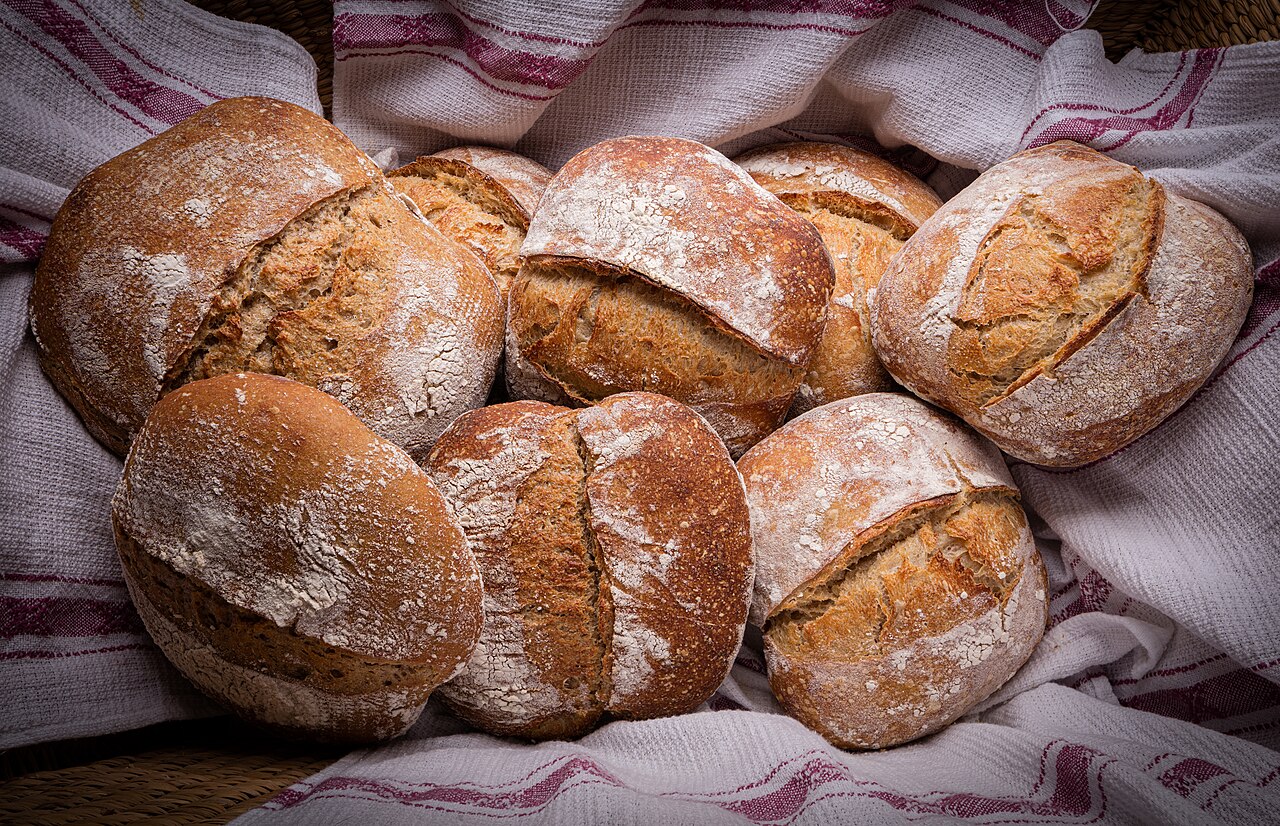
Fresh soft bread carries a physical risk beyond its poor nutrition. Chickens have no teeth and store food in the crop before it passes to the gizzard for grinding, and soft bread compresses into a dense doughy mass when wet.
That mass can block the crop. An impacted crop feels firm or doughy first thing in the morning when it should be empty, and it prevents food moving into the rest of the digestive tract. Untreated it is serious, and it needs veterinary attention rather than home remedies.
Stale or dried bread is the safer form, and breaking it into small pieces rather than offering slices reduces the risk further. Make sure grit is always available, since the gizzard needs it to grind anything, and confined birds depend entirely on what you supply. Check crops at dusk and at dawn during the first week you introduce any new food, since a crop still full at sunrise means food is not moving through.
White, Wheat, Rye, and Sourdough
Differences between bread types are smaller than the marketing suggests, but they are not zero. Whole grain and whole wheat breads carry more fiber, B vitamins, and slightly more protein than white, which makes them marginally less empty, though still far below a formulated feed.
White bread is the poorest option, being refined starch with the bran and germ removed, and it is also the softest and therefore the most likely to compact in the crop. Rye is comparable to whole wheat and perfectly acceptable in small amounts.
Sourdough is fine and the fermentation question that worries people is not an issue. The fermentation is complete by the time the loaf is baked, there is no meaningful residual alcohol, and the acidity poses no problem for poultry. Treat it the same as any other plain bread, meaning stale, small pieces, occasional.
Corn Bread, Banana Bread, and Garlic Bread
These are where bread stops being merely useless and becomes a bad idea. Garlic bread carries substantial salt and butter, and chickens have low salt tolerance relative to their body size, with excess salt causing increased thirst, wet droppings, and in serious cases kidney damage.
Sweet breads including banana bread, brioche, and cake carry sugar loads that disrupt gut flora and can contribute to sour crop, a yeast overgrowth condition that produces a squishy fluid-filled crop and a foul smell from the beak. They frequently contain other problematic ingredients too, and chocolate in any baked good must be avoided outright since theobromine is toxic to birds.
Corn bread sits in a slightly better position, since plain corn bread with no added sugar is roughly comparable to ordinary bread and chickens like it. Most recipes include significant sugar and salt, though, so a homemade plain version is fine while a commercial sweetened one is not. Onion and garlic in any form should stay out of the run entirely.
How Much Bread Is Safe?
One small slice torn into pieces and shared among about six birds, once a week, is a reasonable ceiling. That is genuinely a treat rather than a food source, and it stays well inside the ten percent allowance even alongside other treats.
The 90/10 rule governs everything here. Ninety percent of daily intake should be complete feed and all treats together the remaining tenth, which includes scratch grain, mealworms, kitchen scraps, garden produce, and every fruit. Bread competes for that same allowance with items that offer far more.
Watch the feeders rather than counting slices. Steady consumption of layer ration and firm normal droppings mean the balance is right, while untouched crumble, birds that mob you and ignore feed, thinning eggshells, or reduced laying all mean treats have taken over. Keep crushed oyster shell available free choice so hens can regulate calcium independently, and cut treats entirely for a week if shell quality slips.
Better Alternatives
Almost anything is a better treat than bread. Leafy greens including kale, chard, lettuce, and cabbage provide vitamins and fiber and give birds something to work at, and a hanging cabbage occupies a bored flock for hours.
Protein treats do real nutritional work. Dried or live mealworms, black soldier fly larvae, and scrambled eggs support feather growth during molt, when protein demand rises sharply and many flocks stop laying. These are worth using deliberately rather than randomly.
Vegetables and fruit round it out. Pumpkin and winter squash including seeds, cucumber, cooked carrot, berries, and melon all supply more than bread ever will, and frozen versions help during heat. Scratch grain is closer to bread nutritionally and should also stay limited, especially in summer, since it generates metabolic heat. Our guides to whether chickens can eat tomatoes and chickens can eat grapes cover the produce side in more detail, and the same logic extends to the smaller poultry in our guides to coturnix quail and button quail.
Bread and Wild Birds
The bread question extends beyond the coop, and the answer there is firmer. Feeding bread to ducks, geese, and swans at ponds is genuinely harmful, and the damage is better documented than for chickens.
Young waterfowl raised on bread can develop angel wing, a deformity in which the wrist joint twists outward and the flight feathers point away from the body, leaving the bird permanently flightless. The condition is linked to diets high in carbohydrate and low in the nutrients growing wings require, and it is effectively irreversible once the bones set.
The same applies to garden birds at feeders. Bread offered to songbirds provides poor nutrition during the breeding season, when adults need insects and high-fat seed to raise young, and nestlings fed on bread by well-meaning people frequently fail to thrive. Uneaten bread causes secondary problems too. It rots in the water, fouling it and promoting algal blooms, and it draws rats and gulls to the site. If you want to feed waterfowl, use defrosted peas, corn, oats, chopped lettuce, or seed, and scatter small amounts rather than dumping a loaf.
Frequently Asked Questions
Can chickens eat bread?
Yes, plain bread is safe in small amounts, but it is nutritionally poor. It provides calories with little protein, calcium, or micronutrients, and it displaces the formulated feed that supplies them. One small slice shared among six birds once a week is a sensible ceiling.
Can chickens eat moldy bread?
Never. Moldy bread can carry mycotoxins including aflatoxins that damage the liver, suppress immunity, and cut egg production, and the effects accumulate. Cutting off a moldy patch does not help, since the fungal network penetrates the whole slice.
Can bread cause crop impaction in chickens?
Fresh soft bread can, because it compresses into a dense doughy mass in the crop. Offer stale bread broken into small pieces instead, ensure grit is always available, and check that crops empty overnight. A crop still firm at sunrise needs veterinary attention.
Is whole wheat bread better than white for chickens?
Marginally. Whole grain breads carry more fiber, B vitamins, and slightly more protein, and they are firmer so less likely to compact in the crop. Both remain far below formulated feed nutritionally, so the difference does not change the quantity guidance.
Can chickens eat garlic bread or banana bread?
No. Garlic bread carries heavy salt and butter, and chickens have low salt tolerance. Sweet breads add sugar that disrupts gut flora and can contribute to sour crop. Chocolate in any baked good is toxic to birds, and onion and garlic should stay out of the run.
Can chickens eat sourdough bread?
Yes, in the same small amounts as any plain bread. Fermentation is complete by the time the loaf is baked, so there is no meaningful residual alcohol, and the acidity poses no problem. Stale pieces are safer than fresh soft slices.
Why is bread bad for ducks if chickens can eat it?
Both cases are about displacement, but young waterfowl raised on bread can develop angel wing, a permanent deformity that leaves them flightless. Uneaten bread also fouls water and draws rats. Defrosted peas, corn, oats, and chopped lettuce are better choices for waterfowl.