Tree Frog Poop: What It Looks Like and 3 Lookalikes
Tree frog droppings are dark, glossy and packed with insect parts, and they pile up under the same perch night after night. How to identify them and tell them from rodent and roach waste.

Tree frog droppings are dark, glossy and packed with insect parts, and they pile up under the same perch night after night. How to identify them and tell them from rodent and roach waste.
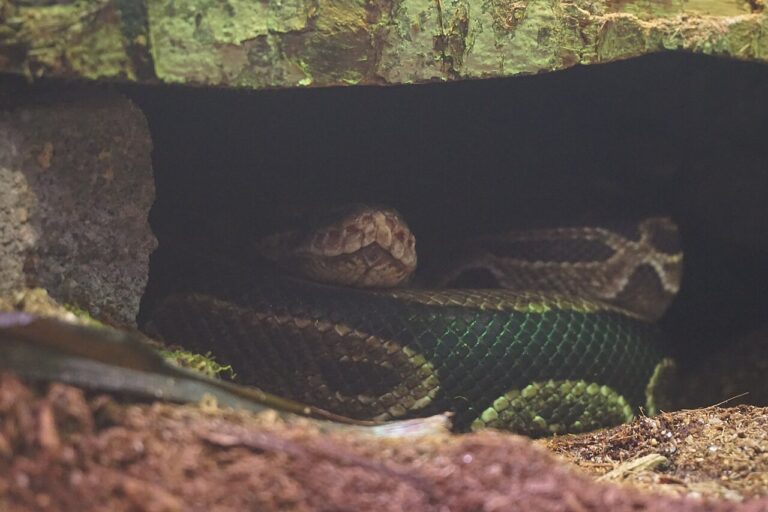
Healthy ball python poop is a soft brown log with a chalky white urate cap, passed every two to six weeks. Here is the normal size, color and content, plus the signs that need a vet.

Lizard droppings carry a white chalky cap, frog droppings do not. Sizes, shapes, where each turns up, the rodent look-alikes, and safe cleanup.
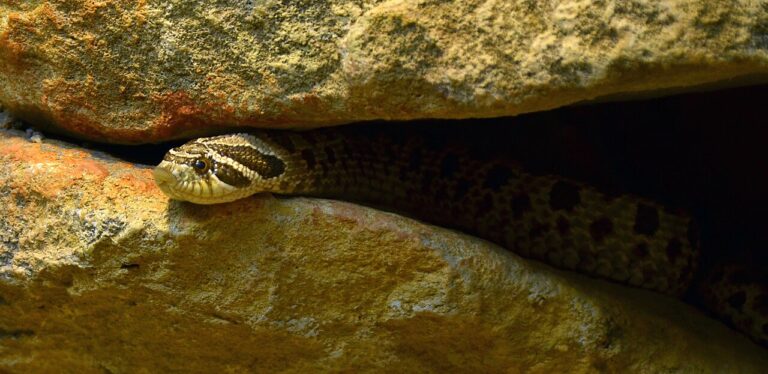
Captive hognose snakes reach 15 to 20 years, wild ones 6 to 10. The gap is husbandry: feeding schedule, temperature, humidity and how often a female is bred.
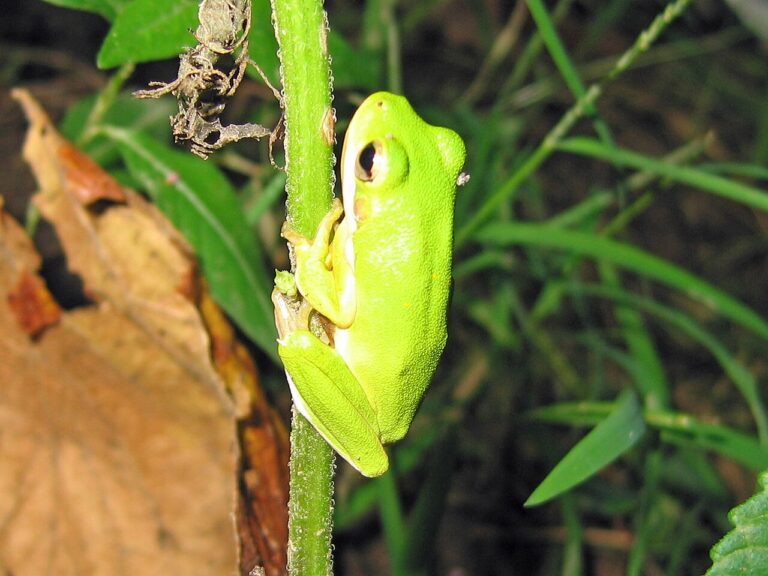
The white side stripe is the giveaway. Identification, the honking call, range, lifespan, cost and what it takes to keep an American green tree frog legally.

The Australian green tree frog grows to 4 in, lives 16 years or more in captivity, and is the calmest amphibian in the pet trade. Size, handling, lifespan and facts.
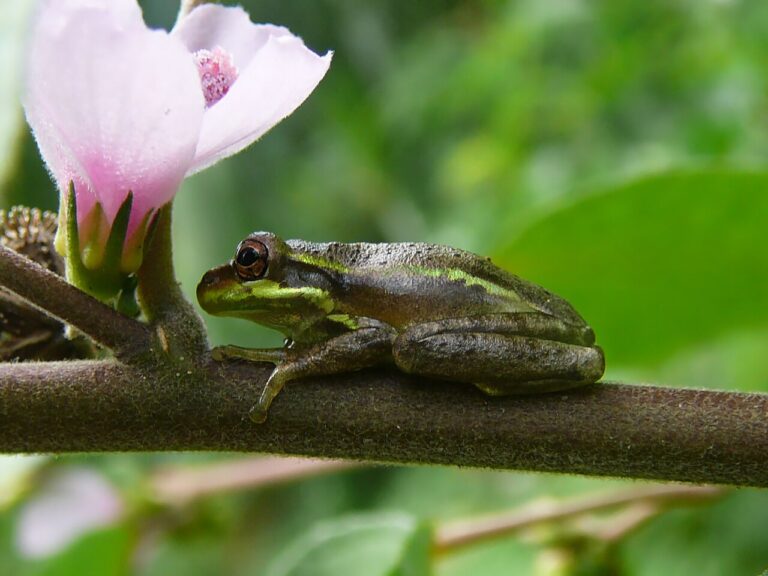
Sticky toe pads make a tree frog easy to identify. They are not venomous, they eat insects all night, and a yard full of them is a good sign.

Pacman frogs have maxillary teeth, vomerine teeth, and two bony odontoid fangs. What each one does, the measured bite force, and how to avoid a bite.

A blue tree frog is a green tree frog without yellow pigment, not a separate species. What causes the color, how rare it really is, and whether it is safe to handle.
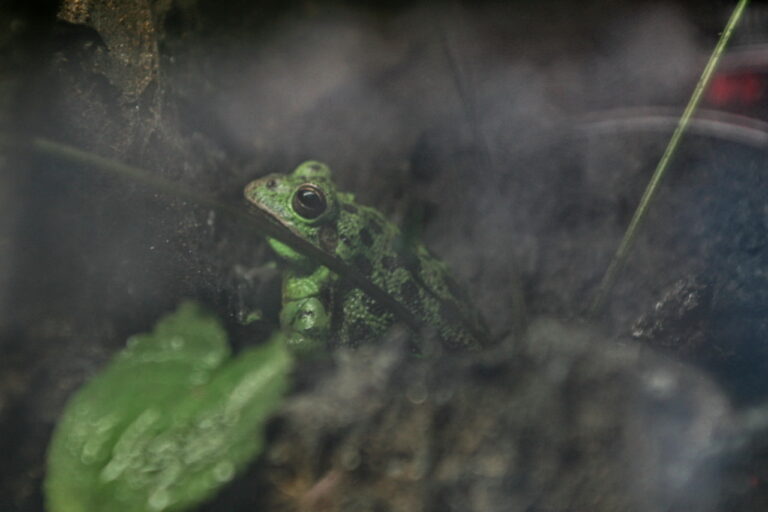
The barking tree frog is the largest native treefrog in the Southeast, and its doglike call carries for hundreds of yards. Here is how to identify it, where it lives and whether it can be kept as a pet.