Squirrel Tree Frog: ID, Call, Range and Care in 5 Minutes
The squirrel tree frog changes color between green and brown, which is why it gets mistaken for a green treefrog. The side stripe settles it in seconds.
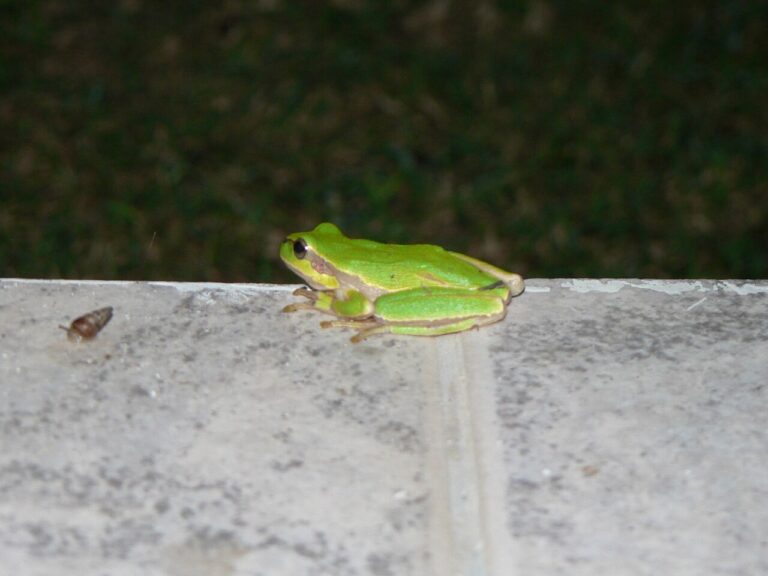
The squirrel tree frog changes color between green and brown, which is why it gets mistaken for a green treefrog. The side stripe settles it in seconds.

A blue salamander in the US is almost always a blue-spotted salamander. Here are the six native species with blue markings, the lookalikes and the handling rules.
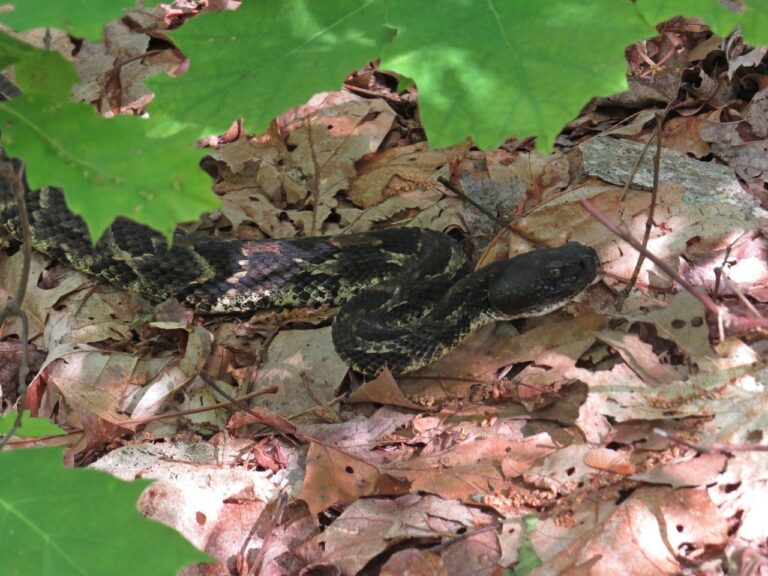
Seeing a snake is traditionally read as transformation and renewal, though Christian readings lean toward temptation. What the sighting means by tradition and situation.

Snake dreams point to change you have not faced yet. What being bitten, chased or killing the snake means, tradition by tradition.

Healthy axolotl poop is a dark string with no white urate. Here is what pale, white or stringy waste means, how often they poop, and how to siphon it.
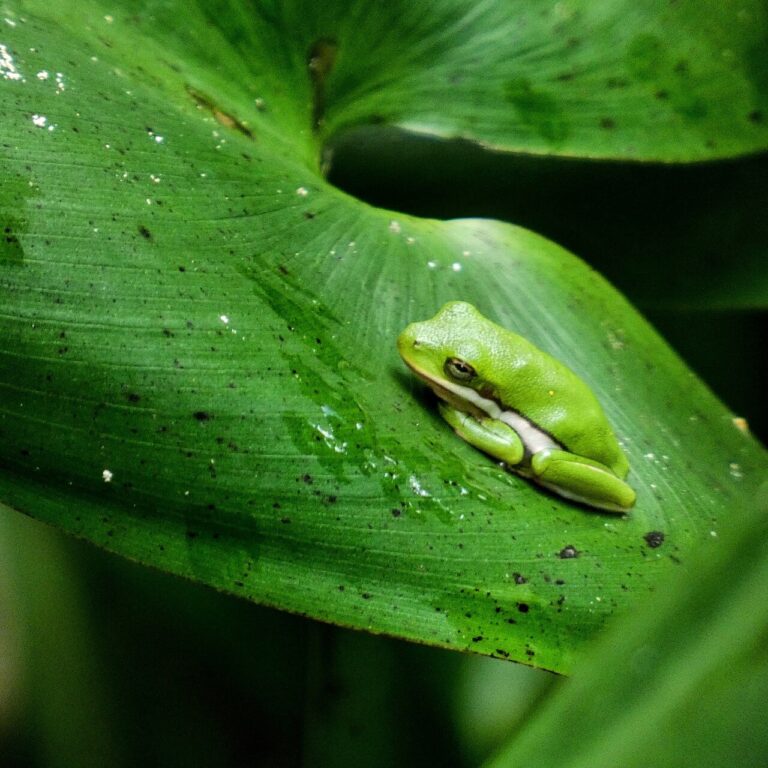
Two very different frogs share the name. Here is how to tell the American green tree frog from its lookalikes, where it lives, and why handling it hurts the frog and not you.
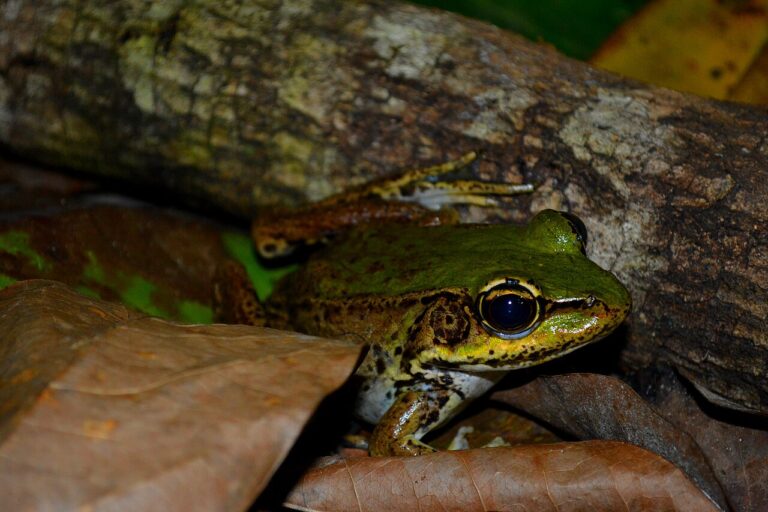
Frogs leave a single soft glossy deposit full of insect parts. Rats leave scattered firm capsules and gnaw marks. Six tests that separate them in the field.
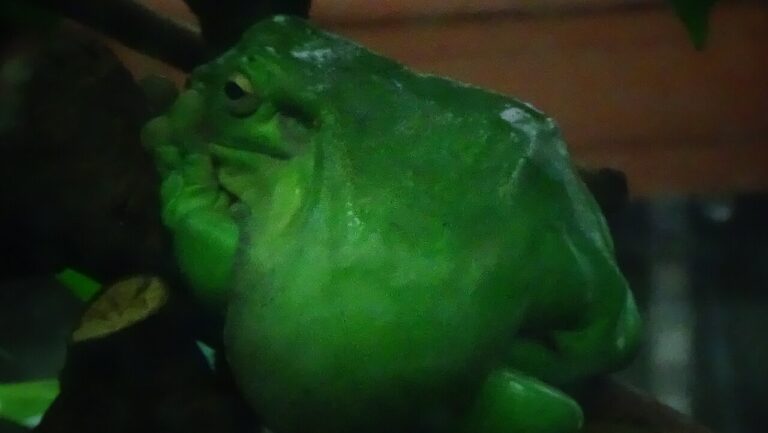
White’s tree frog care in practice: a tall 18 by 18 by 24 in enclosure, 75 to 85 F, 50 to 70 percent humidity, and a feeding schedule that keeps the frog lean.

The waxy monkey tree frog coats itself in a self-made wax to survive dry air. It needs heat and ventilation, not a rainforest, and its skin secretions are toxic.

North America’s largest frog eats birds, snakes, and other frogs. Here is how to tell one from a green frog, how big they really get, and why western states treat them as invaders.