Purple Emperor Butterfly: Why the Purple Comes and Goes
Only male purple emperors flash purple, and only at certain angles. Why the colour is structural, why they feed on dung and carrion, and what the American look-alikes are.
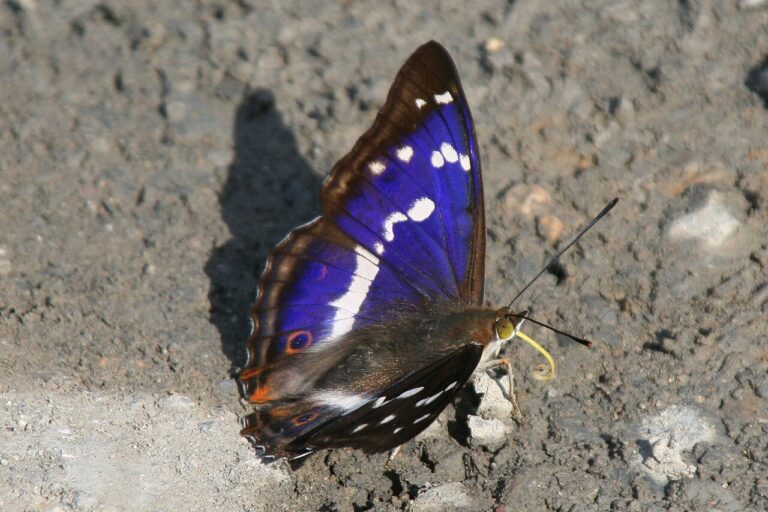
Only male purple emperors flash purple, and only at certain angles. Why the colour is structural, why they feed on dung and carrion, and what the American look-alikes are.
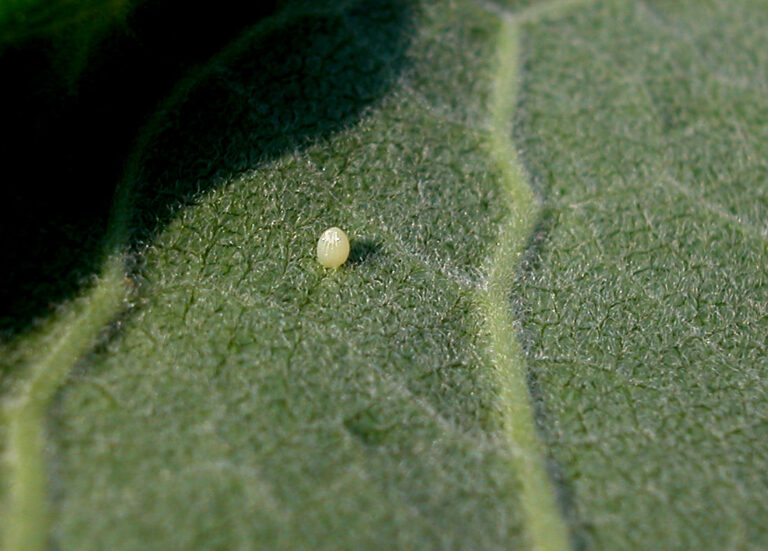
Monarch eggs are ridged white domes the size of a pinhead, laid singly under milkweed leaves. When to look, what gets mistaken for them, and whether to rear them.

Badgers, skunks, bears, bats, frogs, dragonflies, robber flies and mantises all eat wasps. How each gets around the sting, and why a torn-up ground nest needs no treatment.
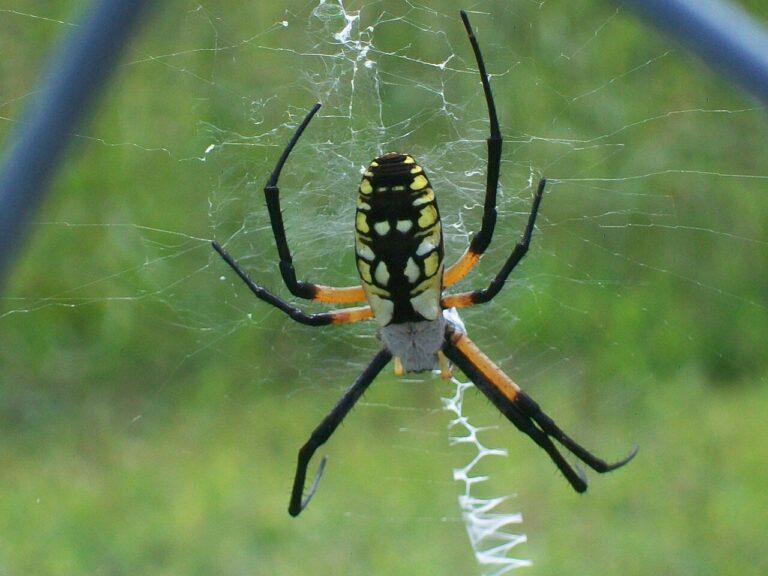
Mostly insects, caught by web, ambush, or active hunting, then liquefied and drunk rather than chewed. Why leaving spiders alone usually pays off.
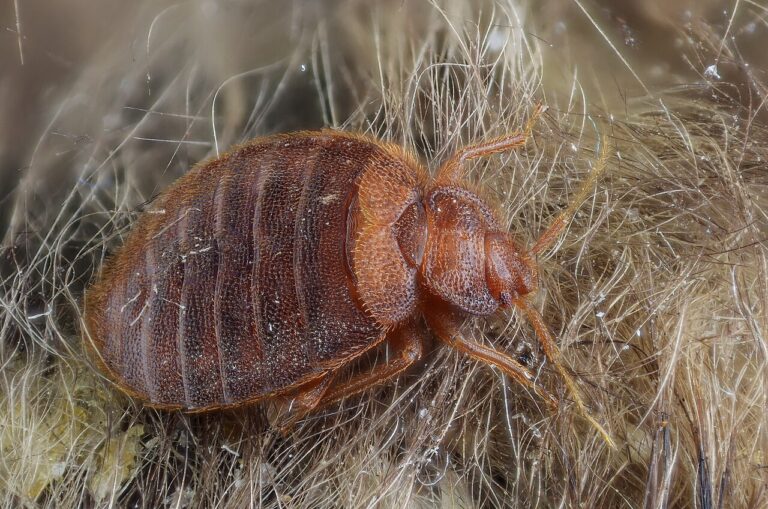
Carpet beetles feed on fabric and don’t bite; bed bugs feed on blood and do. How to identify each, what attracts them, and why the treatment differs completely.
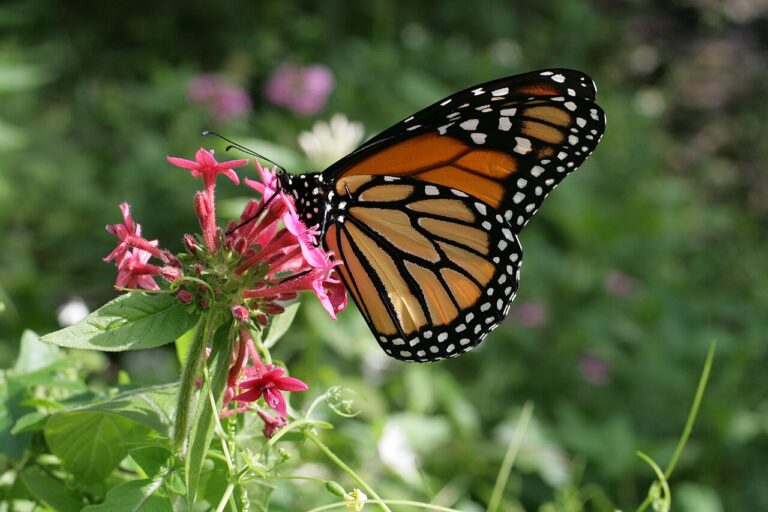
A monarch butterfly means transformation, hope, and the return of departed loved ones. Where the Dia de los Muertos link comes from and what a monarch visit signifies.
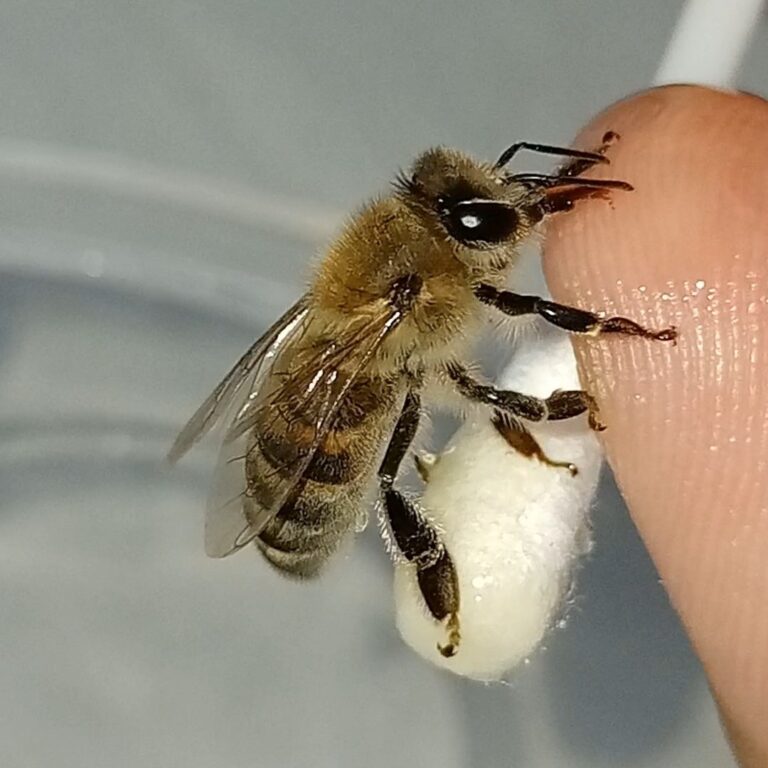
A bee landing on you means good luck and effort rewarded, and many read it as a sign from a loved one. Why bees really land on people, and whether you should worry about a sting.
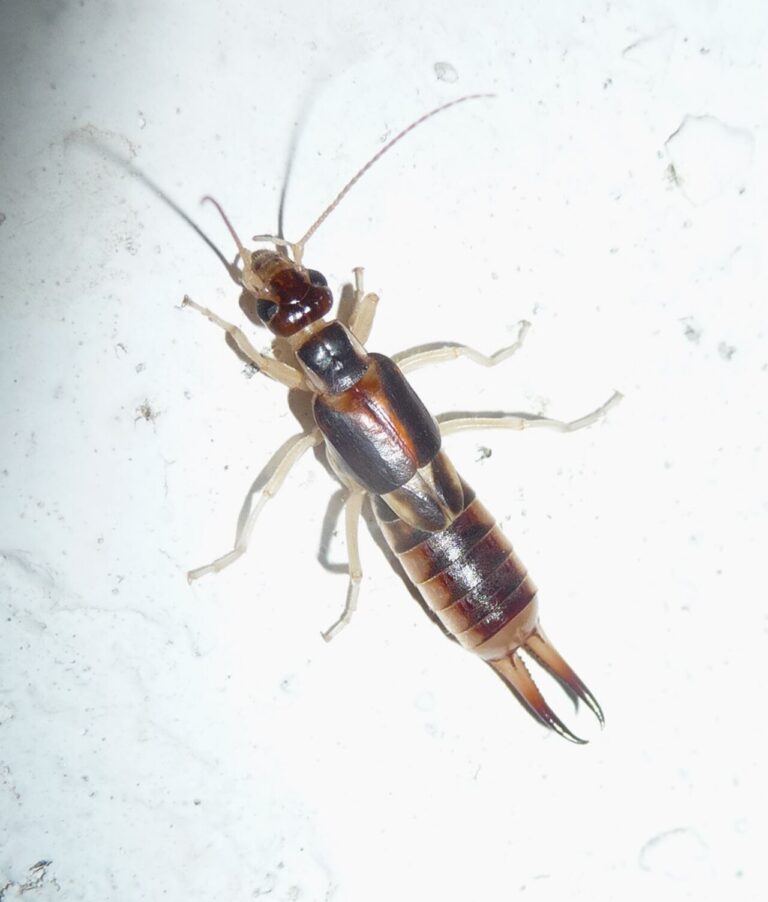
A baby earwig is a pale wingless nymph with pincers from hatching. What finding them indoors means, why earwigs guard their young, and why the ear myth is false.
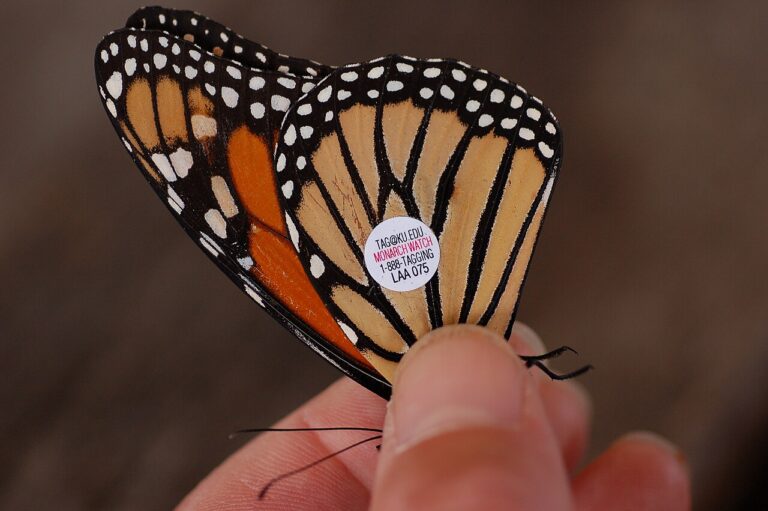
The monarch is the only butterfly making a true two-way migration, up to 3,000 miles. Identification, the milkweed dependency, look-alikes, and what actually helps.
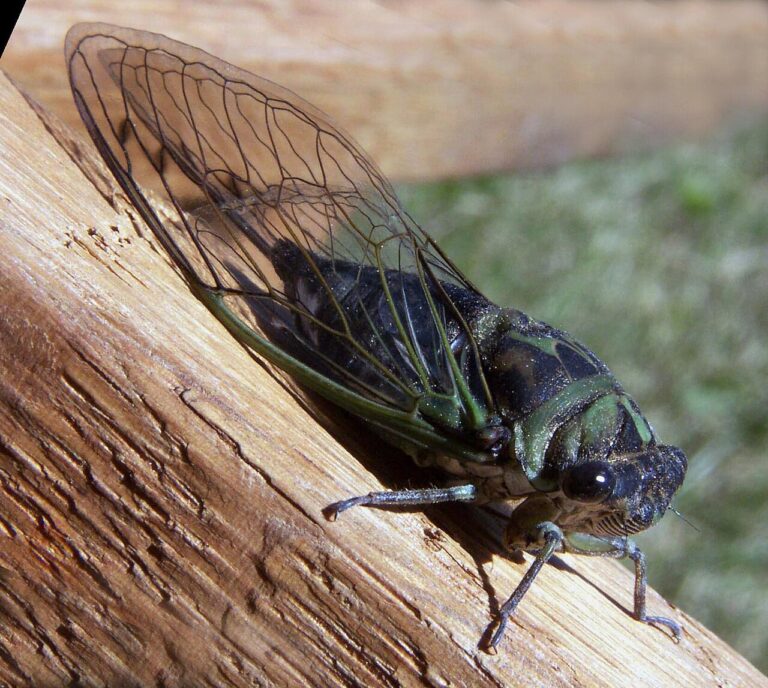
Cicadas sing with ribbed tymbals on the abdomen, not by rubbing legs. What each sound means, how to tell them from katydids, and when the noise finally stops.