What Do Chigger Bites Look Like? Clusters, Timing and 6 Lookalikes
What do chigger bites look like? Small, hard, intensely itchy red bumps, almost always in tight clusters, each one roughly 2 to 5 mm across with a brighter red center and a flatter pink halo around it. They show up where clothing presses against skin: the sock line, the waistband, behind the knees, the groin and the armpits. The itch starts about one to three hours after the mite attaches and gets worse for a day or two before it fades.
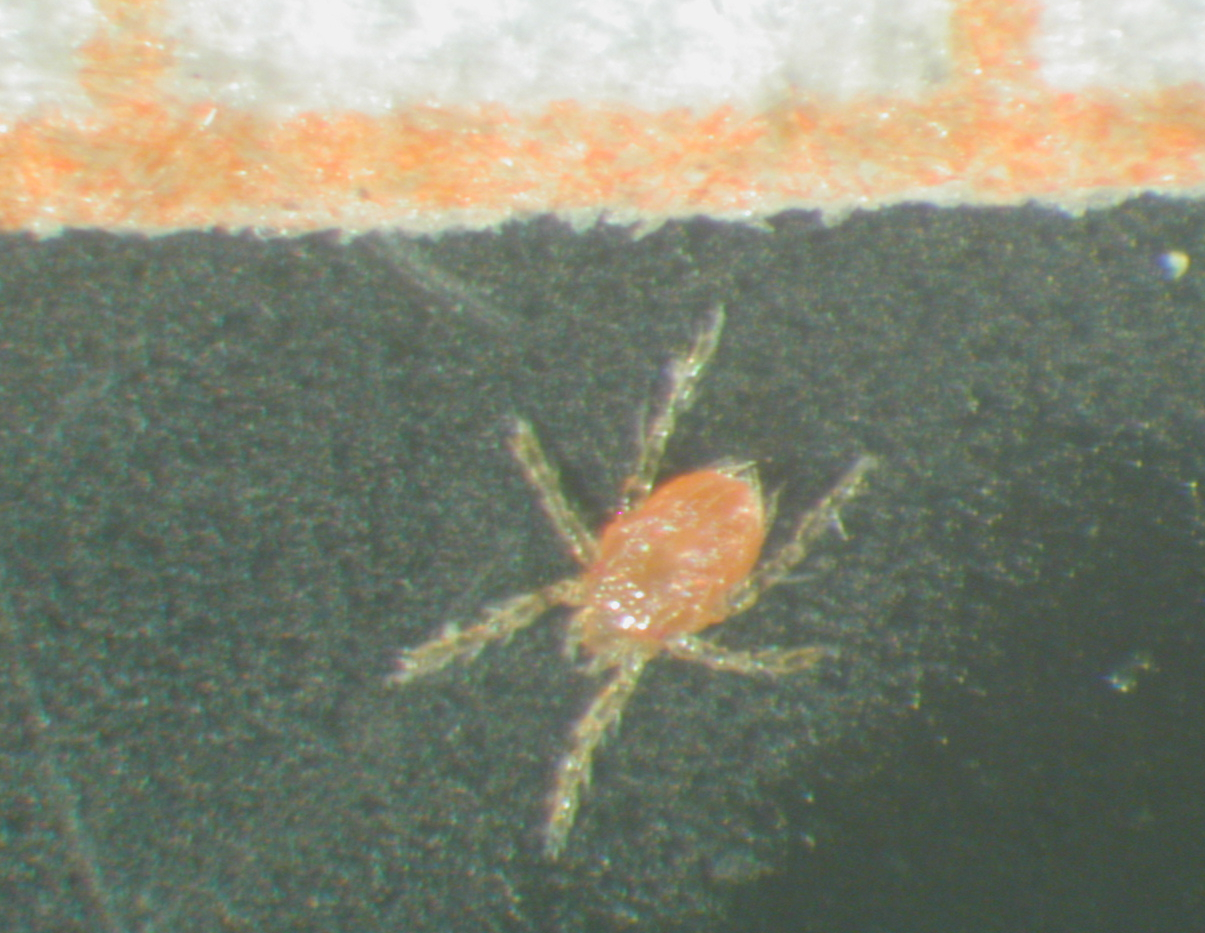
What you are looking at is your own immune reaction, not a hole in the skin. Chiggers are the larvae of trombiculid mites, in most of the United States Eutrombicula alfreddugesi, and a larva measures about 1/150 inch (0.17 mm). Almost nobody ever sees the animal that caused the rash, which is why these bites get blamed on fleas, bed bugs or heat rash for days before anyone works out what happened.
Chigger bites look like clusters of small, firm red welts 2 to 5 mm wide, often with a tiny darker dot in the middle, concentrated at the ankles, waistband and other spots where clothing is tight. They itch fiercely within hours, peak on day one or two, and clear in one to two weeks without scarring.
| Feature | Chigger bites | Flea bites | Bed bug bites |
|---|---|---|---|
| Pattern | Tight clusters, 5 to 20 bumps | Scattered groups of 3 or 4 | Straight lines or zigzags |
| Where on the body | Under tight clothing: socks, waistband, groin | Ankles and lower legs | Exposed skin: arms, shoulders, face |
| Look of a single bite | Firm red welt, sometimes a blister on top | Flat red dot with a darker puncture point | Puffy wheal with a center dot |
| Timing of the itch | 1 to 3 hours after exposure | Almost immediate | Noticed on waking |
| Where you were | Tall grass, berry patches, brush, lawn edges | Home with a cat or dog | Bed, sofa, hotel room |
| Animal visible | No, the larva is microscopic | Sometimes, fleas jump | Rarely, hides by day |
How Do I Know If My Bites Are Chigger Bites?
Three things together make the case: the clustering, the clothing line, and the delay. Chigger welts arrive in groups because a larva that lands on a sock crawls upward until the fabric stops it, then feeds with several of its siblings in the same band of skin. A single isolated bump on a forearm is almost never a chigger.
The second clue is the map on your body. Draw a line where your socks ended, where your belt sat, where your shorts gripped your thigh, and the bites will follow it. Mosquito and ant bite reactions ignore clothing seams completely, because those insects bite what is uncovered.
The third clue is timing. You felt nothing in the field. Hours later, usually in the evening or in the shower, the itch arrives all at once across the whole cluster. Fleas and mosquitoes itch within minutes, so a same day gap of several hours points at a mite.
What Chigger Bites Look Like Day by Day
On the first evening the bumps are small, bright red and slightly raised, the size of a pinhead growing toward a match head. Many of them have a visible darker point in the center, which is the feeding site, not a leftover mouthpart.
By day two the welts are at their largest and firmest, 3 to 5 mm, and some develop a small clear blister on top. That blistering is normal on thin skin such as the inner thigh or the back of the knee, and it does not mean infection. Scratching the blister open does raise that risk.
From day four onward the redness fades to dull pink or brown while the itch tails off. Flat brown marks can linger for several weeks on darker skin tones. Chigger bites do not leave scars unless they were scratched raw.
Where Chigger Bites Show Up on the Body

Ankles and lower legs lead the list, because that is where larvae board from grass tips. Next come the waistband, the sock cuff, the backs of the knees, the groin, the buttocks and the armpits. On small children the pattern often shifts upward to the chest and neck, since they sit and crawl in vegetation.
Warm, thin, moist skin held under slight pressure is what the larva settles for. That preference is why bites so often stop in a sharp line at the top of a boot, and why beachgoers who sat on grass get them along the back of the thigh.
Pets can carry larvae indoors on their coats, so a second round of bites a day later does not mean an infestation in the house. Chiggers do not breed indoors.
What Could Be Mistaken for Chigger Bites?
Flea bites are the closest mimic, and the comparison table above is the quickest way to separate them. For a longer side by side look at chigger bites and flea bites, the deciding question is usually whether a pet shares the house. Bed bug bites differ in geometry: they run in lines on skin that was uncovered during sleep.
A tick bite is almost always a single mark with an attached animal, not a cluster, and it can develop an expanding ring. Scabies mites burrow, favor the webbing between fingers, itch worst at night and keep going for weeks, which chigger bites never do. Carpet beetle rash and lady beetle irritation come from hairs and secretions rather than feeding, and they appear on contact skin indoors.
Two non animal causes round out the list. Miliaria, or heat rash, makes finer, more uniform pinpoint bumps across a sweaty band of skin, and contact dermatitis from poison ivy runs in streaks and lines rather than clusters.
How Long Do Chigger Bites Last?
Most chigger bites itch hard for three to four days and fade entirely within one to two weeks. Heavily bitten skin, or skin that was scratched, can stay marked for three weeks. There is no stage at which a chigger is still inside the bump, so there is nothing to dig out.
The larva itself stays attached for up to four days if nobody disturbs it, but showering, toweling and clothing usually knock it off within hours. The welt keeps itching long after the mite is gone because the enzymes it injected keep irritating the tissue.
See a clinician if a bite turns warm, spreads red streaks, oozes pus, or if fever follows. Those are signs of secondary bacterial infection from scratching, not of the mite.
What Is the Fastest Way to Cure Chigger Bites?
Start with a hot soapy shower and a brisk scrub with a washcloth, which removes any larvae still attached and limits new bites. Launder the clothes you wore on a hot cycle. Everything after that is about calming the reaction.
A 1 percent hydrocortisone cream twice a day blunts the itch best, and an oral antihistamine at bedtime helps people who scratch in their sleep. Calamine lotion, a cold pack and colloidal oatmeal baths all help without doing anything for the underlying inflammation. The CDC gives the same basic advice for all biting mites.
Skip the folk remedies. Clear nail polish, bleach, kerosene and alcohol dabs are built on the false belief that a mite is buried under the skin, and they only inflame it further.
Frequently Asked Questions
Will chiggers live in your bed?
No. Chiggers need soil, humidity and host animals outdoors, and a larva brought in on clothing or a dog dies within a day or two. If bites keep appearing overnight in clean lines on uncovered skin, look at bed bugs instead, because chigger larvae cannot establish or reproduce in bedding.
Where do chiggers go once they bite you?
They stay attached to the skin surface for up to four days, then drop off to continue developing in soil. They never burrow in and they do not lay eggs in your skin. Most are scrubbed off in the first shower, well before the itch has even peaked.
Are chigger bites poisonous or dangerous?
Not poisonous. The larva injects saliva with digestive enzymes that dissolve skin cells, which causes the welt and the itch. North American chiggers transmit no disease. Their Asian relatives in the genus Leptotrombidium can carry scrub typhus, which is why advice from overseas sounds more alarming.
What smell do chiggers hate the most?
Laboratory work points at sulfur, and dusting sulfur powder on socks and boot tops is an old field remedy that genuinely reduces bites. Essential oil claims for tea tree, citronella and eucalyptus are far weaker. Repellents containing DEET or picaridin outperform every scent based option.
What is a natural predator of chiggers?
Predatory soil mites, tiny ground beetles, centipedes, ants and springtail eating spiders all take chigger larvae and nymphs. No single predator controls them. Mowing, clearing brush and letting sunlight dry the top layer of soil removes far more chiggers from a yard than any predator ever will.