Pink Beetle Identification: 6 Pink Bugs Found in the US
Pink beetles in the US come down to a handful of species: lady beetles, rose chafers and blister beetles. Here is how to tell them apart and which one blisters skin.
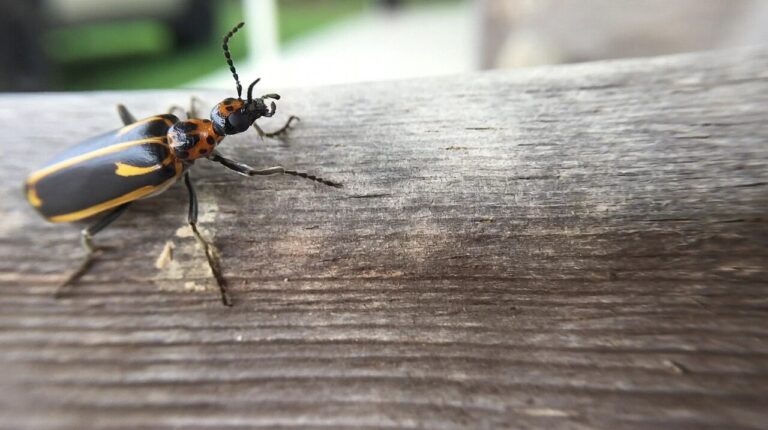
Pink beetles in the US come down to a handful of species: lady beetles, rose chafers and blister beetles. Here is how to tell them apart and which one blisters skin.
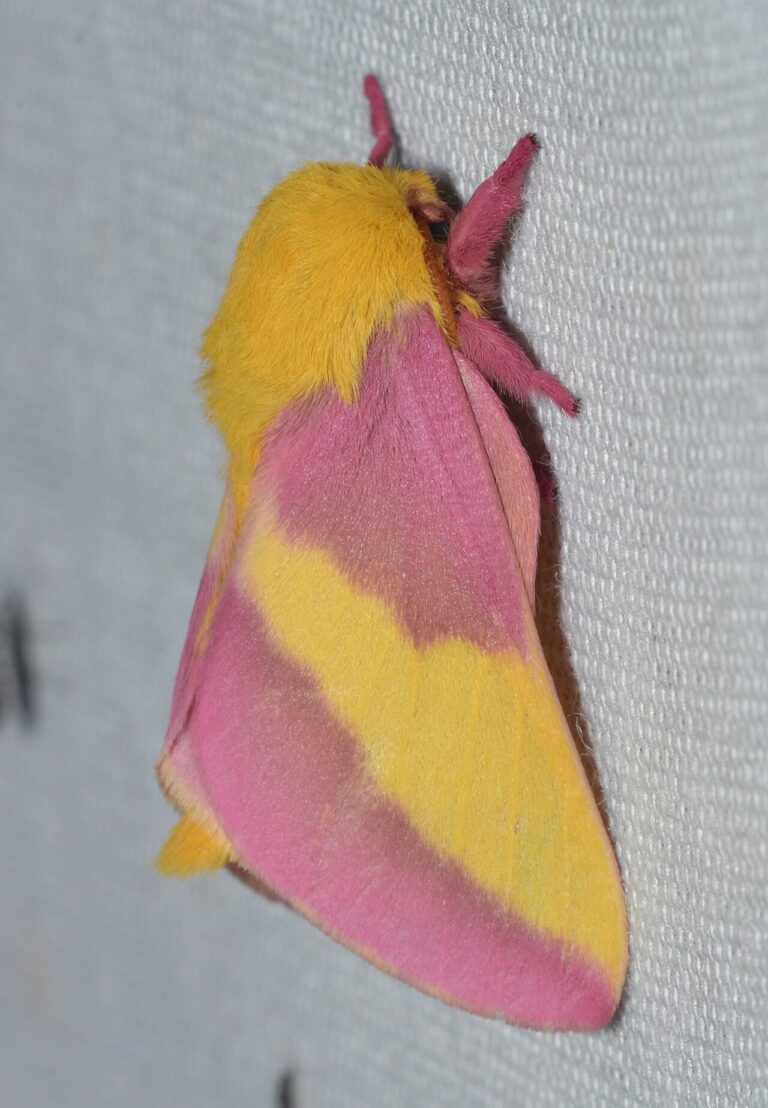
No bee in North America is naturally pink. These seven insects account for almost every pink bee sighting, with the feature that settles each one.

No true fly in North America is pink. Here are the eight pink flying insects people actually see, with size, range and the marks that tell them apart.

Seeing a spider is traditionally read as a sign to keep building what you started. Here is what each sighting means, tradition by tradition.
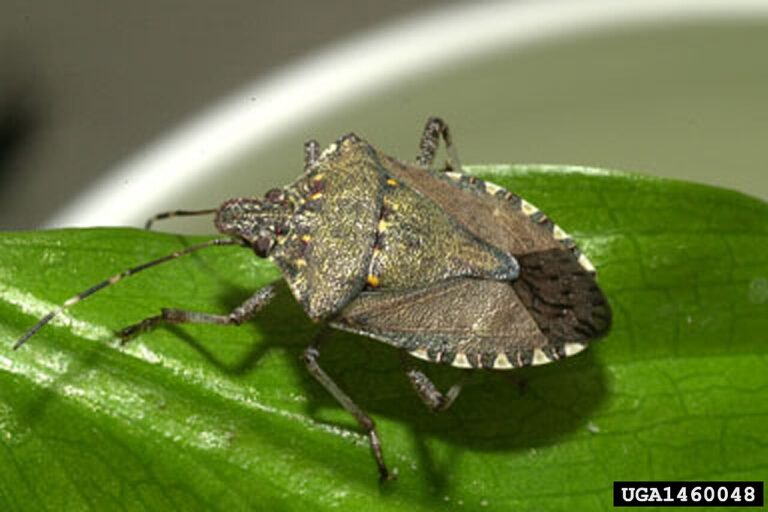
Stink bugs are read as symbols of protection, boundaries and seasonal change. Here is what each tradition actually says, and which readings are modern inventions.
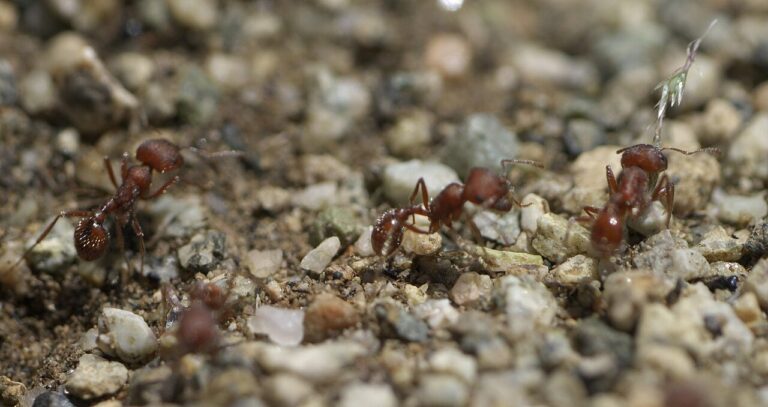
Ant bites look like small red welts in clusters, and fire ant stings cap with a white pustule after a day. Here is how to tell the species apart, what gets mistaken for them and when to worry.

Eight insects are routinely mistaken for stink bugs. Seven are harmless, one can carry Chagas disease. Use the shoulders, legs, and head to tell them apart.

Carpenter ant frass is wood shavings mixed with ant body parts, and it means an active nest within a few feet. How to read it and how to act.
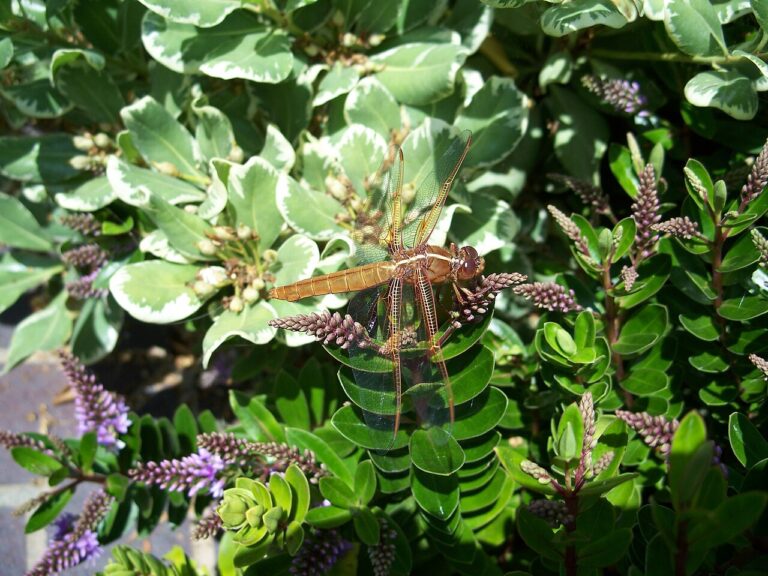
Red dragonflies cannot sting or bite. Identify the flame skimmer, neon skimmer, and three red meadowhawks, and see what a red dragonfly landing on you means.
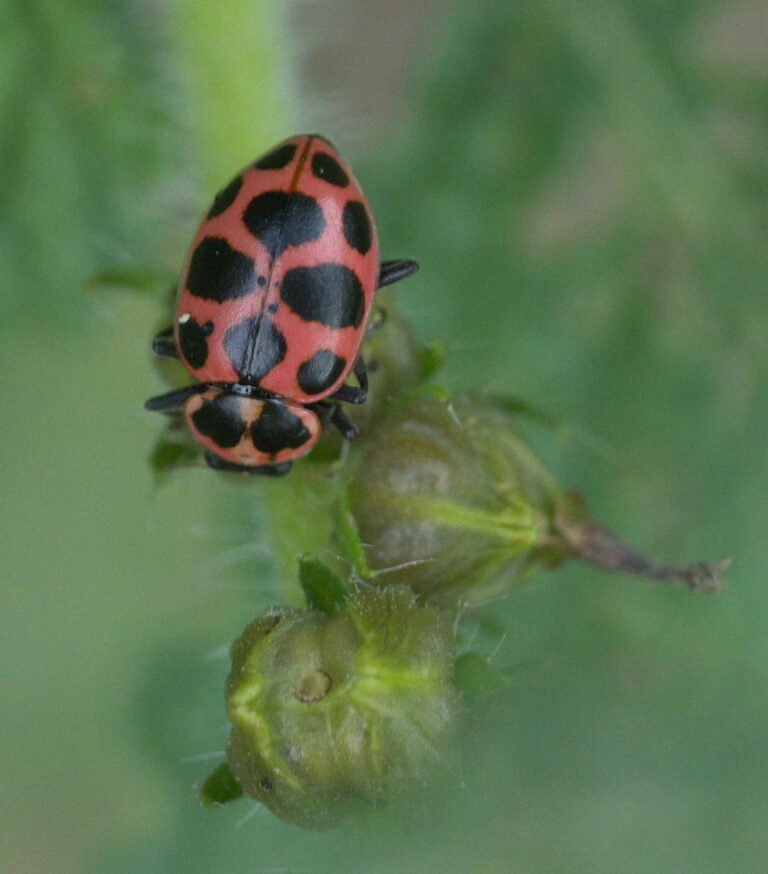
Pink ladybugs are real, and the spotted pink lady beetle is common across the eastern US. Identify the six pink species by size, spots and range, and find out whether they bite.