Japanese Beetle vs Ladybug: How to Tell Pest From Ally
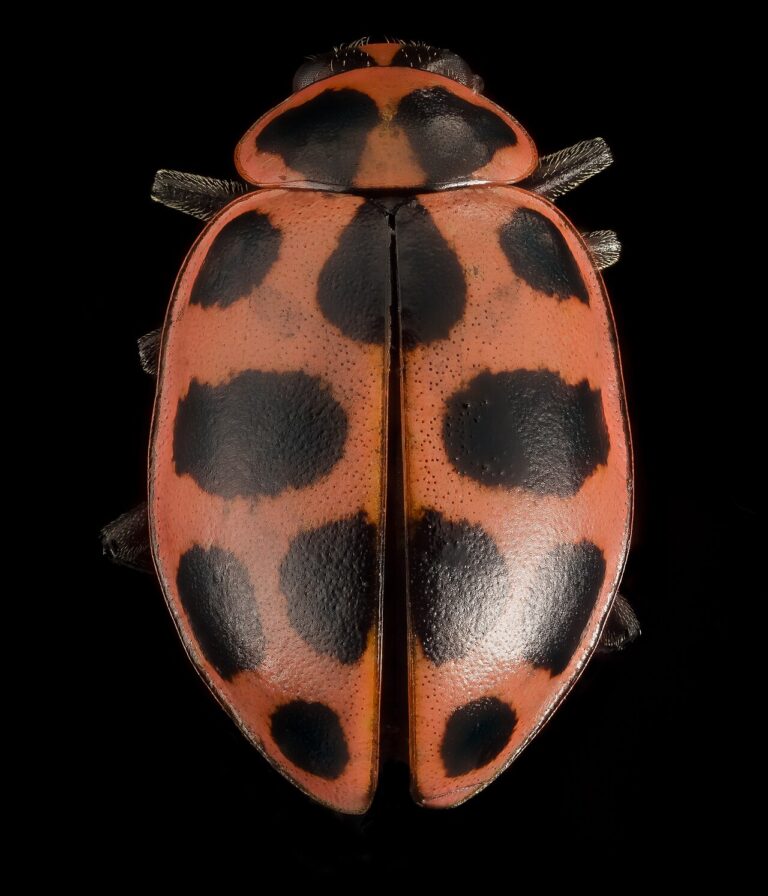
Japanese beetles have metallic copper-green coloring and white hair tufts; ladybugs have solid colors with black spots. Identify both and why it matters.
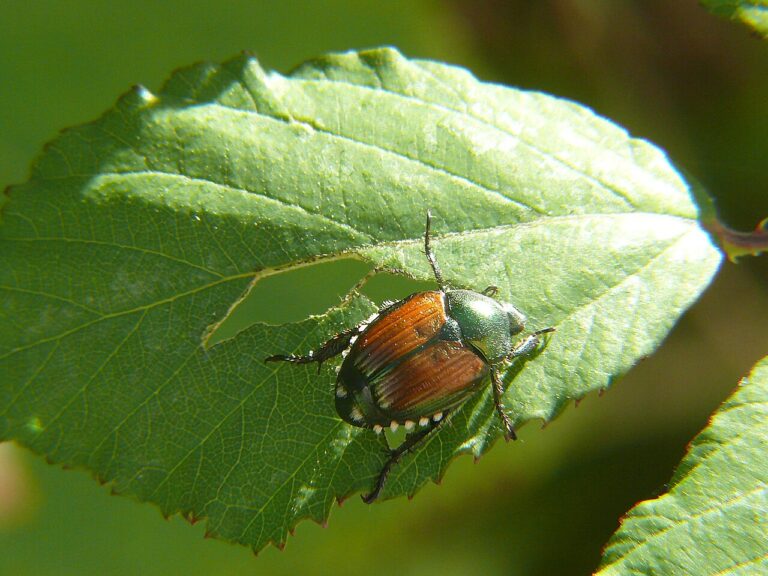
Japanese beetles have metallic copper-green coloring and white hair tufts; ladybugs have solid colors with black spots. Identify both and why it matters.
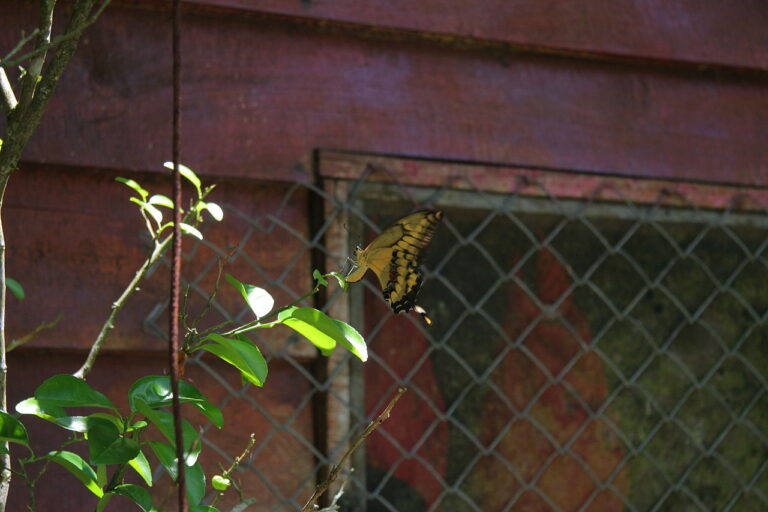
The giant swallowtail is North America’s largest butterfly, identified by its yellow X-mark hindwing pattern. Its orange dog caterpillar, host plants, and range.
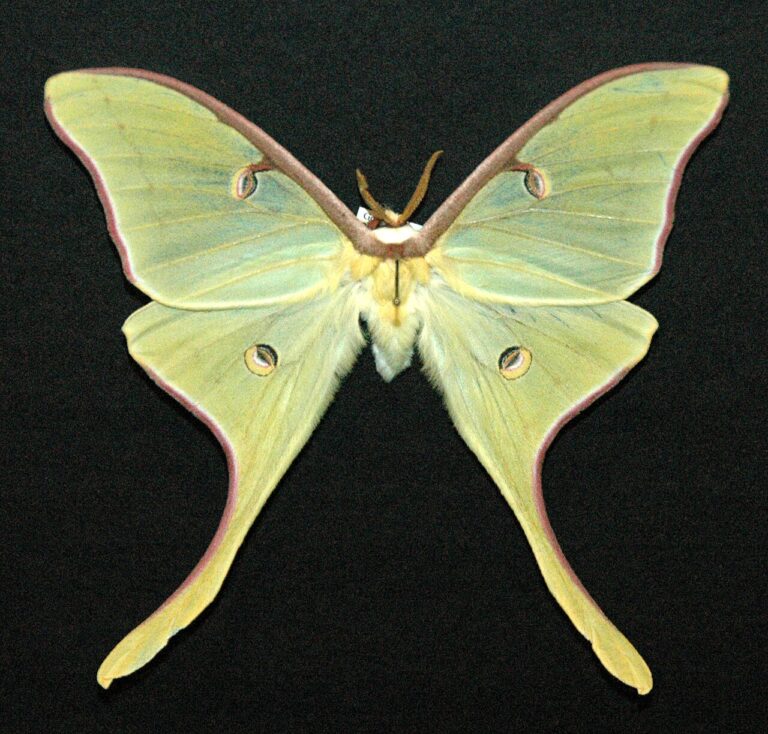
The moth tattoo means instinct and transformation pursued despite risk, drawn from its real attraction to light. Full symbolism including luna and death’s-head moths.
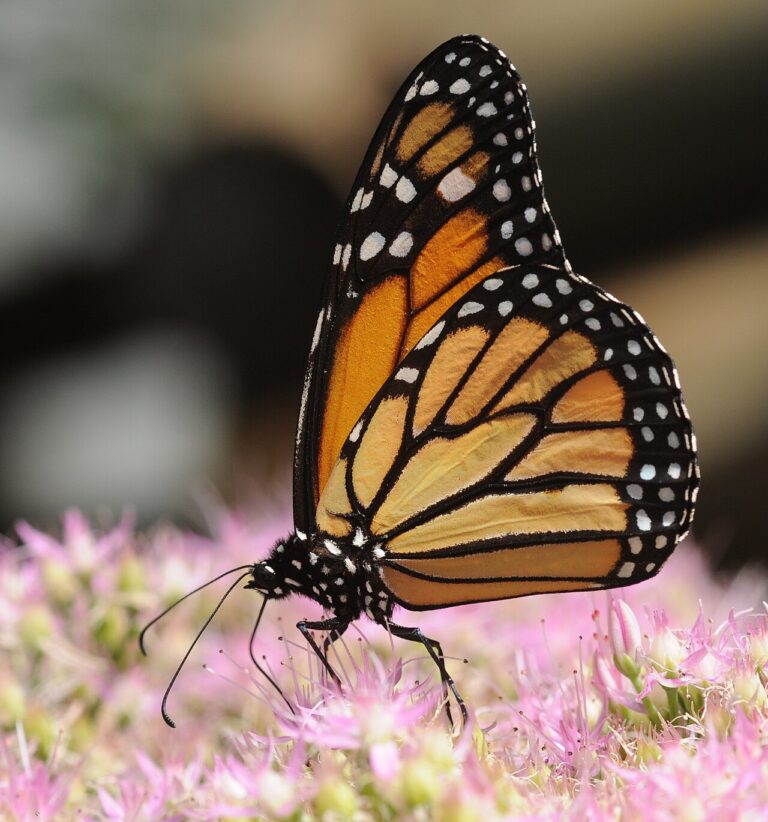
An orange and black butterfly is usually the monarch, but the viceroy mimics it closely. Identify both plus the queen and Gulf fritillary, and why the mimicry exists.

Swallowtail butterflies are named for their tail-like wing extensions. Identify the tiger, giant, black, zebra, pipevine, and spicebush species by pattern and host plant.
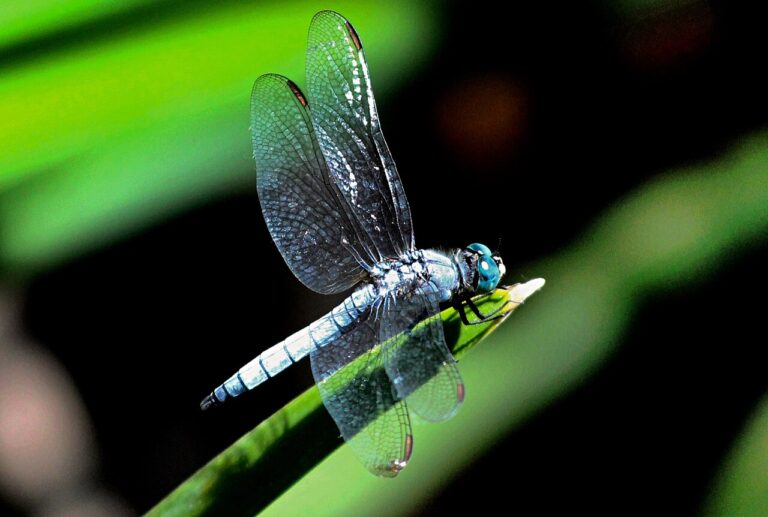
Dragonfly tattoo meaning centers on transformation, drawn from the insect’s life cycle. Native American, Japanese, and modern symbolism explained in full.
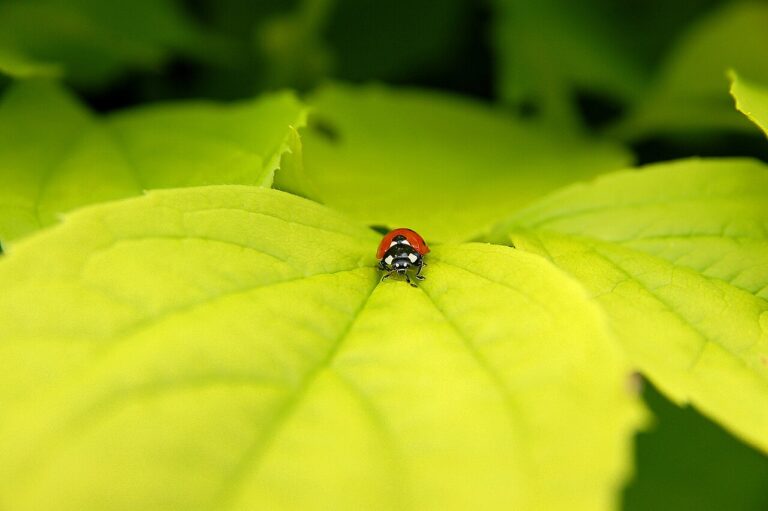
A brown ladybug is usually a faded seven-spotted ladybug, a newly emerged adult, or a genuinely brown species. Identification and the stink bug and carpet beetle lookalikes.
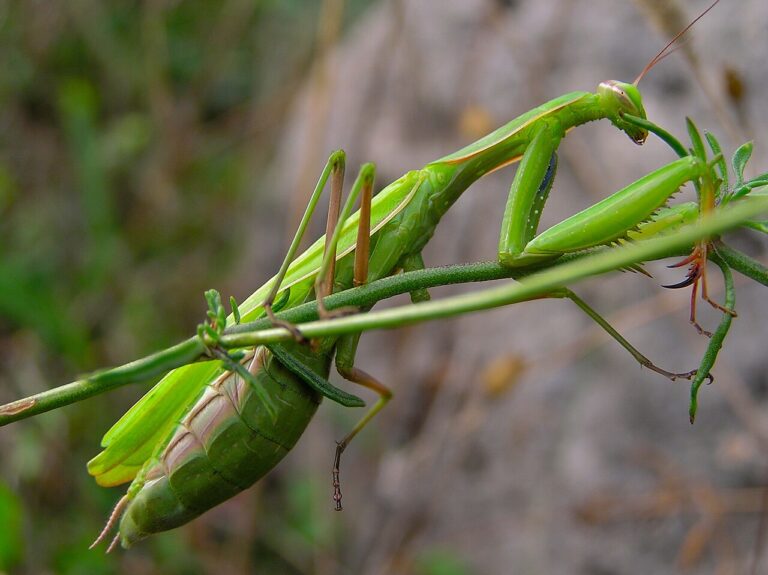
Female praying mantises are larger than males and occasionally eat their mates, but the real biology is more nuanced. Identification, cannibalism, and egg-laying explained.
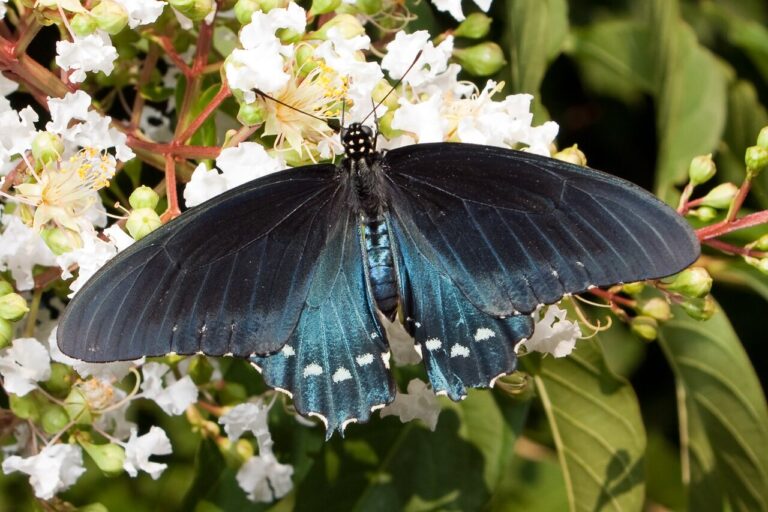
A black and blue butterfly is usually the toxic pipevine swallowtail, whose pattern several harmless species mimic for protection. Identification and the mimicry system.
A green ladybug is almost always a tortoise beetle or other leaf beetle, not a true ladybug. Identification, the flattened-edge check, and beneficial vs pest.