Hawk Moth: Identification, Hornworms, and Behavior
Hawk moths hover at flowers like hummingbirds and begin life as hornworms. Here is how to identify them, what they pollinate, and how to bring them to your yard.
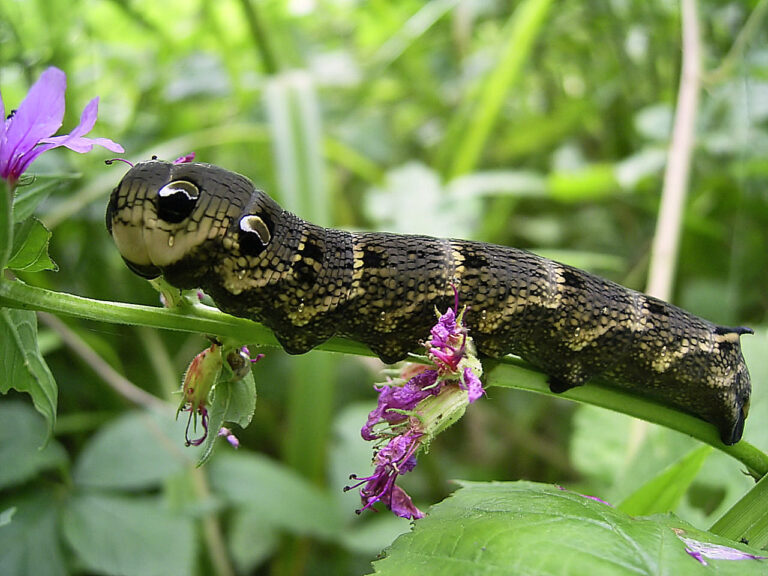
Hawk moths hover at flowers like hummingbirds and begin life as hornworms. Here is how to identify them, what they pollinate, and how to bring them to your yard.
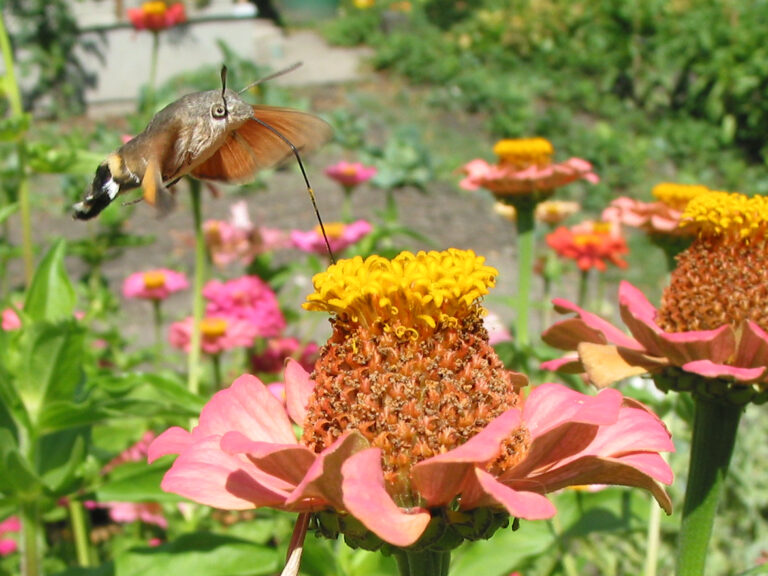
Adult moths drink nectar and sap, and some never eat at all. Here is what moths eat at every stage, which fabrics larvae damage, and what pantry moths target.
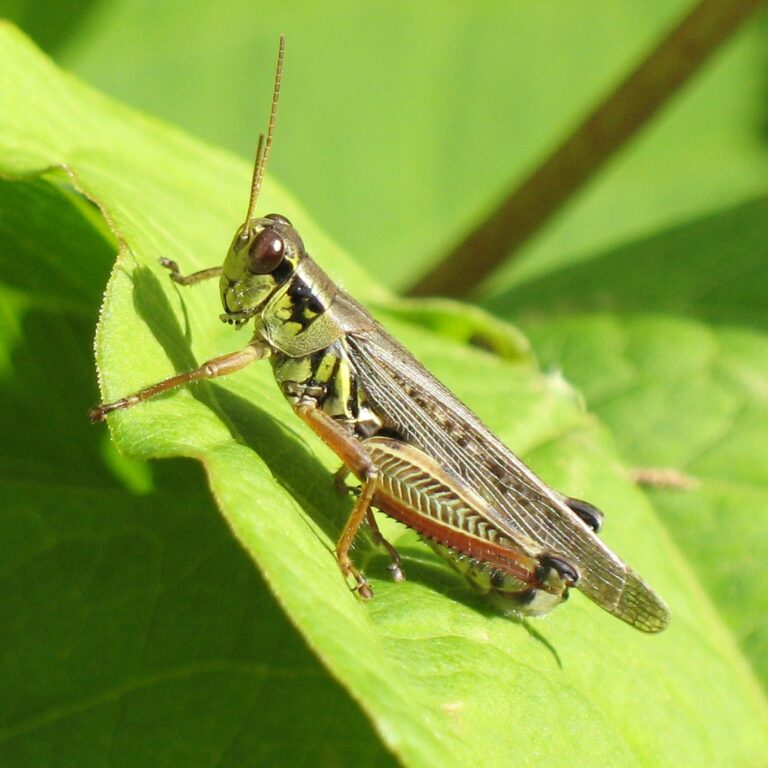
Grasshoppers eat grasses, garden crops and tender leaves, plus the occasional dead insect. Here is what grasshoppers eat, what they drink, and what eats them.
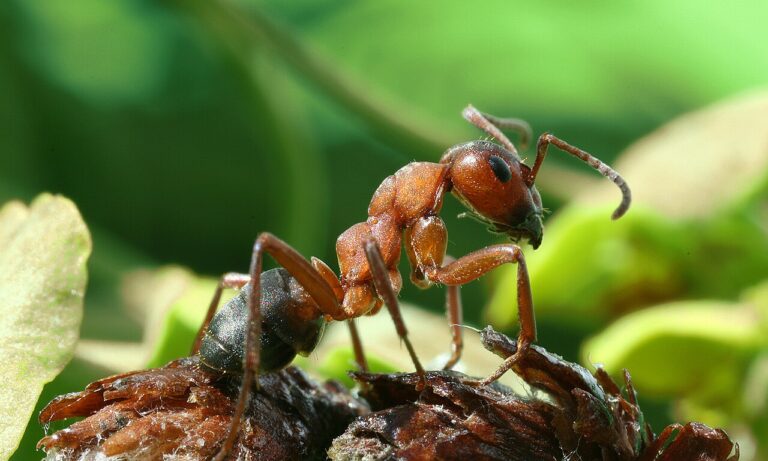
Ants eat sugars, insects, seeds and honeydew, but the mix shifts by species and season. Here is what ants eat, what queens and larvae eat, and why they raid kitchens.
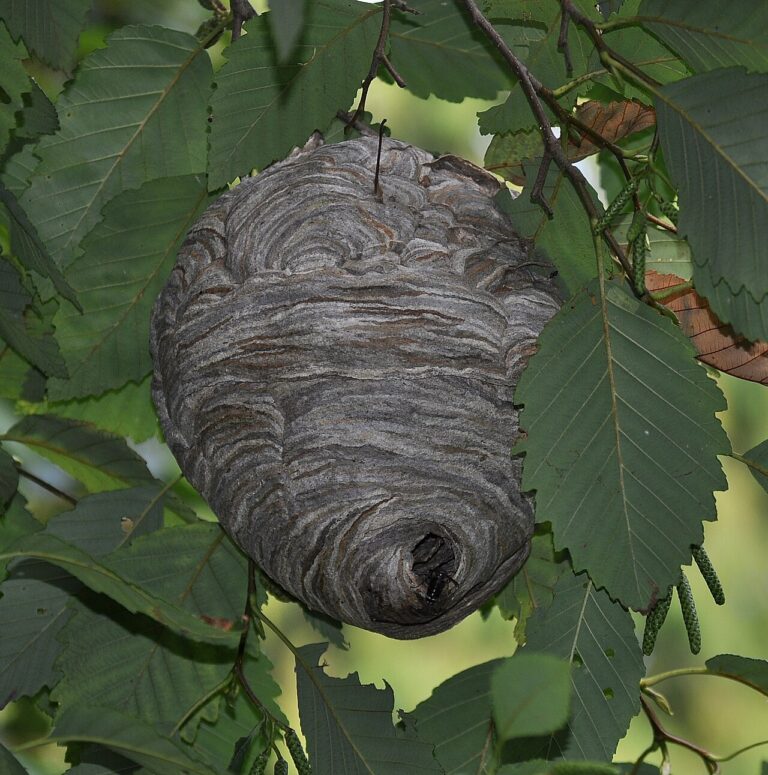
Enclosed grey ball means hornet, open umbrella of cells means paper wasp, mud tubes mean a harmless solitary wasp. Here is how to read every nest type.
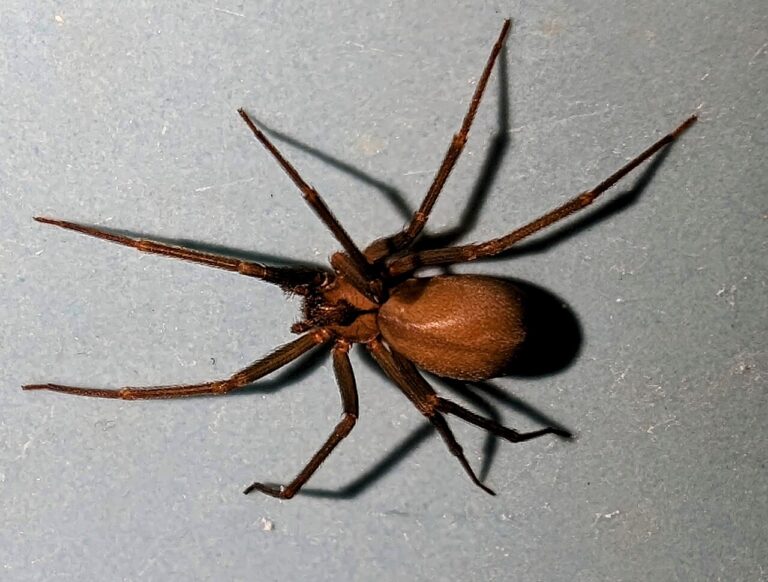
Recluses have six eyes, wolf spiders eight. Here is every reliable difference, why the violin marking is overtrusted, and where recluses actually live.
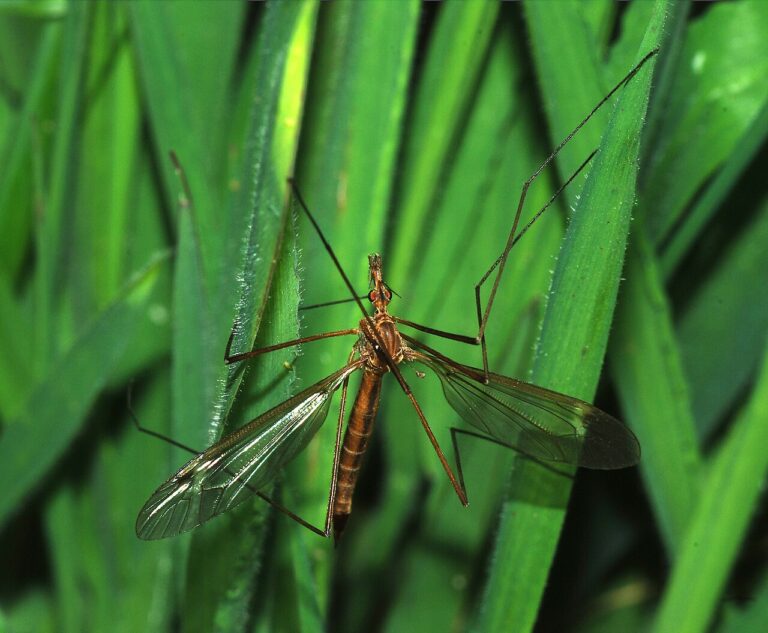
Crane flies are called mosquito hawks and eat no mosquitoes at all. Here is what they actually are, plus the larvae that do damage lawns.
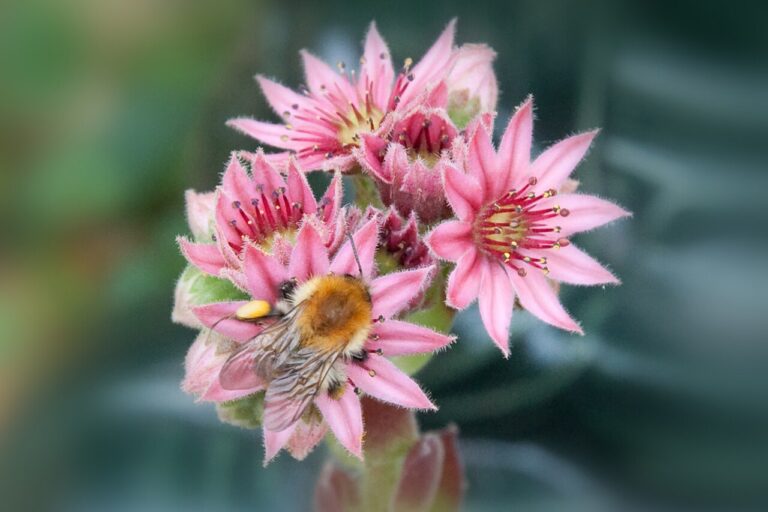
Most ground bees are harmless solitary pollinators that leave within weeks. Here is how to tell them from yellowjackets and what actually works.
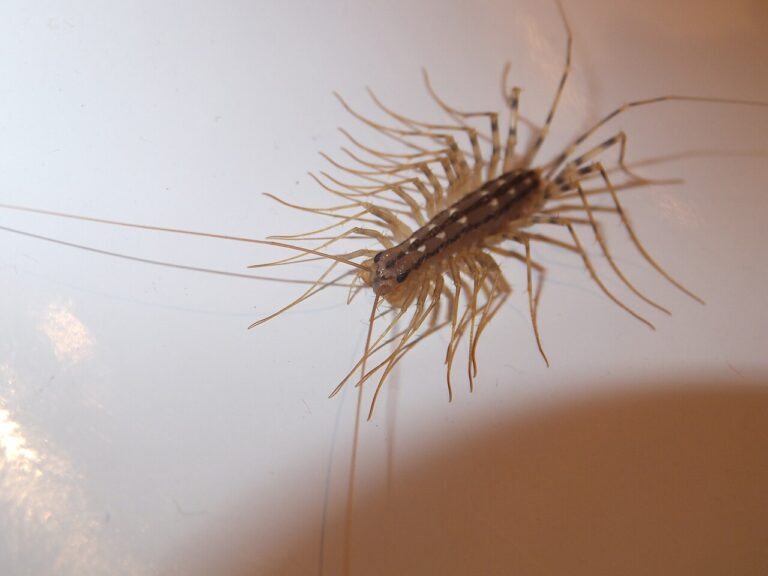
Baby centipedes hatch with four pairs of legs and add more with each molt. Here is what they look like, what they eat, and what finding them means.
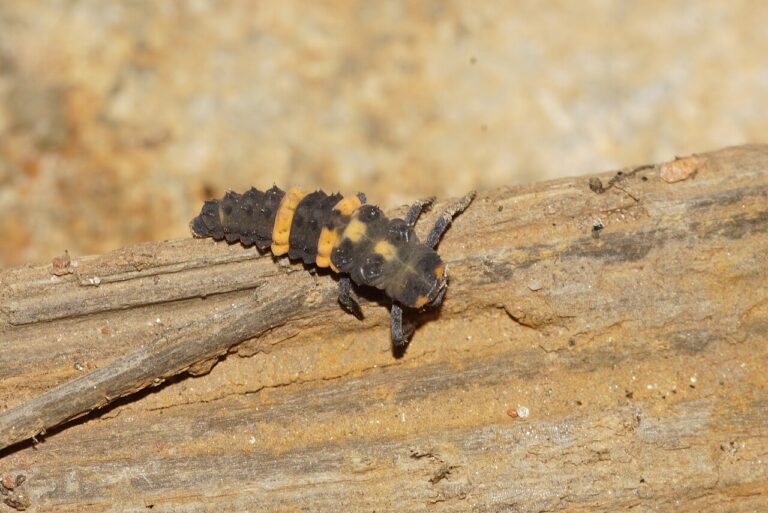
Ladybug larvae look like tiny alligators and eat hundreds of aphids each. Here is how to identify them and tell them from potato beetle larvae.