Baby Praying Mantis: Nymphs, Egg Cases, and Raising Them
Up to 400 mantis nymphs hatch from one foam egg case and start eating each other within hours. Here is what to know and what to do with an ootheca.
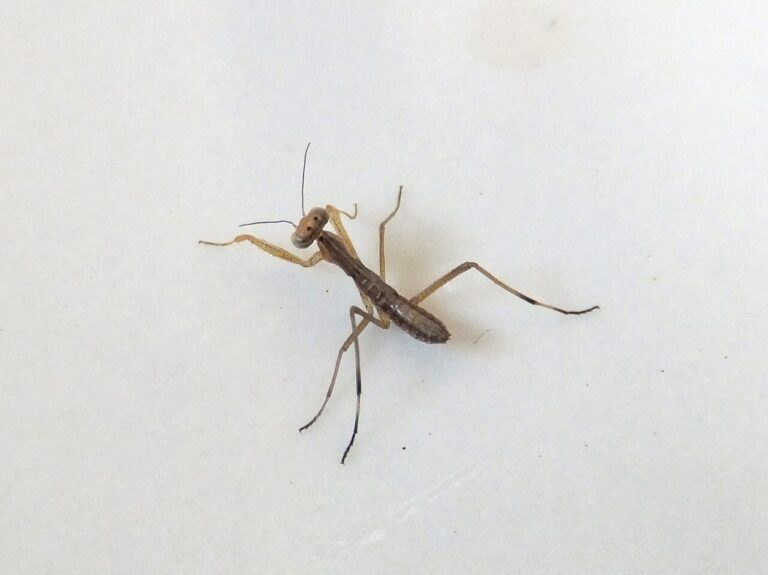
Up to 400 mantis nymphs hatch from one foam egg case and start eating each other within hours. Here is what to know and what to do with an ootheca.
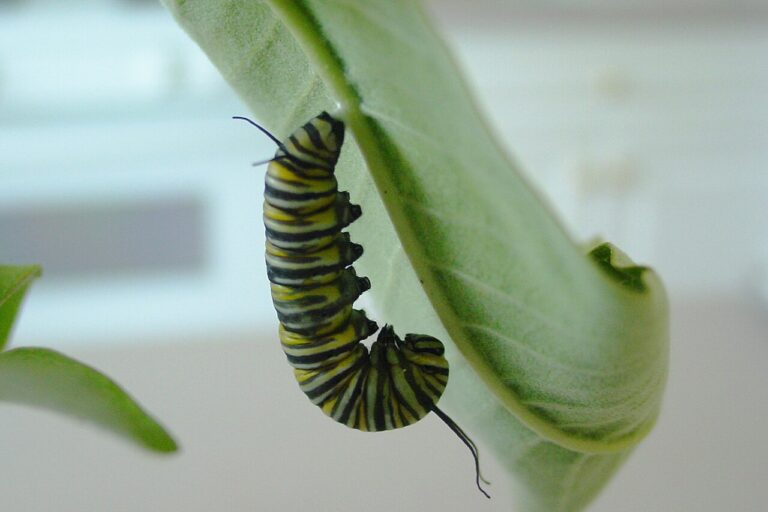
Monarch caterpillars eat only milkweed and cut trenches to drain its latex. Here is how to identify them and why tropical milkweed causes harm.
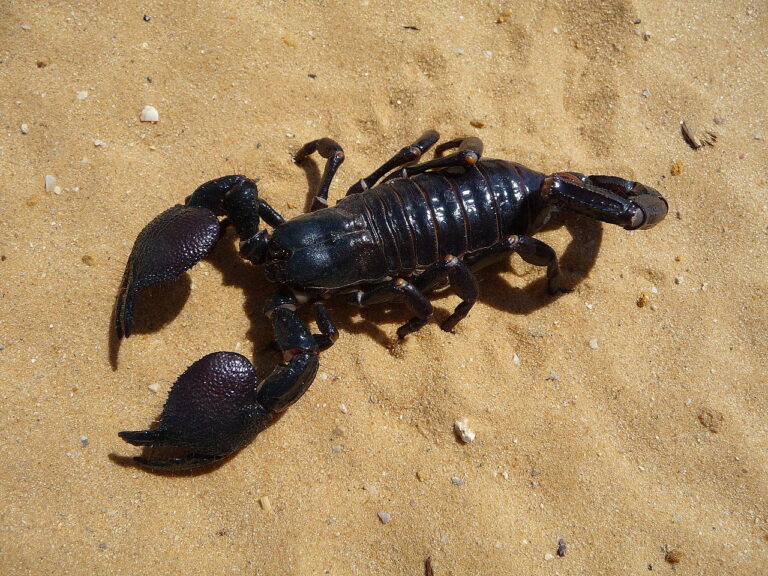
Scorpions eat live arthropods and can survive a year without a meal. Here is how they hunt without seeing, the two-stage venom, and what to feed a pet.
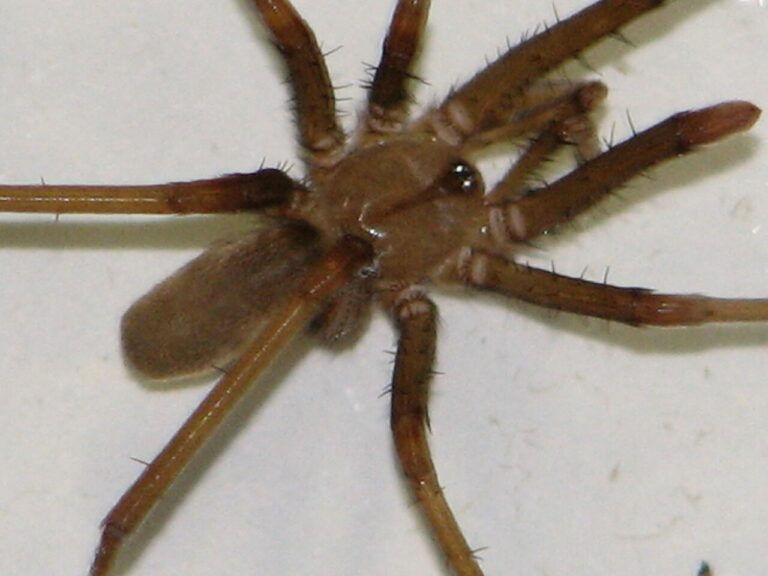
Male southern house spiders are mistaken for brown recluses constantly. Here is how to tell them apart and why this harmless spider is worth keeping.
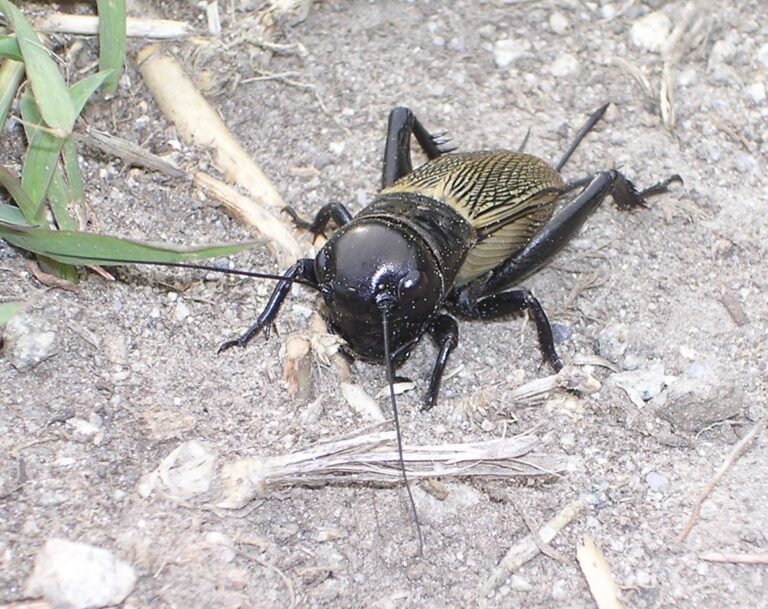
Antennae length settles it instantly. Here is how crickets and grasshoppers differ in sound, hearing, diet and behavior, plus where katydids and locusts fit.
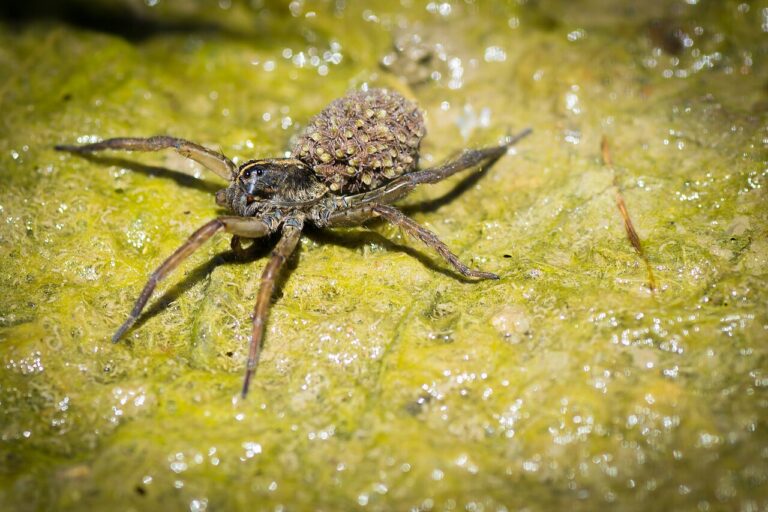
Wolf spider mothers carry their egg sac on their spinnerets and then their young on their backs. Here is what spiderlings look like and what to do indoors.
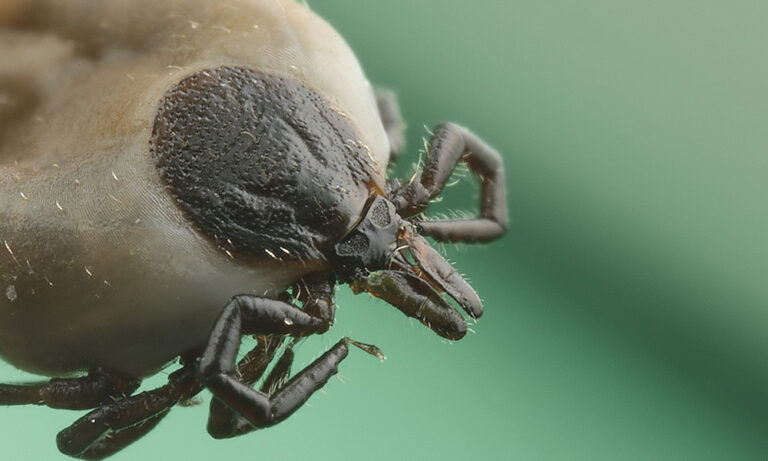
Ticks have eight legs and attach for days, bed bugs have six and feed in minutes. Here is how to tell them apart and why the risks differ so much.
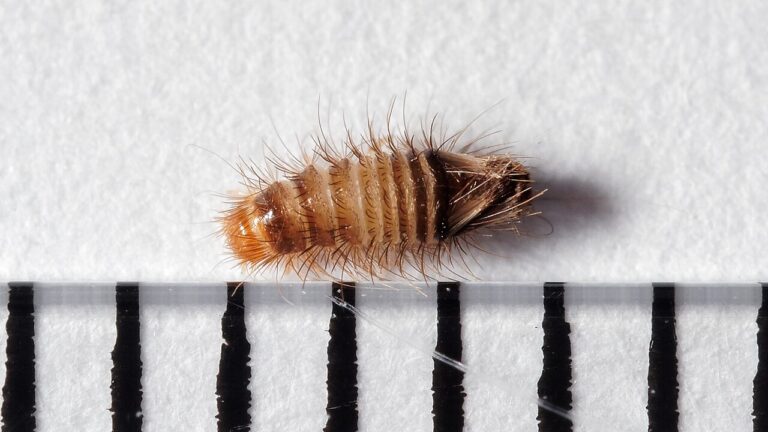
Carpet beetles cannot bite. The rash is an allergic reaction to larval bristles, which is why it returns until you find the source.
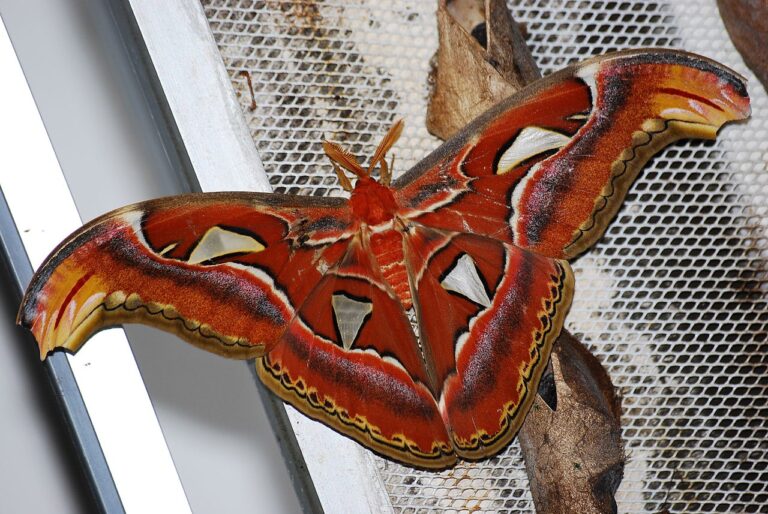
The largest moths span up to 12 inches, and most cannot eat at all as adults. Here are the record holders, the North American giants and what you found.
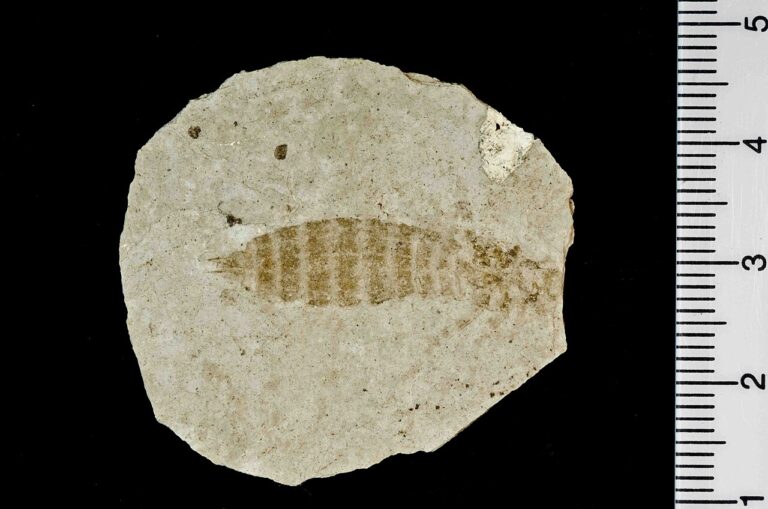
A baby dragonfly is an underwater predator with a harpoon jaw and jet propulsion. Here is what nymphs eat, how long they stay submerged, and how they emerge.