White Peacock Butterfly: ID, Range, and Host Plants
A chalky white butterfly of Florida and the tropics with scalloped edges and small eyespots. Why it is not a peacock butterfly, and the lawn plant that brings it in.
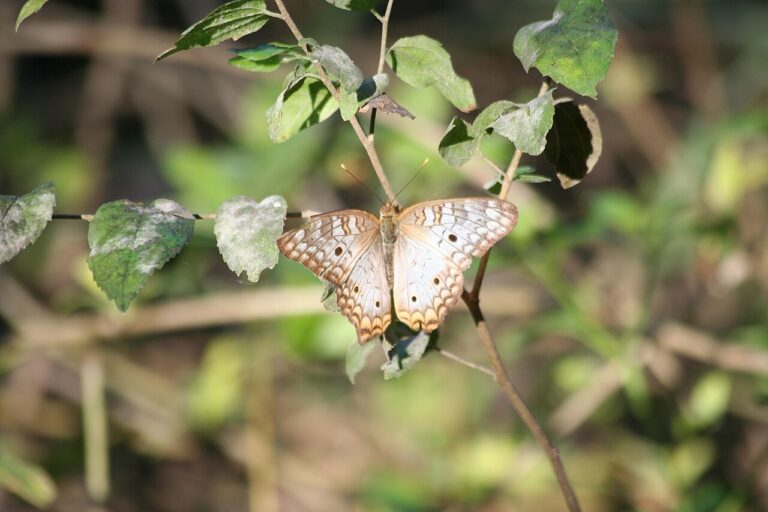
A chalky white butterfly of Florida and the tropics with scalloped edges and small eyespots. Why it is not a peacock butterfly, and the lawn plant that brings it in.
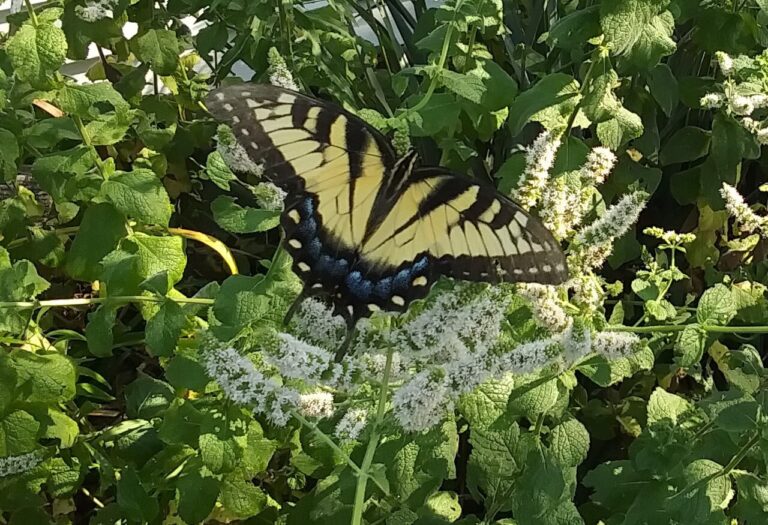
A large yellow butterfly with four black stripes, but some females are entirely black. Why the dark form exists, what the caterpillars eat, and how to attract them.
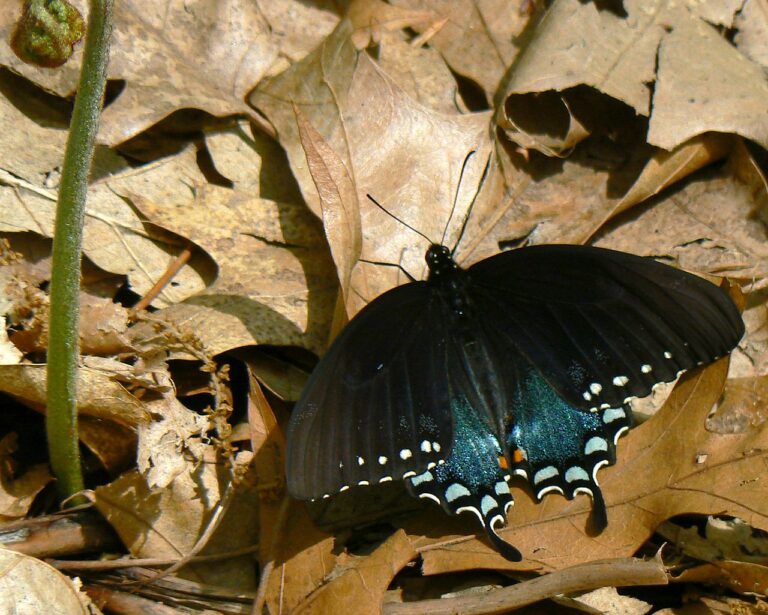
A large black swallowtail with a blue-green sheen whose caterpillar mimics a snake. Host plants, why the adult is black, and how to tell it from similar species.
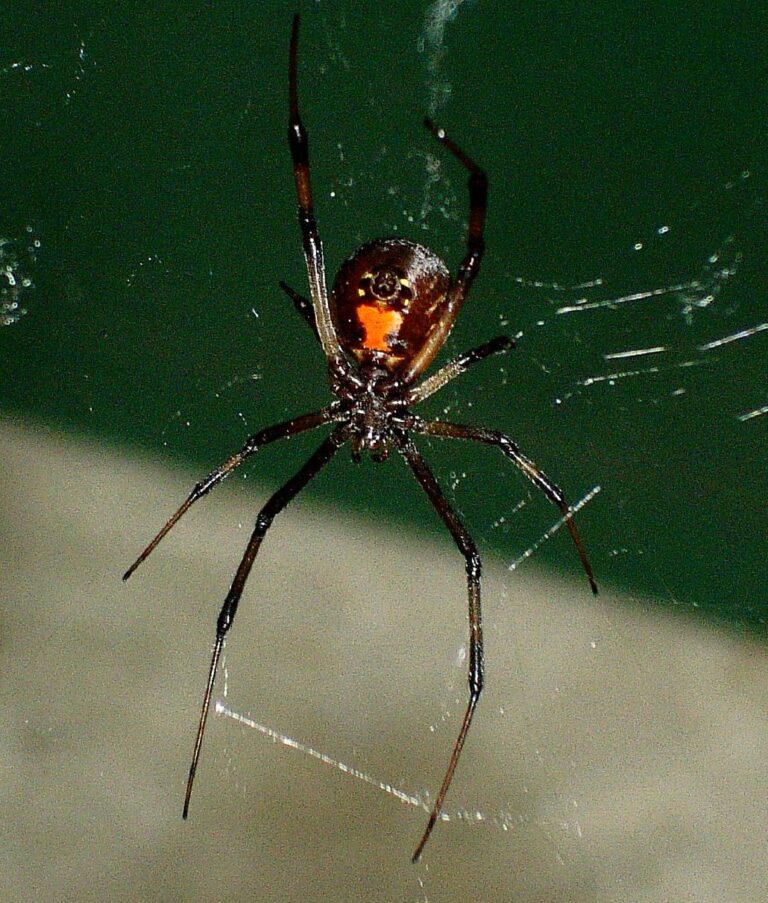
Depends on location: remove it from active spaces, leave it in undisturbed corners. What the real bite risk is and how to handle an encounter safely.
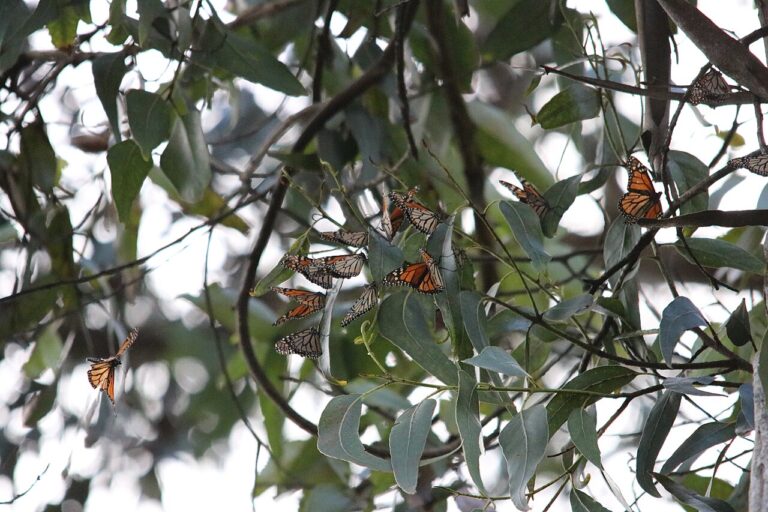
Summer monarchs live weeks, the migratory generation lives eight to nine months. Why diapause changes everything, how long each stage takes, and what shortens their lives.
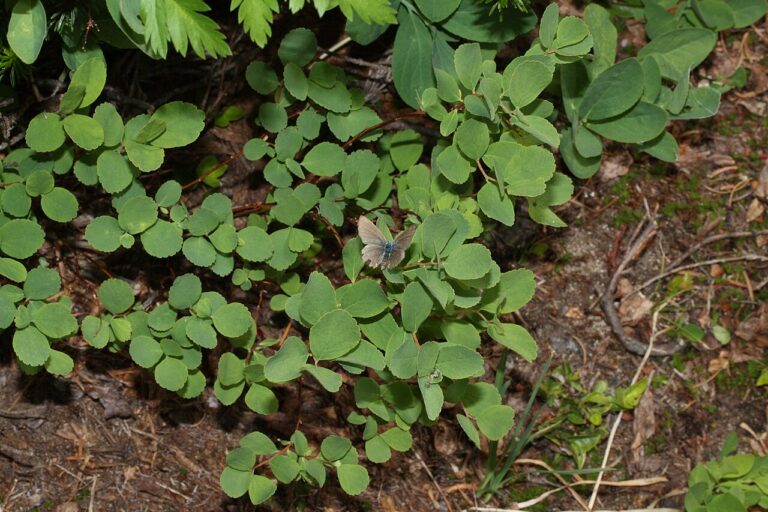
The Xerces blue vanished from San Francisco’s dunes in the 1940s. What it looked like, why it died out, what its genome showed in 2021, and whether it could return.
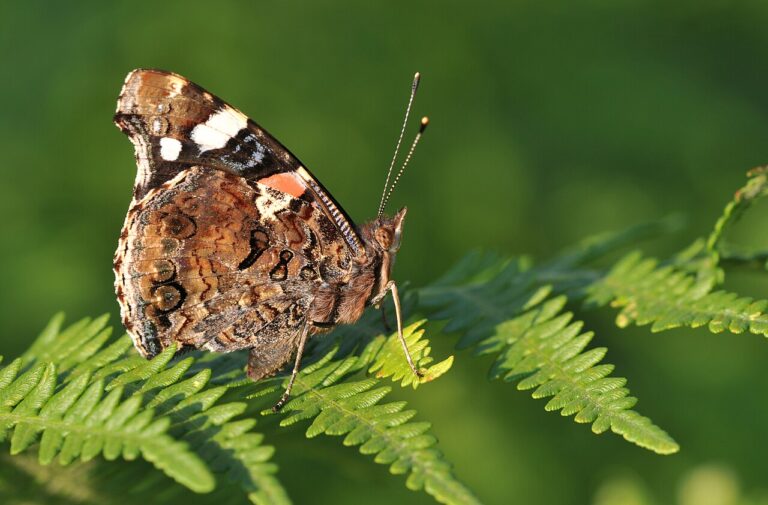
The red admiral is black with bright orange-red bands and unusually bold with people. Host plants, why numbers swing so much between years, and how to attract them.
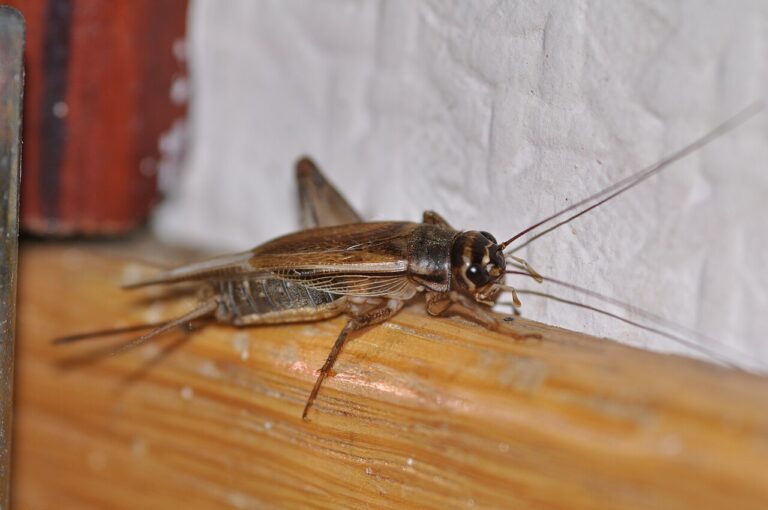
Cricket droppings are dark cylindrical pellets 1 to 2 mm long. How to tell them from mouse, roach and bed bug evidence, the allergy risk, and safe cleanup.
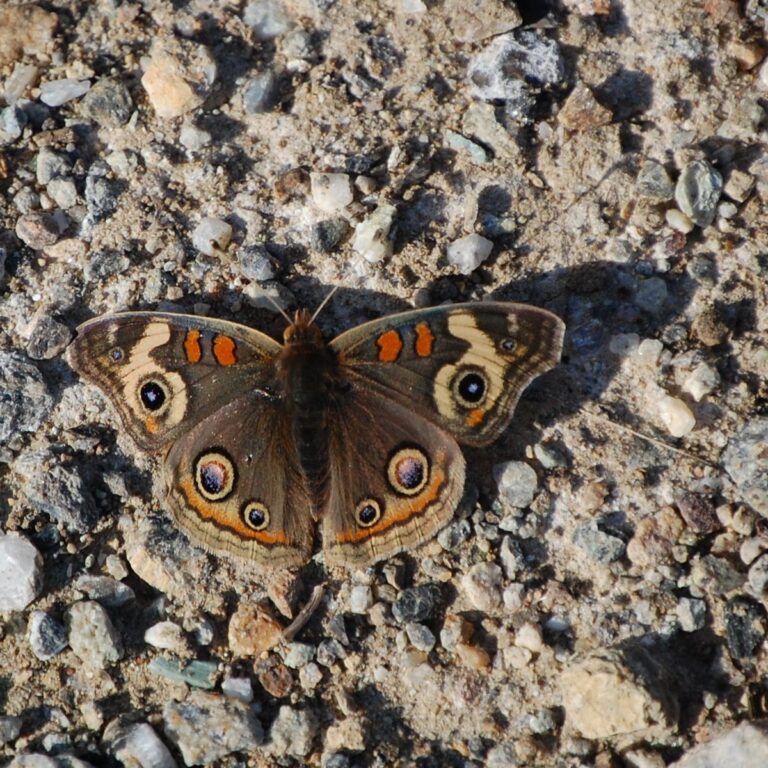
The common buckeye is a brown butterfly with six large eyespots that deflect and startle bird attacks. ID, host plants, why autumn ones turn pink, and how to attract them.
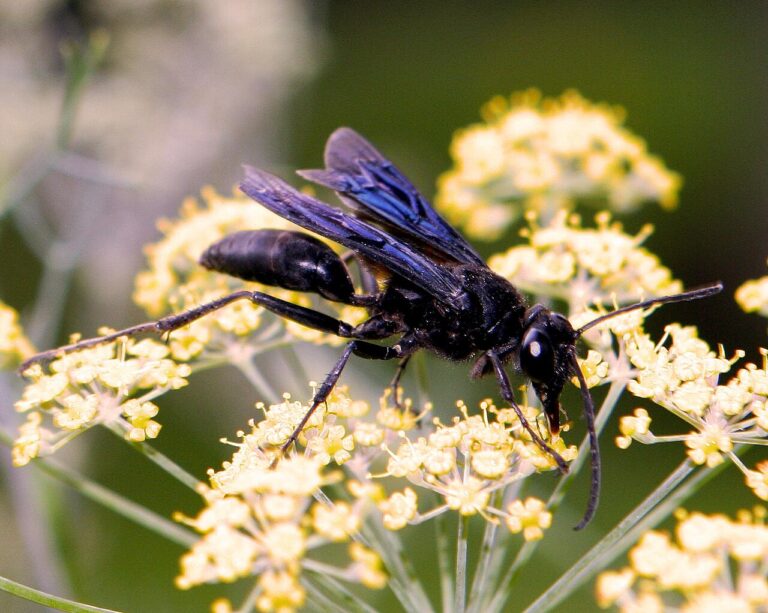
Usually the great black wasp, a large solitary hunter that targets grasshoppers and rarely stings people. What attracts it and why it’s not aggressive.