Baby Earwig: What Nymphs Look Like and What They Mean
A baby earwig is a pale wingless nymph with pincers from hatching. What finding them indoors means, why earwigs guard their young, and why the ear myth is false.
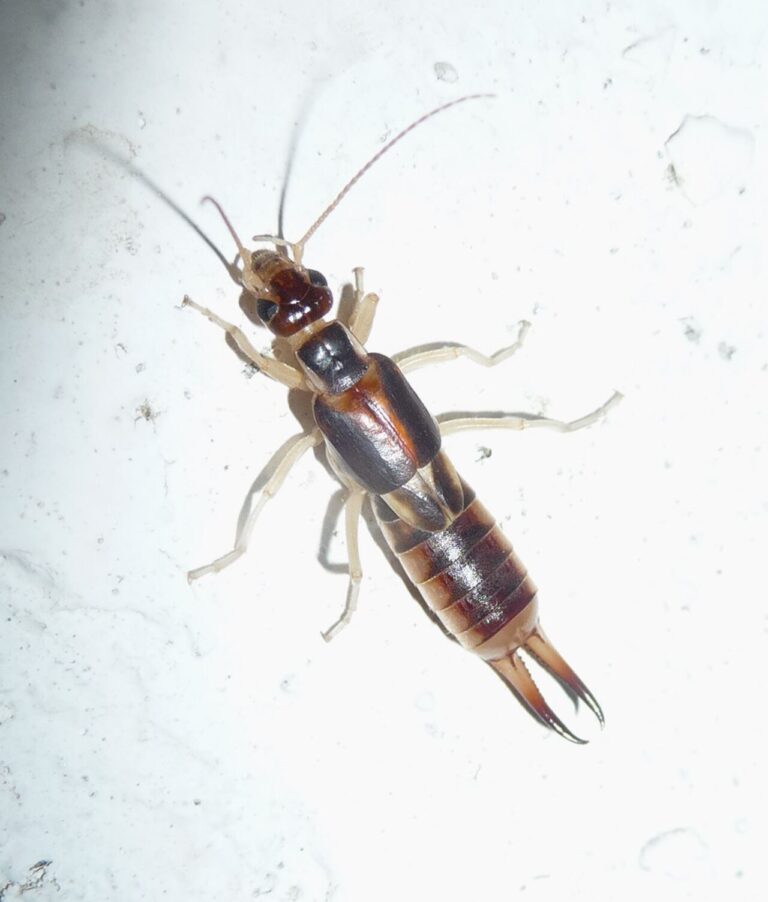
A baby earwig is a pale wingless nymph with pincers from hatching. What finding them indoors means, why earwigs guard their young, and why the ear myth is false.
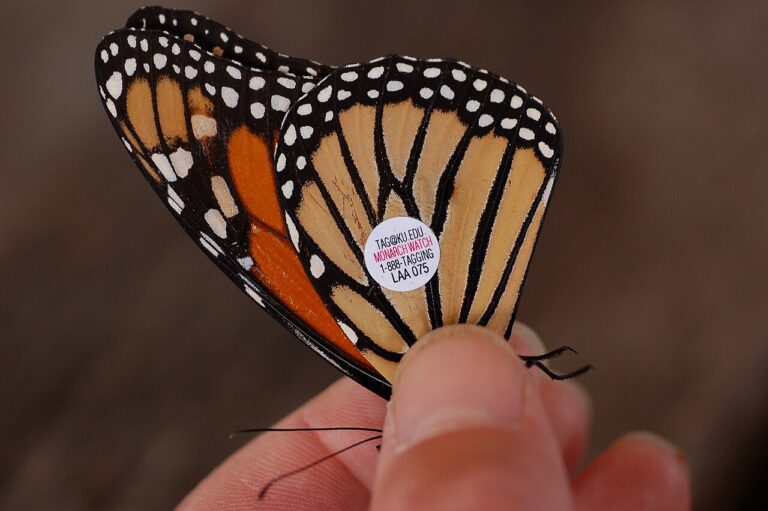
The monarch is the only butterfly making a true two-way migration, up to 3,000 miles. Identification, the milkweed dependency, look-alikes, and what actually helps.
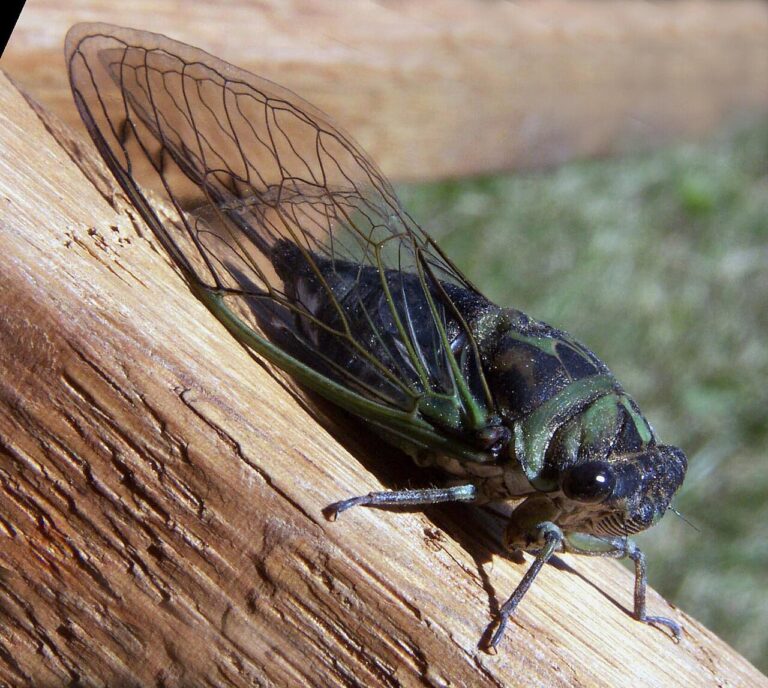
Cicadas sing with ribbed tymbals on the abdomen, not by rubbing legs. What each sound means, how to tell them from katydids, and when the noise finally stops.
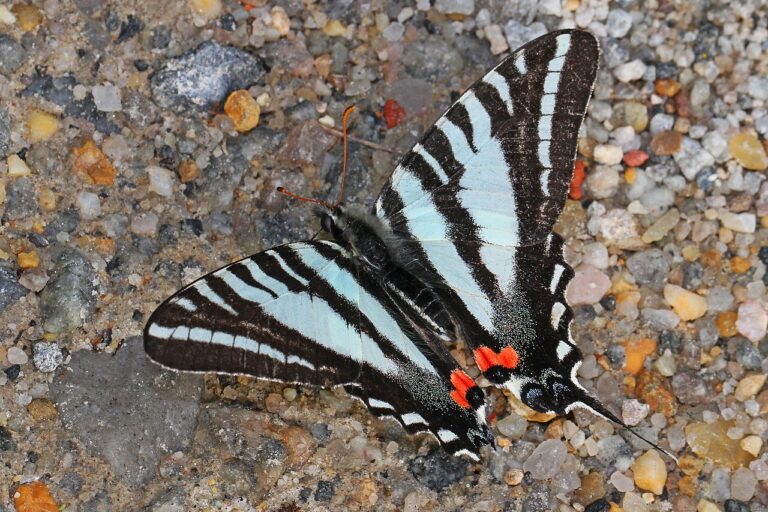
The zebra swallowtail is a striped butterfly with long tails, tied entirely to pawpaw trees. How to identify it, where it lives, and why it is local rather than rare.
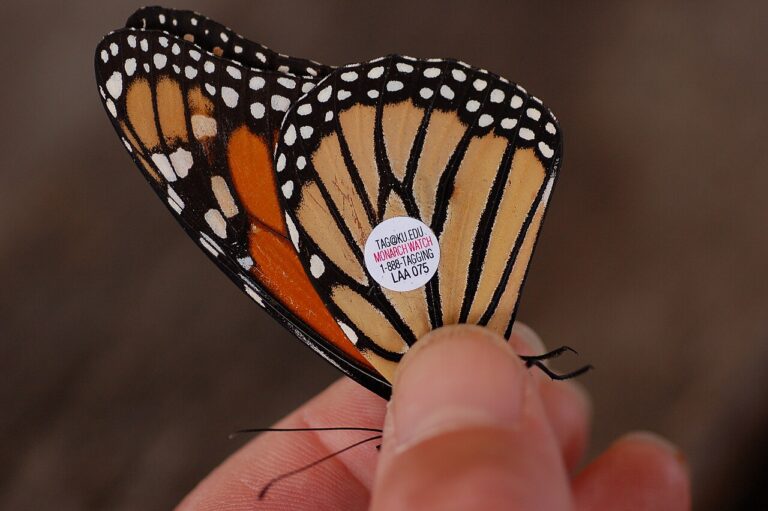
A group of butterflies is called a kaleidoscope or a flutter. What a puddle club is, why monarch roosts hold millions, and what a group of caterpillars is called.
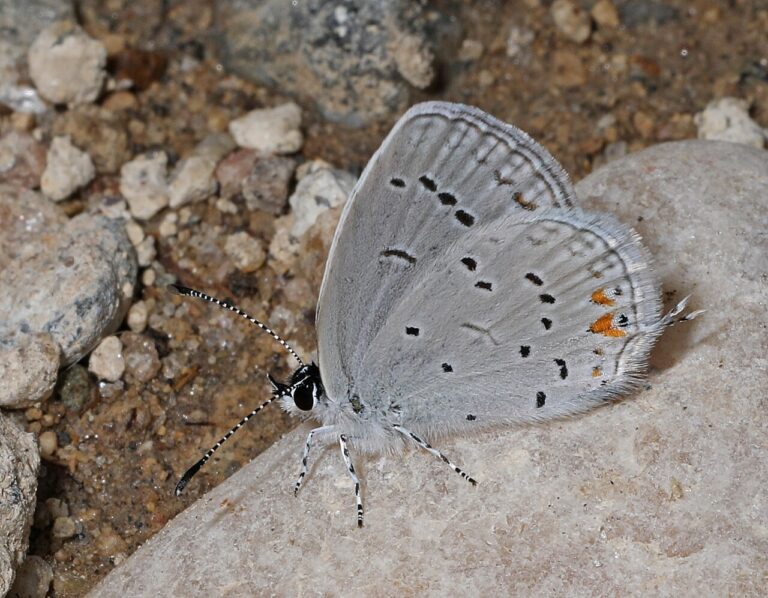
A thumbnail-sized blue butterfly that lives in clover lawns and tricks birds with a false head made of wing tails. Identification, host plants and ant partners.
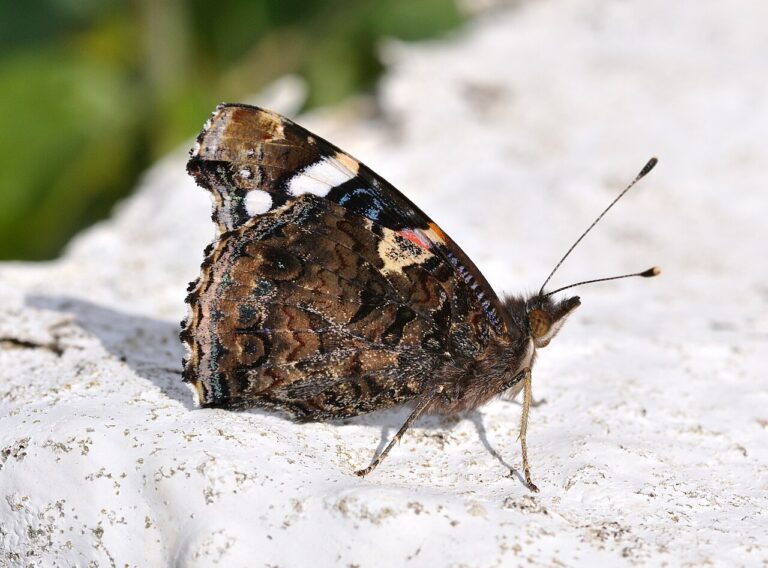
Most red butterflies are really orange. The red admiral comes closest in North America. Which species qualify, why true red is rare, and what a sighting means.

The red-spotted purple mimics the toxic pipevine swallowtail and never visits flowers. Identification, host plants, why it seems rare, and how to attract it.
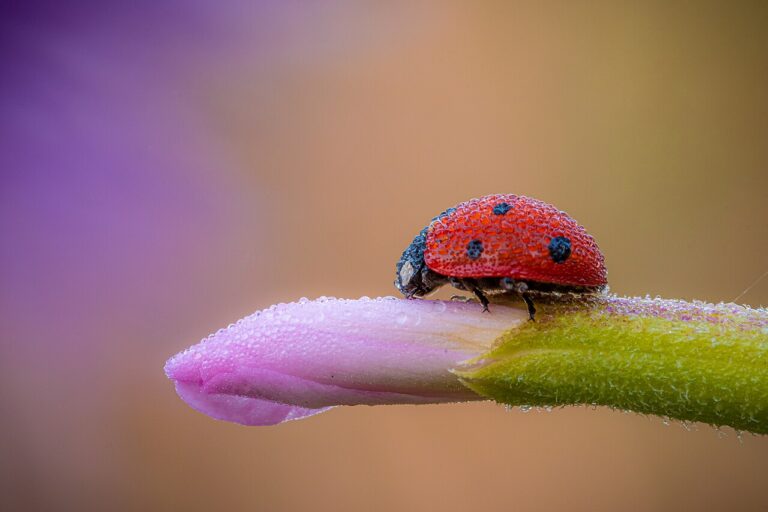
Ladybugs are beetles, not bugs, and the spots mark the species rather than the age. Life cycle, colours, biting, the Asian lady beetle problem and garden value.
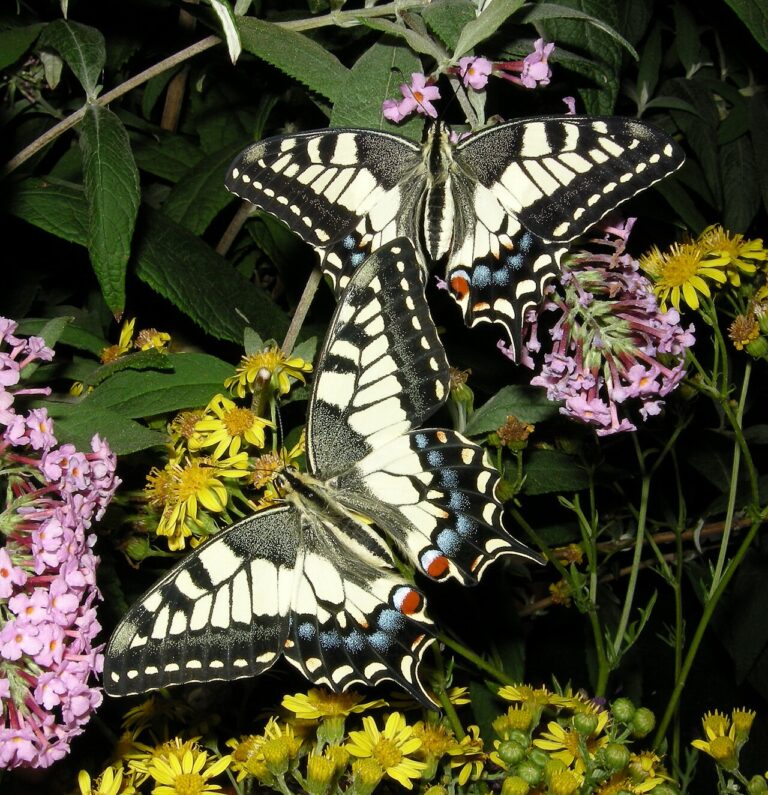
Antennae settle it: butterflies end in a club, moths never do. Every other rule has exceptions. Posture, cocoons, colour, and why butterflies are technically moths.