Baby Centipede: Legs, Development, and What They Mean
Baby centipedes hatch with four pairs of legs and add more with each molt. Here is what they look like, what they eat, and what finding them means.
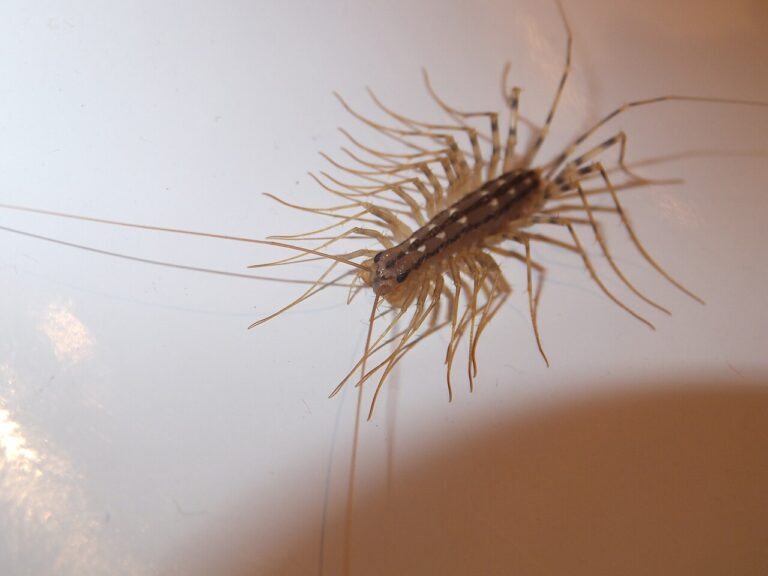
Baby centipedes hatch with four pairs of legs and add more with each molt. Here is what they look like, what they eat, and what finding them means.
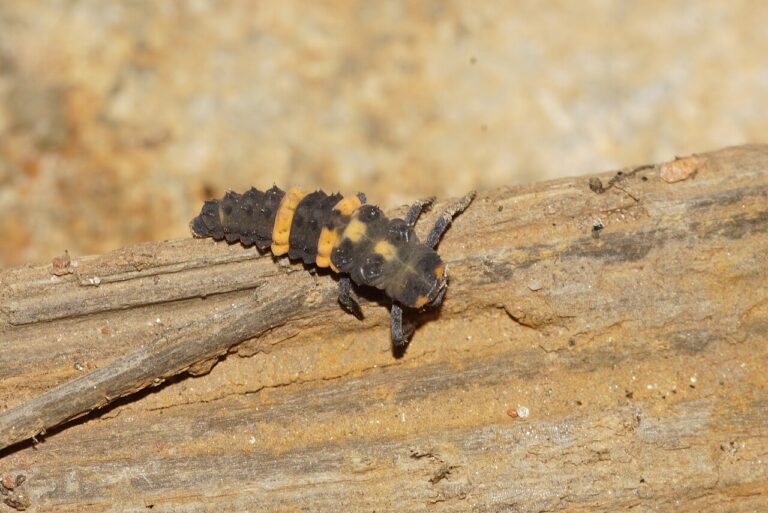
Ladybug larvae look like tiny alligators and eat hundreds of aphids each. Here is how to identify them and tell them from potato beetle larvae.
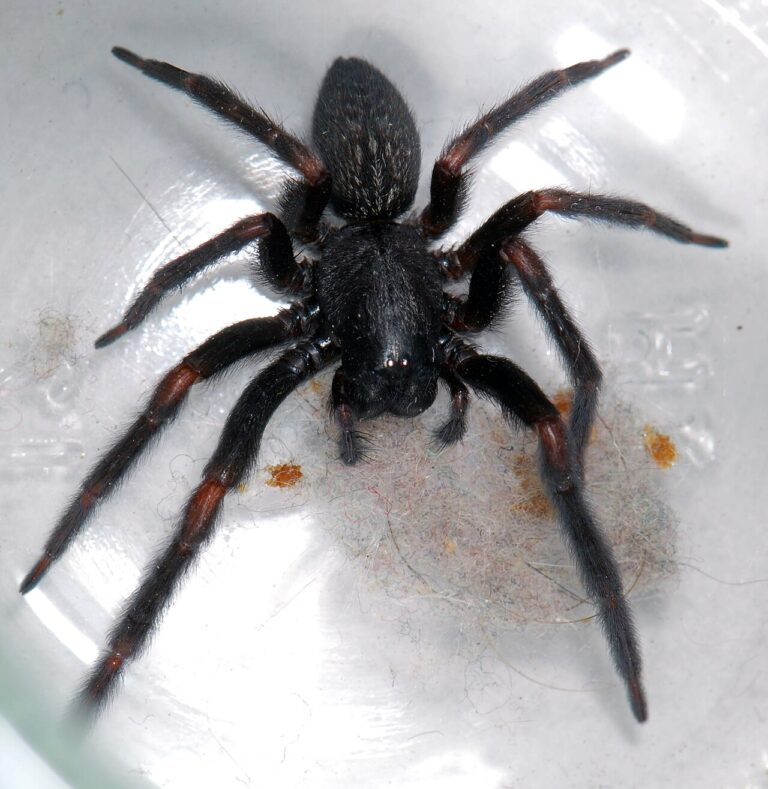
The black house spider is harmless and builds funnel webs in window frames. Here is how to identify it and which dark spiders actually warrant caution.
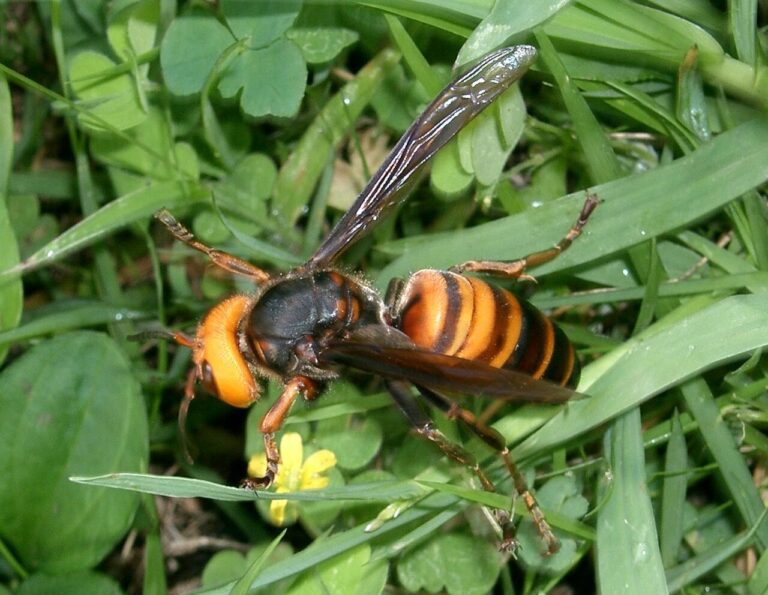
The murder hornet name came from journalists, and the real threat was to honey bees. Here is the biology, the sting, and how the US incursion ended.
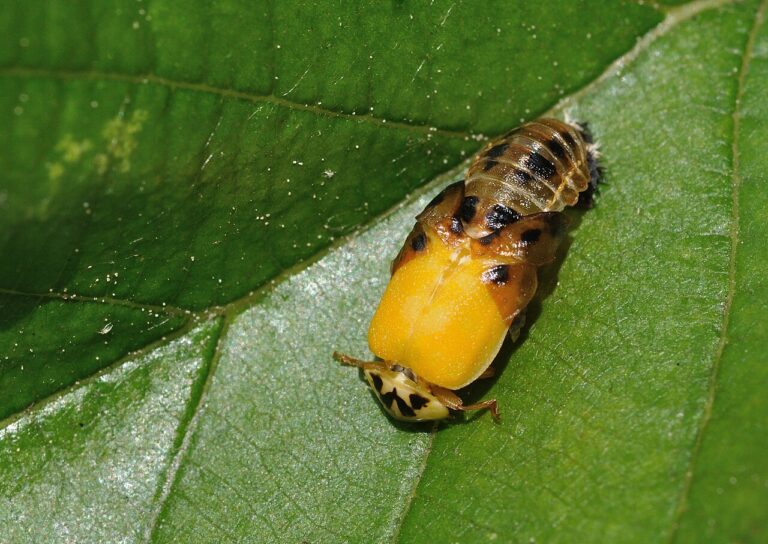
Indoor ladybug swarms are Asian lady beetles seeking winter shelter. Here is what draws them, how to remove them without staining, and when to seal.
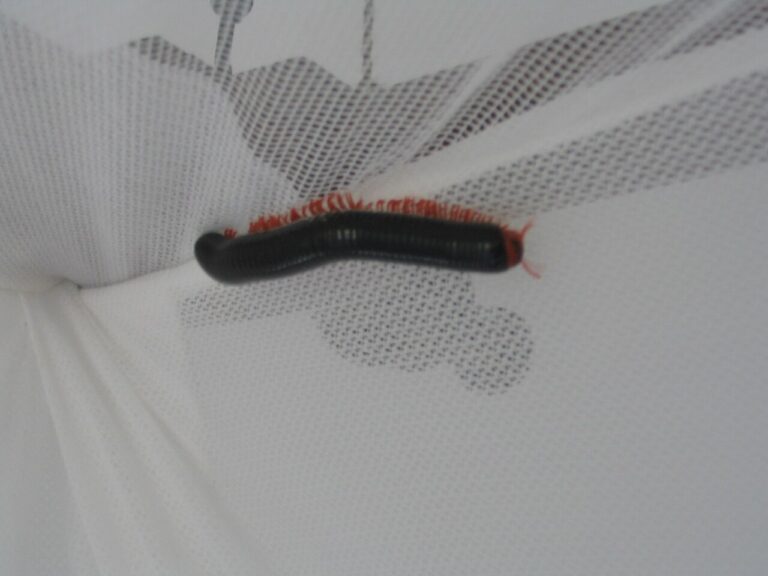
Giant African millipedes reach 15 inches, have no bite, and eat their own substrate. Here is the care guide plus the chemical defense to respect.
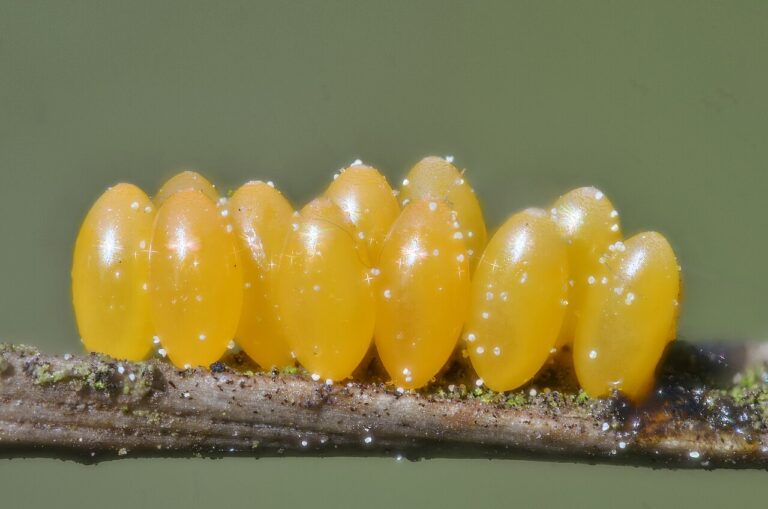
Ladybug eggs are yellow clusters on leaf undersides, and gardeners destroy them by mistaking them for potato beetle eggs. Here is how to tell them apart.
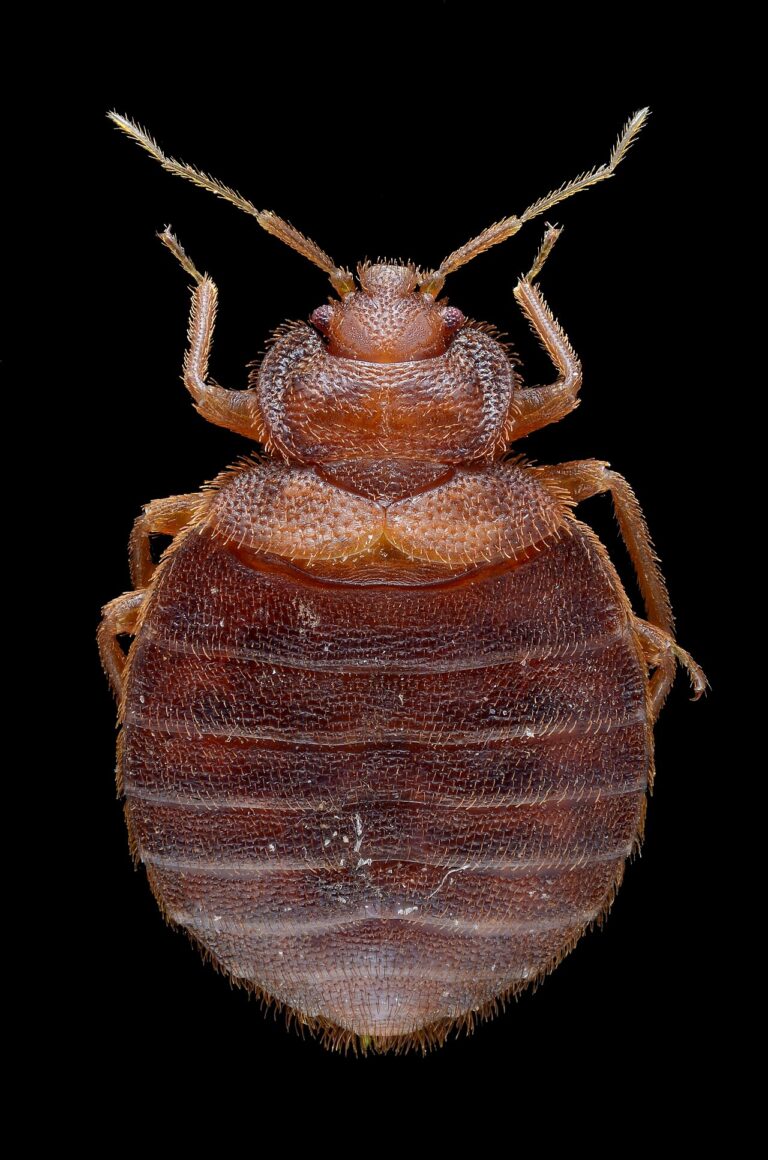
Bed bug droppings are digested blood, so they smear rusty brown when damp. Here is where to look, how to test, and what to do once you confirm it.
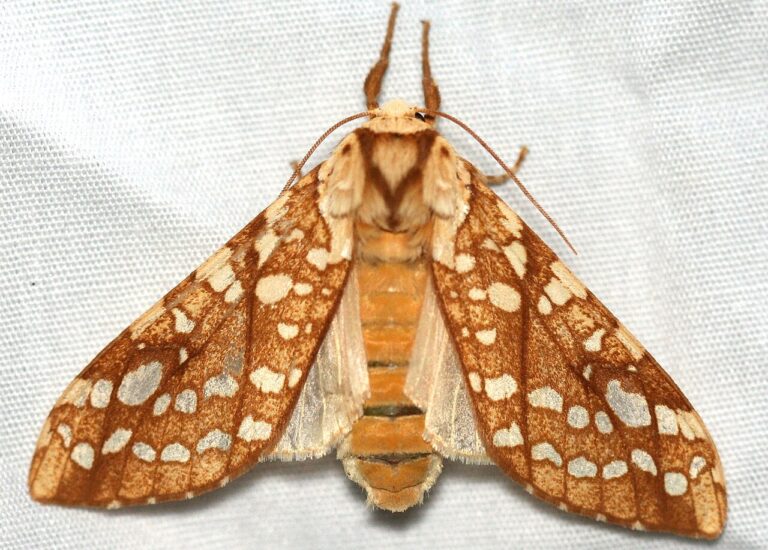
Black fuzzy caterpillars are identified by the second color: brown means woolly bear, red means leopard moth, white tufts mean tussock and irritation.
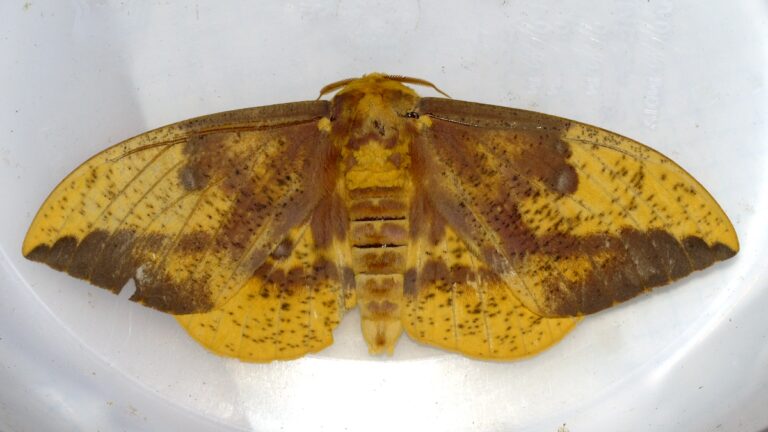
The imperial moth is a yellow giant that pupates underground instead of spinning a cocoon. Here is how to identify it and why it is vanishing up north.