Black and Yellow Wasp: 4 Species and How Dangerous Each One Is
A black and yellow wasp buzzing around your porch is most often a yellowjacket or a paper wasp, two very different insects that get lumped together because of their similar warning colors. Knowing which one you are looking at matters, since their nesting habits and sting risk differ quite a bit.
This guide covers the most common black and yellow wasps found in the United States, how to tell them apart, which ones are more likely to sting, and what to do if one builds a nest near your home.
Black and yellow wasps in the US are usually yellowjackets, paper wasps, or bald-faced hornets. Yellowjackets are the most defensive and account for most stings, while paper wasps are generally calmer unless their nest is directly disturbed.
| Species | Nest Type | Aggression Level |
|---|---|---|
| Yellowjacket | Underground or wall voids | High |
| Paper wasp | Open umbrella-shaped nest | Low to moderate |
| Bald-faced hornet | Large enclosed papery nest | High |
| Black and yellow mud dauber | Mud tubes on walls | Very low |
What Is a Black and Yellow Wasp?
“Black and yellow wasp” describes several unrelated species that share warning coloration rather than close genetic relation. In the US, the term most often refers to yellowjackets, paper wasps, or the black and yellow mud dauber.
All three share a narrow “wasp waist” and smooth bodies, unlike the fuzzier black and yellow caterpillar larvae that eventually become moths rather than wasps. Adult wasps are predators or scavengers as adults, feeding other insects to their larvae back at the nest.
Correctly identifying which species you are dealing with is the first step toward deciding whether a nest near your home needs professional removal or can simply be left alone.
Yellowjackets
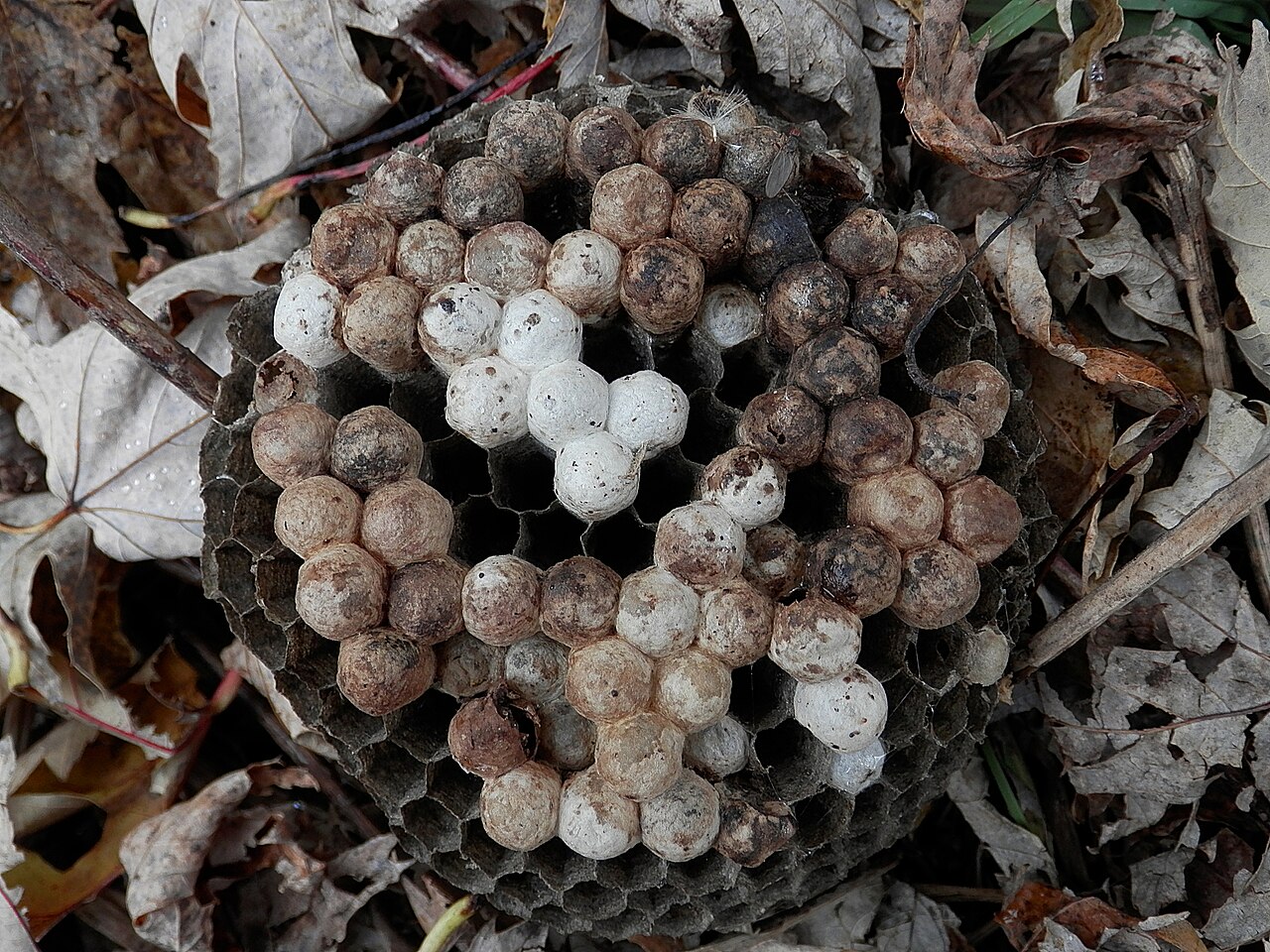
Yellowjackets are the black and yellow wasp most people picture, with bold, sharply defined bands and a stocky body. They nest in the ground, in wall voids, or in other enclosed cavities, often going unnoticed until a nest is accidentally disturbed.
According to Cornell University’s integrated pest management program, yellowjacket colonies can grow into the thousands by late summer, which is when most stinging incidents occur as foragers become more aggressive around food sources like picnics and open trash cans.
Unlike honey bees, yellowjackets can sting repeatedly without dying, which is part of why an disturbed nest can produce multiple stings in a short period.
Paper Wasps
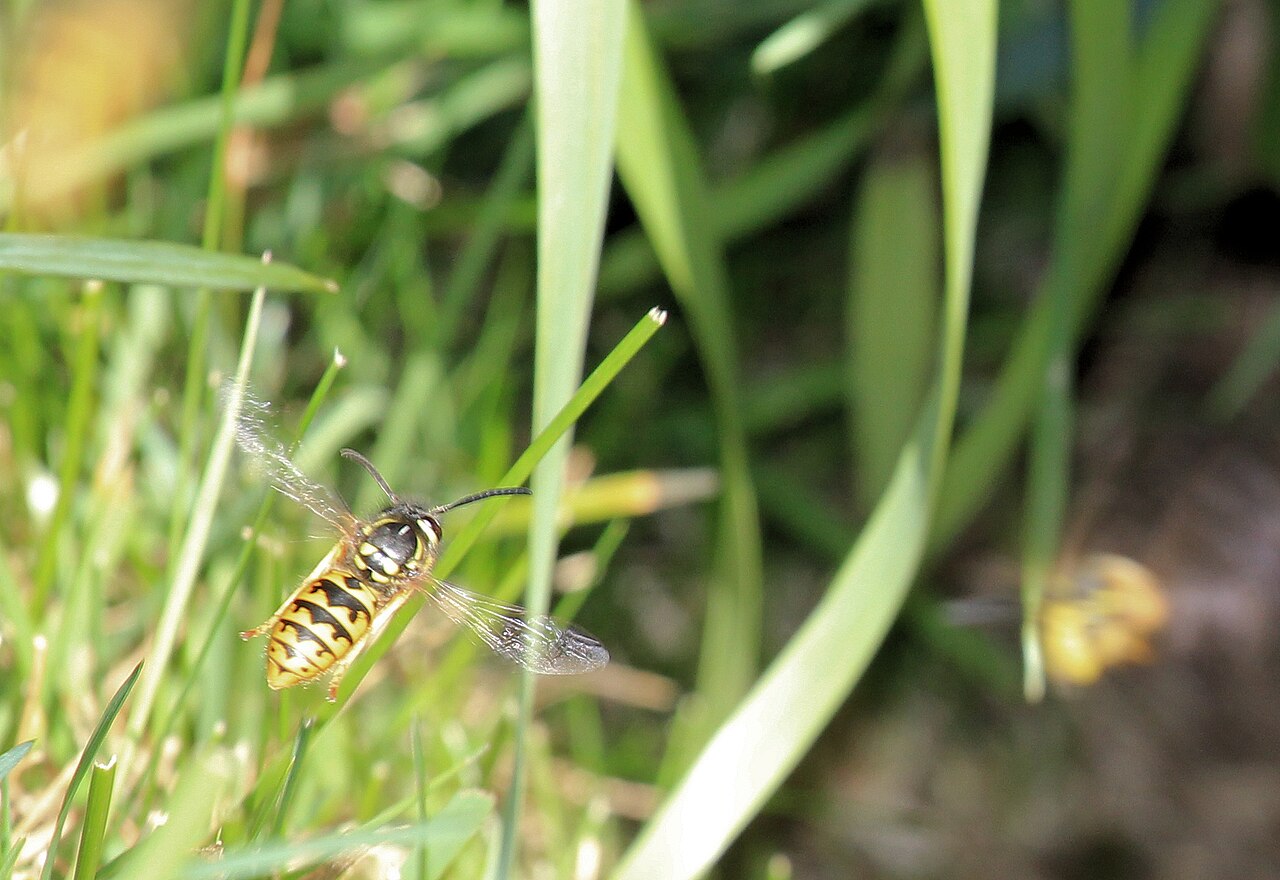
Paper wasps build the open, umbrella-shaped nests often found under eaves, deck railings, and porch ceilings. Their bodies tend to be more slender and elongated than yellowjackets, with longer legs that dangle visibly in flight.
Paper wasps are generally less defensive than yellowjackets and will usually only sting if the nest itself is touched, bumped, or sprayed. Their nests also stay relatively small, rarely exceeding a few dozen cells.
Because their nests are visible and out in the open rather than hidden underground, paper wasp colonies are often easier to spot and monitor from a safe distance before deciding on removal.
Bald-Faced Hornets
Despite the name, the bald-faced hornet is technically a type of yellowjacket, with a mostly black body and white or pale yellow facial markings rather than the classic bright yellow bands.
Bald-faced hornets build large, enclosed, football-shaped paper nests, often high in trees or on structures, and are considered one of the more defensive wasps in North America when their nest is approached.
Because of their size and aggression near the nest, bald-faced hornet colonies close to a home’s entrance or walkway are generally best handled by a pest control professional rather than removed by hand.
Black and Yellow Mud Dauber
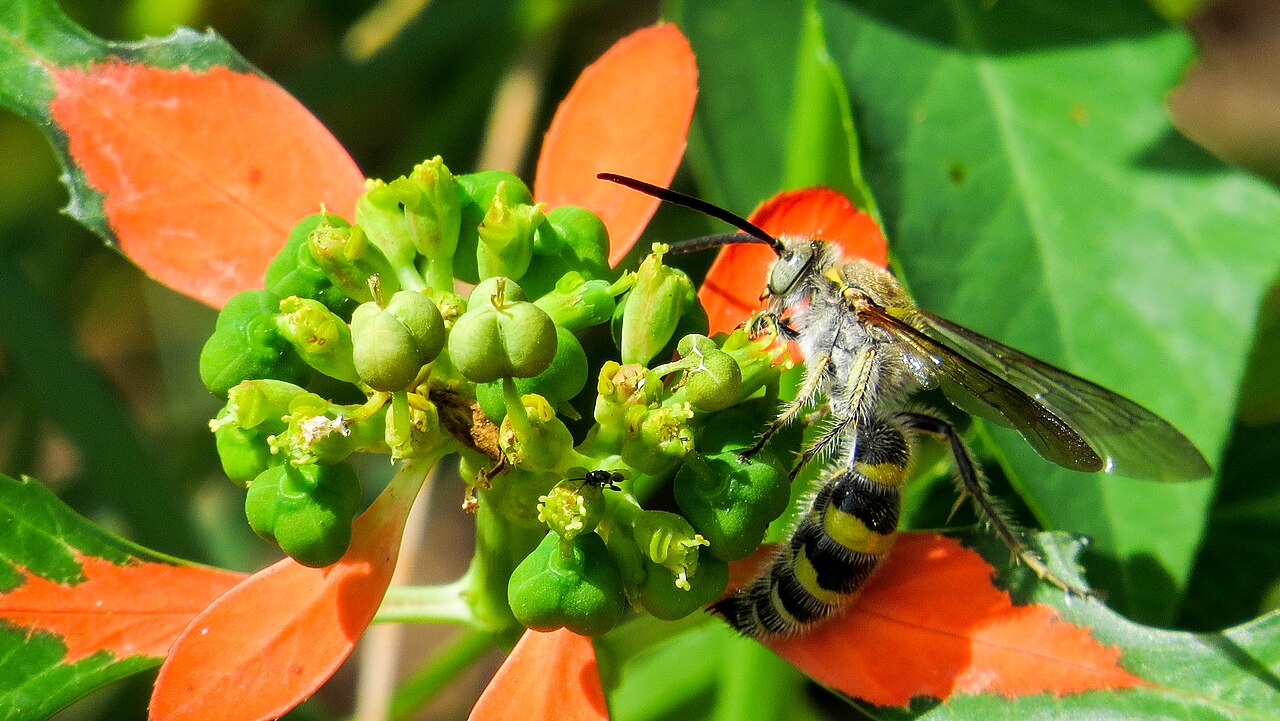
The black and yellow mud dauber is a solitary wasp, meaning it does not live in a colony or defend a shared nest the way yellowjackets and paper wasps do. It builds distinctive mud tube nests on walls, eaves, and under bridges.
Mud daubers primarily hunt spiders to provision their nests for their larvae, and because they are solitary and non-defensive, they rarely sting people even when nests are handled directly.
Their long, thin waist and metallic blue-black body with yellow leg markings make them fairly easy to distinguish from yellowjackets and paper wasps once you know what to look for.
How to Identify Black and Yellow Wasps
Start with the nest type: an enclosed papery nest underground or in a wall points to a yellowjacket, an open umbrella-shaped nest under an eave points to a paper wasp, and a mud tube on a wall points to a mud dauber.
Next, look at body shape. Yellowjackets are stocky with a short abdomen, paper wasps are slimmer with a more elongated abdomen and dangling legs in flight, and mud daubers have an unusually long, thread-like waist.
Finally, consider behavior in groups. Multiple wasps flying in and out of one location suggests a social species like a yellowjacket or paper wasp, while a lone wasp working on a mud structure points to a solitary mud dauber.
Are Black and Yellow Wasps Dangerous?
Most black and yellow wasps are not dangerous to people who leave nests alone, though yellowjackets and bald-faced hornets can become aggressive if their nest is disturbed, vibrated, or approached too closely.
For most healthy adults, a wasp sting causes localized pain, swelling, and redness that resolves within a day or two. People with a known wasp or bee venom allergy are at risk of a more serious reaction and should carry prescribed emergency medication if advised by a doctor.
Black and white wasp species and red and black wasp species follow similar general safety patterns: risk comes mainly from nest disturbance, not from simply seeing a wasp nearby.
What Is the Worst Wasp Sting?
Among common US wasps, yellowjacket and bald-faced hornet stings are typically reported as the most painful, largely because both species can sting repeatedly and often attack in numbers when a nest is threatened.
Paper wasp stings are generally described as painful but shorter-lived, since paper wasps are less likely to sting in large groups compared to a disturbed yellowjacket nest.
Regardless of species, multiple stings in a short period increase the risk of a stronger reaction, which is one reason nest removal near high-traffic areas is often recommended over leaving an active colony in place.
Do Black and Yellow Wasps Chase People?
Yellowjackets and bald-faced hornets are the species most likely to pursue a person who has disturbed their nest, sometimes following for a considerable distance before giving up.
Paper wasps and mud daubers rarely chase people, since paper wasps are typically only reactive right at the nest and mud daubers are solitary insects with little colony-defense behavior at all.
If a wasp does begin following you, moving quickly indoors or into a vehicle is more effective than swatting, which can trigger additional defensive stinging from social species.
Why Wasps Matter
Wasps play an underappreciated role as natural pest control, since most species prey on caterpillars, flies, and other insects to feed their larvae, reducing pressure on garden plants without any chemical input.
Animals that eat wasps, including certain birds and other insects, form part of a broader food web where wasps are both predator and prey depending on the season and species involved.
Removing every wasp nest on a property is rarely necessary from an ecological standpoint, and many conservation groups recommend leaving low-risk nests, such as small paper wasp colonies, undisturbed when they are not near doorways or high-traffic areas.
How to Keep Wasps Away From Your Home
Sealing gaps in siding, soffits, and attic vents removes potential nesting cavities that yellowjackets and paper wasps look for each spring when new queens search for a nest site.
Keeping outdoor trash cans sealed and cleaning up spilled soda, juice, or food scraps promptly reduces the food scent trail that draws foraging yellowjackets closer to patios and porches.
Checking eaves, deck railings, and shed corners every few weeks in spring allows small, newly started nests to be identified and removed early, before a colony grows large enough to become defensive. Trimming back overgrown shrubs and vines away from the house also removes sheltered nesting spots that queens favor when scouting for a new colony site each spring, further reducing the odds of a nest establishing right against the structure itself over the course of the season.
Black and Yellow Wasps vs. Other Striped Insects
Not every striped flying insect around the yard is actually a wasp. Black and yellow spider species, most commonly the black and yellow garden spider, are often mistaken for wasps at a distance because of their similar warning coloration, despite having eight legs and a completely different body plan.
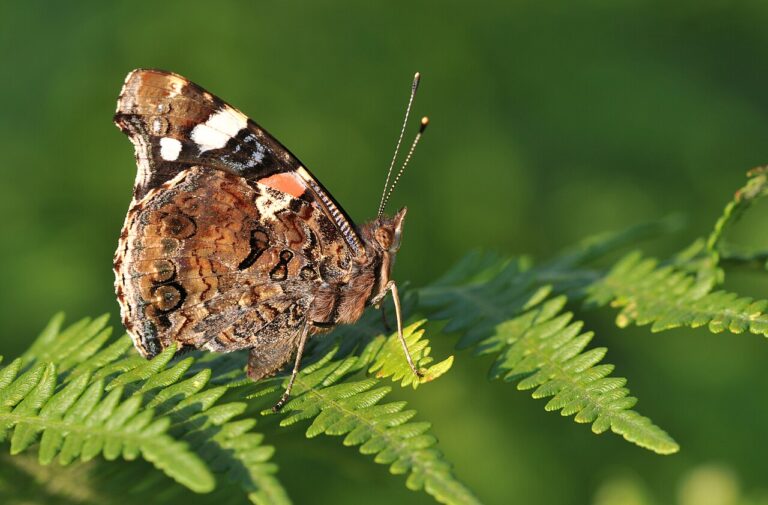
Yellow and black bird species and yellow and black butterfly species round out the list of commonly confused look-alikes, since all of these groups rely on the same bold, high-contrast pattern to signal a warning or, in the case of harmless mimics, to borrow that warning without the sting to back it up.
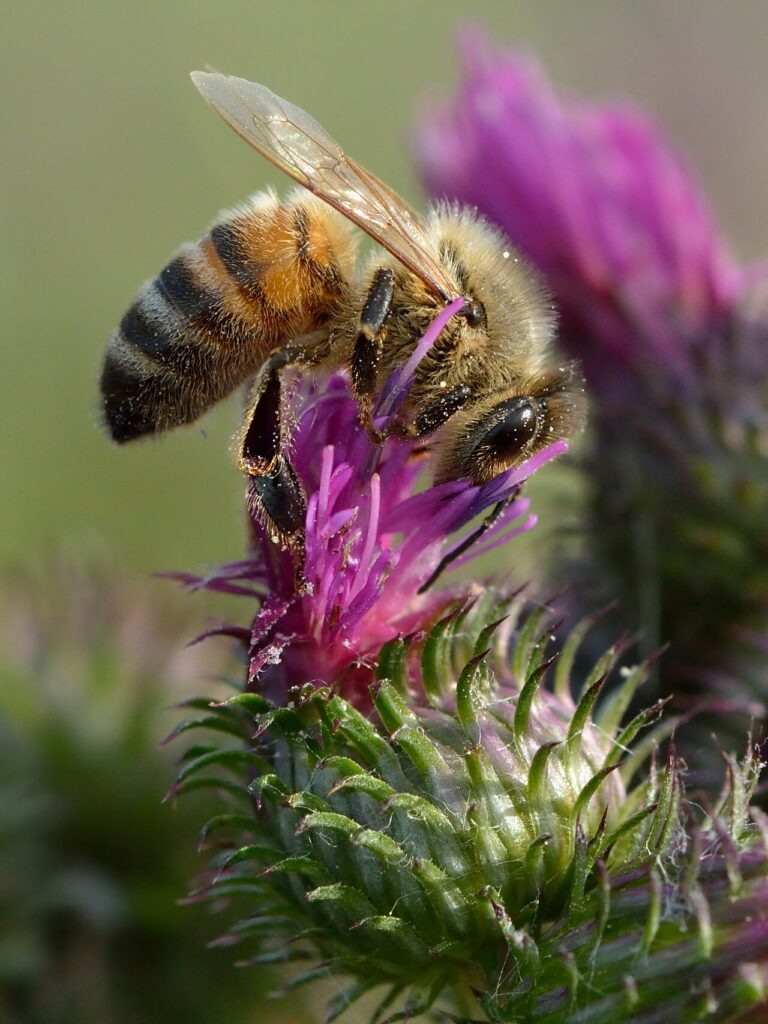
Bee species with black and yellow coloring, including honey bees and bumble bees, are also frequently lumped in with “wasps” in casual conversation, though bees are generally fuzzier, rounder, and far less defensive away from their hive compared to social wasps like yellowjackets.
What to Do If You Get Stung
Wash the sting site with soap and water, then apply a cold pack to reduce swelling. Over-the-counter pain relievers and antihistamines can help manage discomfort and itching for most people.
Watch for signs of a severe allergic reaction, including difficulty breathing, swelling of the face or throat, or dizziness, and seek emergency medical care immediately if any of these occur.
For a nest that continues to pose a sting risk after a first encounter, contacting a licensed pest control provider is generally safer than repeated attempts at do-it-yourself removal, especially for underground yellowjacket nests.
Frequently Asked Questions
Do black and yellow mud dauber sting?
Mud daubers rarely sting, since they are solitary and do not defend a shared nest the way yellowjackets and paper wasps do. Handling their mud nests directly is unlikely to provoke a sting.
Are yellowjackets aggressive?
Yes, yellowjackets are among the more defensive wasps, especially in late summer when colonies are largest and foragers are actively competing for food sources.
What’s the worst wasp to get stung by?
Yellowjackets and bald-faced hornets are generally reported as the most painful and risky, since both can sting repeatedly and defend nests in numbers.
Do black ichneumon wasps sting?
Ichneumon wasps rarely sting people, and most species lack a stinger capable of penetrating human skin, since their egg-laying structure is adapted for parasitizing other insects, not defense.
What type of wasp will chase you?
Yellowjackets and bald-faced hornets are the species most likely to pursue a person after their nest has been disturbed, sometimes following for several yards.
Has a wasp ever killed a human?
Wasp stings can be fatal in rare cases, almost always due to a severe allergic reaction rather than the venom’s inherent toxicity, which is why known allergy sufferers should carry prescribed emergency medication.
Sources: Cornell University College of Agriculture and Life Sciences, University of Maryland Extension.