Rufous Hummingbird: Identification, Range, and Migration Guide
The rufous hummingbird makes the longest migration relative to body size of any bird on Earth, and is famous for its fiery orange color and feisty temper.
In-depth profiles of North American birds. Each guide covers identification, range, diet, nesting behavior, and practical tips for attracting the species to your yard.
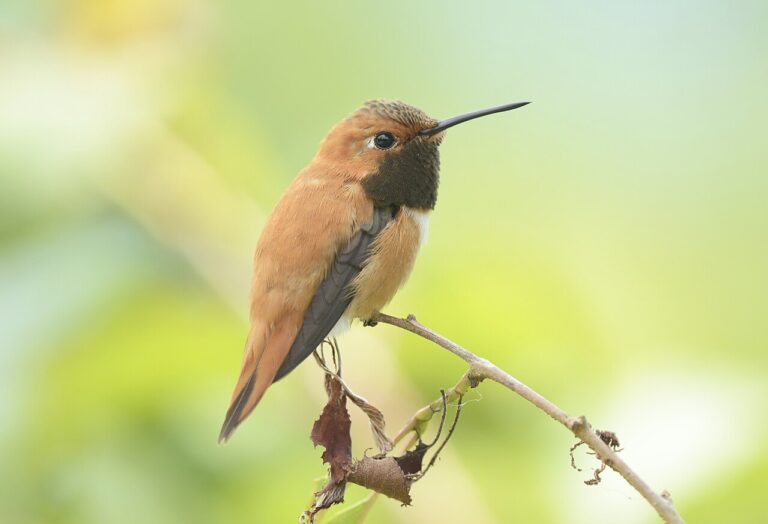
The rufous hummingbird makes the longest migration relative to body size of any bird on Earth, and is famous for its fiery orange color and feisty temper.
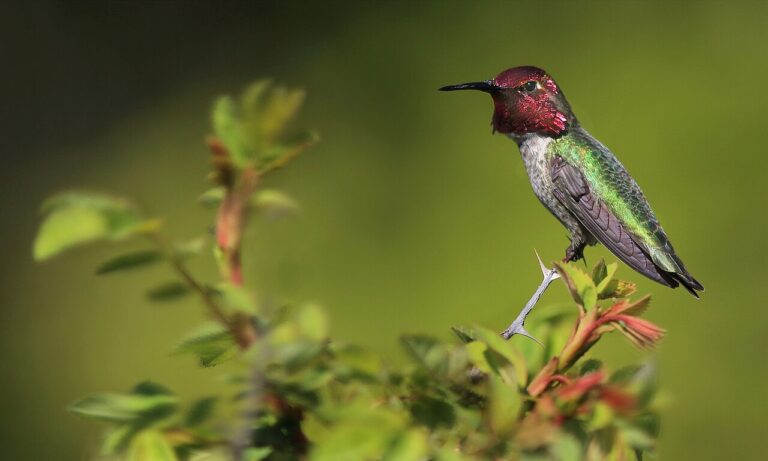
Anna’s hummingbird is the only common hummingbird that overwinters across much of the Pacific coast, famous for its rose-pink head and dramatic dive display.
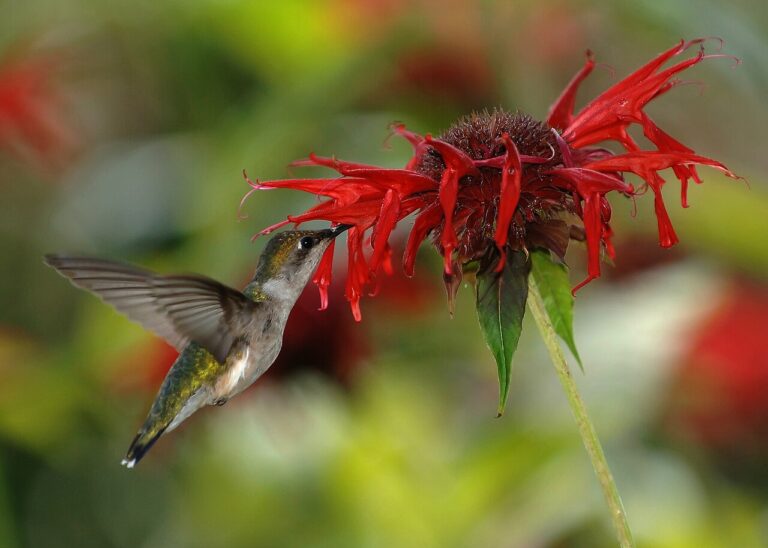
The ruby-throated hummingbird is the only breeding hummingbird across most of the eastern United States, famous for its nonstop Gulf of Mexico crossing.
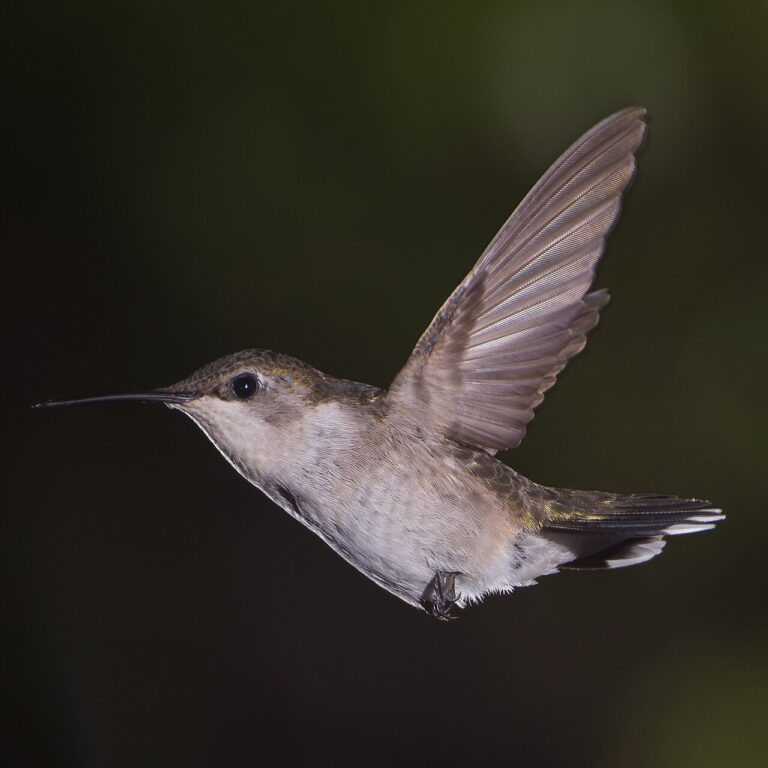
The female hummingbird is green above and pale below, lacking the male’s bright throat patch. Learn how to identify a female hummingbird and tell her from the male.
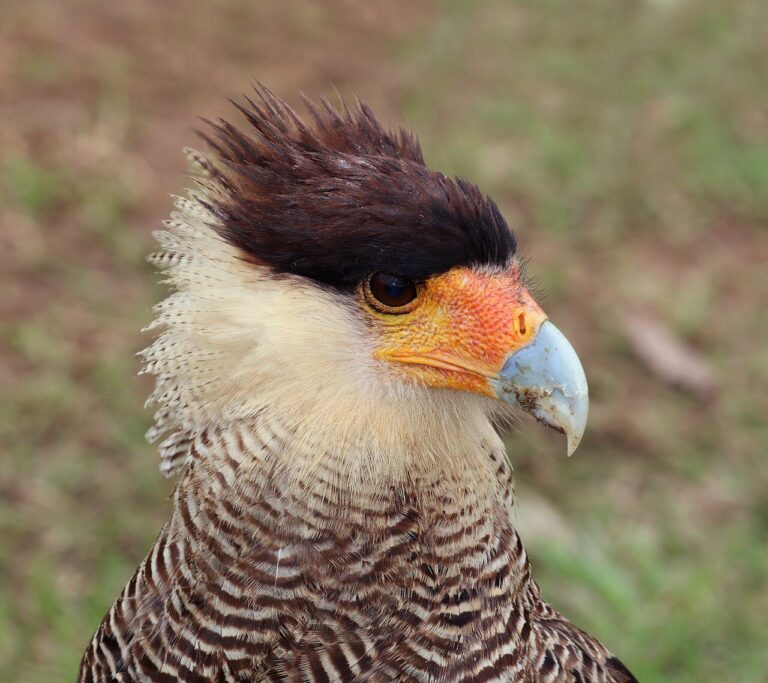
The crested caracara is a long-legged falcon relative that scavenges like a vulture, common in Texas, Florida, and Arizona open country.
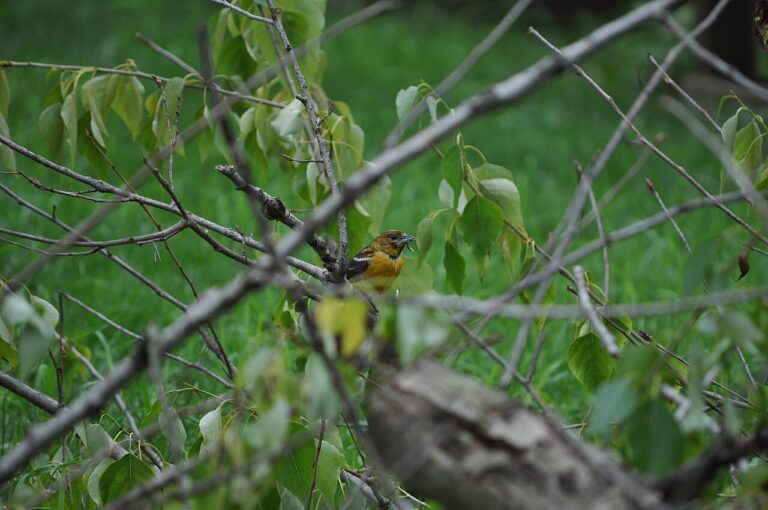
The female oriole is a warm yellow-orange bird with white wingbars, duller than the black-and-orange male. Learn how to identify a female oriole and avoid mix-ups.
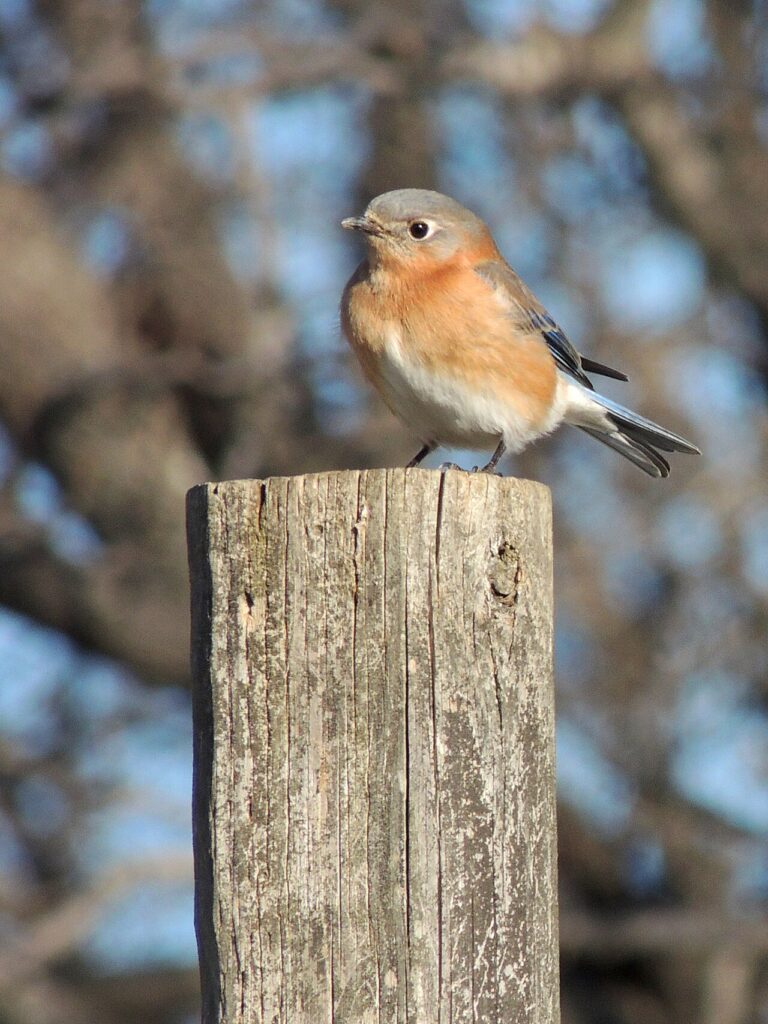
The female bluebird is a soft grayish version of the blue male, with blue-tinted wings and a pale orange breast. Learn how to identify a female bluebird with confidence.
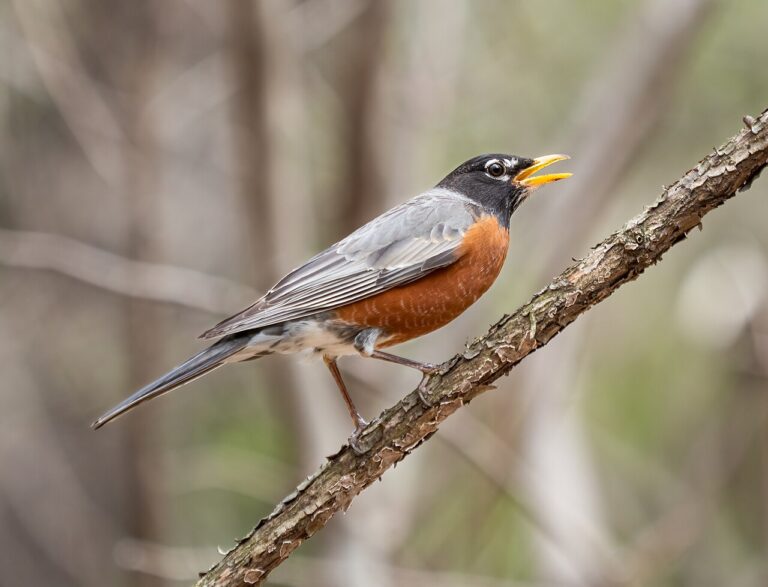
Seeing a red robin is a sign of renewal, new beginnings, and hope, often marking spring. Discover the spiritual meaning of a robin sighting and whether it is a good omen.
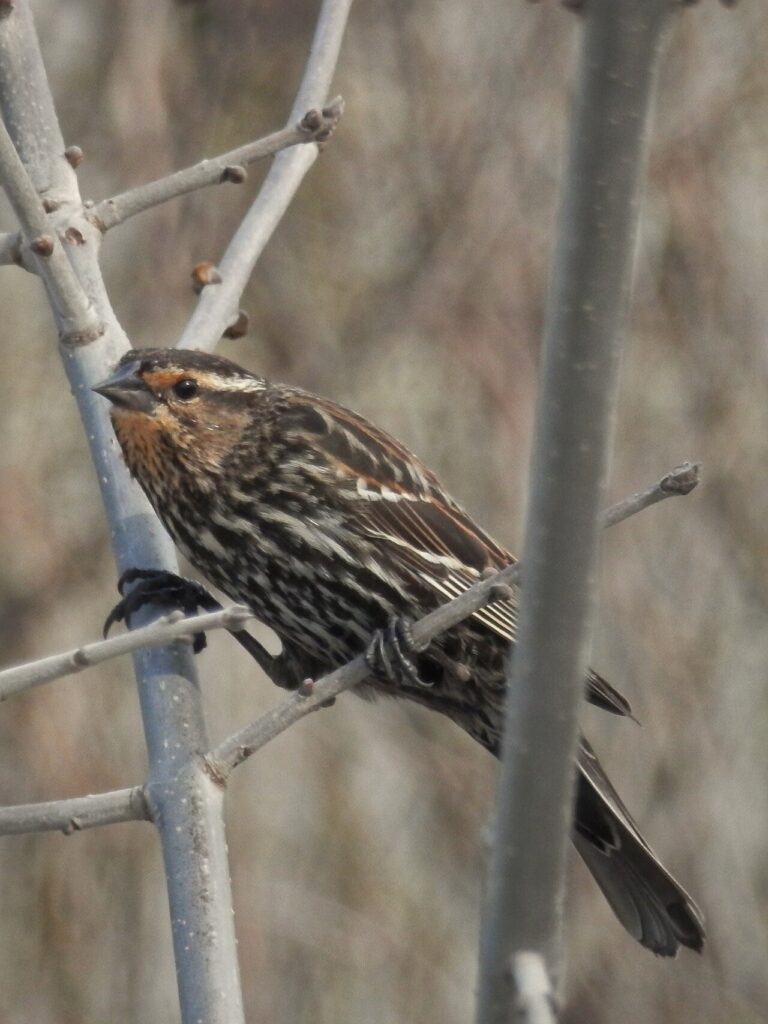
The female red-winged blackbird looks like a large streaky brown sparrow, unlike the black male. Learn how to identify a female red-winged blackbird and avoid mix-ups.
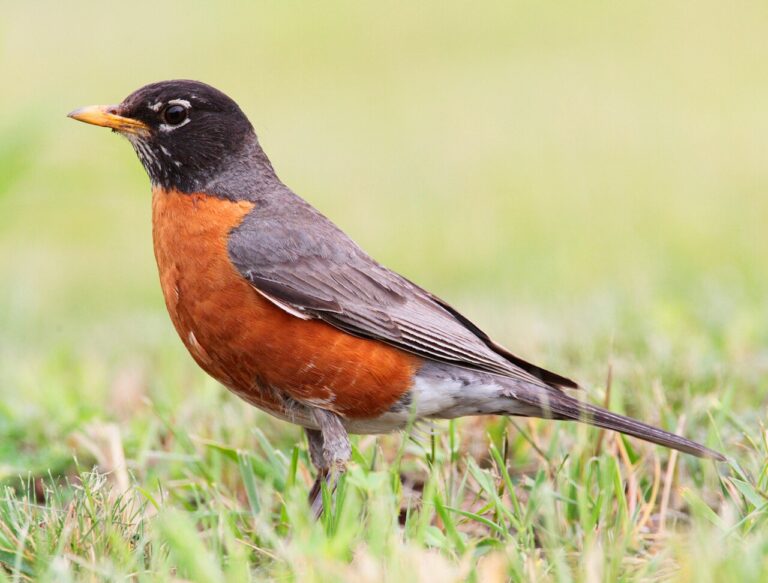
The female robin is a muted version of the male, with a grayer head and paler orange breast. Learn how to identify a female robin and tell her apart from the male.