Magpie Symbolism: One for Sorrow, and What It Means Elsewhere
Seeing a single magpie is read as a warning of sorrow in British and Irish folklore, and as the arrival of good news in Korea and China, which makes magpie symbolism one of the most split traditions attached to any bird. The same black and white bird that people in Yorkshire still salute to ward off bad luck is painted on Korean doorways to invite it in.
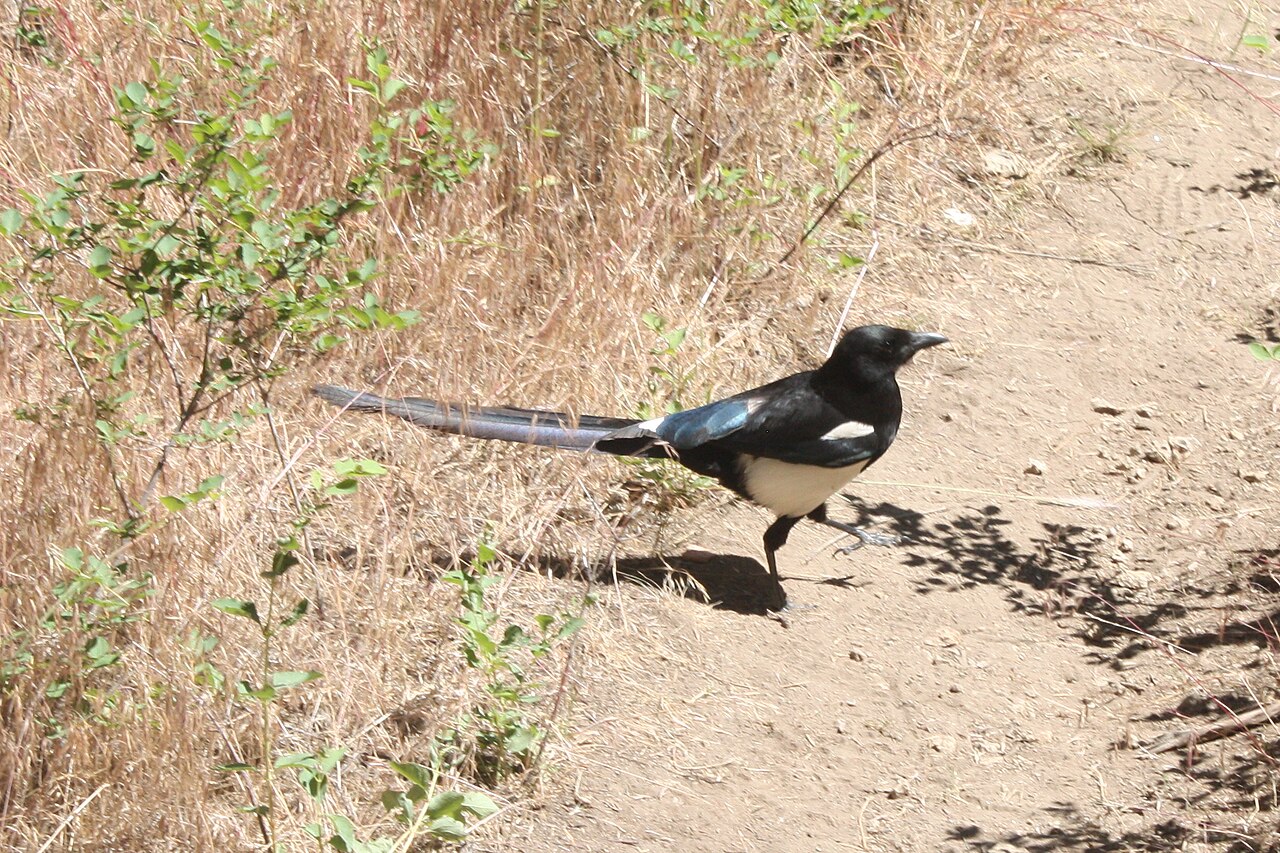
Two very different birds carry the symbol. The Eurasian magpie (Pica pica) is the folklore bird of Europe and Asia, while the black-billed magpie (Pica hudsonia) is the one Americans see across the western states. Below, the traditions stay separate, the situations people ask about get their own answers, and the beliefs are given as beliefs rather than as facts about the bird.
Magpie symbolism divides sharply by region. In Britain and Ireland one magpie means sorrow and must be greeted or saluted; two mean joy. In Korea and China the magpie is a messenger of good news and marital happiness. Modern spirit animal writing reads it as intelligence, voice and attraction to what glitters.
| Situation | Traditional meaning |
|---|---|
| One magpie alone | Sorrow in British lore, good news in East Asia |
| Two magpies together | Joy, and in Chinese usage a happy marriage |
| A magpie at the window | A visitor or message is coming |
| A magpie in the garden daily | Something you keep ignoring, or simple territory |
| Chattering loudly nearby | In folk reading, gossip or a warning spoken aloud |
| Finding a dead magpie | Taken as the end of a run of bad luck |
| A magpie in a dream | A choice between what shines and what lasts |
What Does Seeing a Magpie Signify?
What seeing a magpie signifies depends entirely on how many you see and where you are standing. The British counting rhyme makes one bird an omen of sorrow and two an omen of joy, so the number does the work. In Korea the count is irrelevant and a magpie at the house means news is on its way, usually welcome news about a visitor.
Behind both readings is the same observation: magpies live close to people, watch them closely, and announce themselves. A bird that sits on the fence and chatters at you feels addressed to you. That is the mechanism behind most bird omens, which our overview of bird symbolism across cultures traces through other species.
What Is the Old Wives Tale About Magpies?
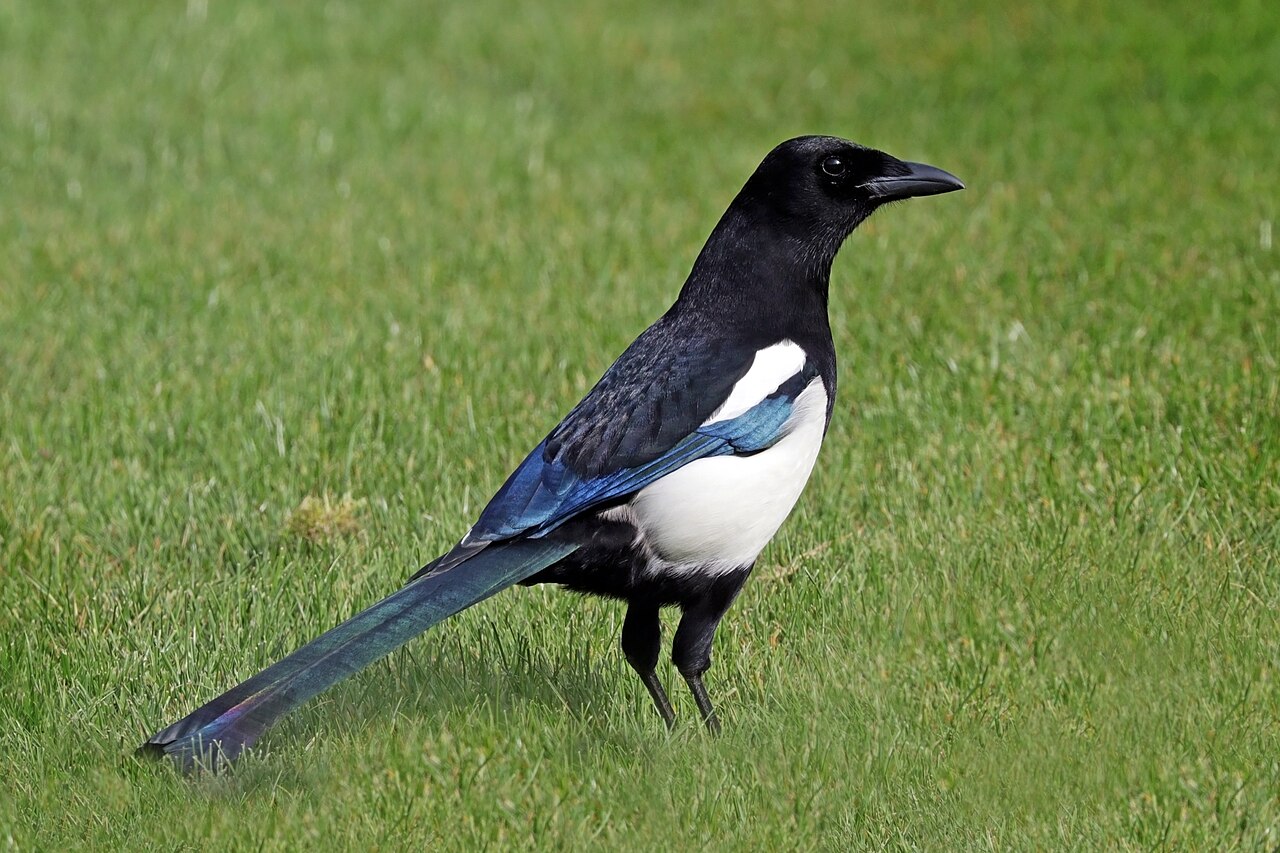
The Old Wives tale about magpies is the counting rhyme: “One for sorrow, two for joy, three for a girl, four for a boy, five for silver, six for gold, seven for a secret never to be told.” It appeared in print in England in the early nineteenth century and spread through schoolyards with dozens of regional endings, some of them running to ten or twelve lines.
The sorrow attached to the single bird came with a remedy, which is the part people still practice. In much of northern England and Scotland you salute the bird, tip an imaginary hat, or spit to cancel the omen. None of it predicts anything, but as living folklore it is remarkably persistent: plenty of drivers still nod at a lone magpie on a verge.
What to Say When You See One Magpie
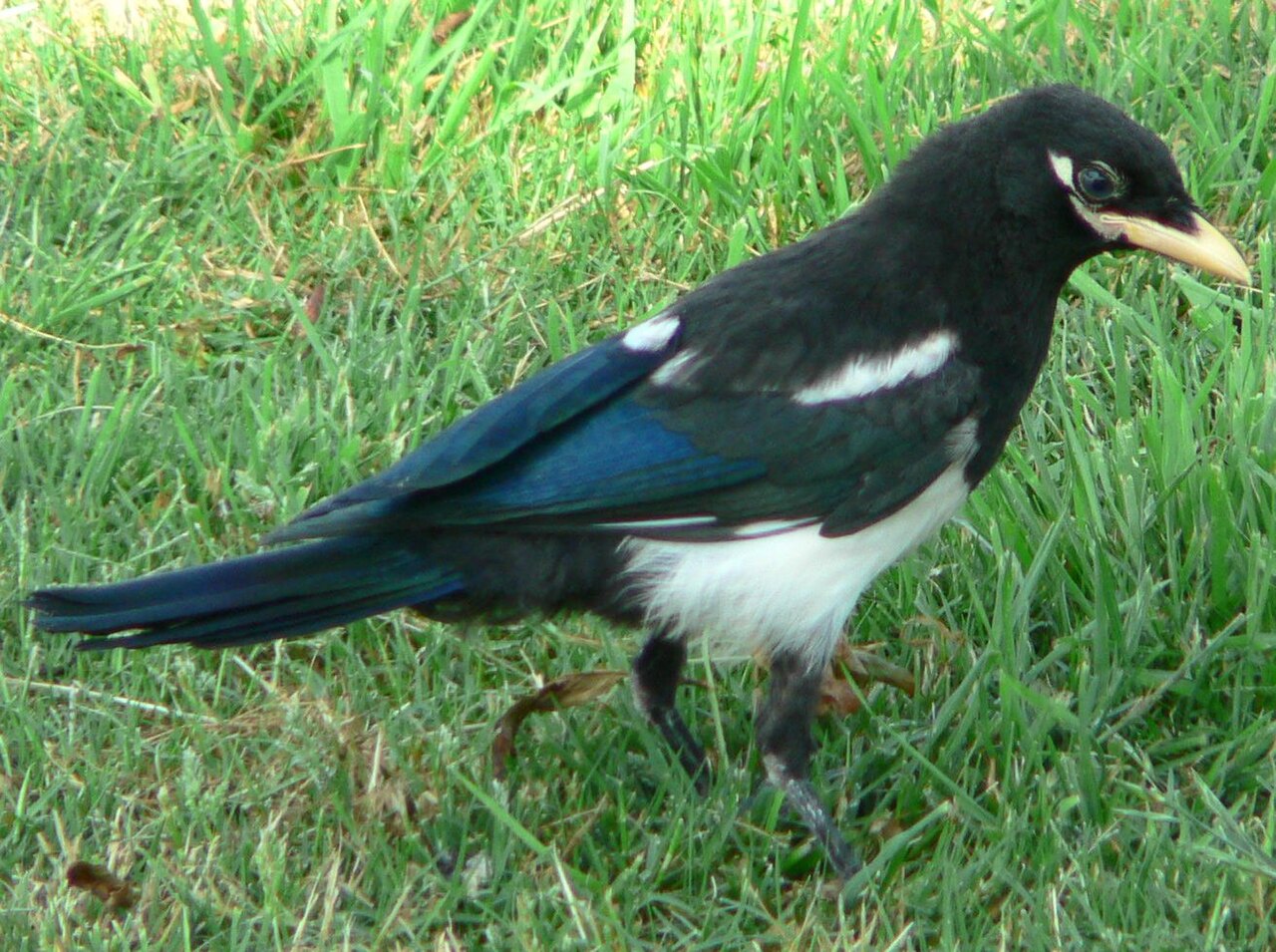
The standard greeting is “Good morning, Mr Magpie, how is your lady wife today?” The logic in the tradition is that magpies pair for life, so a single bird means its mate is missing, and asking politely after her keeps the misfortune from transferring to you. Shorter versions are common: “Good morning, Mr Magpie” on its own, or “Hello Jack.”
Other recorded remedies include saluting, crossing yourself, or saying “I defy thee, magpie.” Which one you use is regional and often family specific. Where crows attracted outright avoidance in the same villages, as described in our piece on crow symbolism, the magpie got a conversation instead, which says something about how people saw the bird.
Magpie Symbolism in Christianity and the Bible
The magpie is not mentioned in the Bible, so its Christian associations come from medieval legend. The best known story holds that the magpie was the only bird that refused to mourn at the Crucifixion, or in another telling refused to enter Noah’s ark and sat chattering on the roof through the flood. Both legends made it a symbol of irreverence and of a tongue that will not keep still.
Its black and white plumage got pulled into the same reading, taken as a bird standing between light and dark rather than committing to either. That ambiguity is why magpies turn up in European witchcraft lore as familiars, a role filled elsewhere by the bat and its night associations. These are folk beliefs recorded by collectors, not church teaching.
Celtic and British Folklore: Why Magpies Are So Special
Magpies are so special in British and Irish lore because they were treated as birds that know things. Welsh and Irish traditions credit them with foreseeing weather and deaths, and a magpie tapping at a window was taken as a message from the house’s dead. In parts of Ireland the bird was said to have arrived with the English, which gave it an outsider’s reputation on top of everything else.
Scottish lore is the darkest of the group, with a recorded belief that a magpie carries a drop of the devil’s blood under its tongue. Set beside the honored status of long legged birds in the same island traditions, covered in our piece on crane symbolism, the contrast is stark: one bird was read as sacred, the other as suspect, and both were simply doing what they do.
Magpie Symbolism in Korea, China and Japan
In Korea the magpie is a bird of good news and is widely regarded as a national symbol, with folk paintings pairing it with a tiger and with sayings that a chattering magpie means a guest is coming. The reading is positive and unqualified, which surprises visitors who grew up with the counting rhyme.
Chinese tradition goes further. The written name for the bird carries the character for happiness, two magpies together signify marital joy, and the Qixi festival legend has a flock of magpies forming a bridge across the Milky Way so two separated lovers can meet once a year. Japanese usage overlaps with the Chinese, where the magpie bridge appears in classical poetry as an image of brief reunion.
Magpie Spirit Animal, Totem and Dream Meanings
In modern spirit animal writing the magpie totem stands for intelligence, a voice that will be heard, and the pull of shiny things, meaning opportunity that may or may not have substance. The usual interpretation of what the magpie is trying to tell you in that framework is to look twice at something attractive before committing to it.
Dream readings follow suit: one magpie is given as a choice approaching, a flock as noise and gossip around a decision, a magpie taking something as a warning about trust. Among Native American traditions the picture is more specific than most websites suggest. Magpies appear in stories recorded from several Plains and Great Basin peoples as helpers and messengers, sometimes as tricksters, and those tellings belong to the individual nations rather than to a single pan tribal meaning. Where a loud blue bird fills that messenger role further east, our piece on blue jay symbolism covers it.
Frequently Asked Questions
What is the spiritual significance of the magpie?
The magpie’s spiritual significance is generally read as communication and discernment: a bird that speaks loudly, notices everything, and is drawn to what glitters. British tradition weights that toward warning, East Asian tradition toward good news. Both treat the bird as a messenger rather than as an outcome in itself.
Is seeing a single magpie bad luck?
Only in the British and Irish tradition, where one magpie means sorrow and is answered with a greeting or a salute. There is no evidence behind it, and single magpies are ordinary: paired birds forage alone all the time while the mate sits or feeds nearby. In Korea the same sight is read as good fortune.
What US states have magpies?
Black-billed magpies live across the American West, including Washington, Oregon, Idaho, Montana, Wyoming, Colorado, Utah, Nevada, the Dakotas, Nebraska and northern Arizona and New Mexico, plus southeastern Alaska. The yellow-billed magpie is found only in California’s Central Valley and coastal valleys. The Cornell Lab species account maps the current range.
Can magpies befriend humans?
Magpies can form lasting relationships with specific people. They recognize individual human faces, remember who has threatened them, and will tolerate or approach a person who feeds them consistently. Hand raised birds in Australia have famously bonded with families, though that involves a different species, the Australian magpie.
Why are magpies associated with intelligence?
Eurasian magpies are among the few non mammals to pass the mirror mark test, touching a sticker they can only see in a reflection, which points to self recognition. They also cache food, use tools in captivity, and hold funeral like gatherings around dead flock members. The folklore that calls them knowing birds got that part right, much as it did with blackbirds and their reputation for watchfulness.