Types of Woodpeckers in Michigan: A Complete Guide
Michigan is home to several types of woodpeckers, including the downy woodpecker, hairy woodpecker, red-bellied woodpecker, northern flicker, and the large pileated woodpecker. These tree-clinging birds are common in Michigan’s forests, woodlots, and backyards, and many readily visit feeders. This guide covers how many woodpeckers live in Michigan, the common species, how to tell them apart, where to see them, and how to attract them.
| Woodpecker | Key Features in Michigan |
|---|---|
| Downy Woodpecker | Small, common at feeders |
| Hairy Woodpecker | Larger downy look-alike |
| Red-bellied Woodpecker | Barred back, red crown |
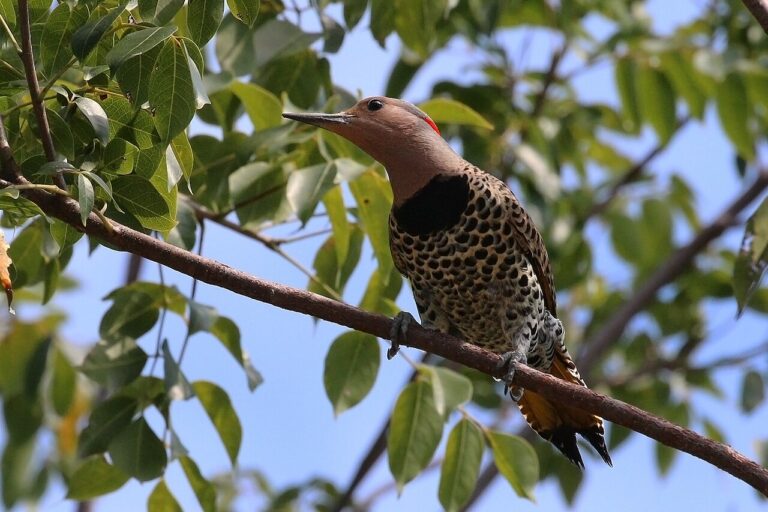
| Northern Flicker | Brown, spotted, ground-feeding |
| Pileated Woodpecker | Large, red crest, crow-sized |
| Red-headed Woodpecker | Full red head, bold pattern |
| Yellow-bellied Sapsucker | Drills sap wells in rows |
How Many Types of Woodpeckers Live in Michigan?
Michigan hosts several species of woodpeckers, most as year-round residents, ranging from tiny feeder visitors to large, crow-sized birds. The most familiar are the small downy woodpecker and its larger look-alike, the hairy woodpecker, both common at backyard feeders. The red-bellied woodpecker, with its barred back and red crown, is increasingly common, and the northern flicker is a distinctive brown, spotted woodpecker often seen feeding on the ground. The impressive pileated woodpecker, nearly the size of a crow with a flaming red crest, inhabits mature forests, while the boldly patterned red-headed woodpecker and the sap-drilling yellow-bellied sapsucker round out the group. Woodpeckers are specialized for clinging to and climbing tree trunks, using strong bills to drill for insects, excavate nest holes, and drum, aided by stiff tail feathers for support. Michigan’s abundant forests and woodlots support this variety. Understanding the woodpeckers of Michigan begins with these species, part of the wider group covered in our guide to types of woodpeckers.
Common Woodpeckers in Michigan
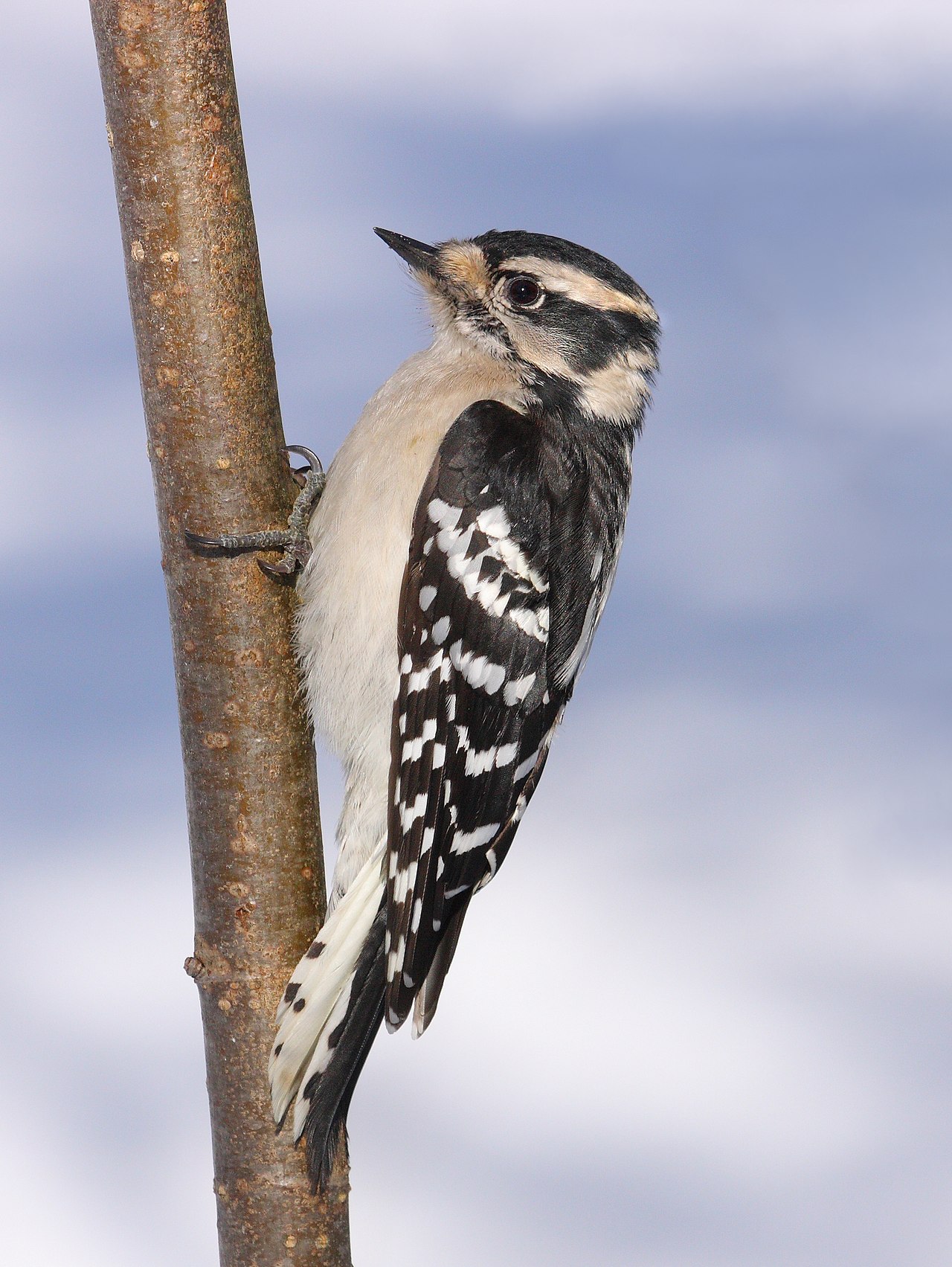
Several woodpeckers are especially common in Michigan. The downy woodpecker is the smallest and one of the most familiar, a black-and-white bird with a small bill that readily visits feeders, as covered in our guide to the downy woodpecker. The hairy woodpecker looks almost identical but is larger with a longer bill. The red-bellied woodpecker is a medium woodpecker with a black-and-white barred back and a red crown and nape, as covered in our guide to the red-bellied woodpecker. The northern flicker is a brown, spotted woodpecker that often forages on the ground for ants and shows a flash of color in the wings. The pileated woodpecker is the largest, a spectacular crow-sized bird with a red crest that excavates large rectangular holes. The red-headed woodpecker has an entirely red head with a bold black-and-white body, and the yellow-bellied sapsucker drills neat rows of holes in trees to feed on sap. Each has its own look and habits, as explored in our guide to the best bird seed.
How to Tell Michigan Woodpeckers Apart
Telling Michigan’s woodpeckers apart is easier when you use size, pattern, and behavior. Start with size, since the downy woodpecker is small, the hairy and red-bellied woodpeckers are medium, and the pileated woodpecker is very large. The downy and hairy woodpeckers look nearly identical in their black-and-white pattern, so focus on the bill, which is short and stubby on the downy and long on the hairy. Look at head and back patterns, such as the red-bellied woodpecker’s barred back and red crown, the red-headed woodpecker’s entirely red head, the pileated woodpecker’s red crest, and the northern flicker’s brown, spotted plumage. Behavior helps too, since the northern flicker often feeds on the ground, the sapsucker drills orderly rows of sap wells, and the pileated woodpecker makes large rectangular excavations. Male woodpeckers usually show more red than females. By combining size, bill length, pattern, and behavior, you can identify Michigan’s woodpeckers, as explored in our guide to the red-bellied woodpecker.
Where to See Woodpeckers in Michigan
Woodpeckers can be found throughout Michigan in a variety of wooded habitats. The downy, hairy, and red-bellied woodpeckers are common in forests, woodlots, parks, and backyards across the state, and all readily visit feeders, especially those offering suet. The northern flicker inhabits open woodlands, forest edges, and areas with lawns and open ground where it can forage for ants, and it is often seen on the ground. The pileated woodpecker requires mature forests with large trees and plenty of dead wood, and it occurs in wooded areas across much of the state, sometimes visiting suet feeders near woods. The red-headed woodpecker favors open woodlands, oak savannas, and areas with scattered large trees, and the yellow-bellied sapsucker breeds in northern forests and passes through during migration. Michigan’s extensive forests, from the southern woodlots to the vast northern woods, provide excellent woodpecker habitat. Because many woodpeckers visit feeders, backyards are a great place to see them, as detailed in our guide to attracting birds.
How to Attract Woodpeckers in Michigan
Attracting woodpeckers to your Michigan yard is very achievable with the right food and habitat. Suet is the single best food for woodpeckers, and offering suet in a suet feeder, especially in fall and winter, will draw downy, hairy, red-bellied, and sometimes other woodpeckers. Woodpeckers also eat black oil sunflower seeds, peanuts, and, for the red-bellied woodpecker, even fruit, so providing these foods can help. Leaving dead trees or snags standing, where it is safe to do so, benefits woodpeckers greatly, since these provide insects to eat and sites to excavate nest and roost holes. Planting native trees and shrubs that supply insects, nuts, and berries supports woodpeckers naturally, and a source of clean water is welcome. Putting up nest boxes of appropriate sizes can attract cavity-nesting woodpeckers. By offering suet and other foods, keeping snags, planting natives, and providing water, you can enjoy Michigan’s woodpeckers up close, as reflected in our guide to the downy woodpecker.
The Downy Woodpecker, Michigan’s Backyard Favorite
The downy woodpecker deserves special attention as the woodpecker most Michigan backyard birders know. According to the Cornell Lab of Ornithology, the downy woodpecker is the smallest woodpecker in North America and a common visitor to backyard feeders, especially those offering suet. In Michigan, this friendly little black-and-white woodpecker is a year-round resident of forests, woodlots, parks, and yards, readily coming to suet and sunflower feeders and often joining mixed flocks of chickadees and nuthatches in winter. The downy is easily confused with the larger hairy woodpecker, but it is smaller with a short, stubby bill, while the hairy is bigger with a longer bill. Male downy woodpeckers have a small red patch on the back of the head that females lack. Its small size, tameness, and frequent feeder visits make the downy woodpecker a beloved and accessible bird, providing a great introduction to Michigan’s woodpeckers, as explored in our guide to the downy woodpecker.
Signs of Woodpeckers in Michigan
Even when you do not see a woodpecker, you can often detect their presence by the signs they leave, which is part of the fun of watching for them in Michigan. Listen for drumming, the rapid tapping that woodpeckers make on resonant surfaces to communicate and claim territory, especially in spring, which is different from the slower tapping of feeding. Look for holes in trees, from the small, round holes of feeding and nesting to the large, distinctive rectangular excavations of the pileated woodpecker, and for the neat horizontal rows of small holes drilled by the yellow-bellied sapsucker to feed on sap. Piles of wood chips at the base of a tree can indicate a pileated woodpecker at work. Their loud calls and the sight of a bird bounding in undulating flight between trees are also clues. Learning these signs helps you find and appreciate Michigan’s woodpeckers, even the more elusive ones.
Related reading: Types of Woodpeckers in Tennessee.
Frequently Asked Questions
What is the most common woodpecker in Michigan?
The downy woodpecker is one of the most common and familiar woodpeckers in Michigan, a small black-and-white bird that readily visits backyard feeders, especially suet.
How many types of woodpeckers are in Michigan?
Michigan hosts several woodpecker species, including the downy, hairy, red-bellied, red-headed, and pileated woodpeckers, the northern flicker, and the yellow-bellied sapsucker.
What is the largest woodpecker in Michigan?
The pileated woodpecker is the largest woodpecker in Michigan, a spectacular crow-sized bird with a flaming red crest that excavates large rectangular holes in dead trees.
How do you tell a downy from a hairy woodpecker?
The downy woodpecker is smaller with a short, stubby bill, while the hairy woodpecker is larger with a longer bill about as long as its head is wide. Otherwise they look alike.
How do you attract woodpeckers in Michigan?
Offer suet, which is the best food for woodpeckers, along with sunflower seeds and peanuts. Leaving dead trees standing and planting native trees also attracts them.
What woodpecker feeds on the ground in Michigan?
The northern flicker often feeds on the ground in Michigan, foraging for ants and other insects. It is a brown, spotted woodpecker with a flash of color in the wings.
Where can you see woodpeckers in Michigan?
Woodpeckers live in forests, woodlots, parks, and backyards across Michigan. Many visit feeders, while the pileated woodpecker favors mature forests with large trees.