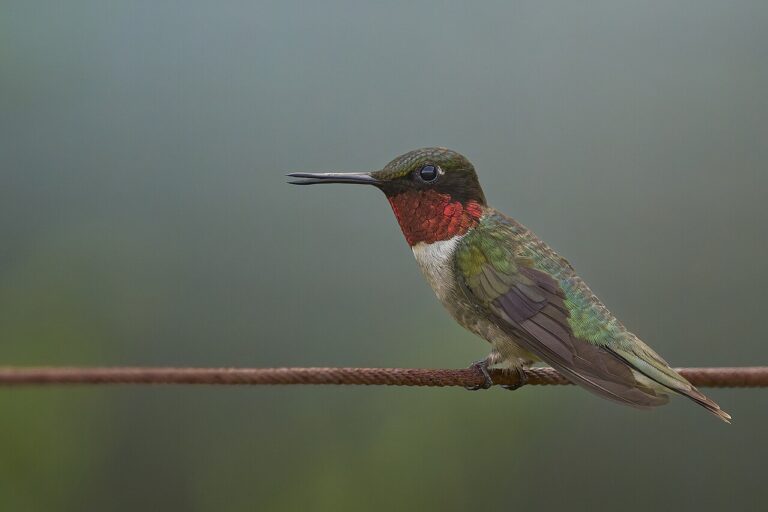
Why Do Birds Chirp at Night? Causes Explained
Why do birds chirp at night? If you have ever lain awake listening to a bird singing at two in the morning, you are hearing one of several natural behaviors. Some birds are genuinely nocturnal, some daytime songbirds are fooled into singing by artificial light, some unmated males sing through the night to attract a partner, and some call sharply in alarm when a predator disturbs their roost. Night chirping is normal and has clear explanations. This guide covers every reason birds sing after dark and how to identify the likely culprit.
| Nocturnal species | Owls, whip poor wills, some others active by nature |
| Light pollution | Streetlights trick robins and others into dawn singing |
| Unmated males | Mockingbirds especially sing all night to attract mates |
| Alarm calls | Sudden loud bursts when a predator nears the roost |
| Season | Peaks in spring and early summer breeding season |
| Most common culprit | Northern mockingbird under a bright light |
Reason One: Some Birds Are Naturally Nocturnal
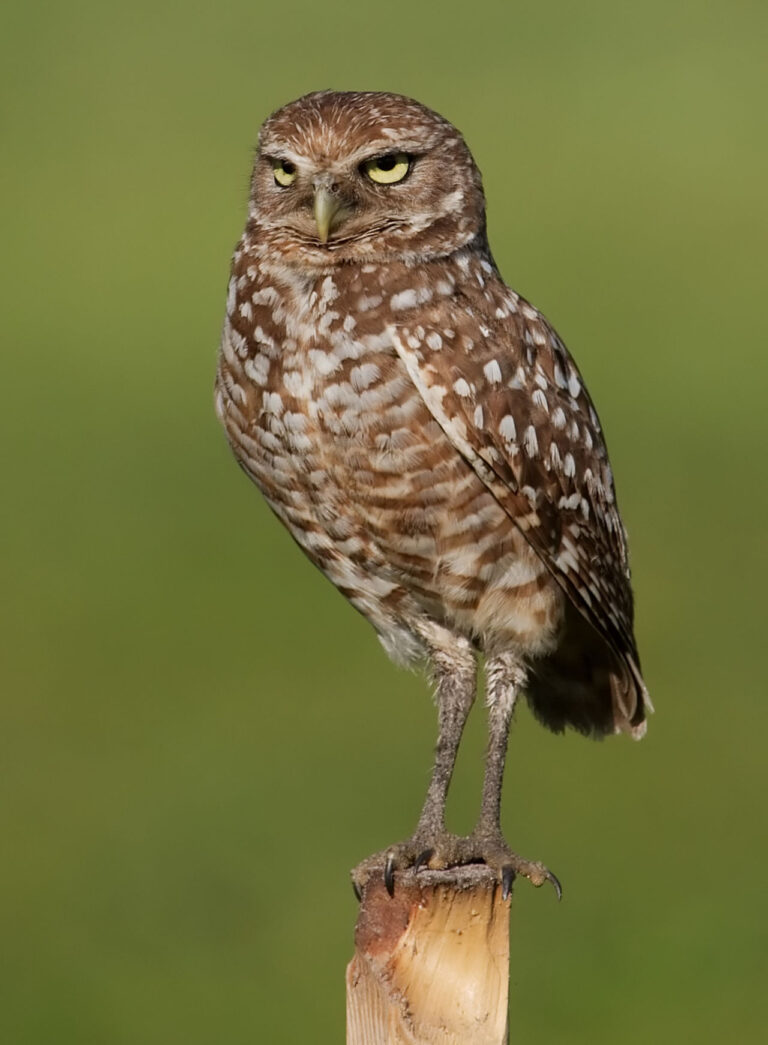
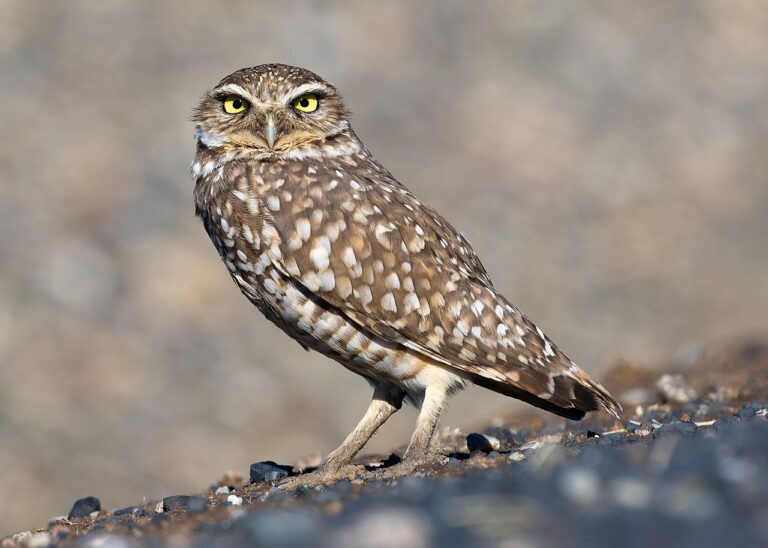
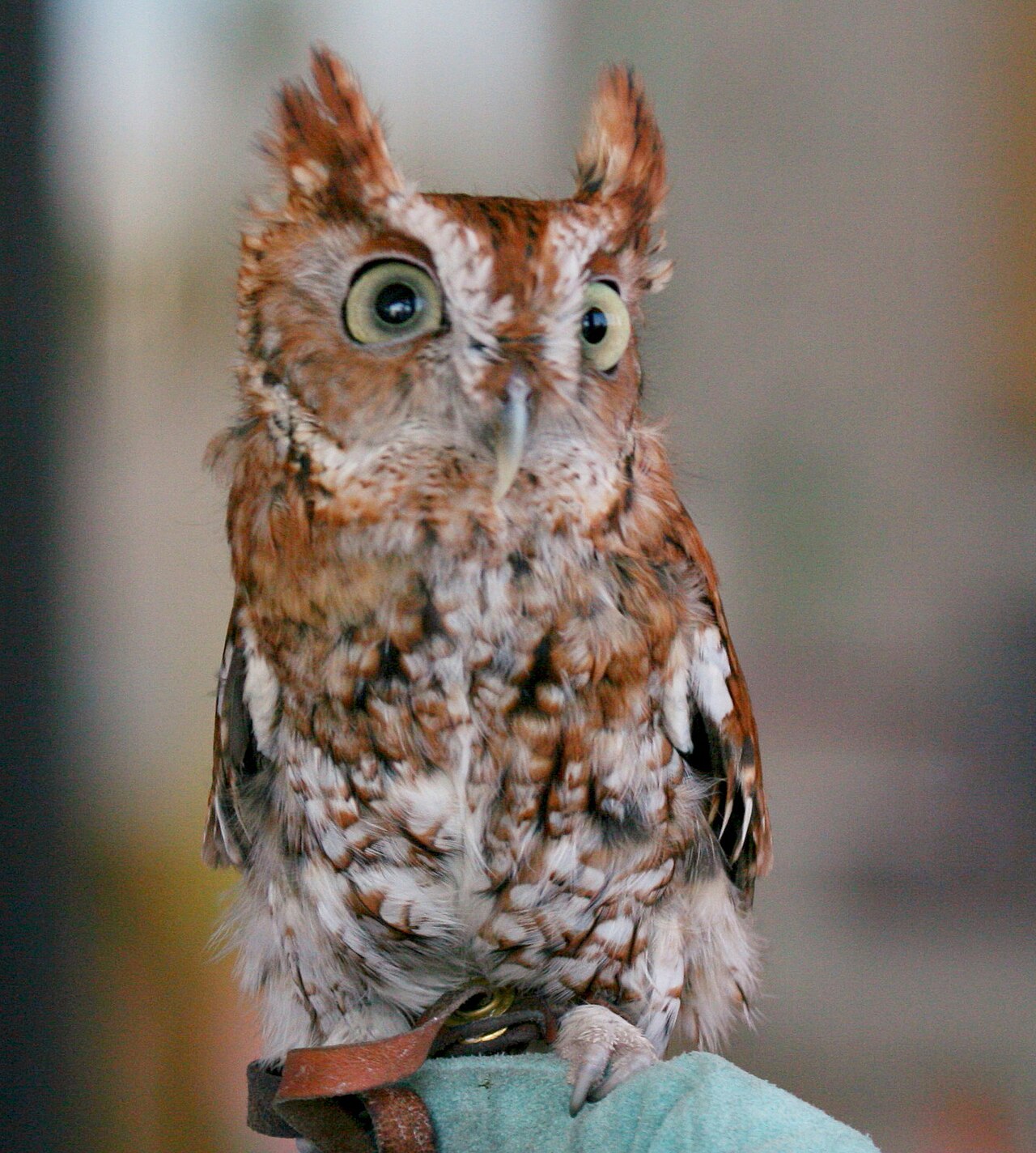
The simplest explanation is that certain birds are supposed to be active at night. Owls hunt and call after dark, whip poor wills and nightjars sing their names into the darkness on summer evenings, and some marsh birds and migrating flocks vocalize at night by design. If you hear hooting, a rhythmic repeated call, or thin flight notes passing overhead, you may simply be listening to a nocturnal species going about its normal routine. These birds are not confused; the night is their day. Our guide to types of owls covers the most familiar after dark callers.
Reason Two: Light Pollution Fools Daytime Birds
The most common cause of night singing in the suburbs is artificial light. Streetlights, floodlights, porch lights, and the glow of buildings disrupt the internal clocks of normally diurnal songbirds. The bright light mimics the first hint of dawn, and the bird’s brain responds by switching on the dawn song program in the middle of the night. American robins are notorious for this, often singing under a streetlight hours before sunrise. According to the Cornell Lab of Ornithology, urban light is a well documented driver of altered singing schedules in songbirds. If a normally daytime bird is singing near a bright light source, light pollution is almost certainly the reason. Learn more in our dawn chorus guide.
Reason Three: Unmated Males Advertising for a Mate
For some species, singing at night is a deliberate strategy to find a partner. The northern mockingbird is the classic example. Unmated male mockingbirds sing persistently, loudly, and for long stretches, including right through the night, especially in spring. The night singing broadcasts the male’s fitness and availability when there is less competing noise. Tellingly, once a male finds a mate, the relentless nighttime performances usually taper off. So the tireless singer keeping the neighborhood awake in May is often a lonely bachelor advertising for a female. This is why night singing peaks during the breeding season and fades as pairs form. Explore the wider topic in our why do birds sing guide.
Reason Four: Alarm Calls in the Dark
A sudden, sharp outburst of chirping at night is different from steady song. It is often an alarm. When a predator such as a cat, owl, raccoon, or snake approaches a roosting site, birds may erupt in loud warning calls to alert others and startle the intruder. These bursts are brief and agitated rather than musical, and they can ripple through a group of roosting birds. If your yard suddenly explodes with harsh calls after dark and then falls silent, a nighttime predator moving through the area is the likely cause. The birds are doing exactly what their alarm system evolved to do.
What Bird Is Chirping at Night in My Yard?
To identify your night singer, use a few clues. A rich, endlessly varied song with repeated phrases, especially under a light in spring, is almost always a northern mockingbird. A cheerful caroling before dawn near a streetlight is likely an American robin fooled by the light. Hooting is an owl, and a rhythmic name like call on a summer night in the country is often a whip poor will. Brief harsh bursts followed by silence point to an alarm event. Timing, location, and the quality of the sound together will usually name the bird. For daytime identification of the same species, see our backyard bird identification guide.
The Spiritual and Cultural Side of Night Song
Because night bird song is striking and a little eerie, many cultures have attached meaning to it. In various folk traditions a bird calling at night has been read as a message, an omen of change, or a visit from a departed loved one, with owls in particular carrying heavy symbolic weight in many belief systems. These interpretations are cultural and personal rather than scientific; biologically, the causes are the natural ones described above. If you are drawn to the symbolic angle, our guides to individual species touch on the folklore surrounding familiar backyard birds.
Seasonal Patterns of Night Singing
Night singing is not random through the year; it follows a strong seasonal rhythm tied to breeding. The vast majority of nighttime song occurs in spring and early summer, when the drive to claim territory and attract mates is at its peak. This is when unmated male mockingbirds sing most relentlessly and when light confused robins are most likely to strike up before dawn. As summer progresses and pairs settle into raising young, the nighttime singing fades. By late summer and fall, a bird chirping at night is far more likely to be a nocturnal species or an alarm response than a singing male. Knowing this seasonal pattern helps you interpret what you hear: persistent musical night song in May is almost certainly a courting male, while the same sound in October points to a different cause.
What to Do About Birds Singing at Night
If a night singer is disturbing your sleep, there are humane, practical steps to take, and it helps to remember the bird is following natural instincts, not being a nuisance on purpose. Since artificial light is the most common trigger, start there: shield or redirect outdoor lights, switch to motion sensor fixtures, and close blinds to reduce the light spilling into the bird’s roost area. Blackout curtains and a white noise machine or earplugs can help you sleep while the bird does its thing. Resist any urge to harm or harass the bird, which is both unkind and, for native species, illegal in many places. In most cases the singing is seasonal and will pass within a few weeks as the breeding season winds down or the male finds a mate. For the daytime version of the same behavior, see our dawn chorus guide.
Related reading: how do birds mate.
Frequently Asked Questions
Why do birds chirp at night?
Birds chirp at night for several reasons: some are nocturnal species that are naturally active after dark, some are disturbed by artificial light that tricks them into singing, some unmated males sing at night to attract females, and some call in alarm when a predator disturbs the roost.
What bird chirps at night?
Common night singers include the northern mockingbird, especially unmated males, along with American robins near streetlights, whip poor wills, owls, and mourning doves at dawn. In many suburbs a mockingbird singing under a bright light is the usual culprit.
Is it normal for birds to chirp at night?
Yes, it is normal. Night chirping is natural behavior, whether from truly nocturnal birds, light confused songbirds, or unmated males advertising for a partner. It is not a sign that anything is wrong with the bird.
Why do birds suddenly chirp loudly at night?
A sudden burst of loud calling at night is often an alarm response. A predator such as a cat, owl, or raccoon near a roost can trigger sharp warning calls. Bright lights and passing disturbances can also set off a brief chorus.
Does light pollution make birds sing at night?
Yes. Artificial light from streetlights, buildings, and homes is a major cause of night singing in normally daytime birds. The light disrupts their internal clock and mimics dawn, prompting robins and other songbirds to sing in the middle of the night.
Do unmated birds sing more at night?
Yes. In some species, notably the northern mockingbird, males that have not yet found a mate sing far more persistently, including through the night. Once a male pairs up, the nighttime singing usually drops off sharply.
What does it mean spiritually when birds chirp at night?
Across various folk traditions, night bird song has been read as a message, an omen, or a sign of change, with owls in particular carrying symbolic weight. These are cultural interpretations rather than biological facts; scientifically, night chirping has natural causes.