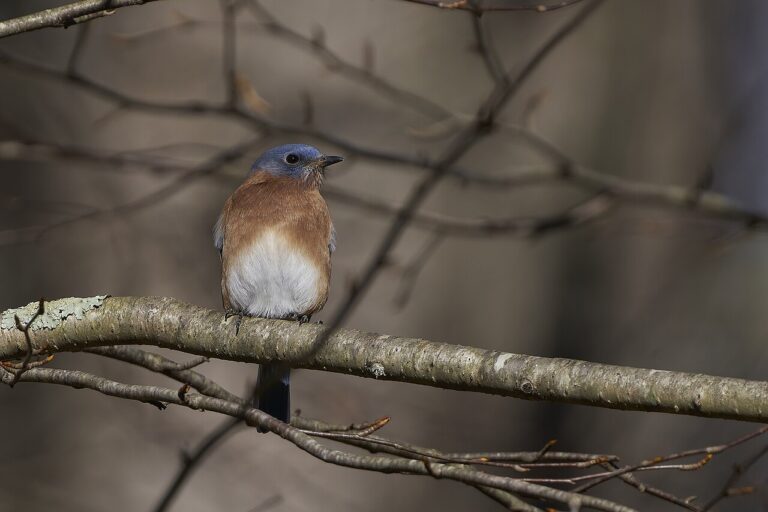
Why Do Birds Sing in the Morning? The Dawn Chorus Explained
Why do birds sing in the morning? That glorious wave of song before sunrise, known as the dawn chorus, happens because early morning is the perfect time to broadcast a message. The air is calm and cool so sound travels farther, it is still too dark to hunt for food efficiently, and a male who sings at first light is announcing that he survived the night and still holds his territory. Add the drive to attract a mate, and dawn becomes the loudest, most concentrated singing of the day. This guide explains the science of the dawn chorus and which birds join it.
| Main reasons | Defend territory and attract mates |
| Why dawn | Calm air carries sound, too dark to forage, survival signal |
| Name | The dawn chorus |
| Peak time | The hour around sunrise |
| Peak season | Spring and early summer breeding season |
| First singers | Large eyed birds like robins that see in low light |
The Two Big Reasons: Territory and Mates
Nearly all bird song serves two purposes, and both peak at dawn. The first is territory defense. A male singing loudly from a perch is telling rival males that this patch is taken and defended, which reduces the need for actual fights. The second is mate attraction. A strong, complex, tireless song advertises the male’s quality to females, who use it to choose a partner. At dawn, both audiences are listening. Singing first thing broadcasts these two messages when they land with maximum impact, before the day’s foraging and other business begins. To go deeper on the purpose of song, see our complete guide to why birds sing.
Why Dawn Specifically? The Physics and the Signal
Timing is not random. Several factors make the first light the ideal moment to sing. The early morning air is cool, still, and relatively free of wind and thermal turbulence, which means sound travels farther and stays clearer than it will later in the day. It is also still too dim for efficient foraging, so the bird is not sacrificing feeding time by singing. Perhaps most compelling, singing at dawn is a survival announcement: a male who made it through a dangerous night and immediately sings is signaling his vigor to mates and rivals alike. According to the Cornell Lab of Ornithology, this combination of good acoustics and honest signaling explains why so many species pack their singing into the first hour of light.
What Is the Dawn Chorus?
The dawn chorus is the name for the surge of overlapping bird song that rises before sunrise and peaks in the first hour of daylight, most dramatically in spring. It is not chaos; there is structure to it. Species tend to join in a fairly predictable sequence based partly on eye size and light sensitivity, layering voice upon voice until dozens of birds are singing at once. The result is one of the great natural performances, free to anyone willing to wake early. In peak season a single suburban yard can host a rich chorus of robins, cardinals, wrens, and sparrows all singing together.
Which Birds Sing First in the Morning?
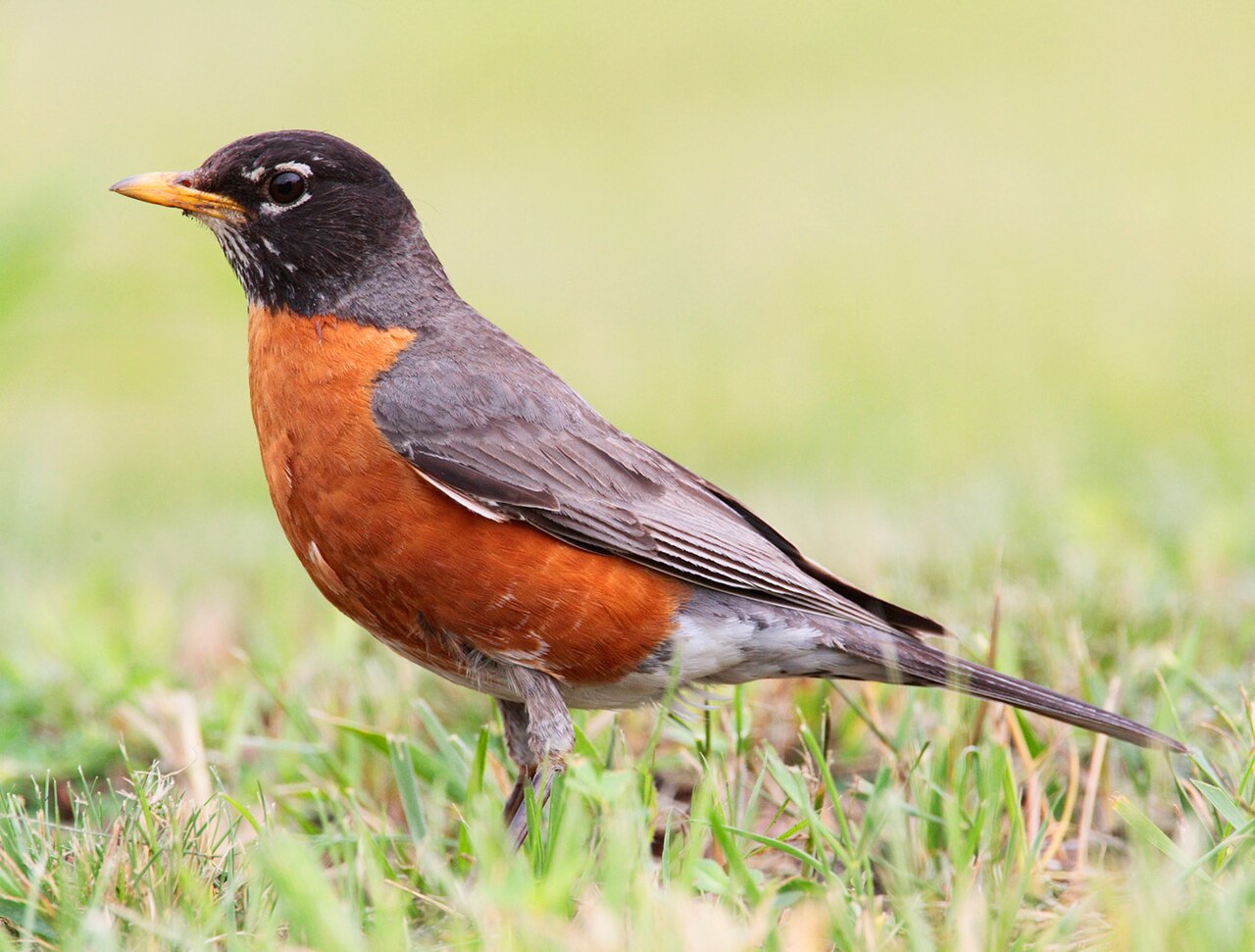
There is a rough running order to the chorus, and it correlates with how well a bird sees in dim light. Birds with larger eyes, such as the American robin, can detect the faint pre dawn light earliest and often strike up first, sometimes well before sunrise. They are typically followed by species like wrens, cardinals, titmice, and various sparrows as the light strengthens, with the full ensemble assembling around sunrise. This ordering is consistent enough that experienced birders can gauge how close sunrise is by which species are singing. Our Carolina wren guide covers one of the loudest early voices.
Why Song Peaks in Spring and Fades by Midday
Two patterns shape when you hear the most song. Seasonally, singing surges in spring and early summer, the breeding season, when the territory and mate messages matter most, then fades as pairs form and raise young. Daily, singing is front loaded at dawn and drops off as the morning progresses. Once the sun is fully up, the acoustic advantage of the calm early air disappears and birds turn to the day’s real work of finding food. The urgent messages have already been sent at first light, so there is little reason to keep singing at full volume. This is why a yard that rang with song at six in the morning can seem almost quiet by ten. For the flip side of this schedule, read why some birds sing after dark in our night singing guide.
How Weather and Season Shape the Dawn Chorus
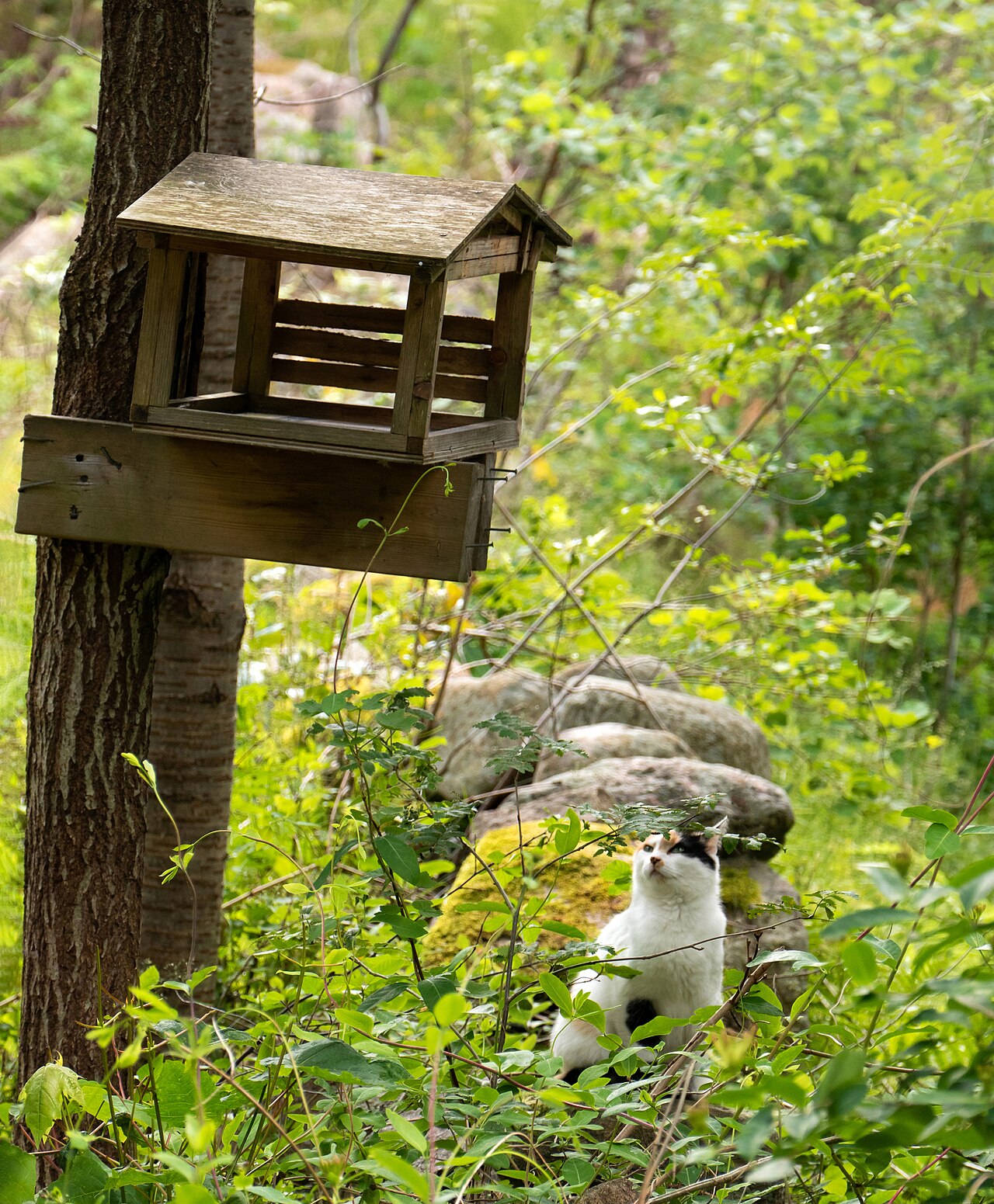
The dawn chorus is not the same every morning; it responds sensitively to weather and the calendar. On still, clear mornings the chorus is at its fullest, because calm air carries song best and birds sing with confidence. Wind, heavy rain, and cold can suppress it, as birds conserve energy and their song does not travel well. Seasonally, the chorus builds through late winter and early spring, peaks in late spring when territories are being established and mates courted, and then diminishes through summer as breeding winds down. By midsummer many birds have largely stopped singing, and the dawn chorus becomes a shadow of its May glory. This is why birders treasure the spring mornings: the chorus is a fleeting seasonal event, richest for only a few precious weeks each year.
How to Enjoy and Learn from the Dawn Chorus
The dawn chorus is one of the most rewarding ways to learn bird song, precisely because so many species sing in a concentrated window. To make the most of it, pick a still spring morning and get outside about half an hour before sunrise, before the peak. Start by picking out one voice at a time rather than trying to absorb the whole wall of sound. Learn the earliest singers first, since they perform in relative isolation before the full chorus assembles. A sound identification app can help you name unfamiliar voices, and keeping notes on which species sing in what order builds your skills quickly. Over a few mornings you will begin to hear the chorus not as noise but as a layered conversation of individual birds. Our bird identification guide pairs well with this listening practice, and the Carolina wren and cardinal guides cover two of the loudest early risers.
How to Enjoy the Dawn Chorus
You do not need special gear to appreciate this daily concert. Step outside about half an hour before sunrise, stay still, and let your ears adjust to the layered wall of sound. Try to pick out one voice at a time, since the earliest singers such as robins and thrushes start well before the later finches and sparrows join in. A warm drink and a comfortable seat facing your garden turn the routine into a habit. Keep a simple notebook of which species you hear first each morning, and over a season you will notice the chorus shift as breeding winds down and new birds arrive.
Related reading: how do birds sleep.
Frequently Asked Questions
Why do birds sing in the morning?
Birds sing in the morning to defend territory and attract mates when conditions are ideal. At dawn the air is still and sound carries farther, it is too dark to forage efficiently, and singing announces that the male survived the night and holds his territory. This concentrated singing is called the dawn chorus.
What is the dawn chorus?
The dawn chorus is the wave of intense bird song that begins before sunrise and peaks in the first hour of light, especially in spring. Different species join in a fairly predictable order, building into a layered chorus of many birds singing at once.
What time does the dawn chorus start?
It typically begins in the half hour to hour before sunrise and peaks around sunrise, then tapers through the morning. The exact timing shifts with the season, moving earlier as spring days lengthen and starting latest in winter.
Which birds sing first in the morning?
Robins and other large eyed birds often start first because they can see in low light. They are usually followed by species like wrens, cardinals, and sparrows, with the full chorus assembling as light increases.
Why do birds sing more in spring?
Spring is the breeding season. Males sing to claim territory and attract mates, so song output surges from late winter through early summer and fades once pairs form and young are raised.
Do female birds sing in the morning?
In most familiar backyard species the male does the majority of dawn singing, but females of some species do sing, and in certain birds pairs even duet. Song is not exclusively a male behavior across all birds.
Why do birds stop singing later in the day?
Once the sun is up, birds shift to feeding, and the acoustic advantage of the calm early air fades. Territory and mate messages have already been broadcast at dawn, so singing drops off and birds spend the day foraging.