Window Bird Feeders: The Complete Guide (Types, Setup & Best Picks)
A window bird feeder mounts directly to a glass window with suction cups, putting wild birds within inches of you on the other side of the glass. It’s the closest you’ll ever get to a wild bird in your own home, chickadees inches from your coffee, cardinals at eye level, hummingbirds an arm’s reach away. The trade-off is a feeder design with specific quirks: suction cup failures, smaller capacity, and a slower discovery period than free-hanging feeders. This guide covers what window feeders actually are, the three main types, how to set them up so they stay mounted, which birds will visit, the most common problems, and when a window feeder is the right choice for your setup.
What a Window Bird Feeder Is
A window bird feeder is a small bird feeder attached directly to a glass window, usually with strong suction cups, occasionally with adhesive mounts or hooks attached to the window frame. They’re typically 1 to 2 cup capacity, much smaller than free-hanging feeders, and designed for close-up viewing rather than maximum traffic.
The appeal is intimacy. With a window feeder mounted on your kitchen, living room, or office glass, you’ll watch birds from a distance most birders never experience without binoculars. Chickadees inches from your face. A cardinal landing while you do dishes. A hummingbird hovering an arm’s length away. For apartment dwellers, urban birders, or anyone who wants observation more than throughput, window feeders are unmatched.
The technical setup is simpler than freestanding feeders, no pole, no shepherd’s hook, no tree branch required. Just glass, suction cups, a small reservoir, and seed.
If you’re new to backyard birding overall, the complete beginner’s guide covers gear and setup basics. For broader feeder selection, the complete bird feeders guide breaks down every feeder type. This guide goes deep on window feeders specifically.
The Three Window Bird Feeder Types
Window feeders fall into three functional categories, each suited to different goals. The first decision before buying is which type matches what you want from the setup.
Type 1: Window Tray Feeders (The Default Choice)
A window tray feeder is a flat or shallow-walled tray that attaches to glass with suction cups. It’s the most common design and the easiest to use for beginners. Seed sits in an open or semi-enclosed tray; birds land directly on the tray to feed.
Best for: chickadees, titmice, nuthatches, finches, sparrows, sometimes cardinals.
Best seed: black oil sunflower seed, sunflower hearts, mixed seed (high-quality only).
Capacity: typically 1 to 2 cups, occasionally 3 cups in larger models.
Cost: $15 to 40 for most quality models.
The trade-offs: open trays expose seed to rain, snow, and bird droppings. They also accumulate seed hulls that birds leave behind. Most window tray feeders need refilling every 2 to 4 days during active use, and rinsing weekly.
The big-picture appeal: you see everything. The bird lands, walks, picks seeds, and you watch from inches away. A tray with a slight rim or low walls gives birds confidence; pure flat designs can feel too exposed.
Type 2: Window Hopper Feeders (For Larger Capacity)
A window hopper feeder is a small house-shaped reservoir with a tray below where seed dispenses gradually. The hopper holds more seed than a tray (typically 2 to 4 cups), reduces rain exposure, and lasts longer between refills.
Best for: chickadees, titmice, finches, cardinals, occasional small woodpeckers.
Best seed: black oil sunflower, hopper-friendly mixed seed.
Capacity: 2 to 4 cups, sometimes more.
Cost: $25 to 60.
Trade-offs: less open viewing (the reservoir partially blocks the view from inside), more parts to clean, can feel oversized for very small windows.
For windows you can’t access easily for frequent refilling (high windows, hard-to-reach windows), the hopper design is the practical choice.
Type 3: Window Hummingbird Feeders
A window hummingbird feeder is a small nectar reservoir designed for sugar water, attached to glass with suction cups. They’re functionally identical to standard hummingbird feeders, just smaller and window-mounted.
Best for: hummingbirds (every regular US species).
Best food: 1:4 sugar:water nectar (white sugar only, no dye).
Capacity: typically 4 to 10 oz.
Cost: $15 to 35.
Trade-offs: smaller capacity than standalone hummingbird feeders (more frequent refills, especially in hot weather), and seasonal, only useful during hummingbird season in your region.
We cover the broader hummingbird side in the complete hummingbird guide and the sugar water recipe.
How Window Feeders Stay Mounted (And Why They Fall)
The single most common complaint about window feeders is the suction cups fail and the feeder falls off the window, often spilling seed and sometimes breaking. Understanding why this happens, and how to prevent it, is the difference between a feeder that works for years and one that falls every few weeks.
Why Suction Cups Fail
Suction cups work by creating a vacuum between the cup and a smooth surface. Three things degrade that vacuum over time: temperature changes (the rubber expands and contracts), surface contamination (dust, oils, moisture between cup and glass), and accumulated weight pulling the cup off.
The failure modes:
- Temperature swings. A feeder mounted in summer that survives a winter freeze often releases as temperatures drop and the rubber stiffens.
- Sun degradation. Direct sun on suction cups breaks down the rubber over months, making them less elastic and more failure-prone.
- Bird traffic weight. Multiple birds on a feeder add real weight (a chickadee weighs about 0.4 oz, but five chickadees plus a cardinal = a noticeable load).
- Glass surface oils. Cleaning products, hand oils, dust films, even pollen create barriers between cup and glass.
How to Mount Suction Cups Correctly
The mounting procedure that maximizes longevity:
- Clean the glass thoroughly with a streak-free cleaner (window cleaner, not soap). Wipe dry.
- Clean the suction cups with the same cleaner. Wipe dry. Some birders rub the cups with a damp cloth to ensure surface contact.
- Press cups firmly to the glass, pushing toward the center of the cup to expel all air. You should feel the seal grip.
- Wait 10 to 15 minutes before loading the feeder. The cups settle and seal more firmly with time.
- Load the feeder lightly at first. Don’t fill to capacity on day one; let the mount stabilize.
Maintaining the Seal Over Time
Even with perfect mounting, suction cups need maintenance:
- Re-press the cups monthly. Small air infiltrations occur over weeks; pressing the cups back firmly restores the seal.
- Clean cups and glass twice a year at minimum. Remove the feeder, clean both surfaces, remount.
- Replace suction cups annually if they’re showing wear (yellowing, cracking, or visible stiffness). Replacement cups cost $3 to 8 and dramatically extend feeder life.
For windows where suction cup failures are persistent (especially older single-pane glass or windows in extreme climates), consider feeders with screw-mount or hook-mount options that attach to the window frame instead. These cost more but eliminate the suction cup risk entirely.
Where to Position a Window Feeder
Window feeder placement is different from free-hanging feeder placement because the bird-window collision dynamic changes when the feeder is on the window.
The Critical Window Safety Rule
Window feeders placed less than 3 feet from where birds approach are actually safer than feeders placed 5 to 30 feet away. The danger zone for window strikes is 5 to 30 feet, birds reach injurious flight speed but haven’t identified the obstacle.
A window feeder mounted directly on the glass moves the food source so close that birds can’t accelerate before contact. Cooper’s Hawk attacks aside, birds approaching a window feeder generally land softly rather than striking.
That said: other windows nearby can become collision hazards. A window feeder on your kitchen window draws birds to the area; nearby living room windows become potential strike points. Applied window markers on adjacent glass surfaces help significantly. The American Bird Conservancy maintains a list of effective products.
Best Window Choices
The best windows for feeders:
- Kitchen, living room, or home office windows. Where you actually spend time. The viewing benefit compounds with feeder use.
- East-facing or south-facing windows. Morning sun helps the seed area stay dry; afternoon shade prevents seed spoilage in hot weather.
- Ground floor or first floor. Easier to mount, clean, and refill. Higher floors work but require careful access.
- Windows without nearby outdoor cats. Even with the feeder protected by glass, cats can stress visiting birds enough to reduce visits.
Windows to avoid:
- Bedroom windows. Bird activity at dawn (their most active period) may wake you.
- Tinted or coated windows. Some bird-deterrent coatings make windows unattractive for suction cups; some heat-absorbing coatings can damage suction cup adhesion.
- High-traffic outdoor areas. Constantly opening doors, sliding glass doors, garage doors, disturbance reduces bird trust.
Which Birds Visit Window Feeders
Window feeders attract a slightly different mix than free-hanging feeders. Birds need to feel safe enough to land directly on a structure attached to a building, which is a higher trust threshold than landing on a tree branch.
The most common window feeder visitors:
- Black-Capped and Carolina Chickadees. The first and most reliable visitors at almost any window feeder. They habituate fastest.
- Tufted Titmouse. Often follows chickadees within days.
- White-Breasted Nuthatch. Visits window feeders readily once they’ve discovered them.
- American and Lesser Goldfinch. Visit window feeders, especially during the summer when their flocks are smaller.
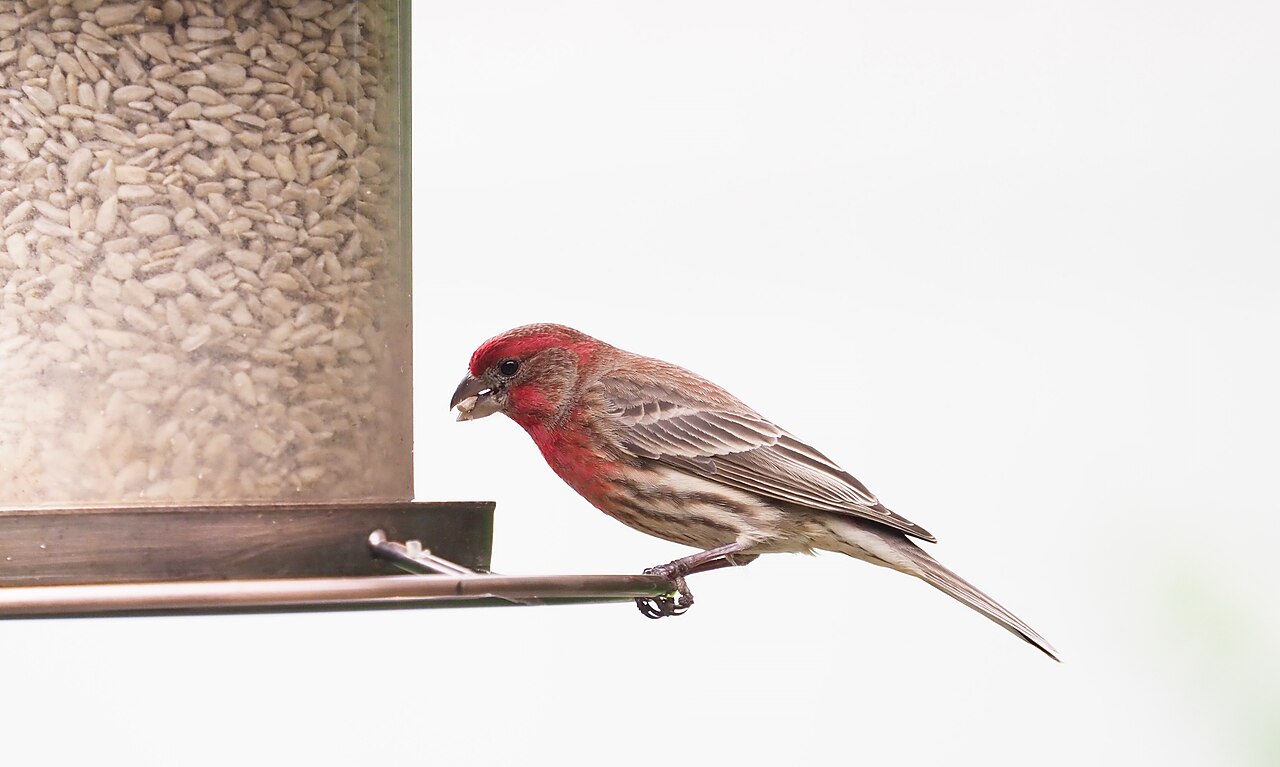
- House Finch and Purple Finch. Common window feeder visitors in their respective ranges.
- Northern Cardinal. Visits window feeders if the design is large enough for their body and offers some shelter from the glass.
- Downy Woodpecker. Will visit window feeders with suet attachments or peanut feeders.
- Hummingbirds. Window hummingbird feeders attract hummingbirds the same way standalone ones do.
Species that rarely visit window feeders:
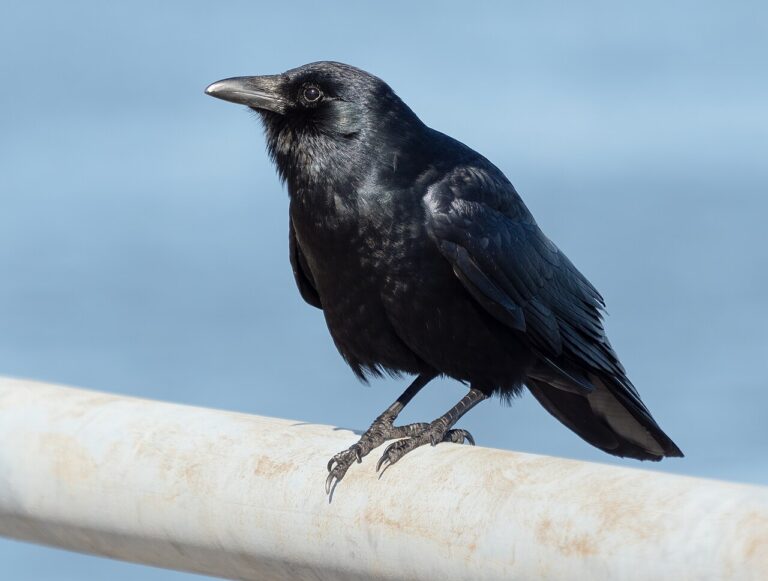
- Blue Jays and crows. Often too cautious about the human proximity, though some learn to use them.
- Ground feeders like juncos, doves, and sparrows. Don’t perch comfortably on elevated window feeders.
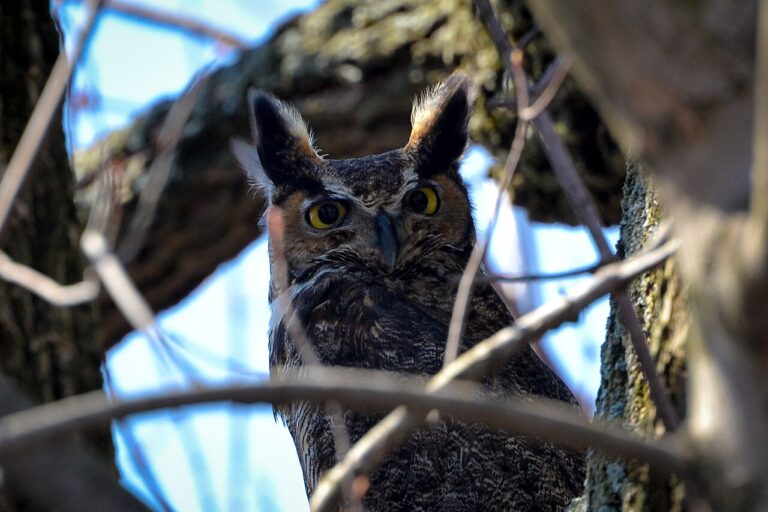
- Most owls, hawks, and raptors. Window feeders are too small and too close to glass.
The species mix is comparable to a small tube feeder but heavier on chickadees and titmice (which are particularly fearless about close human proximity).
How Long Until Birds Use Your Window Feeder
Window feeders typically take 1 to 4 weeks for birds to discover and trust, slightly longer than free-hanging feeders because the human proximity is unfamiliar and the glass surface is unusual.
The discovery timeline:
- Days 1 to 7: Likely no visits. Birds may notice the feeder but watch from cover before committing.
- Days 7 to 14: First curious chickadee or titmouse may make a brief visit. They land, take a single seed, and leave quickly.
- Days 14 to 28: Established use, with the first species (typically chickadees) visiting reliably. Other species begin to follow.
- Day 28+: Multiple species, regular visits, recognizable individual birds.
If your window feeder is still empty after 4 weeks despite proper setup, see the troubleshooting guide for feeders not attracting birds for diagnostic causes. Common window-specific causes: too much human movement near the window, no cover within 10 to 15 feet of the window, suction cups failing intermittently and disrupting bird trust.
What to Look For Before Buying
Not all window feeders are equal. Several features distinguish quality designs from cheap ones that fail quickly. Before purchasing, check:
- Suction cup quality. At minimum 3 cups, ideally 4. The cups should be visibly thick and made of clear or grayish (not yellowed) rubber.
- Drainage holes. Critical for tray and hopper designs. Without drainage, rain pools in the feeder and rots the seed.
- Roof or rain protection. A small roof keeps seed drier and extends time between refills.
- Removable parts for cleaning. A feeder that doesn’t come apart easily won’t get cleaned, and dirty feeders spread disease.
- Material durability. Polycarbonate or thick acrylic last longer than thin plastic. Some cheap designs warp or crack after a year of sun exposure.
- Capacity matched to your refill frequency. If you’ll refill once a week, 1-cup tray is fine. If you want bi-weekly refills, 3+ cup hopper works better.
For specific product recommendations and brand comparisons, see our best window bird feeders guide where we cover individual models in depth with pros, cons, and pricing.
Common Window Feeder Problems and Solutions
Several issues come up regularly. Each has a known solution.
Problem: Feeder Keeps Falling
The suction cups aren’t sealing. Causes: dirty glass or cups, temperature changes, sun degradation, or worn-out cups.
Fix: clean glass and cups, remount carefully, replace cups if they’re stiff or yellowed (cheap; under $10).
Problem: No Birds Come
Most common cause: feeder is too new (give it 4 weeks). Other causes: no cover within 10 to 15 feet of the window, too much human movement, neighborhood with no existing bird traffic, or wrong seed.
Problem: Birds Hit Other Windows in the Area
A new window feeder draws bird traffic, and other windows become collision risks. Apply window markers (dots at 2 to 4 inch spacing) to nearby windows. Move the feeder if strikes continue.
Problem: Seed Spills and Makes a Mess
Open tray designs lose seed when birds feed aggressively. Solutions: switch to a covered hopper design, fill tray only halfway, or place a tray below the window outside to catch spillage.
Problem: Squirrels Find the Feeder
Yes, squirrels can climb window screens, gutters, and downspouts to reach window feeders. Solutions: install metal flashing or smooth aluminum below the window (the height must be at least 6 feet to prevent jumping), or accept that squirrels are part of the deal.
Problem: Glass Gets Dirty
Bird droppings, splashed seed, and natural smudges accumulate on glass behind a feeder. Cleaning the window periodically (every 2 to 4 weeks) keeps the view clear. The feeder may need to be temporarily removed for thorough cleaning.
When a Window Feeder Is the Right Choice
Window feeders aren’t always the optimal choice. They make sense for specific situations and goals:
Best fit:
- Apartment or condo with no yard. Window feeders are often the only practical option.
- Urban or suburban setting without large outdoor space. Same as above.
- Close-up bird watching is the primary goal. The intimate viewing is unmatched.
- Beginner who wants quick visual feedback. Even though discovery takes 1 to 4 weeks, you’ll see every visit and the birds will be at viewing distance.
- Office or home office window where bird traffic adds ambient pleasure during work.
Less ideal fit:
- Maximum-variety yard birding. Free-hanging feeders attract more species and more birds total.
- Very high windows or hard-to-access glass. Refilling becomes a chore.
- Cluttered, multi-window homes with many nearby strike risks.
- Windows you open frequently (the feeder must come off and remount).
A common compromise: use a window feeder as one piece of a broader feeder setup. Most yards benefit from both, a free-hanging pole feeder for variety and quantity, plus a window feeder for close-up daily observation.
Frequently Asked Questions
What’s the best window bird feeder for beginners?
A simple window tray feeder with 3 to 4 quality suction cups, filled with black oil sunflower seed. Capacity of 1 to 2 cups is fine for most users. See our best window bird feeders comparison for specific product recommendations.
Why does my window bird feeder keep falling?
Suction cup failure, usually from dirty glass or cups, worn-out rubber, or temperature changes. Clean both surfaces thoroughly, remount carefully, and replace cups annually if they show wear (yellowing, stiffness, cracking).
How long does it take birds to use a window bird feeder?
Typically 1 to 4 weeks. Chickadees and titmice usually visit first (within 2 weeks); other species follow in weeks 2 to 4. Some yards see birds within days; isolated yards take longer.
Will birds collide with my window if I put a feeder on it?
A window feeder placed directly on the glass reduces collision risk on that specific window because birds can’t reach injurious speed. But it may increase collisions on nearby windows. Apply window markers (dots at 2 to 4 inch spacing) on adjacent glass surfaces to reduce strikes.
What seed should I use in a window feeder?
Black oil sunflower seed for the broadest variety, or sunflower hearts (shelled) for less mess. Avoid generic “wild bird mix”, most contains filler seeds that birds reject. For specifically attracting goldfinches, use nyjer in a dedicated window finch feeder.
Can I use a window feeder in an apartment?
Yes. Window feeders are ideal for apartments because they don’t require yard space, poles, or installation hardware. Suction-cup mounts attach to most apartment windows without damage. Get landlord approval first if your building has rules.
Do window feeders work in winter?
Yes, often better than in summer because birds rely more heavily on feeders during cold months. Check that suction cups stay attached as temperatures drop, some types fail in extreme cold. Premium window feeders are tested for temperature ranges; budget models may release in deep cold.
How often should I clean a window bird feeder?
Rinse with hot water weekly, and deep-clean with a 1:9 bleach-to-water solution every 2 weeks. Always rinse thoroughly after disinfecting. Cleaner feeders attract more birds and prevent disease transmission.
Will my window feeder damage the window?
Properly-mounted suction cups don’t damage glass. Long-term sun exposure can leave faint rings where cups have been; these clean off easily. Remove the feeder briefly every 6 months and clean both glass and cups to prevent any residue buildup.
Can I get window feeders for cats to watch from inside?
Yes, and they’re a popular use. Cats observing birds through a window from inside have no impact on the birds. Just be sure the window is closed and there are no openings the cat could escape through.