Bantam Chicken: Size, Eggs, and Keeping Them
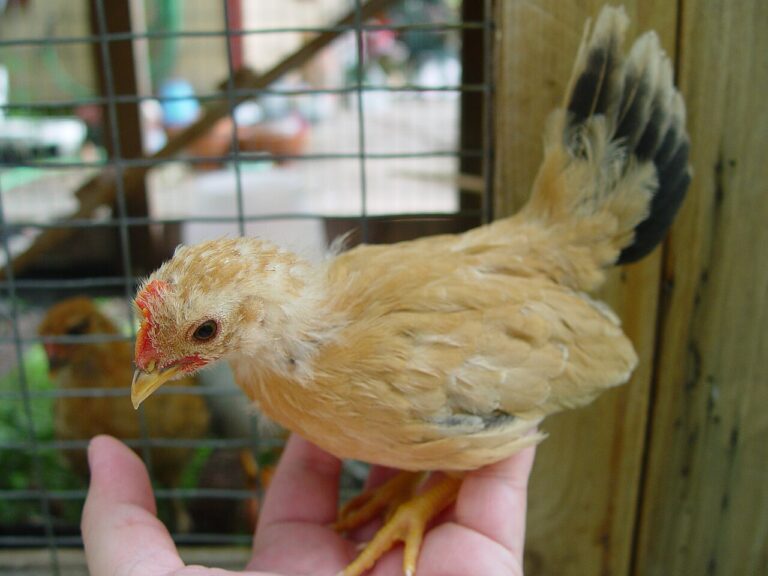
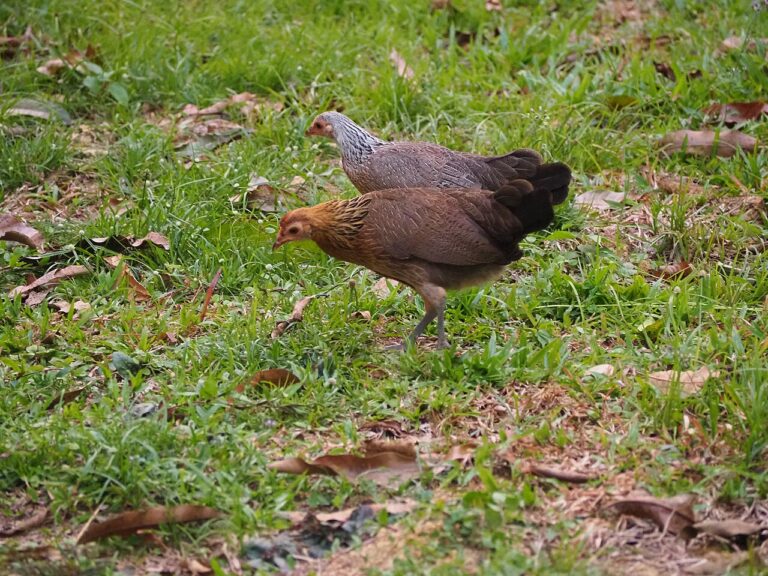
A bantam chicken is a miniature chicken, typically a quarter to a half the size of a standard breed, weighing one to two pounds and laying small eggs at around half the size of a regular one. Some bantams are miniature versions of standard breeds and some, called true bantams, have no large counterpart at all.
They suit small gardens, eat roughly a third to a half as much feed as a standard hen, and are generally friendlier and easier to handle, which is why they dominate the backyard and children’s poultry market. The trade-offs are fewer and smaller eggs, greater vulnerability to predators, and a strong tendency to go broody. This guide covers what they are, egg laying, temperament, housing, and the drawbacks nobody mentions at the point of sale.
A bantam chicken is a miniature breed weighing one to two pounds, a quarter to a half the size of a standard chicken. They lay small eggs, roughly 150 to 200 a year depending on breed, eat far less feed, need less space, and are generally docile. Downsides are predator vulnerability, frequent broodiness, and flighty behaviour in some breeds.
| Feature | Bantam Chicken |
|---|---|
| Weight | 1 to 2 lb; a quarter to half a standard bird |
| Egg size | About half a standard egg |
| Eggs per year | Roughly 100 to 200 by breed |
| Feed | Around a third to half of a standard hen |
| Coop space | About 2 sq ft per bird inside |
| Run space | About 4 to 5 sq ft per bird |
| Lifespan | 5 to 8 years, sometimes longer |
What Is a Bantam Chicken?
A miniature chicken, not a breed in itself. Bantam is a size category, and it splits into two groups: miniature versions of standard breeds, such as bantam Orpingtons, Wyandottes, and Rhode Island Reds, and true bantams, which exist only in miniature and have no large equivalent.
True bantams include Sebrights, Rosecombs, Dutch bantams, Belgian d’Uccles, Serama, and Japanese bantams. Silkies are usually kept as bantams though standard-size Silkies exist in some countries. The Serama is the smallest chicken in the world, with some birds under a pound.
The name comes from Bantam, a port town in Java, where European sailors stocked up on small local chickens and gave the port’s name to the birds. That origin is why the word describes size rather than ancestry. The Polish chicken guide covers a breed available in both sizes.
Do Bantam Chickens Lay Eggs?
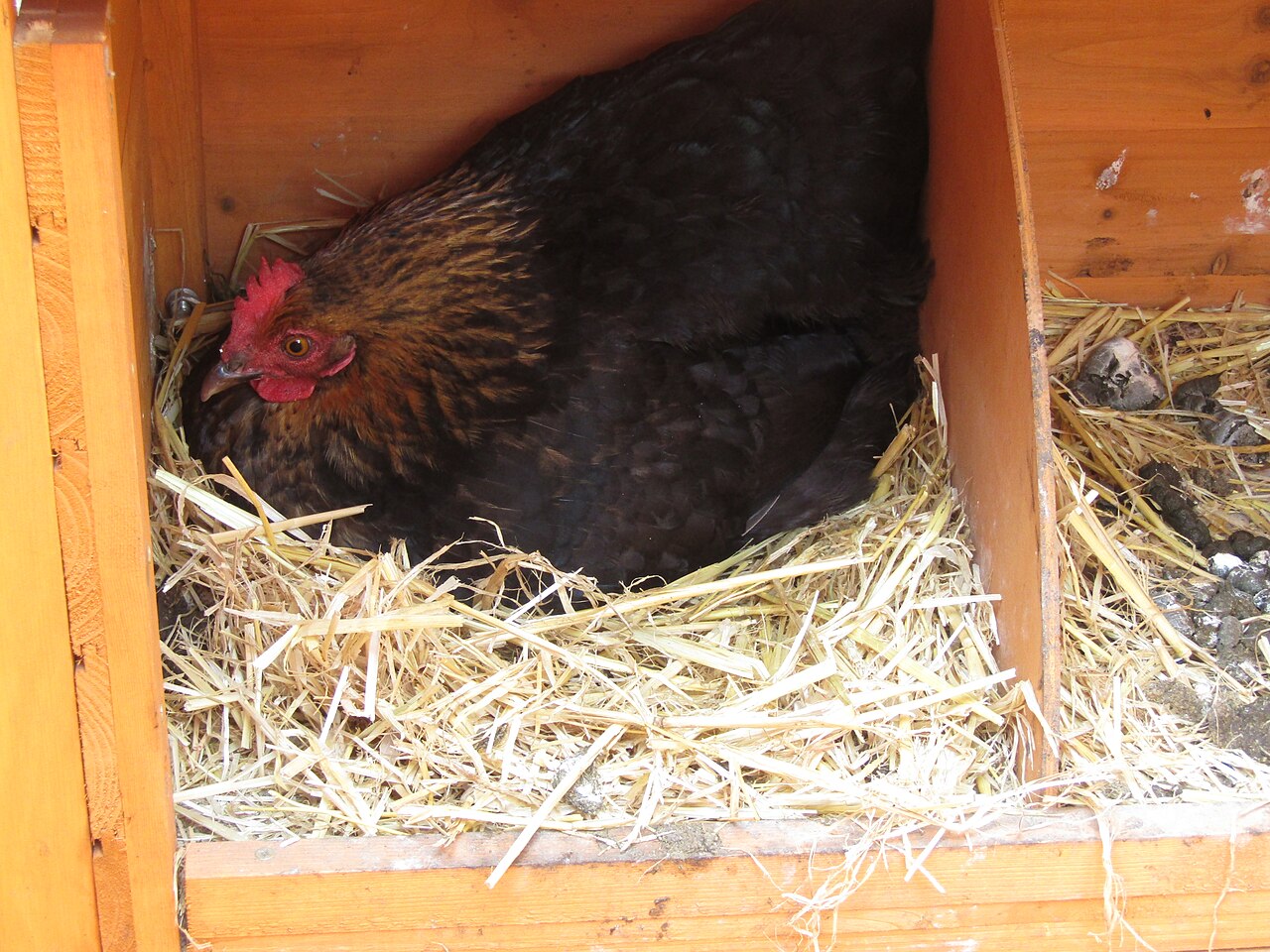
Yes, though fewer and smaller than standard hens. Output varies enormously by breed: a bantam Leghorn or Rhode Island Red may lay 180 to 200 eggs a year, while a Silkie or a Sebright may manage 80 to 120, and ornamental breeds bred purely for show often lay less.
The eggs are roughly half the size of a standard egg, so two or three bantam eggs equal one large one in a recipe. They are nutritionally the same, with a slightly higher yolk-to-white ratio, which some bakers actually prefer.
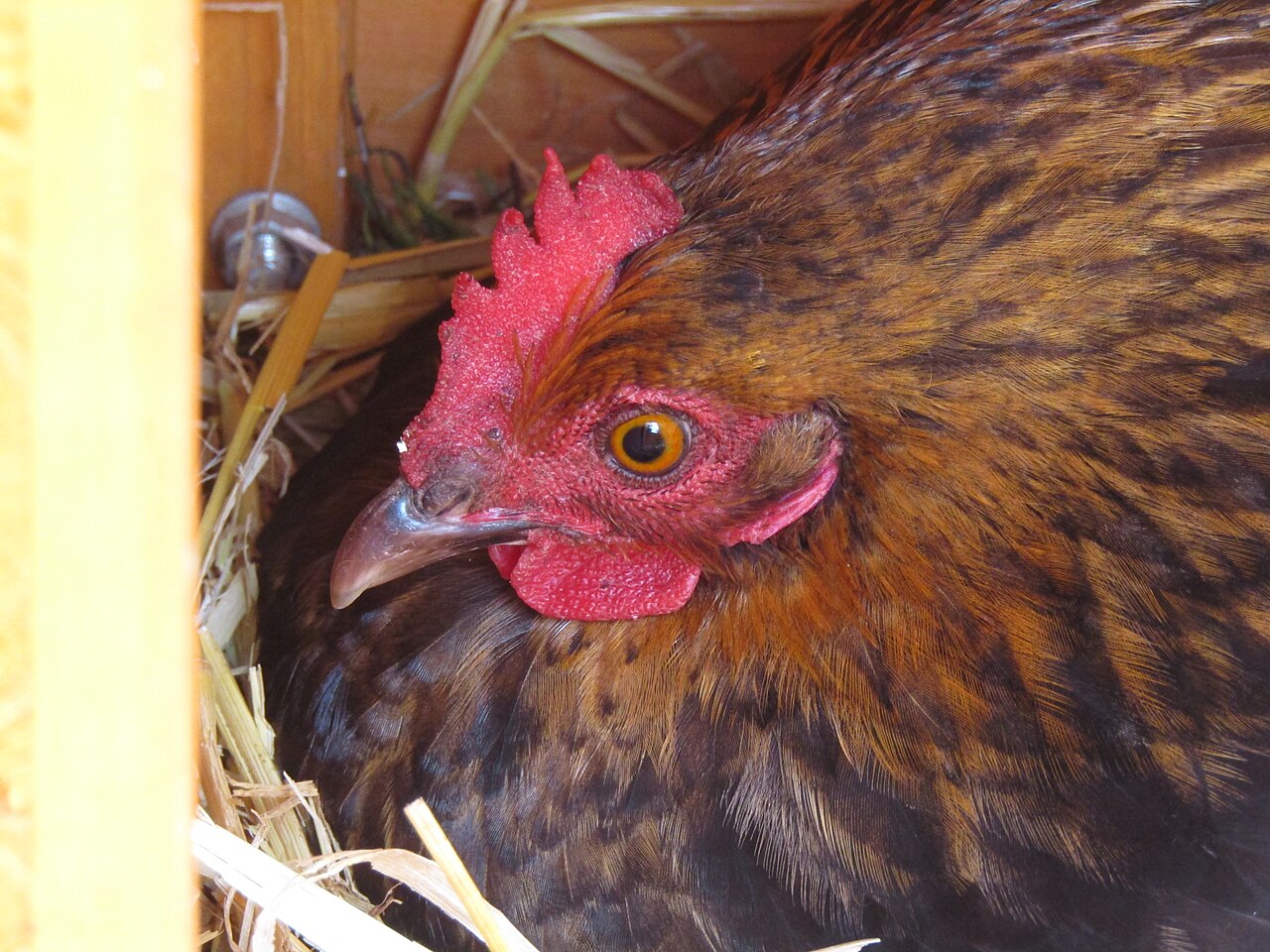
Broodiness is the practical limiter. Many bantam breeds, particularly Silkies and Cochins, go broody readily and repeatedly, and a broody hen stops laying for several weeks each time. That is a nuisance if you want eggs and an asset if you want to hatch them, since bantam hens are among the most reliable natural mothers available and will happily sit on standard eggs.
What Are Bantams Good For?
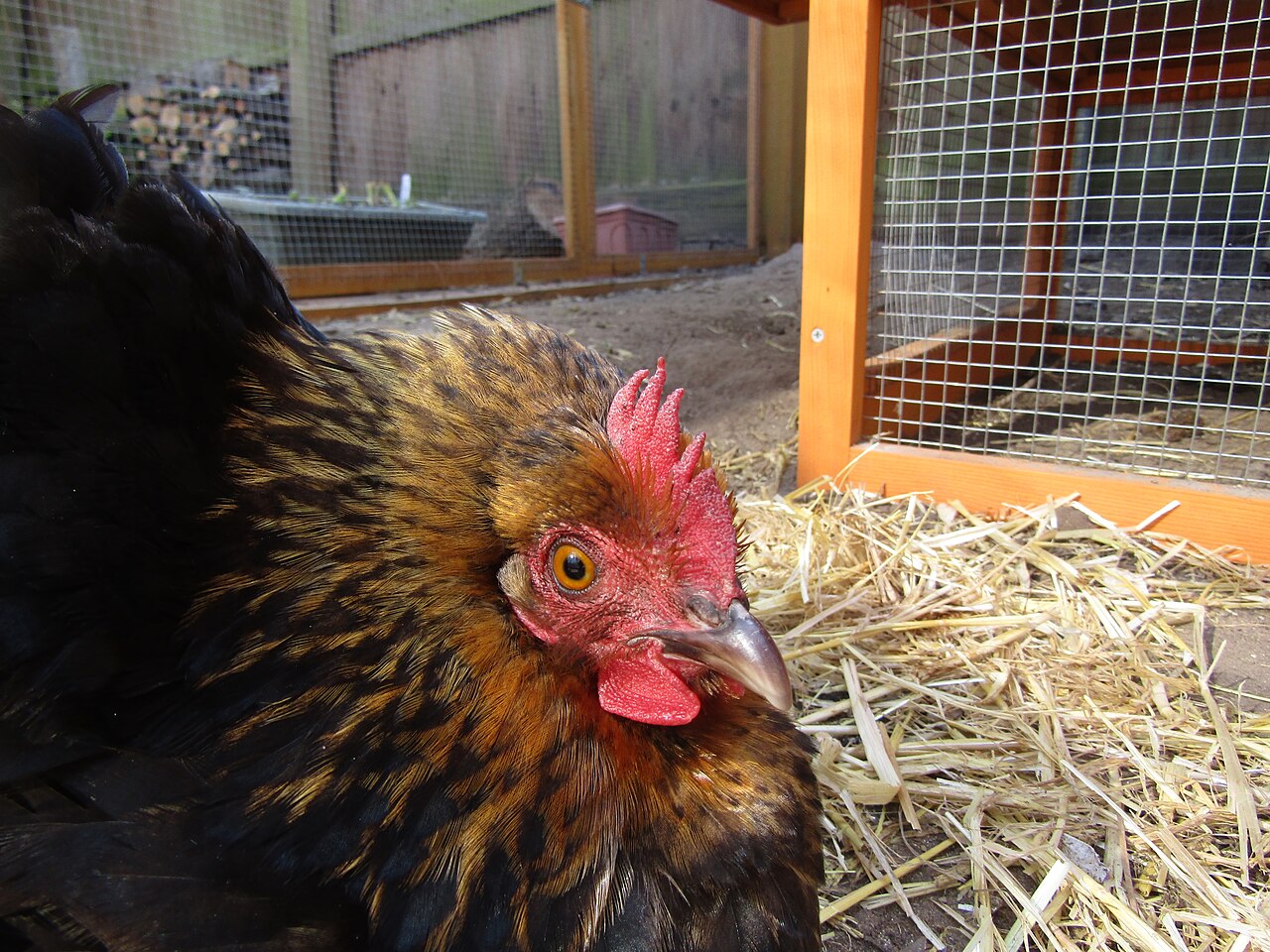
Small spaces, families, and hatching. They need roughly half the coop and run space of standard birds, eat a third to a half as much feed, and do proportionally less damage to a garden because they scratch less vigorously and weigh less.
Temperament is the other major reason people keep them. Many bantam breeds, particularly Silkies, Cochins, Pekins, and d’Uccles, are notably docile, tolerate handling well, and are good with children, which is why they dominate children’s poultry classes and first-flock recommendations.
They are also the standard choice for broody hens. A bantam hen will incubate and raise chicks of any breed reliably, including eggs from breeds that have had broodiness bred out of them, and keeping one or two bantams alongside a laying flock is a common arrangement for exactly that reason. The Brahma chicken guide covers the opposite end of the size range.
What Are the Disadvantages?
Predator vulnerability is the biggest and is often understated. A one-pound bird is prey for things that would ignore a standard hen: hawks, owls, crows, cats, and rats all take bantams and bantam chicks, and rats in particular will kill young bantams that they could not touch at standard size.
Flight is the second issue. Bantams are far better fliers than heavy standard breeds, and many can clear a four-foot fence without effort, which means runs need covering and garden boundaries need to be taken seriously. Covered runs also solve the aerial predator problem, so the two constraints have the same answer.
Then the smaller practical points: fewer and smaller eggs, more frequent broodiness, and greater cold sensitivity in some breeds, particularly those with large single combs or feathered feet that pack with mud and ice. Bantams also get bullied by standard hens in a mixed flock, which is a real management problem rather than a theoretical one.
Are Bantams Easy to Keep?
Yes, and in most respects easier than standard chickens. They need less space, less feed, and lighter equipment, they are easier to catch and handle, and they cause less damage to lawns and beds. For a small suburban garden they are often the only realistic option.
The routine is the same as any chicken: clean water at all times, a complete layer feed appropriate to age, grit, oyster shell for laying hens, dry bedding, a secure coop locked at dusk, and daily checks. Bantams eat around a quarter pound of feed a day compared with a third to a half for standard hens.
Health management is identical too. Red mite, lice, worms, and respiratory infections affect bantams the same way, and the coop needs the same regular cleaning and mite treatment. Dust bathing areas are important and bantams use them heavily, and the guide to chicken treats covers what else can safely go in the run. The chicken flock guide covers the social side of keeping them.
Can You Keep Bantams With Standard Chickens?
You can, but it needs managing. Chickens establish a strict pecking order by size and assertiveness, and a one-pound bantam at the bottom of a flock of six-pound hens gets pushed off feed, off water, and off the roost, sometimes seriously.
Where it works, it usually involves multiple feed and water stations spread far enough apart that a dominant bird cannot guard them all, plenty of space so smaller birds can get out of the way, and roosting bars at different heights. Introducing birds as a group rather than one at a time also helps.
Where it does not work, the usual sign is a bantam that is losing condition, staying away from the flock, or showing feather damage on the back and head. A separate bantam flock, or an all-bantam mixed-breed flock, avoids the problem entirely and is the safer default for anyone new to keeping chickens.
Which Bantam Breeds Should You Choose?
For eggs, bantam versions of laying breeds do best: bantam Leghorn, Rhode Island Red, Australorp, and Wyandotte all lay reasonably well for their size and are less prone to endless broodiness than the ornamental breeds.
For temperament and children, Silkies, Pekins, Cochins, and Belgian d’Uccles are the standard recommendations. Silkies in particular are famously gentle, have fluffy plumage without functional flight feathers so they cannot fly out of a run, and are the most reliable broodies of all. Their plumage does not shed water, so they need dry housing.
For appearance, Sebrights, Rosecombs, Japanese bantams, and Serama are the show birds, striking to look at and generally less practical, with lower egg output and in some cases specific health considerations. Serama in particular are tiny, cold-sensitive, and best suited to experienced keepers. University extension poultry programmes such as the University of Kentucky (uky.edu) publish breed and management guidance for small flocks.
Do Bantam Roosters Crow Less?
They crow just as often but not as loudly, and the pitch is higher and thinner. A bantam rooster’s crow carries less far than a standard rooster’s, which matters in a suburban setting where noise complaints are the usual reason chicken keeping ends.
Frequency is unchanged. Roosters crow at dawn, through the day, at disturbances, and at each other, and no breed or size crows meaningfully less often. Anyone told that bantams are quiet has been told something about volume rather than about frequency.
A rooster is also not needed for eggs, which is the other thing people frequently get wrong. Hens lay without a male present; a rooster is only required for fertile eggs to hatch. Many urban ordinances permit hens and prohibit roosters for exactly this reason, and checking local rules before buying is worth doing since sexing chicks is imperfect and some proportion of straight-run birds turn out male.
How Long Do Bantams Live?
Five to eight years typically, and sometimes into double figures, which is comparable to or slightly better than standard breeds since they carry less body weight and suffer fewer of the reproductive problems that affect heavy commercial layers.
Laying declines well before the end of life. Peak output is in the first two years and drops steadily afterwards, so a flock kept as pets will spend most of its life laying little or nothing. That is worth deciding about before starting rather than after, because the alternative is replacing birds regularly.
Common causes of death are predation, respiratory disease, and in hens, reproductive problems including egg binding and internal laying. Providing a secure coop, keeping bedding dry and dust low, worming appropriately, and maintaining calcium through oyster shell address most of what is preventable. The guide to tomatoes for chickens covers a common garden feeding question.
Frequently Asked Questions
What is a bantam chicken?
A miniature chicken weighing one to two pounds, a quarter to a half the size of a standard bird. Some are miniature versions of standard breeds; true bantams have no large counterpart.
Do bantam chickens lay eggs?
Yes, roughly 100 to 200 a year depending on breed, at about half the size of a standard egg. Two or three bantam eggs equal one large one in a recipe.
What are bantam chickens good for?
Small gardens, families, and hatching. They need half the space, eat a third to a half as much feed, are generally docile, and make the most reliable broody hens available.
What are the disadvantages of bantams?
Predator vulnerability, since a one-pound bird is prey for hawks, cats, and even rats. They also fly well enough to clear a four-foot fence, go broody frequently, and get bullied by standard hens.
Are bantams easy to keep?
Yes, generally easier than standard chickens. Less space, less feed, lighter equipment, and easier handling. Health management, coop security, and mite control are the same as for any chicken.
Can bantams live with standard chickens?
With management. Spread feed and water stations, provide extra space and varied roost heights, and watch for a bantam losing condition. A separate bantam flock avoids the problem entirely.
How long do bantam chickens live?
Five to eight years and sometimes longer, comparable to standard breeds. Laying peaks in the first two years, so a pet flock spends most of its life producing few eggs.

Similar Posts
Brahma Chicken: Size, Varieties, and Keeping a Giant
Brahma roosters hit 12 pounds and hens lay through winter. Here are the varieties, housing needs, feathered foot care and the real trade-offs.
Can Chickens Eat Pineapple? Safe Amounts, Skin, and Core
Chickens can eat pineapple flesh in moderation, but the skin, core, and leaves need care. Here are safe amounts, real risks, and the best way to serve it.
Can Chickens Eat Bread? Safe Amounts and the Mold Rule
Chickens can eat bread but it is nearly empty calories, and moldy bread is genuinely dangerous. Here is how much is safe and what to feed instead.
Can Chickens Eat Cantaloupe? Yes, Here’s How Much
Find out if chickens can eat cantaloupe flesh, seeds, and rind, how much to feed, and which other melons are safe treats.
Small Chicken Breeds: 9 Compact Birds for Backyard Flocks
Ten small chicken breeds compared by weight, eggs per year, and temperament, from the 13 oz Serama to the broody Silkie bantam.
What Can Chickens Eat? The Complete Safe Foods List
Which fruits, vegetables, and kitchen scraps are safe for backyard chickens, the 90/10 treat rule, and what to never feed them.