What Do Tadpoles Eat? Wild Diet and Feeding at Home
Tadpoles graze algae until their gut rebuilds itself into a carnivore’s. Here is what they eat at each stage and how to raise them without killing them.
Beyond the feeder. Guides to the mammals, reptiles, and other wildlife that share your backyard, from squirrels and raccoons to deer and foxes.
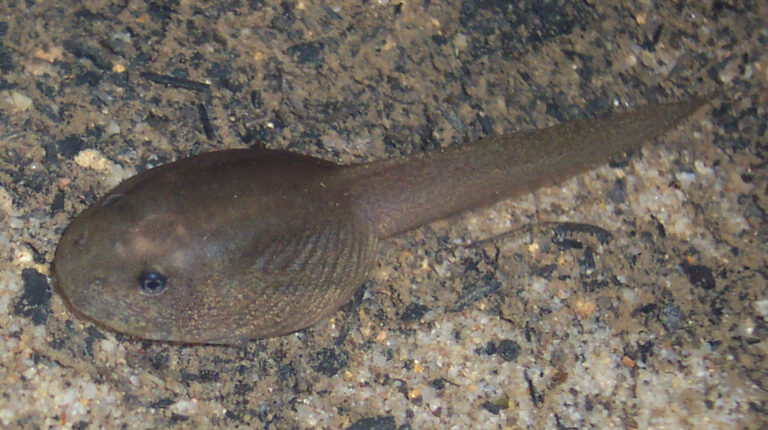
Tadpoles graze algae until their gut rebuilds itself into a carnivore’s. Here is what they eat at each stage and how to raise them without killing them.
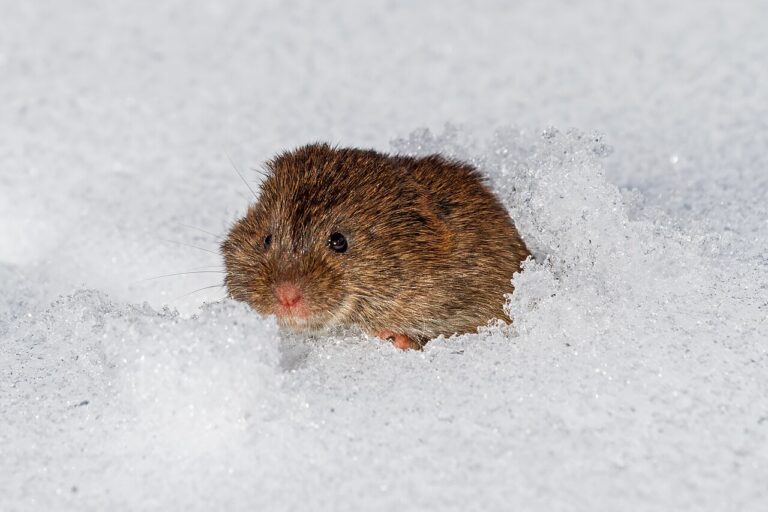
Voles or moles? Identify first, because the fixes differ completely. Here is what works on voles, what to skip, and how to protect your trees.
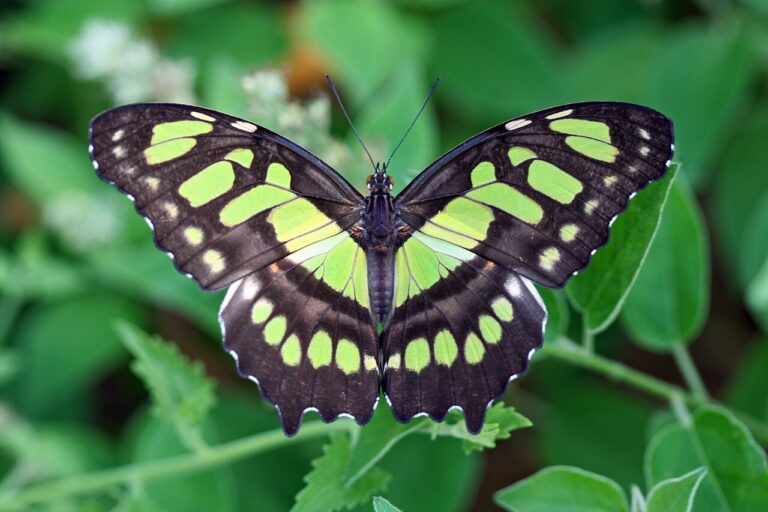
Butterflies have no green pigment, so every green butterfly builds the color another way. Here are the species you can find and what they mean.
Black caterpillars are identified by what accompanies the black. Here is how to tell leopard moth, swallowtail, spiny elm and tent caterpillars apart.
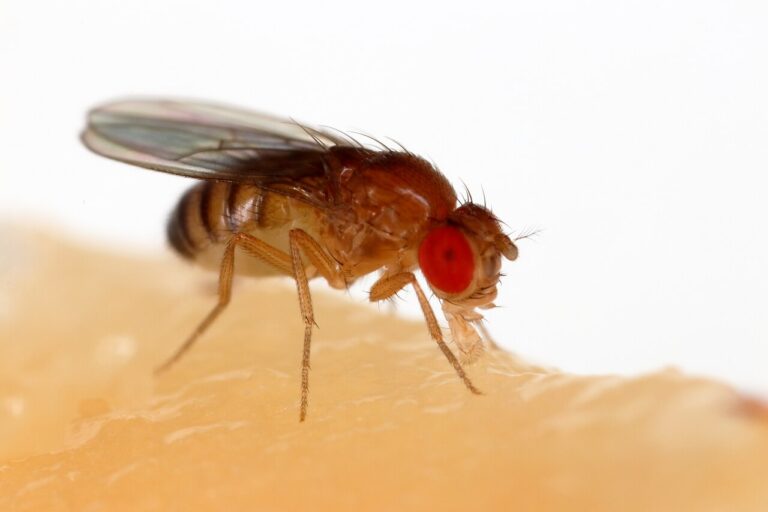
Traps alone never work. Here is the vinegar trap that actually catches them, how to find the breeding site, and why drains are usually the culprit.
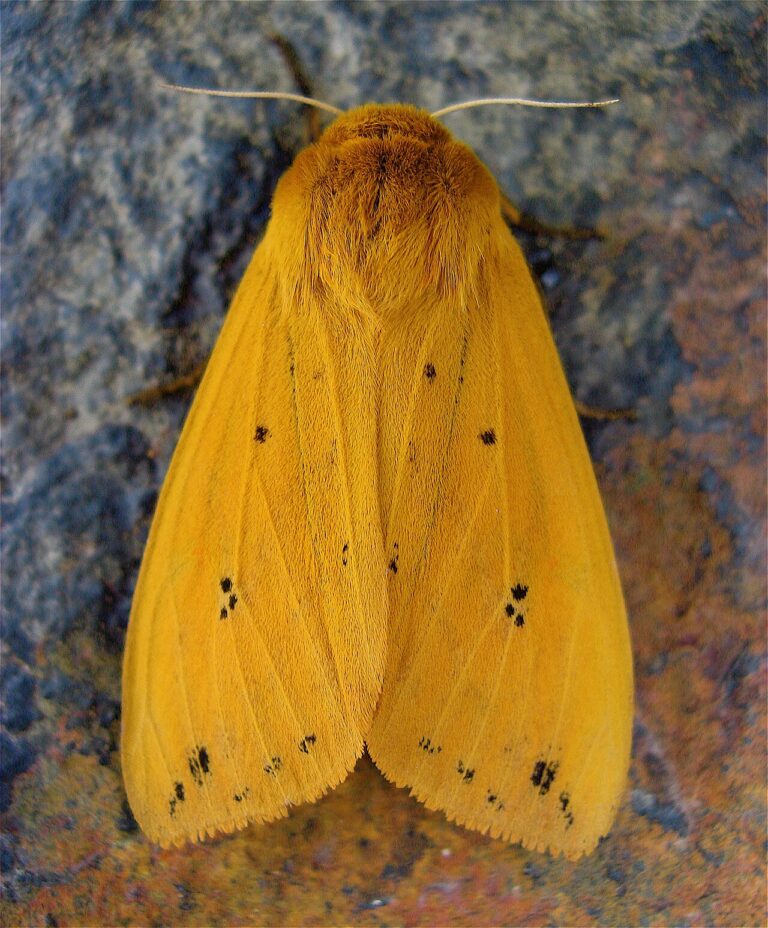
The woolly bear does not predict winter, but it does freeze solid and survive. Here is what the bands really mean and what it turns into.
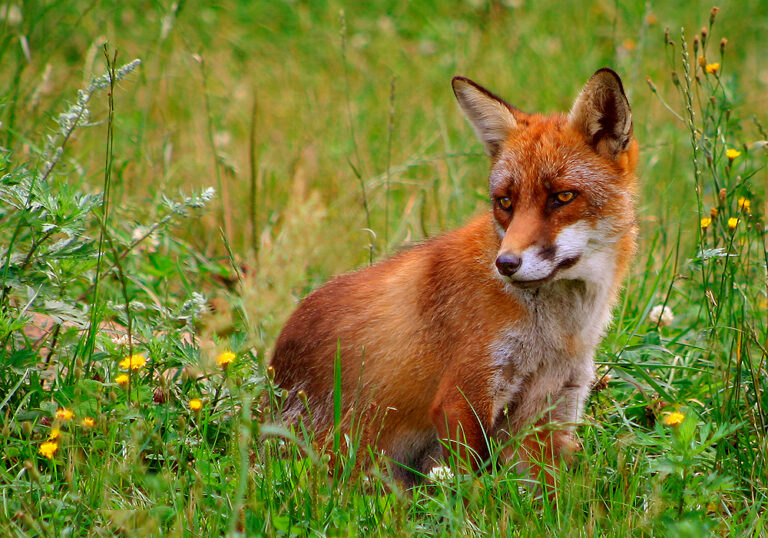
Foxes pose almost no risk to people and little to cats and dogs, but they are a serious threat to chickens. Here is what each risk actually looks like.
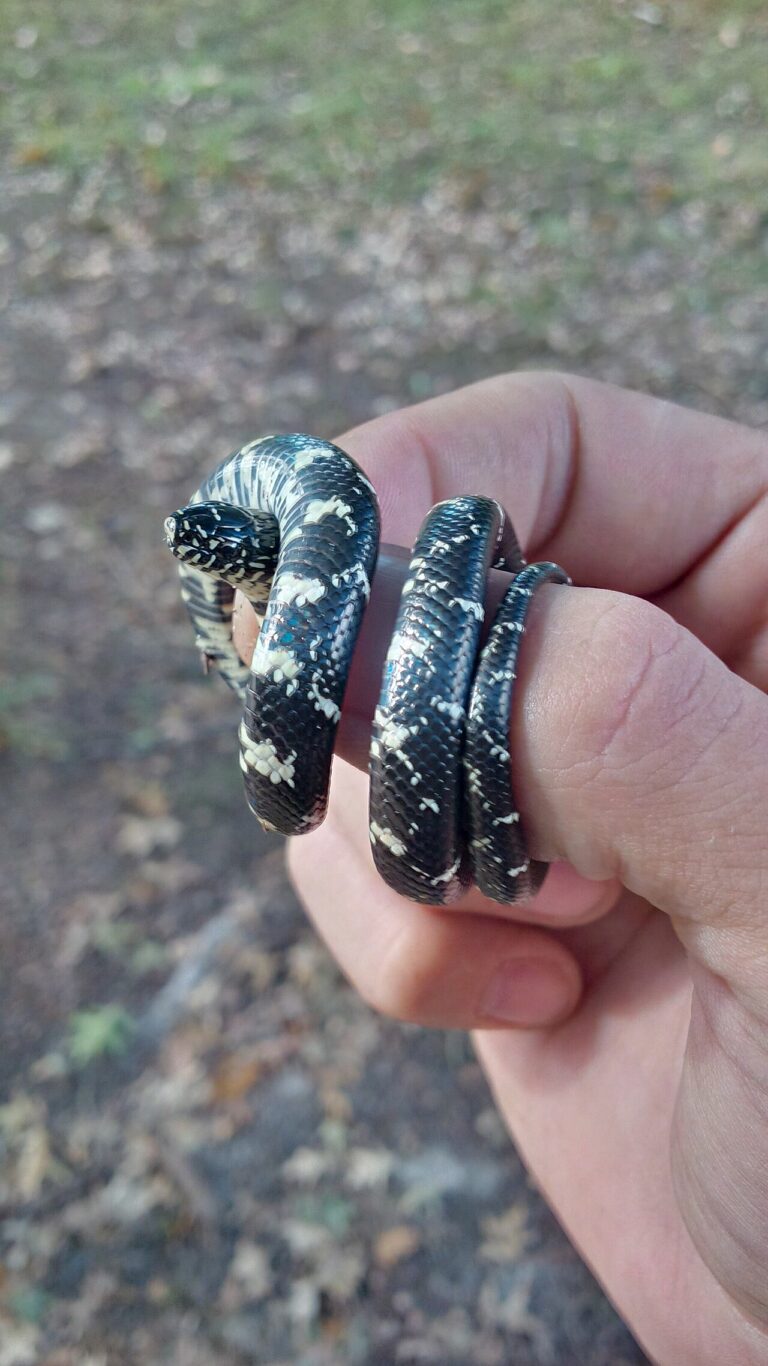
King snakes eat rattlesnakes and survive their venom. Here is the full genus, the coral snake comparison, what they eat, and how to keep one.
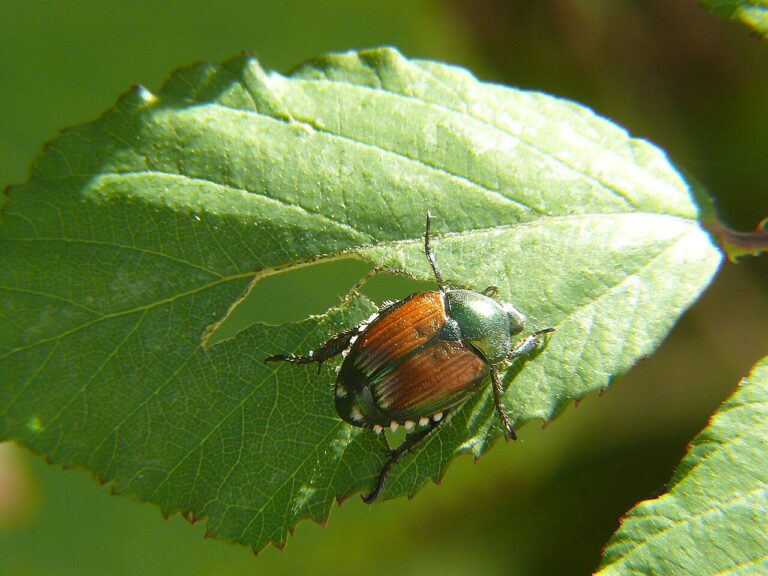
Hand-picking beats every spray, and traps actively make the problem worse. Here is what works on Japanese beetles, plus grub control and plant choice.
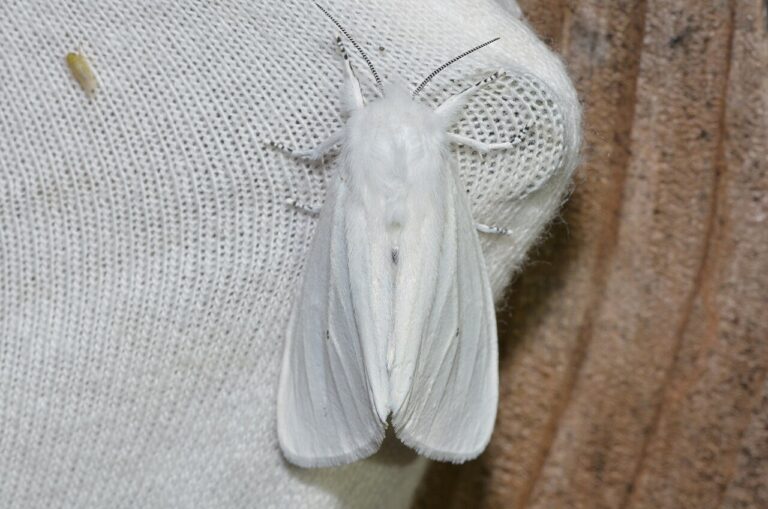
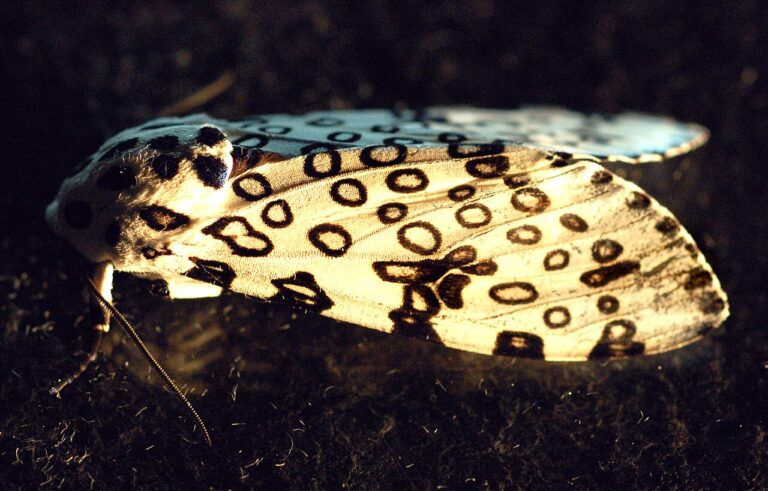
White moths with black spots are usually tiger moths, and tiny white moths indoors are pests. Here is how to identify each one and what they mean.