Gecko Droppings vs Mouse Droppings: The White Tip Test
Gecko droppings carry a chalky white tip, mouse droppings do not. Size, shape, location and cleanup for both, plus the roach, rat and bat lookalikes.
Beyond the feeder. Guides to the mammals, reptiles, and other wildlife that share your backyard, from squirrels and raccoons to deer and foxes.

Gecko droppings carry a chalky white tip, mouse droppings do not. Size, shape, location and cleanup for both, plus the roach, rat and bat lookalikes.
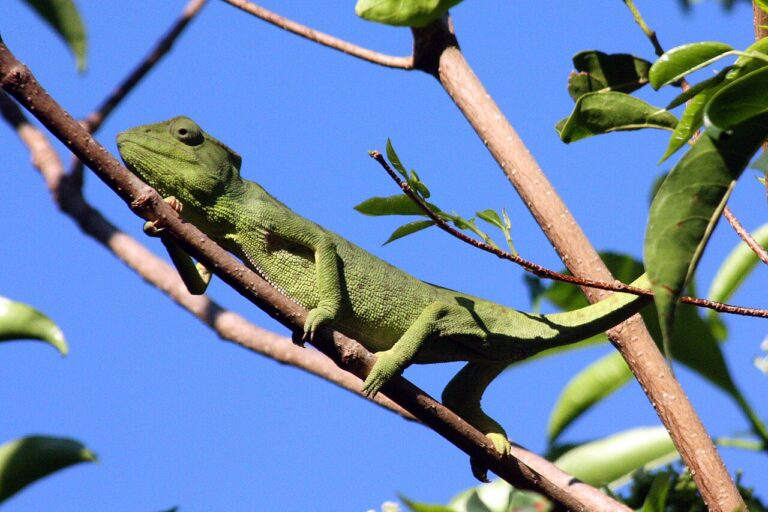
Healthy chameleon poop is a dark pellet with a white urate cap. Here is what the colors mean, how often they poop, and when the stool is an emergency.

The Florida box turtle stays under 6 inches, lives past 40 years, and is protected from collection statewide. How to identify it and what to do if you find one.
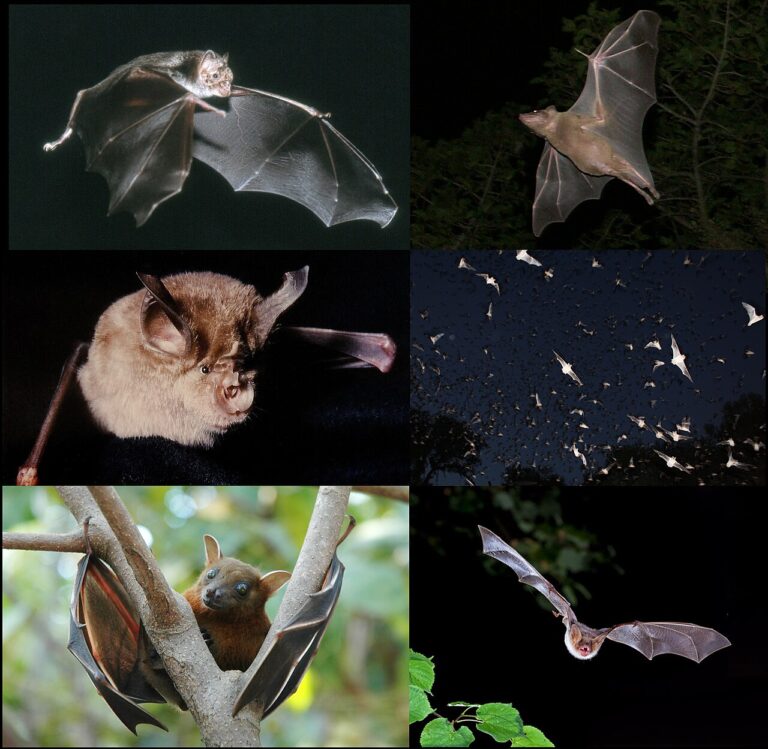
Bats symbolize rebirth and intuition in most traditions and death in European folklore. What a bat in the house or at your window means.
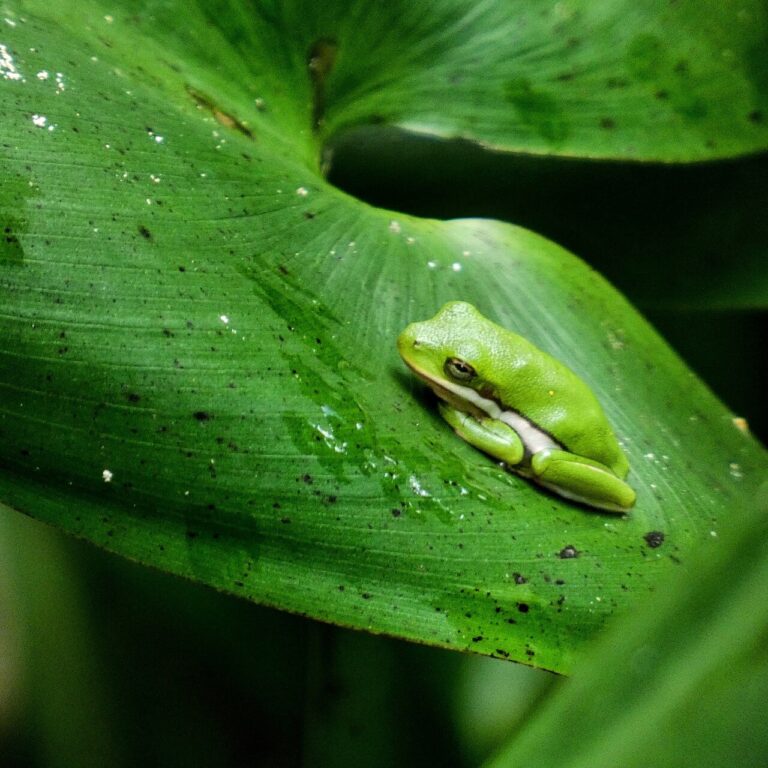
Two very different frogs share the name. Here is how to tell the American green tree frog from its lookalikes, where it lives, and why handling it hurts the frog and not you.

Wild turkey tracks are three slender toes with no heel pad. Size charts, snow and mud differences, and the middle toe measurement that separates a tom from a hen.
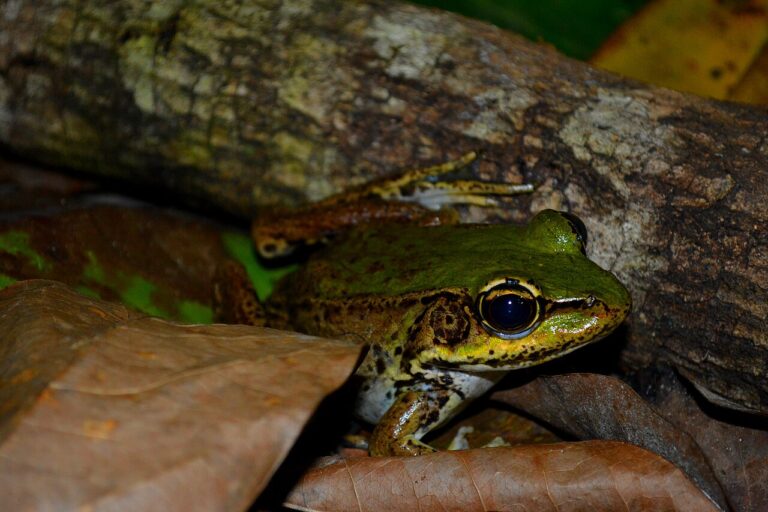
Frogs leave a single soft glossy deposit full of insect parts. Rats leave scattered firm capsules and gnaw marks. Six tests that separate them in the field.
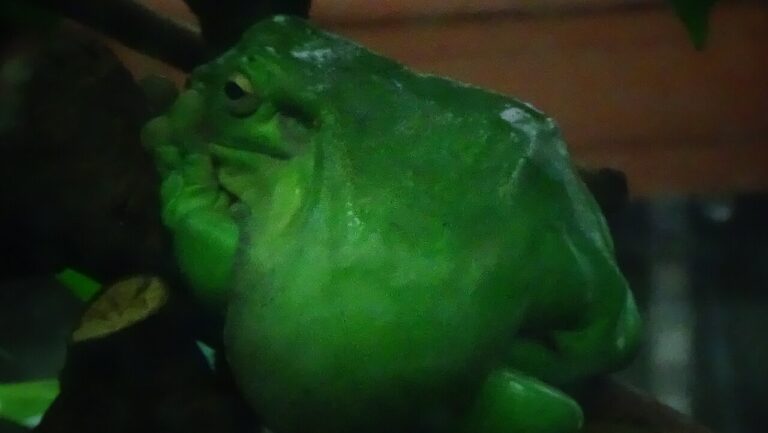
White’s tree frog care in practice: a tall 18 by 18 by 24 in enclosure, 75 to 85 F, 50 to 70 percent humidity, and a feeding schedule that keeps the frog lean.

Turtle droppings are soft brown logs 0.5 to 2 in long with a white urate blob. Size by species, lookalikes and the Salmonella rules.

The waxy monkey tree frog coats itself in a self-made wax to survive dry air. It needs heat and ventilation, not a rainforest, and its skin secretions are toxic.