Backyard Birds of Washington: 15 Common Species (2026 Identification Guide)
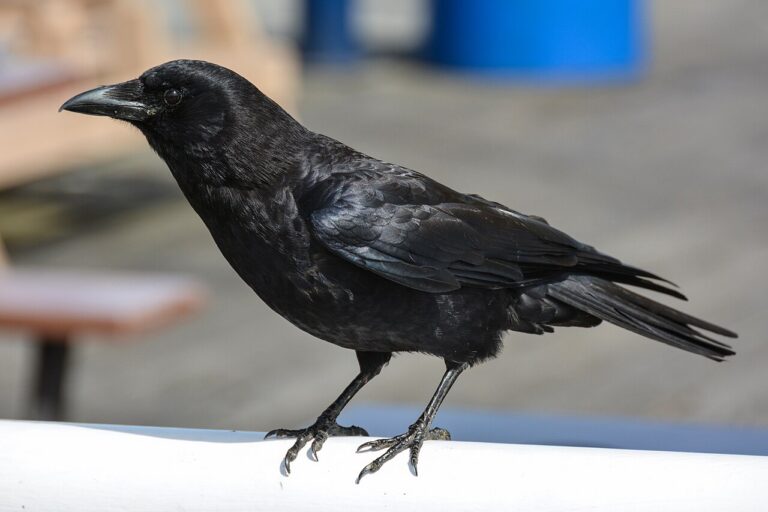
Washington State’s geographic split by the Cascade Range creates two entirely different backyard bird communities within a single state. West of the Cascades, the wet, temperate rainforest zone including Seattle, Tacoma, Olympia, and the Olympic Peninsula, hosts Pacific Northwest specialties like Chestnut-Backed Chickadees, Varied Thrushes, and Northwestern Crows. East of the Cascades, the dry, high-desert and shrub-steppe zone including Spokane, Yakima, and the Columbia Basin, hosts a completely different mix featuring California Quail, Western Meadowlarks, and Black-Billed Magpies. Washington’s position along the Pacific Flyway makes spring and fall migration spectacular. This guide covers the 15 most common backyard birds across Washington with field marks, regional ranges, and proven attraction strategies for the state’s dual climate zones.
Quick Reference: 15 Common Backyard Birds of Washington
| Species | Size | Key ID Feature | Where in WA |
|---|---|---|---|
| American Goldfinch (state bird) | 5″ | All yellow (summer male) + black wings + black cap | Statewide year-round |
| Black-Capped Chickadee | 5.25″ | Black cap + white cheeks + black bib | Statewide year-round |
| Chestnut-Backed Chickadee | 4.75″ | Black cap + rich chestnut back + white cheeks | West of Cascades |
| Anna’s Hummingbird | 4″ | Iridescent rose-red head/throat (male) | Western WA year-round |
| Steller’s Jay | 11.5″ | Black head + crest + deep blue body | Statewide forested |
| Spotted Towhee | 8.5″ | Black head + rust sides + white belly + red eye | Statewide brushy |
| House Finch | 5.5″ | Red head/breast (male) + streaky belly | Statewide year-round |
| Dark-Eyed Junco (Oregon form) | 6″ | Dark hood + brown back + pinkish sides | Statewide year-round |
| Northern Flicker (red-shafted) | 12.5″ | Brown spotted + red wing/tail flashes | Statewide year-round |
| Bewick’s Wren | 5.25″ | Brown back + white eyebrow + long tail | Western WA |
| Song Sparrow | 6.25″ | Brown-streaked + central breast spot | Statewide year-round |
| Varied Thrush | 9.5″ | Orange + black breast band + slate-blue above | Winter western WA |
| American Robin | 10″ | Rust-orange breast + gray-brown back | Statewide |
| Rufous Hummingbird | 3.5″ | Bright rust-orange overall (male) | Summer (Apr-Aug) |
| Pine Siskin | 5″ | Brown-streaked + yellow wing edges | Year-round, winter most common |
Species Identification
American Goldfinch (State Bird)
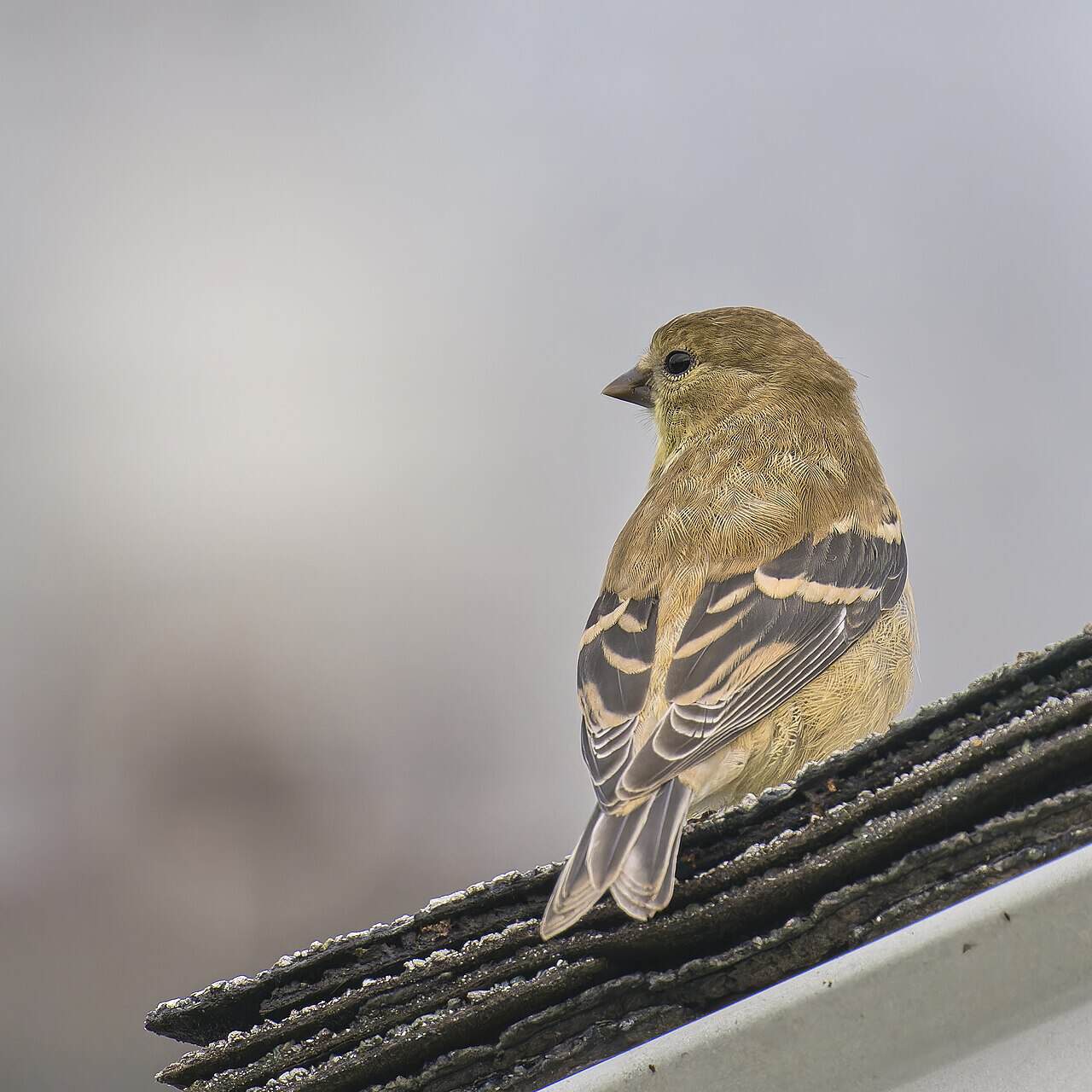
Washington’s official state bird, designated in 1951 (originally as ‘Willow Goldfinch’, the state’s official informal name for the species). Summer male American Goldfinches are brilliant lemon-yellow overall with jet-black wings (with white wing bars) and a black cap. Females and winter birds are duller olive-brown with pale yellow wash.
Range in Washington: Statewide year-round.
Habitat: Open habitat with weeds, gardens, parks, suburban yards.
Key ID: Brilliant yellow (summer male) + black wings + black cap. Winter birds duller olive-brown.
Where to see: Nyjer (thistle) feeders are top choice. Will also visit sunflower feeders. Often in flocks throughout winter. Plant native thistles, asters, and coneflowers for natural food.
Anna’s Hummingbird
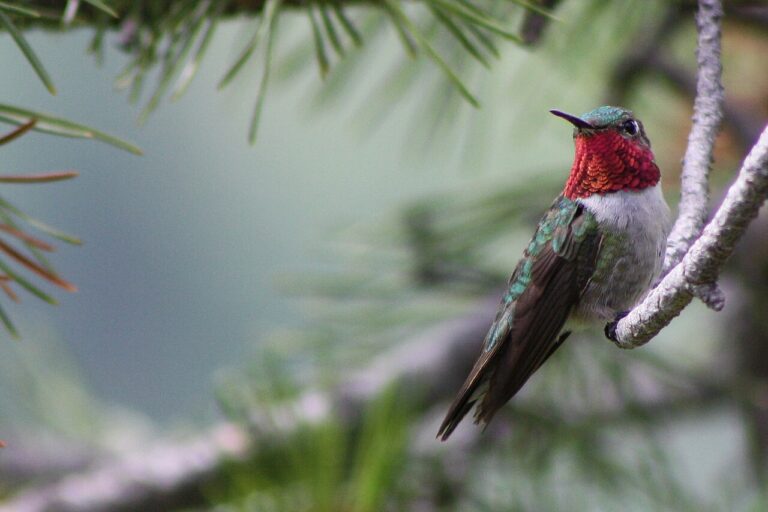
Washington’s signature year-round hummingbird, and one of the most cold-hardy hummingbirds in North America. Male Anna’s Hummingbirds have brilliant iridescent rose-red heads and throats. Females are green above with a small red throat patch. Unlike most US hummingbirds that migrate south for winter, Anna’s are year-round residents in western Washington, even surviving Seattle winters when temperatures drop below freezing.
Range in Washington: Year-round west of the Cascades. Increasing in eastern Washington.
Habitat: Urban and suburban gardens, parks, anywhere with flowers or sugar-water feeders.
Key ID: Iridescent rose-red entire head (not just throat) + green back + tiny size. The only common Washington hummingbird in winter.
Where to see: Hummingbird feeders year-round (4:1 water-to-sugar ratio, no red dye). In winter, bring feeders inside overnight if temperatures drop below 25°F, or use a heated feeder. Plant native salvia, fuchsia, and red-flowering currant.
Steller’s Jay
Washington’s spectacular forest jay. Steller’s Jays have a charcoal-black head with a prominent crest, deep blue body, wings, and tail. The contrast between the black head and brilliant blue body is striking. Loud, intelligent, and dominant at forest feeders. They cache thousands of seeds each fall, important for Pacific Northwest forest regeneration.
Range in Washington: Statewide in forested areas, especially common in conifer forests.
Habitat: Coniferous forests, parks with mature trees, suburban yards near forest cover.
Key ID: Black head with prominent crest + deep blue body. The ‘blue jay‘ of the Pacific Northwest, true Blue Jays (eastern species) are rare in Washington.
Where to see: Platform feeders with peanuts in shell, sunflower seed, and corn. They prefer yards near coniferous forests.
Spotted Towhee
Washington’s striking ground-dwelling sparrow. Male Spotted Towhees have jet-black heads and upper bodies, bright rusty-orange flanks, clean white belly, and brilliant red eyes. Females are similar but with brown replacing black. Their distinctive double-footed scratching in leaf litter is unmistakable, they kick both feet backwards simultaneously to expose insects.
Range in Washington: Statewide in brushy habitats.
Habitat: Brushy areas, gardens with native shrubs, woodland edges, chaparral.
Key ID: Black head + rust sides + white belly + red eye + scratching behavior. The ‘eastern Towhee’ equivalent, they’re closely related species.
Where to see: Ground feeding, scatter millet or mixed seed on the ground or low platforms. Plant dense native shrubs (snowberry, salal, Oregon grape) for cover.
Chestnut-Backed Chickadee (Western WA)
Washington’s most distinctively Pacific Northwest small bird. Chestnut-Backed Chickadees have the standard chickadee pattern (black cap, black bib, white cheeks) plus a rich chestnut-brown back and chestnut flanks, making them the most colorful chickadee in North America. Found only along the Pacific Coast.
Range in Washington: West of the Cascades, especially in coniferous forests. Olympic Peninsula and Cascades foothills are strongholds.
Habitat: Coniferous forests, especially Douglas-fir and Western Hemlock. Suburban yards near forest cover.
Key ID: Black cap + chestnut back and flanks. The chestnut coloring distinguishes from other chickadees instantly.
Where to see: Common at sunflower, peanut, and suet feeders in western Washington yards. Will use small nest boxes.
Northern Flicker (Red-Shafted Form)
Washington’s most common large woodpecker. Northern Flickers in Washington are the ‘Red-Shafted’ western form. They have a brown back with black bars, a black-spotted belly, a black chest crescent, and brilliant red underwings/tail visible in flight. Males have a red ‘mustache’ stripe; females lack it. Often seen on the ground hunting ants, flickers are the most terrestrial of North American woodpeckers.
Range in Washington: Statewide year-round.
Habitat: Open woodlands, parks, suburban yards with grass and trees.
Key ID: Brown spotted body + red wing/tail flashes + ground-feeding behavior. The eastern ‘Yellow-Shafted’ form has yellow underwings, most Washington birds show red.
Where to see: Will visit suet feeders. Often seen on lawns. Plant native trees and leave dead standing trees (‘snags’) if safe.
Varied Thrush (Winter Visitor)
Washington’s mysterious winter visitor, a Pacific Northwest specialty. Male Varied Thrushes have slate-blue heads and backs, orange throat with a bold black breast band, orange belly, and orange wing patches. Females are duller with grayer tones. They breed in the mountains and emerge into lowland yards during severe winter weather.
Range in Washington: Mountains in summer; lowland yards in winter (October-April), especially during cold weather.
Habitat: Coniferous forests in summer; backyards, parks, and forested suburbs in winter.
Key ID: Robin-like shape + slate-blue above + orange below with black chest band. The chest band is diagnostic, robins don’t have it.
Where to see: Will visit ground feeders or low platforms during winter. Often appears during snowstorms when mountain birds move to lower elevations.
Dark-Eyed Junco (Oregon Form)
Washington hosts the ‘Oregon’ Junco, distinct from the eastern ‘Slate-Colored’ form. Oregon Juncos have a dark black hood (head), warm brown back, pinkish-brown sides, and white belly. They breed in Washington mountains and become widespread at lower elevations in winter.
Range in Washington: Mountains in summer; statewide in winter (October-April).
Habitat: Forests in summer; backyards, gardens, and edges in winter.
Key ID: Dark hood + brown back + pinkish sides + white belly + pink bill. Ground-feeding flocks in winter yards.
Where to see: Winter feeders, ground-feeding birds prefer platform feeders or scattered seed.
Rufous Hummingbird (Summer Visitor)
Washington’s summer-only hummingbird specialty. Male Rufous Hummingbirds are brilliant rust-orange overall, head, back, sides, and tail. Females are green above with rust on the sides and tail base. Famously aggressive, male Rufous will chase Anna’s Hummingbirds (much larger) away from feeders.
Range in Washington: Statewide in summer (April-August).
Habitat: Gardens, parks, woodland edges with flowering plants.
Key ID: Rust-orange overall (male). Females show rust on sides, distinguishing from green Anna’s females. The aggressive behavior toward Anna’s is a behavioral identifier.
Where to see: Hummingbird feeders during summer. Plant native red-flowering currant, salmonberry, and columbine. Multiple feeders reduce male territorial fighting.
Bewick’s Wren (Western WA)
Western Washington’s common backyard wren. Bewick’s Wrens have a long brown body, a bold white eyebrow stripe, and a notably long tail often held cocked or flicked side-to-side. Their loud, varied song fills western Washington yards. Replaces the eastern Carolina Wren as the dominant suburban wren.
Range in Washington: West of the Cascades.
Habitat: Brushy yards, gardens with cover, woodland edges.
Key ID: Long brown body + bold white eyebrow + long tail with tail-flicking behavior. Slimmer than House Wrens.
Where to see: Will visit suet feeders. Provide brush piles for cover. Will use nest boxes (Bewick’s Wren-sized openings).
House Finch
Washington’s most common feeder finch. Male House Finches have red wash over the head, breast, and rump with brown-streaked flanks. Females are uniformly brown-streaked. Native to the West, Washington is part of their original range (unlike eastern states where they were introduced).
Range in Washington: Statewide year-round.
Habitat: Urban, suburban, agricultural areas.
Key ID: Red on head/breast (male) + brown-streaked flanks. Conical bill.
Where to see: Tube feeders with nyjer or sunflower seed. Often in small flocks.
Pine Siskin
Washington’s small streaked finch. Pine Siskins are brown-streaked overall (look like sparrows at first glance) with bright yellow edges on their wings and tail, visible in flight or when wings spread. Often confused with female House Finches but smaller, more heavily streaked, and with yellow wing flashes.
Range in Washington: Statewide year-round. Highly irruptive, abundant in some winters, scarce in others.
Habitat: Coniferous forests, mixed forests, suburban yards near forest cover.
Key ID: Brown-streaked overall + yellow wing edges + small pointed bill. The yellow flash is diagnostic.
Where to see: Common at nyjer (thistle) feeders. Often in mixed flocks with American Goldfinches.
Regional Variations Across Washington
Washington’s Cascade Mountain split creates dramatically different backyard bird communities. Western Washington (Seattle, Tacoma, Bellingham, Olympia, Olympic Peninsula) is dominated by Pacific Northwest coniferous forest species: Chestnut-Backed Chickadees, Steller’s Jays, Spotted Towhees, Anna’s Hummingbirds (year-round), Pacific Wrens, Bewick’s Wrens, Varied Thrushes (winter), Northwestern Crows along coasts. Rainfall supports year-round mild temperatures and dense vegetation.
Cascade Mountain elevation zones add mid-elevation specialties, Sooty Grouse, Hermit Thrush, Townsend’s Warbler (summer), plus winter visitors moving down from higher elevations.
Eastern Washington (Spokane, Yakima, Tri-Cities, Walla Walla) is shrub-steppe and high desert, dramatically different from the wet west side. Common eastern WA backyard birds include California Quail, Black-Billed Magpies (very distinctive, long-tailed black-and-white corvids), Western Meadowlarks, Mountain Bluebirds, Lazuli Buntings (summer), plus Spotted Towhee shared with western WA.
Northeast Washington (Republic, Colville, near Idaho) has more boreal influence, Black-Capped Chickadees dominate, Mountain Chickadees in higher elevations, Pygmy Nuthatches in pine forests, Cassin’s Finch, plus winter species like Common Redpoll in irruption years.
Columbia Basin and Snake River agricultural lands host different species in adjacent backyards, Western Meadowlarks, Brewer’s Blackbirds, Horned Larks in fields, plus winter raptor concentrations.
Coastal yards (Westport, Long Beach, San Juan Islands) mix backyard birds with shorebirds, gulls, oystercatchers, plus periodic ocean drift species.
The American Goldfinch: Washington’s ‘Willow Goldfinch’
The American Goldfinch (Spinus tristis) was designated Washington’s official state bird in 1951. The selection was decided by a vote of Washington schoolchildren in 1928, but didn’t become official law until 23 years later. Washington-specific informal name ‘Willow Goldfinch’ references the species’ habit of feeding on willow seeds.
Goldfinches are nonmigratory in Washington, the same individual birds may visit feeders year-round. Summer breeding males are brilliant lemon-yellow with black caps and wings. Winter brings dramatic plumage change: both sexes molt into duller olive-brown plumage. The transition between plumages provides a great seasonal identification challenge for backyard birders.
Washington goldfinches breed late, July through September, considerably later than most songbirds. This timing coincides with peak thistle and weed seed availability. Goldfinches are strict vegetarians (unusual among songbirds), they feed their nestlings regurgitated seeds rather than insects. This unique diet makes them poor host species for Brown-Headed Cowbird parasitism (cowbird chicks can’t survive on seeds alone).
Goldfinches are highly social. Winter flocks of 20-50 birds are common in Washington yards. Their soft, twittering flight calls are easy to learn, once recognized, you’ll notice goldfinches everywhere.
Plant native thistles, asters, sunflowers, and coneflowers to attract goldfinches. Provide nyjer (thistle) seed in tube feeders with small ports. Native willows along streams and wetlands provide both seeds and nesting cover. American Goldfinches are among the most reliable Washington backyard species, patient yard owners often have generations of goldfinches visiting daily.
How to Attract Washington Backyard Birds
Washington’s dramatic regional climate differences require different strategies on either side of the Cascades. Western Washington’s wet, mild climate creates one of the easiest year-round backyard birding environments in the country. Eastern Washington’s hot summers and cold winters require more traditional cold-weather feeding strategies similar to the upper Midwest.
Western Washington feeding: Year-round seed and suet are reliably effective. The mild winter climate means birds don’t face survival-level cold stress, but reliable food sources keep them visiting. Black oil sunflower seed is universal. Suet feeders attract Chestnut-Backed Chickadees, Bewick’s Wrens, and woodpeckers. Hummingbird feeders should be maintained year-round for Anna’s Hummingbirds, bring inside overnight or use heated feeders during rare cold snaps.
Eastern Washington feeding: More similar to upper Midwest. Heated bird baths become valuable during winter (January-February when temperatures regularly drop below freezing). Black oil sunflower seed in tube and hopper feeders. Suet in cage feeders provides essential winter calories.
Spring migration (April-May) brings warblers, vireos, and tanagers through Washington. Most migrants don’t visit seed feeders but appreciate fruit (oranges, grape jelly for orioles in eastern WA), mealworms, and water features.
Summer (June-August) is breeding season. Provide nest boxes for cavity nesters: Western Bluebirds (1.5 inch hole, in eastern WA open habitat), Chestnut-Backed and Black-Capped Chickadees (1.125 inch), Tree Swallows. Suet consumption drops but continues year-round.
Native plant landscaping multiplies attraction. Washington natives (Pacific Madrone, Pacific Dogwood, Red-Flowering Currant, Salmonberry, Snowberry, Oregon Grape, Salal, Western Red Cedar, Douglas-fir) support 10-100x more bird food than non-native landscaping.
Anna’s Hummingbird year-round feeding is uniquely Washington. Hummingbird feeders during winter must be monitored, frozen sugar water won’t help hungry birds. Some Pacific NW birders use insulated feeder covers or bring feeders inside overnight during cold snaps.
Native red-flowering currant (Ribes sanguineum) is one of the most important Pacific NW native plants for hummingbirds. Plant it on the south-facing side of your yard, its February-March flowers feed early-season Anna’s Hummingbirds and arriving Rufous Hummingbirds.
Manage outdoor cats. Pacific NW outdoor cats kill millions of birds annually. Keeping cats indoors is the single most effective bird protection strategy.
Avoid pesticides. Pacific NW yards often have damp conditions favoring caterpillars and other insects, these are critical bird food, not pests to eliminate.
Top Native Washington Plants for Backyard Birds
**Red-Flowering Currant (Ribes sanguineum):** Pacific Northwest native shrub with brilliant pink-red flowers blooming February through April. Critical early-season nectar source for overwintering Anna’s Hummingbirds and arriving Rufous Hummingbirds. The most important single planting for Pacific NW hummingbird gardens.
**Salmonberry (Rubus spectabilis):** Pacific Northwest native shrub producing pink-magenta flowers in early spring (feeding hummingbirds) and salmon-pink to red berries in early summer (feeding many bird species). Tolerates shade and damp conditions perfectly.
**Snowberry (Symphoricarpos albus):** Native shrub producing distinctive white berries that persist through winter. Feeds Cedar Waxwings, American Robins, and other late-winter birds. Drought-tolerant once established.
**Salal (Gaultheria shallon):** Native evergreen shrub producing dark purple-black berries. Provides essential evergreen cover and winter food. Tolerates deep shade, perfect for under-Douglas-fir plantings.
**Pacific Madrone (Arbutus menziesii):** Native broadleaf evergreen tree producing red berries that persist into winter. Feeds American Robins, Cedar Waxwings, Varied Thrushes, and many other species. Distinctive peeling red bark.
**Oregon Grape (Mahonia aquifolium):** Native broadleaf evergreen producing yellow flowers (early hummingbird food) and dark purple berries (feeds robins, waxwings, towhees). Tolerates shade and dry conditions once established. Washington’s state flower variant.
Frequently Asked Questions
What’s the most common backyard bird in Washington?
American Goldfinch (the state bird), Black-Capped Chickadee, Anna’s Hummingbird (year-round in western WA), Spotted Towhee, House Finch, Dark-Eyed Junco (Oregon form), Northern Flicker, and Steller’s Jay are all extremely common. Chestnut-Backed Chickadees are common west of the Cascades. The exact most-common species varies by region and elevation.
Do hummingbirds stay in Washington all winter?
Yes, Anna’s Hummingbirds are year-round residents in western Washington (Seattle, Tacoma, Olympia, Olympic Peninsula). They survive Seattle winters even with occasional freezing temperatures. Keep hummingbird feeders maintained year-round. Bring feeders inside overnight when temperatures drop below 25°F, or use heated feeders. Rufous Hummingbirds are summer visitors only (April-August).
Why is the Steller’s Jay called a ‘Blue Jay’ in Washington?
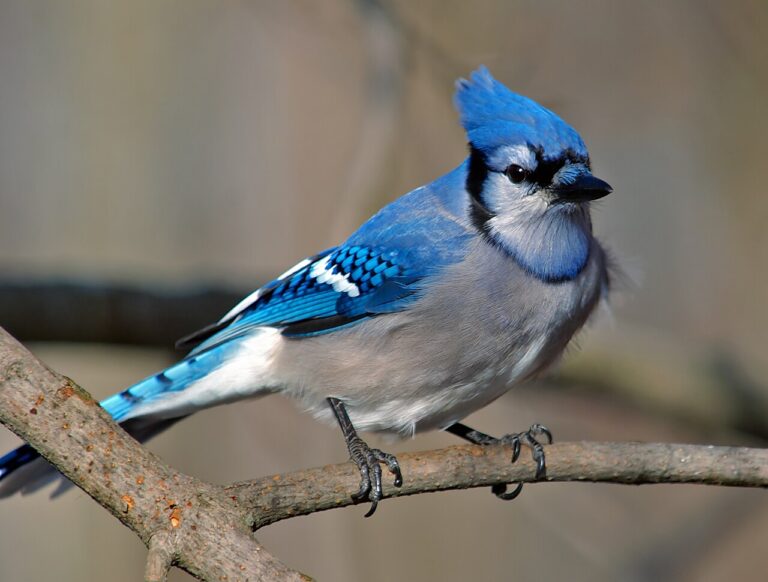
Many Washington residents call Steller’s Jays ‘Blue Jays’ because they’re the prominent blue corvid in the state. Technically, true Blue Jays are a separate eastern species that rarely occur in Washington. Steller’s Jay is the Pacific Northwest’s native jay species, distinguished by their black head and prominent crest (Blue Jays have all-blue heads with a black necklace).
What’s the blue and orange thrush in my Washington yard in winter?
Varied Thrush, a Pacific Northwest specialty winter visitor. Slate-blue above with orange below and a distinctive black breast band. They breed in mountains and emerge into lowland yards during severe winter weather. Look for them on the ground or low in vegetation. They often appear during cold snaps.
How do I attract Anna’s Hummingbirds in Washington winters?
Plant native red-flowering currant (Ribes sanguineum) for natural February-March nectar. Maintain hummingbird feeders year-round (4:1 sugar-water ratio, no red dye). During cold snaps (below 25°F), bring feeders inside overnight to prevent freezing, re-hang them at dawn. Some birders use heated feeders or insulated feeder covers. Multiple feeders reduce male territorial fighting.
What’s the difference between Western and Eastern Washington bird communities?
Western Washington (wet temperate rainforest west of Cascades): Chestnut-Backed Chickadees, Anna’s Hummingbirds year-round, Spotted Towhees, Varied Thrushes (winter), Pacific Wrens, abundant moss and conifer-adapted species. Eastern Washington (high desert/shrub-steppe): California Quail, Black-Billed Magpies (uniquely abundant), Western Meadowlarks, Mountain Bluebirds, Lazuli Buntings (summer), with fewer rainforest species.
What’s the small streaky bird with yellow wings in my Washington yard?
Pine Siskin, a small finch with brown-streaked body and bright yellow edges on wings/tail. Often in flocks with American Goldfinches. Highly irruptive, some winters they’re abundant, others scarce. They prefer nyjer (thistle) feeders. Distinguish from female House Finches (less streaked, no yellow) by the yellow wing flashes.
What native plants attract the most Washington birds?
Red-Flowering Currant is critical for hummingbirds. Pacific Madrone, Oregon Grape, Salmonberry, Snowberry, and Salal all produce berries feeding many species. Western Red Cedar and Douglas-fir provide essential evergreen cover. For supporting nesting birds, native trees and shrubs support 10-100x more caterpillars than non-native ornamentals.