LaMancha Goat: Milk, Size, Price and Those Tiny Ears
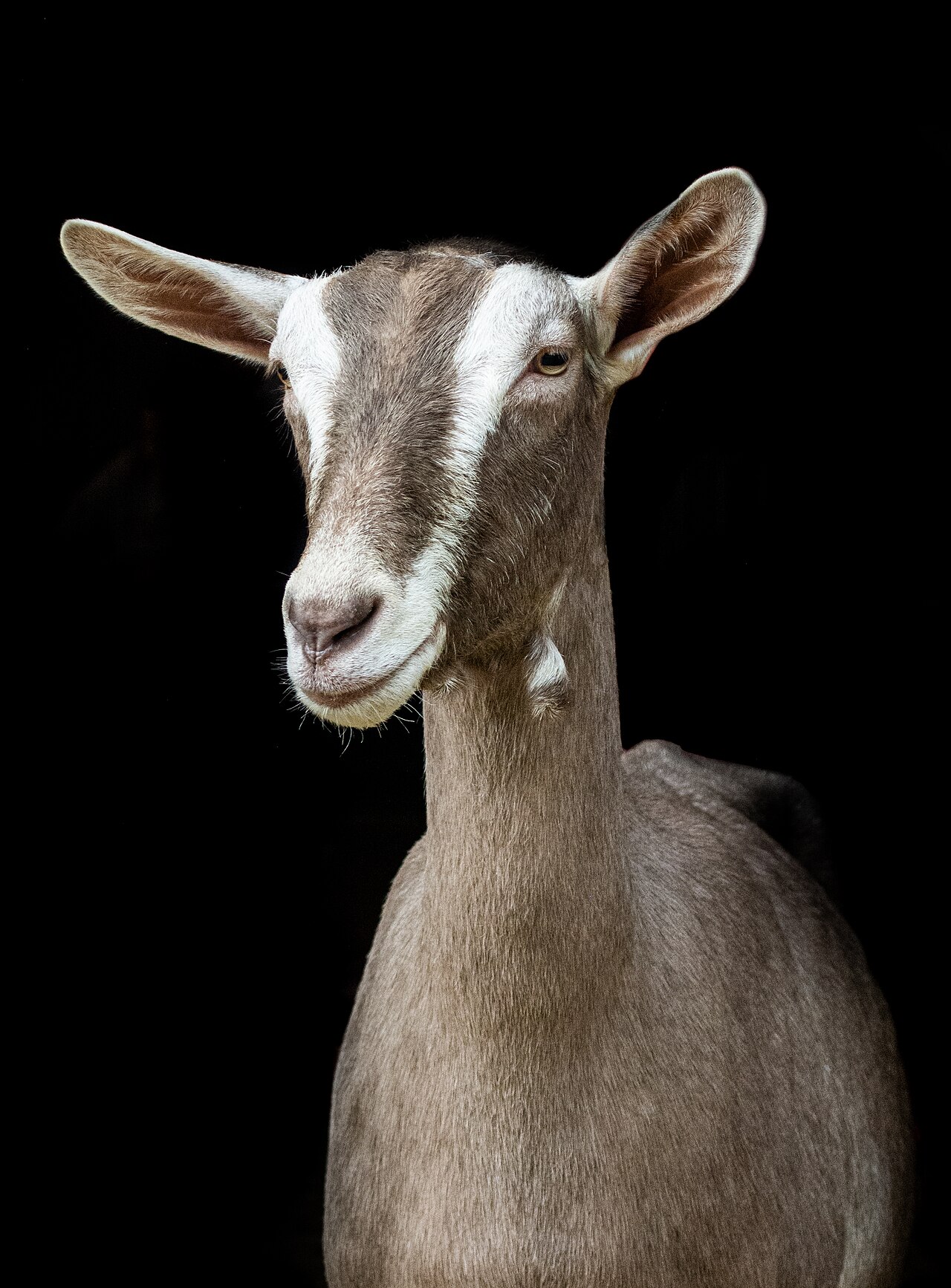
The LaMancha goat is the only dairy goat breed developed in the United States, and it looks like it has no ears at all. It does have ears, just very short ones, and that quirk sits on a calm, heavy milking animal that tolerates heat, cold and beginner mistakes better than most dairy breeds.
Registered with the American Dairy Goat Association in 1958, the breed traces back to short eared Spanish goats crossed with Swiss and Nubian bucks on Eula Fay Frey’s farm in Oregon. Homesteaders pick it for steady milk, long lactations and a temperament that makes twice daily milking a chore rather than a fight.
LaMancha goats are a US dairy breed known for tiny ears, calm temperament and long lactations. Does stand at least 28 in (71 cm) and weigh about 130 lb (59 kg), producing roughly 1 to 2 gallons of milk per day at peak with butterfat near 4 percent. Registered animals typically cost 300 to 800 dollars.
| Trait | American LaMancha |
|---|---|
| Origin | Oregon, USA, recognized 1958 |
| Ear types | Gopher ear up to 1 in (2.5 cm), elf ear up to 2 in (5 cm) |
| Doe size | 28 in (71 cm) minimum, about 130 lb (59 kg) |
| Buck size | 30 in (76 cm) minimum, about 155 lb (70 kg) |
| Milk | About 2,000 lb (900 kg) per lactation, 3.9 to 4.2 percent butterfat |
| Lifespan | 12 to 15 years |
| Best for | Family milk, cheese, soap, 4-H projects |
What are LaMancha goats known for?
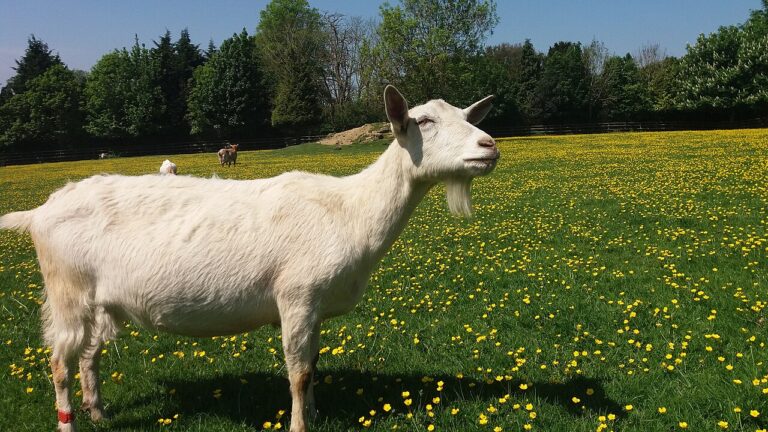
Three things: the ears, the milk and the disposition. The gopher ear reaches no more than 1 in (2.5 cm) and holds almost no cartilage, while the elf ear may reach 2 in (5 cm). Only gopher eared bucks can be registered, though does of either type qualify.
The milk keeps them on farms. Butterfat sits near 4 percent, higher than a Saanen goat and better for cheese and soap, and the flavor stays mild when does are kept clean and away from bucks.
The third trait matters most day to day. LaManchas are quiet. They call less than Nubians, stand well on the milk stand and tolerate handling by children, which is why they fill 4-H barns.
How big do LaMancha goats get?
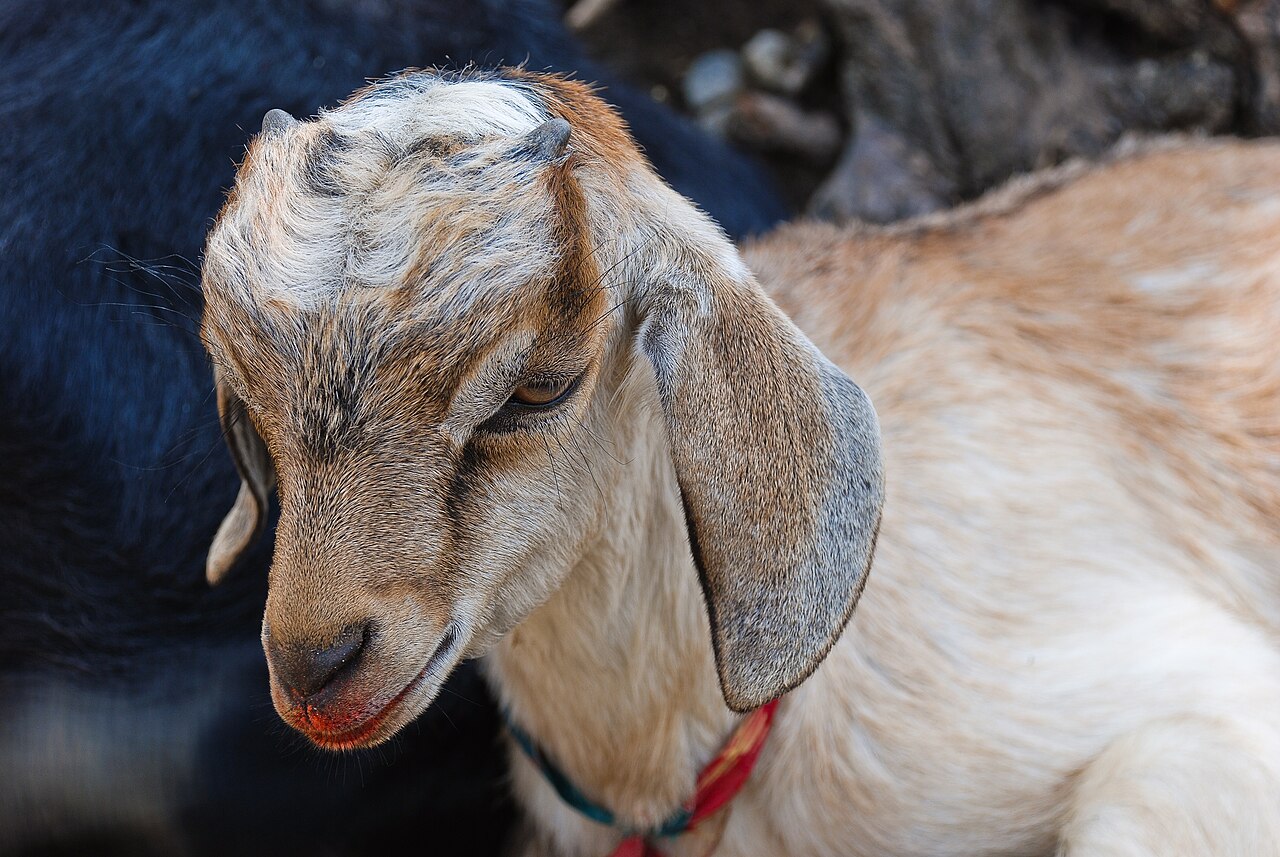
Does must stand at least 28 in (71 cm) at the withers to be registered and usually weigh 125 to 150 lb (57 to 68 kg). Bucks start at 30 in (76 cm) and commonly reach 155 to 180 lb (70 to 82 kg). That puts the breed in the medium to large dairy class, smaller than a Saanen, heavier than a Nigerian Dwarf. For a closely related question, see our guide to types of goats.
How much milk does a LaMancha goat give?
Production runs about 2,000 lb (900 kg) of milk per 305 day lactation in ADGA records, with strong does peaking near 2 gallons (7.6 liters) a day. A backyard doe on decent hay and a grain ration at milking is realistically a 1 gallon a day animal.
The real advantage is persistence. Many LaManchas milk 18 to 24 months without rebreeding, so one freshening can carry a household through two seasons. Goat management guidance from University of Minnesota Extension covers the feeding side of keeping that up.
Are LaMancha goats friendly?
Yes, unusually so for a dairy breed. LaManchas are people oriented, follow their keeper around the paddock and settle fast into a routine, which is why they are the breed most often recommended to first time owners.
Friendly does not mean passive. Goats test fences, climb anything that holds still and learn to open latches. Keep two animals minimum, since a lone goat gets loud and destructive.
They share a pasture well and stay calm around wildlife. A herd keeps grazing while deer move through the fence line, which happens mostly in the evening given how deer activity peaks at dusk and dawn.
What are the disadvantages of raising LaMancha goats?
The ears create paperwork friction. There is not enough ear for a standard identification tag, so LaManchas are tattooed in the tail web instead, and any program requiring ear tags needs a workaround. Some buyers also dislike the look, which softens resale prices against Nubians.
A LaMancha also gives less total volume than a top Saanen or Alpine, trading quantity for butterfat. If the goal is gallons rather than cheese yield, another breed fits better.
The rest are goat drawbacks, not breed drawbacks: goat proof fencing, rotational grazing, fecal checks, and milking twice a day without holidays. Anyone moving up from an Abyssinian guinea pig should budget for the schedule before the animal.
What is the average price of a LaMancha goat?
Registered kids usually run 300 to 500 dollars, adult does in milk 500 to 800, and proven show bloodlines past 1,000. Unregistered LaManchas sell for 150 to 300 dollars and make perfectly good family milkers.
Purchase price is the small number. Hay, grain, minerals, hoof trimming and vet care run 300 to 500 dollars per goat per year, plus fencing and shelter up front. Two does, the practical minimum, need a quarter to a half acre of decent pasture plus hay, or roughly 6 to 8 goats per acre on good forage. Overstocked ground goes to thistle within a season, which feeds American goldfinches and little else.
Buy from a herd that tests for CAE, CL and Johne’s disease and shows you the results. A cheap goat with a positive test puts every animal you add later at risk, including barn stock like an albino peacock.
Related reading: Alpine Goat.
Related reading: Pygmy Goat.
Frequently Asked Questions
Are LaMancha goats good for meat?
They are a dairy breed, so carcass yield is modest next to a Boer. Wether kids and cull animals are eaten on plenty of homesteads and the meat is good, but nobody raises LaManchas as a meat enterprise. Boer or Kiko crosses do that job better.
What is the lifespan of a LaMancha goat?
Twelve to fifteen years with good care, and productive milking runs from the second freshening through about age ten. Parasite control and hoof care decide more of that span than genetics, since worm burden is the leading cause of early loss in US goat herds.
How many acres for 2 goats?
A quarter to a half acre of good pasture supports two goats with hay, and a full acre gives rotation room to break parasite cycles. Goats browse brush rather than graze grass, so brushy ground carries more animals per acre than a mowed lawn.
How do you pronounce LaMancha?
Luh MAN chuh, stress on the middle syllable, the same way the Spanish region La Mancha is said in English. The registry writes it as one word with a capital M, which is why the spelling looks odd in print.
What is the most expensive breed of goat?
Top registered Boer and Nigerian Dwarf animals sell highest in the United States, with show stock passing 2,000 dollars and elite bucks going further. LaManchas stay moderate, which is part of why they suit family milk production.
Can LaMancha goats have horns?
Yes. The breed is not naturally hornless, so most kids are disbudded in the first two weeks. Polled animals turn up occasionally, and horned LaManchas can still be registered, though many shows and dairies require disbudding for safety around milking equipment.