Blue Jay Symbolism: Spiritual Meaning and Visits
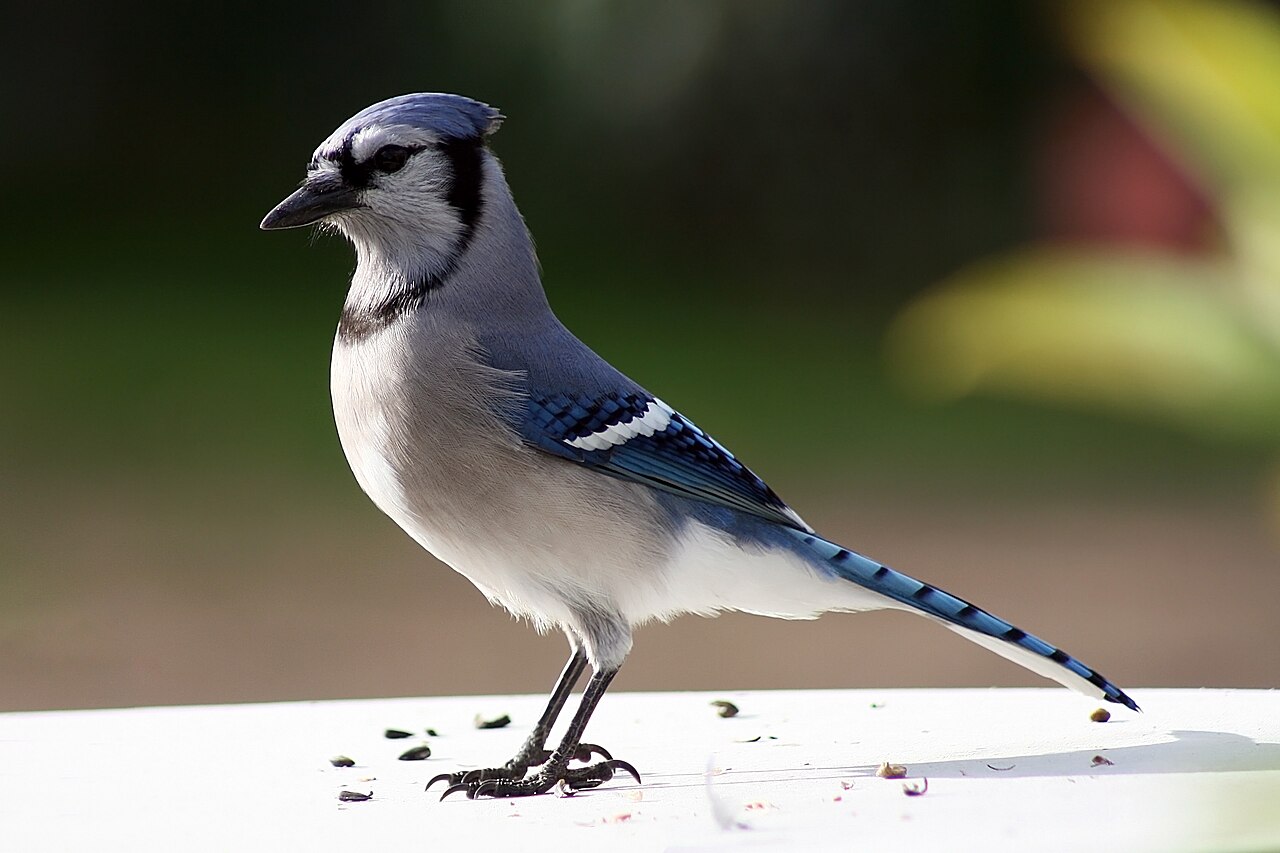
Blue jays symbolize clarity, confidence, communication, and protection. Across folklore and modern spiritual belief, this bold blue bird stands for speaking your truth, guarding what matters, and staying loyal to family. Because blue jays are loud, intelligent, and fiercely protective of their nests, people have long read deeper meaning into their visits. This guide covers what the blue jay symbolizes, what a visit may mean for you, its links to loved ones who have passed, and how different traditions have understood this striking bird.
| Symbol | Common Meaning |
|---|---|
| Communication | Speaking up, being heard, honesty |
| Confidence | Boldness, assertiveness, fearlessness |
| Protection | Guarding family, home, and boundaries |
| Loyalty | Strong family and pair bonds |
| Clarity | Seeing a situation truthfully |
| Adaptability | Cleverness and resourcefulness |
What Does a Blue Jay Symbolize?
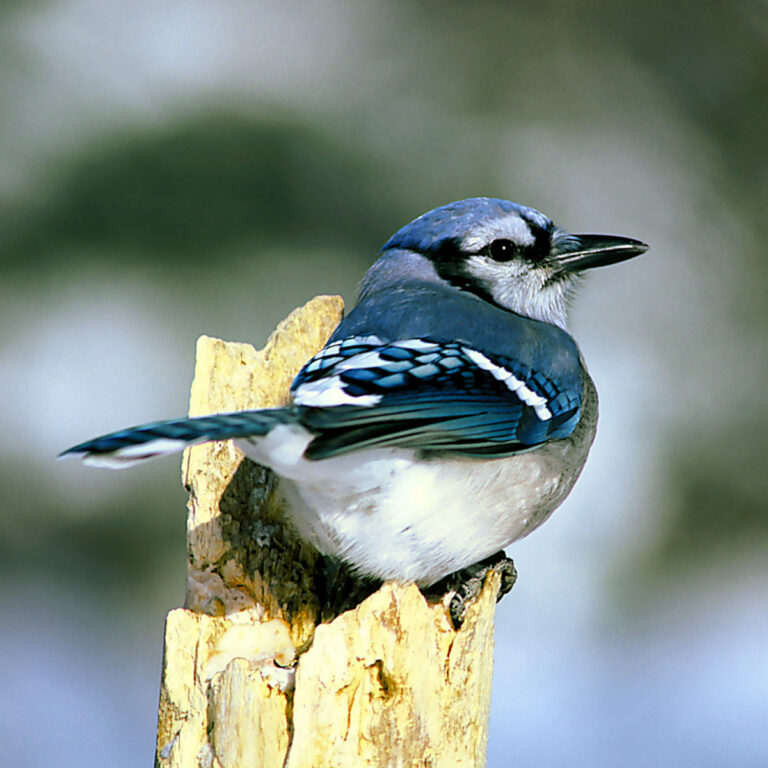
The blue jay is widely seen as a symbol of voice and self-expression. It is one of the loudest and most vocal birds in the backyard, capable of harsh screams, musical notes, and even imitations of hawks, so it naturally became linked to communication and speaking your mind. Alongside that, the blue jay carries meanings of confidence and fearlessness. These birds will mob a hawk or a cat many times their size to defend a nest, which is why they represent courage and standing your ground. A third strong theme is protection and loyalty. Blue jays form lasting pair bonds and defend their family intensely, so many people read a blue jay as a reminder to protect the people and boundaries that matter to you.
Blue Jay Spiritual Meaning
Spiritually, the blue jay is often taken as an encouragement to use your voice with honesty and courage. If the bird keeps appearing in your life, the common interpretation is that you are being nudged to speak up about something you have been holding back, or to stand firm in a situation where you have felt small. The color blue adds a layer of meaning too, since it is widely associated with truth, calm, and clear thinking. Put together, a blue jay is frequently read as a call to combine boldness with clarity, to say what you mean without losing your composure. As with all symbolism, these meanings are cultural and personal rather than scientific, and the bird itself is simply going about its life. For the natural facts behind its behavior, our complete Blue Jay guide covers the biology.
What It Means When a Blue Jay Visits You
When a blue jay shows up repeatedly in your yard or crosses your path, the traditional reading is that it is time to be bold and honest. A visit is often interpreted as a prompt to express yourself, to defend something you value, or to bring more confidence to a challenge you are facing. Some people also see a blue jay visit as a sign to stay alert and aware, since these birds are famously watchful and quick to sound an alarm. On a more grounded level, frequent blue jay visits usually mean your yard offers something they want, such as acorns, peanuts, or a reliable feeder. If you want to keep them coming, our guide to what blue jays eat explains their favorite foods.
Blue Jay Symbolism and Death
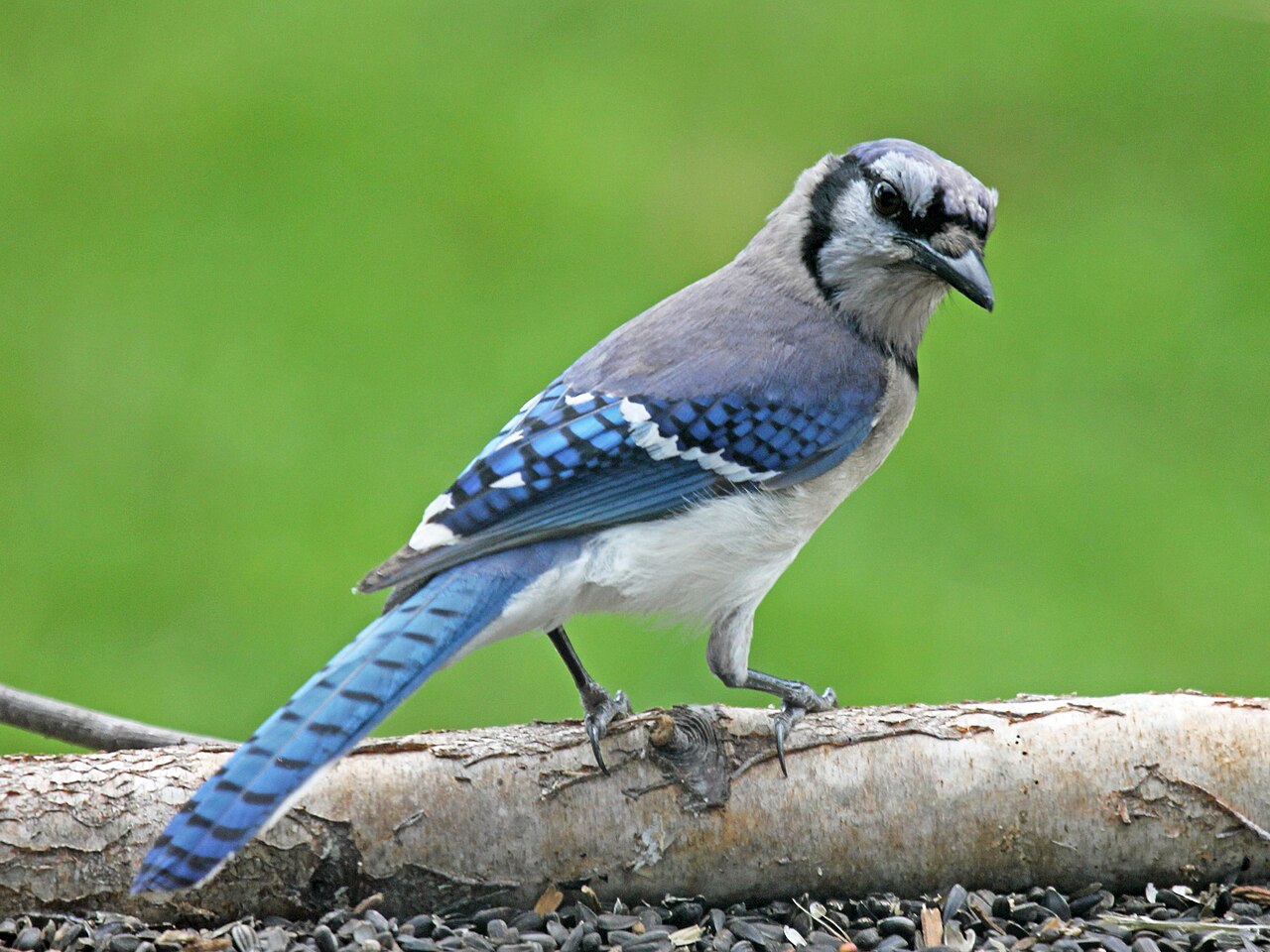
Many people specifically wonder whether a blue jay is connected to death or to a loved one who has passed. In most folk traditions, the blue jay is not seen as an omen of death the way some darker birds are. Instead, a blue jay is more often read as a visit or message from someone who has died, a comforting sign that a departed family member is near or watching over you. Because blue jays are so tied to family and loyalty, this reading fits their character. If a blue jay appears at a meaningful moment, such as an anniversary or while you are grieving, many take it as a gentle reassurance rather than a warning. There is no scientific basis for this, but it is one of the most common and comforting meanings people attach to the bird.
Blue Jays in Native American and Folk Traditions
In various Native American and North American folk traditions, the blue jay often appears as a clever, talkative, and sometimes mischievous character. Its intelligence and boldness made it a fitting symbol of resourcefulness and quick thinking, and in some stories it plays a trickster-like role. Because jays are members of the corvid family alongside crows and ravens, which are widely regarded as among the smartest birds, this reputation for cleverness is well earned. The Cornell Lab of Ornithology notes that blue jays, as corvids, show remarkable intelligence, including remembering the locations of many of the thousands of acorns they cache each fall. Folk beliefs vary widely from region to region, so there is no single meaning, but the recurring themes are intelligence, adaptability, and a strong, protective family nature.
Blue Jay Feather Meaning
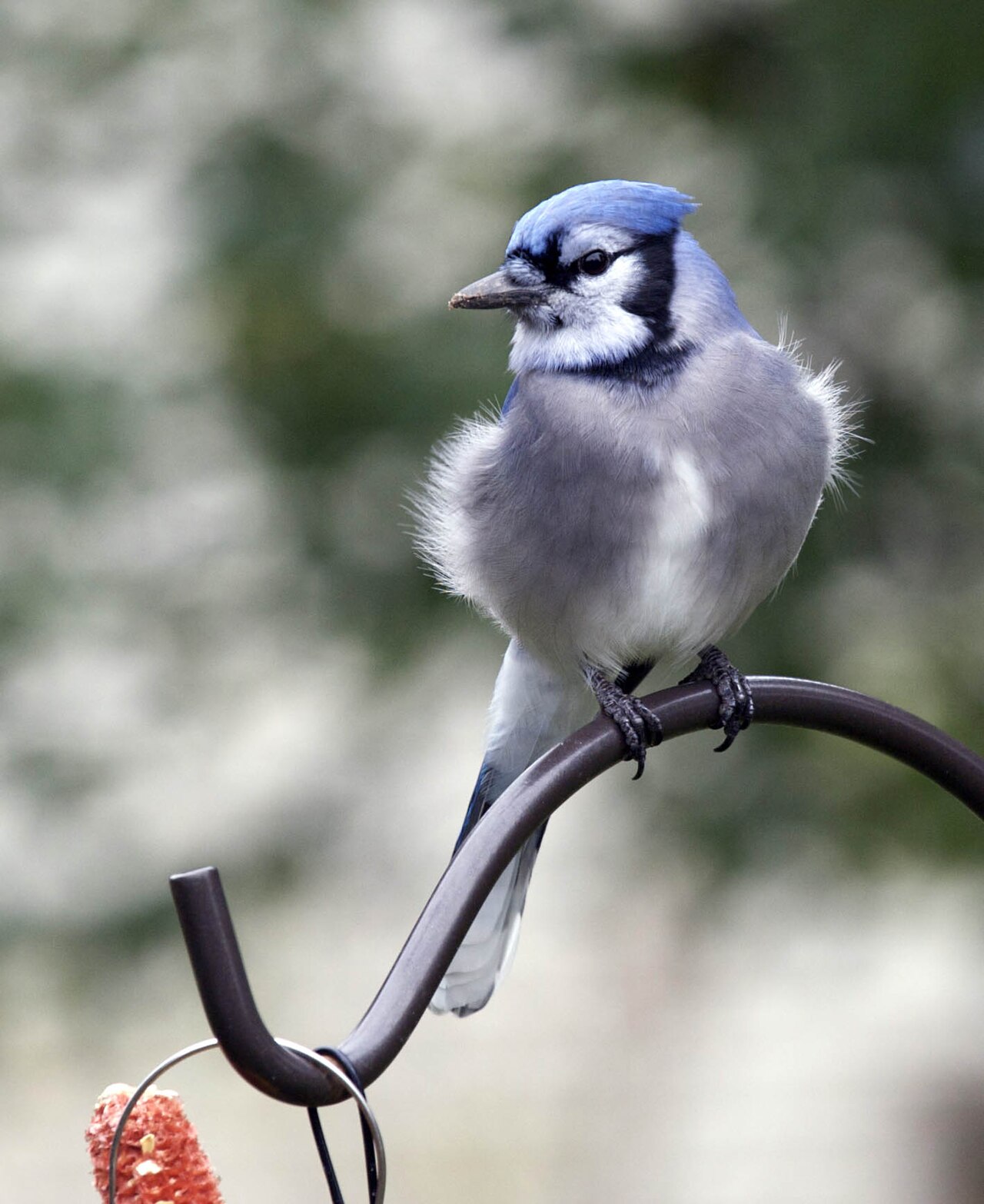
A found blue jay feather is often taken as a small symbol of protection, confidence, and clarity, echoing the bird itself. Some people keep one as a reminder to speak honestly or to stay brave. It is worth knowing that the striking blue is not a pigment at all. The feather looks blue because of the way its microscopic structure scatters light, and if you crush it or hold it against the light it appears brown or gray. In the United States, keep in mind that federal law protects the feathers of most native migratory birds, so admiring a feather where it lies is the safest approach. For more on the birds that share the blue jay’s world, see our guide to the Northern Cardinal.
Are Blue Jays a Sign of Good Luck?
In many folk readings, yes, a blue jay is considered a positive and encouraging sign rather than a warning. Because the bird represents confidence, clear communication, and protection, its appearance is often taken as reassurance that you have the strength to handle what is in front of you. Some people specifically associate the blue jay with faithfulness and determination, drawing on the fact that jays form lasting pair bonds and defend their families so fiercely. Others simply enjoy the jay as a splash of bold color and energy in the yard, a reminder to bring more boldness to their own day. As always, these are cultural and personal meanings, and the science of the bird is separate from the symbolism. If you would like to attract more of these striking birds so you can enjoy their presence, our guide to what blue jays eat and our best bird seed guide explain how to bring them in with peanuts and sunflower seeds.
Blue Jay as a Spirit Animal or Totem
People who work with animal symbolism sometimes describe the blue jay as a spirit animal or totem tied to fearlessness, voice, and adaptability. In this framing, the blue jay is said to encourage you to speak your truth boldly, to protect your energy and your loved ones, and to move through life with cleverness and flexibility. The jay’s willingness to confront much larger predators is read as a lesson in standing up for yourself despite the odds. Whether or not you connect with spirit-animal ideas, the underlying traits are grounded in the real bird, which is genuinely bold, vocal, intelligent, and protective. Our complete Blue Jay guide covers those authentic behaviors in depth.
Why Blue Jays Carry Such Strong Symbolism
It is no accident that people read so much meaning into blue jays. Few backyard birds are as impossible to ignore. Their color is vivid, their calls are loud and varied, and their behavior is bold to the point of confronting hawks and cats many times their size. When a bird is this visible and this fearless, human cultures naturally attach stories and meaning to it. The recurring symbolic themes, voice, courage, protection, loyalty, and cleverness, all map directly onto real traits the bird displays every day. That connection between authentic behavior and symbolic meaning is part of what makes the blue jay such a lasting figure in folklore. Whatever personal meaning you take from a sighting, it rests on a genuinely remarkable animal, and our guide to another bold backyard icon, the Northern Cardinal, shows how a second vivid bird has gathered its own rich symbolism.
Related reading: what it means when you see a blue jay.
Related reading: birds that look like blue jays.
Related reading: blue jay spiritual meaning.
Frequently Asked Questions
What does a blue jay symbolize?
A blue jay most often symbolizes communication, confidence, protection, and loyalty. Its loud voice links it to speaking up, and its fearless defense of its nest links it to courage and guarding family.
Is seeing a blue jay a good sign?
In most traditions, yes. A blue jay is usually read as an encouraging prompt to be bold, honest, and protective of what matters, rather than as a bad omen.
Does a blue jay mean a loved one is near?
Many people interpret a blue jay, especially at a meaningful moment, as a comforting sign that a departed loved one is watching over them. This is a spiritual belief rather than a scientific fact.
Is a blue jay a symbol of death?
Blue jays are generally not seen as omens of death. They are more often read as a visit or message from someone who has passed, which is a comforting rather than a fearful meaning.
What does it mean when a blue jay visits your yard?
Symbolically it is often read as a call to speak up or stay confident. Practically, it usually means your yard offers food they like, such as acorns, peanuts, or a stocked feeder.
What does a blue jay feather mean?
A blue jay feather is commonly taken as a token of protection, clarity, and confidence. Note that the blue is structural, not pigment, so the feather looks brown when backlit.
Why are blue jays associated with protection?
Blue jays fiercely defend their nests and will mob much larger predators like hawks and cats. This bold, protective behavior is why they symbolize guarding family and boundaries.