Eastern Bluebird Symbolism: Happiness, Hope, and Joy
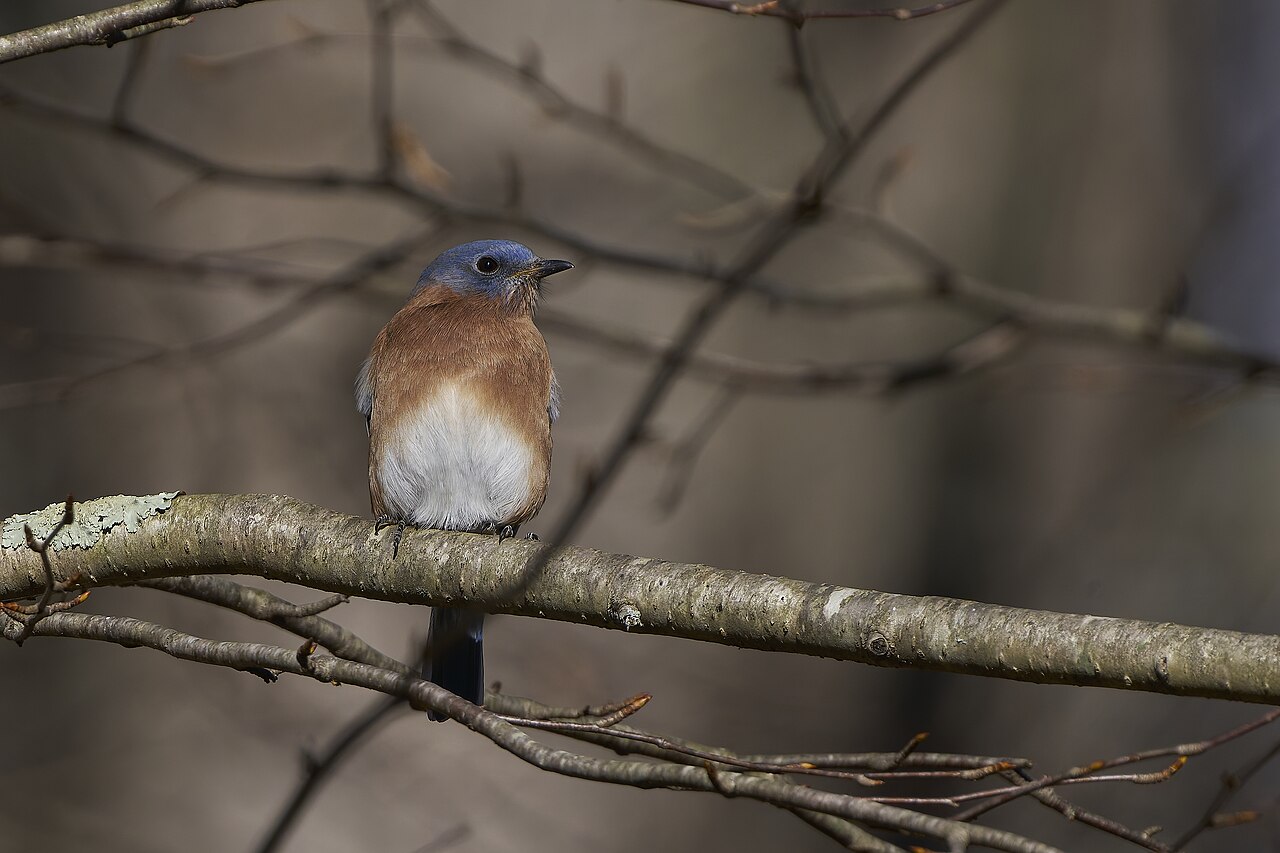
The eastern bluebird symbolizes happiness, hope, joy, and renewal, and is famously known as the bluebird of happiness. Its brilliant blue back and warm reddish breast, combined with its cheerful song and its arrival with spring, made it a lasting emblem of positivity, love, and good fortune across many cultures. Seeing an eastern bluebird is widely taken as a sign of coming joy and better days. This guide covers what the eastern bluebird symbolizes, its spiritual meaning, the bluebird of happiness idea, its place in folklore, and what a bluebird visit or feather may mean.
| Symbol | Common Meaning |
|---|---|
| Happiness | Joy and contentment |
| Hope | Better days ahead |
| Renewal | Spring and fresh starts |
| Love | Warmth and family |
| Good fortune | Prosperity and luck |
| Spirit | Guidance and positivity |
What Does the Eastern Bluebird Symbolize?
The eastern bluebird is one of the most positive symbols in the bird world, associated above all with happiness and hope. Its vivid blue plumage has long been linked to the sky, to open skies of possibility, and to a sense of calm and joy, while its warm orange breast adds a feeling of comfort and love. Because bluebirds return and begin singing early in spring, they became a symbol of renewal, new beginnings, and the end of hard times. Their gentle, musical song reinforced the sense of cheer. Put together, the eastern bluebird stands for optimism, contentment, and the arrival of good things, which is exactly why it earned its enduring nickname. For the natural history of the bird, see our complete Eastern Bluebird guide.
The Bluebird of Happiness
The phrase bluebird of happiness has made the bluebird a near-universal emblem of joy. The idea, popularized through stories, songs, and folklore, holds that the bluebird carries happiness and that its appearance brings or predicts joy. This connection runs deep in popular culture, from classic songs to sayings about finding the bluebird of happiness in your own backyard, a reminder that joy is often close at hand rather than far away. The eastern bluebird, with its dazzling color and sweet voice, is the bird most people picture when they hear the phrase. That is why glimpsing one in the yard feels so uplifting, and why the bird remains a favorite symbol on cards, art, and gifts meant to wish someone well.
Eastern Bluebird Spiritual Meaning
Spiritually, the eastern bluebird is often read as a sign of joy, encouragement, and positive change. Many people take a bluebird sighting as a gentle message to stay hopeful, to trust that a difficult season is ending, or to notice and appreciate the good already present in their lives. In various traditions the bluebird is linked to the spirit, to guidance, and to the idea that happiness and fulfillment are within reach. Because its color connects it to the sky, the bluebird is sometimes seen as a bridge between the everyday and the spiritual, a small burst of blue that lifts the spirit. As with all symbolism, these meanings are cultural and personal rather than proven, but they fit the bird’s genuinely cheerful nature, much like the comforting readings tied to the robin and the cardinal.
Eastern Bluebirds in Folklore and Culture
Bluebirds have carried positive meaning across many cultures for centuries. Several Native American traditions associated the bluebird with the sun, with spring, and with renewal, and some viewed its song as a herald of the growing season. In European and later American folklore, the bluebird became a symbol of happiness, love, and hope, an association strengthened by songs and stories that used the bluebird as an emblem of joy just out of reach or newly found. This consistent thread across cultures, tying the bluebird to happiness, renewal, and good fortune, is remarkable, and it helped make the eastern bluebird one of the most beloved and symbolically rich birds in North America. Its comeback from population declines has only deepened its association with hope.
What It Means When a Bluebird Visits You
When an eastern bluebird appears in your yard or crosses your path, the traditional reading is overwhelmingly positive: happiness, hope, and good things are on their way. A visit is often taken as encouragement to stay optimistic, or as a reassuring sign during a period of change. Because bluebirds were once far less common in many areas and have rebounded with the help of nest boxes, spotting one can feel especially meaningful and lucky. On a practical level, a bluebird visiting your yard usually means you offer something it wants, such as open space, mealworms, berries, or a nest box. If you would like to turn these hopeful visits into regular appearances, our guides to what bluebirds eat and to nest boxes below explain exactly how, starting with what bluebirds eat.
Eastern Bluebird Feather and Spirit Animal Meaning
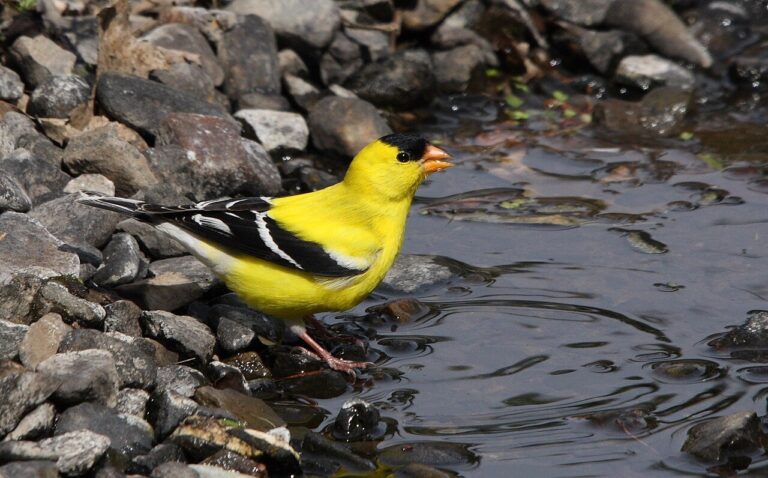
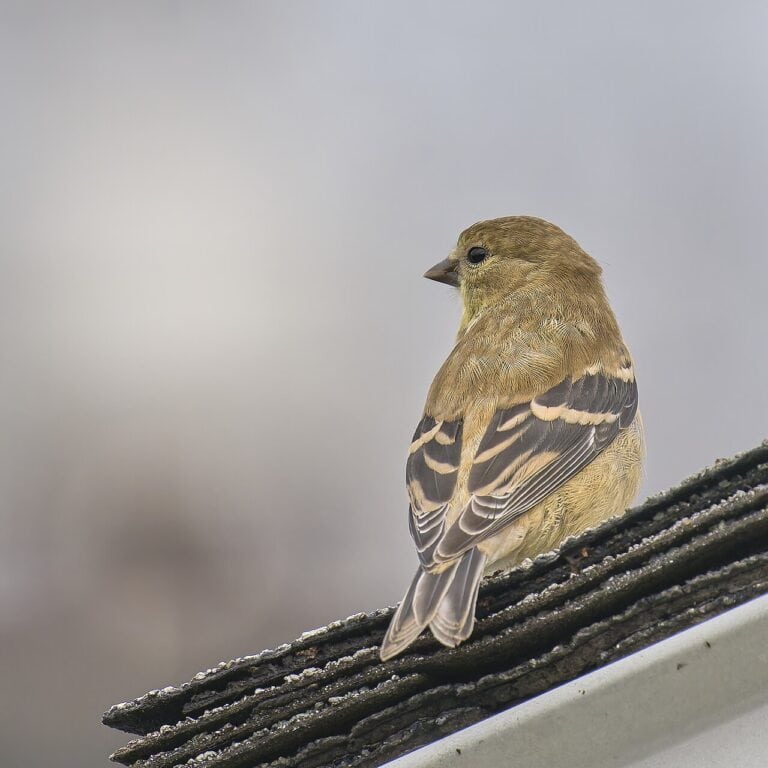
A found bluebird feather is commonly taken as a token of happiness and hope, a small reminder to stay positive and to look for joy in everyday life. As a spirit animal, the bluebird is associated with cheerfulness, optimism, renewal, and the courage to embrace happiness after hardship. In this framing the bluebird encourages you to let go of negativity, to trust in brighter days, and to find contentment in simple things. Whether or not spirit-animal ideas resonate with you, these meanings are rooted in the real bird, whose bright color, sweet song, and springtime return genuinely evoke joy. For another cheerful backyard bird and its symbolism, see our guide to American Goldfinch, a bird whose sunny yellow carries its own message of positivity.
Why the Bluebird Became a Symbol of Hope
Part of the bluebird’s link to hope comes from a real conservation story. In the twentieth century, eastern bluebird numbers declined sharply as nesting cavities disappeared and non-native competitors spread, and for a time the bird grew scarce across much of its range. Then a wave of dedicated people put up nest boxes by the thousands, and bluebird populations rebounded strongly. According to the Cornell Lab of Ornithology, eastern bluebird numbers have increased substantially in recent decades, a genuine comeback driven by human care. This story of a beloved bird brought back from decline gave the bluebird an added, well-earned association with hope, resilience, and the difference small actions can make. It is part of why seeing a bluebird today feels quietly triumphant.
Bluebirds as a Sign of Renewal
Beyond happiness, the bluebird is strongly tied to renewal and new beginnings. Because bluebirds are among the earlier birds to become active and begin nesting as winter loosens, their reappearance signals the turning of the season and the promise of fresh starts. For many people, the first bluebird of the year marks a personal turning point as much as a seasonal one, a nudge to leave the past behind and look forward with optimism. This theme of renewal pairs naturally with the bird’s message of hope and joy, and it is reinforced by the male’s brilliant spring color. Whether read as a seasonal marker or a personal one, the bluebird’s arrival carries a gentle invitation to begin again, echoing the hopeful symbolism of the mourning dove.
Are Bluebirds a Good Omen?
Across cultures and traditions, the bluebird is regarded as one of the most positive omens a person can encounter. Rather than carrying any warning, a bluebird sighting is almost universally read as a promise of happiness, hope, and good fortune to come. Some people take a bluebird appearing at a meaningful moment as reassurance that they are on the right path, while others simply feel their spirits lift at the flash of blue. Because the bird is so strongly tied to joy and renewal, even a brief glimpse tends to be welcomed as encouragement. This consistently hopeful reading is a big part of the bluebird’s enduring appeal as a symbol.
Frequently Asked Questions
What does an eastern bluebird symbolize?
The eastern bluebird symbolizes happiness, hope, joy, renewal, love, and good fortune. It is famously known as the bluebird of happiness and is seen as a sign of coming joy.
What does it mean to see a bluebird?
Seeing a bluebird is almost always read as a positive sign, pointing to happiness, hope, and better days ahead. It is often taken as encouragement to stay optimistic.
Why is the bluebird called the bluebird of happiness?
The phrase comes from folklore, songs, and stories that made the bluebird an emblem of joy. The idea is that the bluebird carries happiness, often found close to home.
What is the spiritual meaning of a bluebird?
Spiritually, a bluebird is often read as a message of joy, encouragement, and positive change, a reminder to stay hopeful and to appreciate the good in your life.
Is a bluebird a sign of good luck?
Yes, bluebirds are widely considered symbols of good fortune and happiness. Because they were once uncommon in many areas, spotting one can feel especially lucky.
What does a bluebird feather mean?
A bluebird feather is commonly taken as a token of happiness and hope, a small reminder to stay positive and to look for joy in everyday moments.
What does it mean when a bluebird visits your yard?
Symbolically it is read as a sign of coming happiness and hope. Practically, it usually means your yard offers open space, mealworms, berries, or a nest box.