Types of Sparrows: A Complete Guide
North America is home to around thirty-five species of native sparrows, small brown birds that include the song sparrow, white-throated sparrow, chipping sparrow, and even the dark-eyed junco. Often dismissed as confusing little brown birds, sparrows reward a closer look with subtle, beautiful patterns. This guide covers how many types of sparrows there are, common species you can see, how to tell them apart, where they live, and how to attract sparrows to your yard.
| Sparrow | Key Features |
|---|---|
| House Sparrow | Introduced, male black bib |
| Song Sparrow | Streaky, central breast spot |
| White-throated Sparrow | White throat, yellow lores |
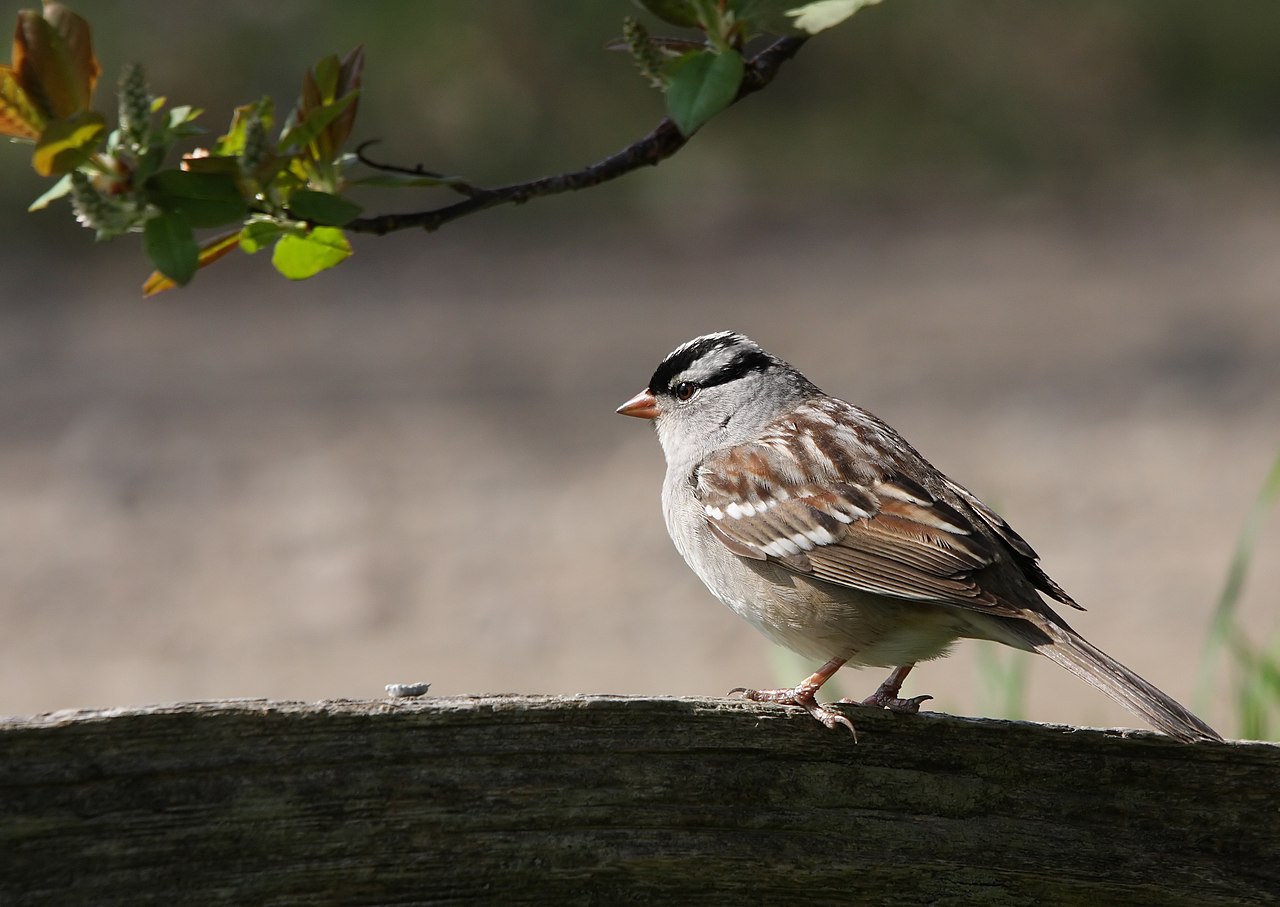
| White-crowned Sparrow | Bold black-and-white crown |
| Chipping Sparrow | Rusty cap, clean gray breast |
| Dark-eyed Junco | Slate gray, white belly |
| Fox Sparrow | Large, rich rusty, streaked |
| Savannah Sparrow | Grassland, yellow near eye |
How Many Types of Sparrows Are There?
There are around thirty-five species of native New World sparrows in North America, part of a large group of small, seed-eating songbirds. Most are brown and streaky, which has earned them the affectionate nickname little brown birds, but each species has its own distinctive marks once you learn to look. This group includes not only the birds we typically call sparrows but also the dark-eyed junco and the towhees, which are all part of the same family. It is worth noting that the very common house sparrow is not a native New World sparrow at all, but an Old World species introduced to North America, so it belongs to a different family despite its name. Native sparrows are generally ground-loving birds that feed heavily on seeds, especially in winter, and many have pleasant, musical songs. Learning to identify sparrows is one of the more rewarding challenges in birding, and feeders can help by bringing them close, as covered in our guide to attracting birds.
Common Types of Sparrows
Several types of sparrows are especially common and worth knowing. The house sparrow, an introduced Old World species, is abundant in cities and around buildings, the male showing a gray crown and black bib. Among native sparrows, the song sparrow is widespread and streaky with a dark central spot on the breast, and it sings a rich, musical song. The white-throated sparrow has a crisp white throat and yellow spots between the eye and bill, while the white-crowned sparrow sports a bold black-and-white striped crown and a plain gray face. The chipping sparrow is small and neat, with a rusty cap and clean gray underparts. The dark-eyed junco, a type of sparrow, is slate gray or brown with a white belly and flashes white outer tail feathers. The large fox sparrow is richly rusty and heavily marked, and the savannah sparrow of grasslands often shows a touch of yellow near the eye. Each has its own subtle beauty.
How to Tell Sparrows Apart
Telling sparrows apart is much easier when you focus on a handful of key features rather than being overwhelmed by their brownness. Start with the breast: is it clean and unmarked, streaked all over, or streaked with a distinct central spot like the song sparrow. Next look at the head, since crown and face patterns are often the most useful clues, such as the white-crowned sparrow’s bold striped crown, the chipping sparrow’s rusty cap, or the white-throated sparrow’s white throat and yellow lores. Note any splashes of color, size, and the bird’s habitat, since some sparrows favor grasslands, others brushy edges or woodlands. Behavior helps too, as juncos flash white tail feathers and towhees scratch in leaf litter. By concentrating on breast pattern, head markings, and habitat, you can identify most sparrows, turning a frustrating group into a rewarding one, much like the birds featured in our guide to bird symbolism.
Where Sparrows Live
Sparrows live in a wide variety of habitats across North America, with different species favoring different settings. The introduced house sparrow is tied closely to cities, towns, and farms, thriving around buildings and people. Native sparrows occupy a broad range of environments: the song sparrow likes brushy areas near water, the chipping sparrow favors open woodlands, lawns, and gardens, and the white-throated and white-crowned sparrows are often seen in brushy edges and thickets, especially during migration and winter. Grassland species like the savannah and grasshopper sparrows inhabit open fields and prairies, while the fox sparrow prefers dense undergrowth. The dark-eyed junco breeds in northern and mountain forests and spreads widely in winter, becoming a common feeder visitor. Many sparrows are migratory, so the species present in an area shift with the seasons, with winter often bringing sparrows to feeders and brushy yards, as detailed in our guide to plants that attract birds.
How to Attract Sparrows
Attracting sparrows to your yard is straightforward, since most are eager seed-eaters. Offering seed is the key, and sparrows are especially fond of feeding on the ground or on low platform feeders, so scattering seed such as white millet, black oil sunflower, or mixed seed on the ground or a low tray can draw them in. Native sparrows also appreciate a brushy, natural yard, since shrubs, hedges, and brush piles provide cover and safety, and many sparrows like to stay near protective vegetation. Planting native, seed-bearing grasses and flowers offers natural food, particularly for grassland and weedy-field species. A ground-level water source for drinking and bathing is welcome too. Leaving some areas a little wild, with seed-bearing plants and cover, makes your yard especially inviting to sparrows. With ground-offered seed and some brushy shelter, you can enjoy a variety of these subtly beautiful birds, particularly in fall and winter when many sparrows visit yards.
Native Sparrows vs the House Sparrow
An important distinction when learning sparrows is that not all birds called sparrows are closely related. According to the Cornell Lab of Ornithology, North America is home to a large number of native New World sparrows, while the abundant house sparrow is actually an Old World species introduced to the continent and belongs to a different family. This means the house sparrow, so familiar around city buildings and farms, is not a true relative of native sparrows like the song or white-throated sparrow, despite the shared name. Native sparrows tend to be birds of fields, brush, and woodlands with subtle, intricate plumage patterns, whereas the introduced house sparrow is strongly tied to human structures and is more boldly patterned in the male. Recognizing this difference helps explain why the house sparrow looks and behaves a bit differently, and it is a useful first step in sorting out the many sparrows you might encounter, much like the finches in our guide to types of finches.
Why Sparrows Are Worth Learning
Sparrows have a reputation as difficult little brown birds, but they richly reward the effort to learn them. Far from being drab, many sparrows have beautiful and intricate plumage when seen well, with finely patterned crowns, warm rusty tones, crisp streaking, and subtle splashes of color like yellow near the eye. Learning to identify sparrows sharpens your birding skills, since it trains you to notice fine details of pattern and structure that help with many other bird groups. Sparrows are also abundant and widespread, so there are always some around to practice on, especially in fall and winter when migrants and winter visitors join residents. Many have lovely songs as well, adding to their appeal. Taking the time to look closely at sparrows transforms them from a frustrating blur into a fascinating and accessible group, and offering seed can bring them close, as detailed in our guide to the best bird seed.
Frequently Asked Questions
How many types of sparrows are there?
There are around thirty-five species of native New World sparrows in North America, including the song, white-throated, and chipping sparrows, plus juncos and towhees.
What is the most common sparrow?
The introduced house sparrow is abundant around cities and buildings, while the song sparrow is one of the most widespread and familiar native sparrows.
Is a house sparrow a real sparrow?
The house sparrow is an Old World species introduced to North America and belongs to a different family than native New World sparrows, despite sharing the name.
Is a junco a sparrow?
Yes, the dark-eyed junco is a type of New World sparrow. It is slate gray or brown with a white belly and flashes white outer tail feathers in flight.
How do you tell sparrows apart?
Focus on the breast pattern, such as streaks or a central spot, the head and crown markings, any color splashes, size, and habitat to identify different sparrows.
How do you attract sparrows?
Offer seed like millet and sunflower on the ground or low feeders, keep brushy cover and shrubs, plant native seed-bearing plants, and provide ground-level water.
Where do sparrows live?
Sparrows live in cities, fields, brushy edges, woodlands, and grasslands across North America. Many are migratory, and juncos and others visit feeders in winter.