Can Chickens Eat Tomatoes? Ripe, Green, and Plant Safety
Chickens can eat ripe tomatoes safely, and most flocks are enthusiastic about them. What they must not eat is the rest of the plant. Tomatoes belong to the nightshade family, and the leaves, stems, flowers, and unripe green fruit all contain solanine and tomatine, glycoalkaloids that are toxic to poultry. Ripening breaks those compounds down almost completely, which is why a red tomato is a treat and a green one is a risk.
That single distinction settles most questions people have about tomatoes and chickens. This guide covers why ripe fruit is safe, what actually happens if a bird eats green tomatoes or foliage, how cherry and heirloom varieties compare, how much to feed and how often, and how to grow tomatoes on a property where chickens range freely.
| Part of the Plant | Safe for Chickens? |
|---|---|
| Ripe red tomato flesh | Yes, in moderation |
| Green unripe tomatoes | No, contains tomatine and solanine |
| Leaves, stems, and vines | No, highest glycoalkaloid content |
| Tomato flowers | No |
| Cooked or canned tomatoes | Plain cooked yes, canned usually no due to salt |
| Serving guide | 1 to 2 small tomatoes per 4 birds, 2 to 3 times weekly |
Can Chickens Eat Tomatoes Safely?
Ripe tomatoes are safe and nutritious for chickens. The fruit is roughly 95 percent water, carries useful amounts of vitamin C, vitamin K, potassium, and the antioxidant lycopene, and most flocks will chase a tossed tomato across the run. There is nothing in fully ripened fruit that poses a toxicity risk to poultry.
The caution applies to everything else the plant produces. Tomatoes are in the Solanaceae family alongside potatoes, eggplant, and peppers, and like their relatives they defend their foliage and unripe fruit with glycoalkaloids. In tomatoes the main compound is tomatine, accompanied by solanine, and both concentrate in leaves, stems, flowers, and green fruit.
Ripening dismantles that defense. As a tomato turns from green to red, tomatine levels drop dramatically, which is the plant’s way of signaling that the seeds are ready for dispersal. A fully red tomato contains only trace amounts, well below anything that would affect a chicken. As with every fruit treat, quantity still matters, and the same 90/10 framework applies here as in our guide to whether chickens can eat pineapple.
Why Ripe Tomatoes Are Good for Chickens
The nutritional case is modest but real. Lycopene, the carotenoid that makes tomatoes red, is a strong antioxidant, and carotenoids in the diet also contribute to richer yolk color. Vitamin C supports birds under heat stress, and the high water content makes tomatoes a genuinely useful hot-weather treat when a flock is panting in the shade.
Potassium and vitamin K round out the profile, and the seeds and skin contribute a small amount of fiber. None of this replaces a complete layer ration, which supplies the 16 to 18 percent protein and the calcium a hen needs to build a shell every day, but it does make tomatoes one of the more worthwhile kitchen scraps to pass along.
Chickens also simply enjoy them, and enrichment has value on its own. A flock that has something to chase, peck apart, and squabble over is less likely to develop feather picking and other boredom behaviors, which matters most in winter or whenever birds are confined. Extension poultry programs including Penn State Extension recommend treat foraging as a practical enrichment tool as long as it stays within the treat allowance.
Can Chickens Eat Green Tomatoes?
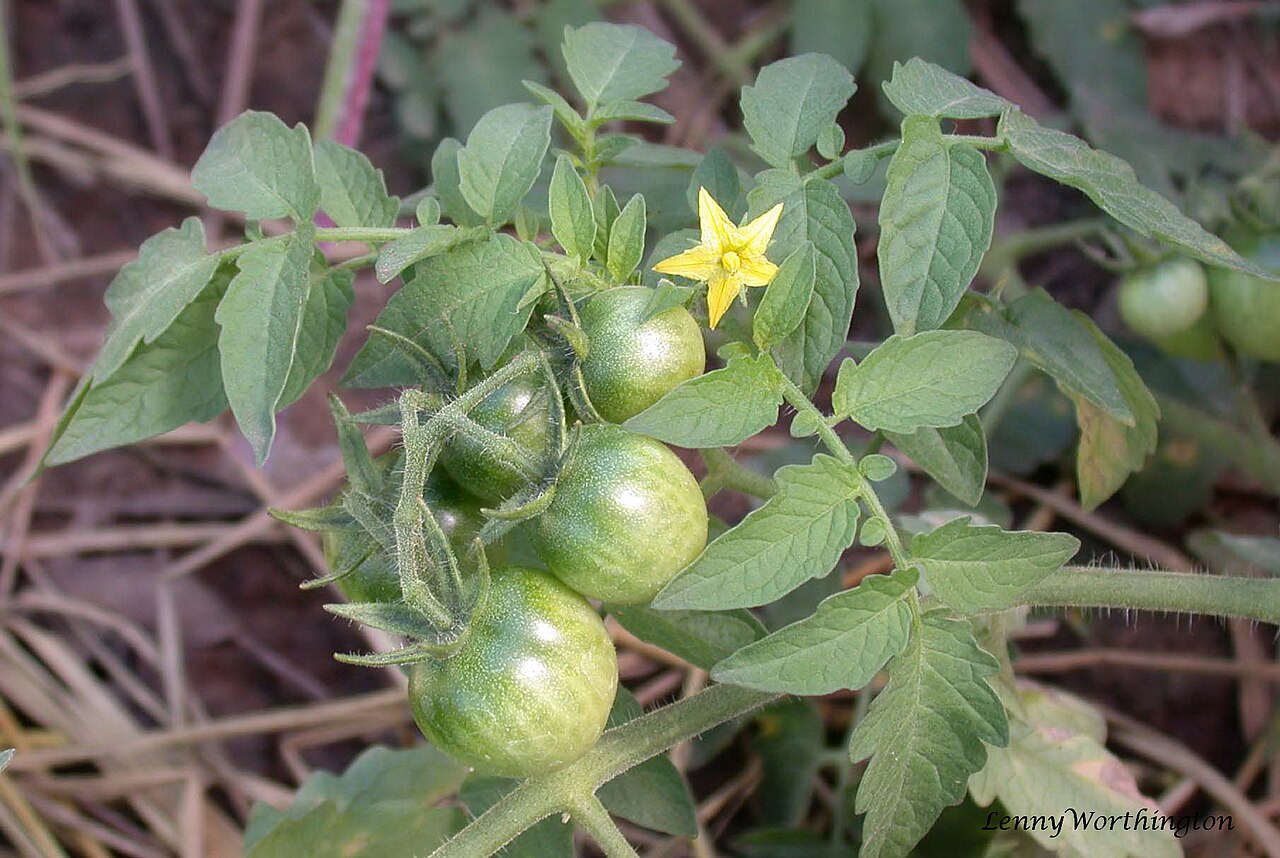
No. Green tomatoes carry the highest glycoalkaloid content of any part of the fruit, and tomatine at those levels is genuinely toxic to poultry. This is the single most important rule in this entire topic, and it is the reason a windfall of unripe fruit at the end of the season should go to the compost rather than the run.
Symptoms of glycoalkaloid poisoning in chickens include lethargy, loss of appetite, diarrhea, weakness, and in severe cases tremors and difficulty walking. Severity depends on how much the bird ate relative to its body weight, so bantams and young birds are at greater risk from the same quantity. A single accidental peck is unlikely to cause harm, but repeated access to green fruit can.
Partially ripe tomatoes sit in a gray zone. A fruit that is mostly red with a green shoulder has low enough tomatine to be fine, while one that is mostly green does not. The simple rule to apply without thinking about it: if you would not eat it raw yourself, do not give it to the flock. If a bird does eat green fruit and shows any of the symptoms above, contact a poultry veterinarian.
Can Chickens Eat Tomato Plants, Leaves, and Stems?
No part of the foliage is safe. Leaves and stems contain the highest concentration of glycoalkaloids in the entire plant, higher even than green fruit, and chickens should have no access to them. That includes fresh vines, prunings, and the plants you pull at the end of the season.
The practical risk is lower than the toxicity suggests, because the foliage is bitter and chickens usually avoid it when better food is available. Problems arise when birds are confined with limited forage, when vines are tossed directly into the run, or when a flock free-ranges through a vegetable garden in early spring with nothing else green to eat.
Dispose of tomato plants where the flock cannot reach them. Compost them in a closed bin, bag them, or put them on a pile outside the run rather than inside it. The same applies to potato foliage, eggplant, and pepper plants, all of which are nightshades carrying the same class of compounds.
Cherry Tomatoes and Other Varieties
Cherry tomatoes are excellent, and arguably the best form to serve. They are the right size for a chicken to grab and run with, they need no cutting, and the ripe fruit is chemically identical to a full-size tomato. A handful scattered across the run gives a flock ten minutes of entertainment.
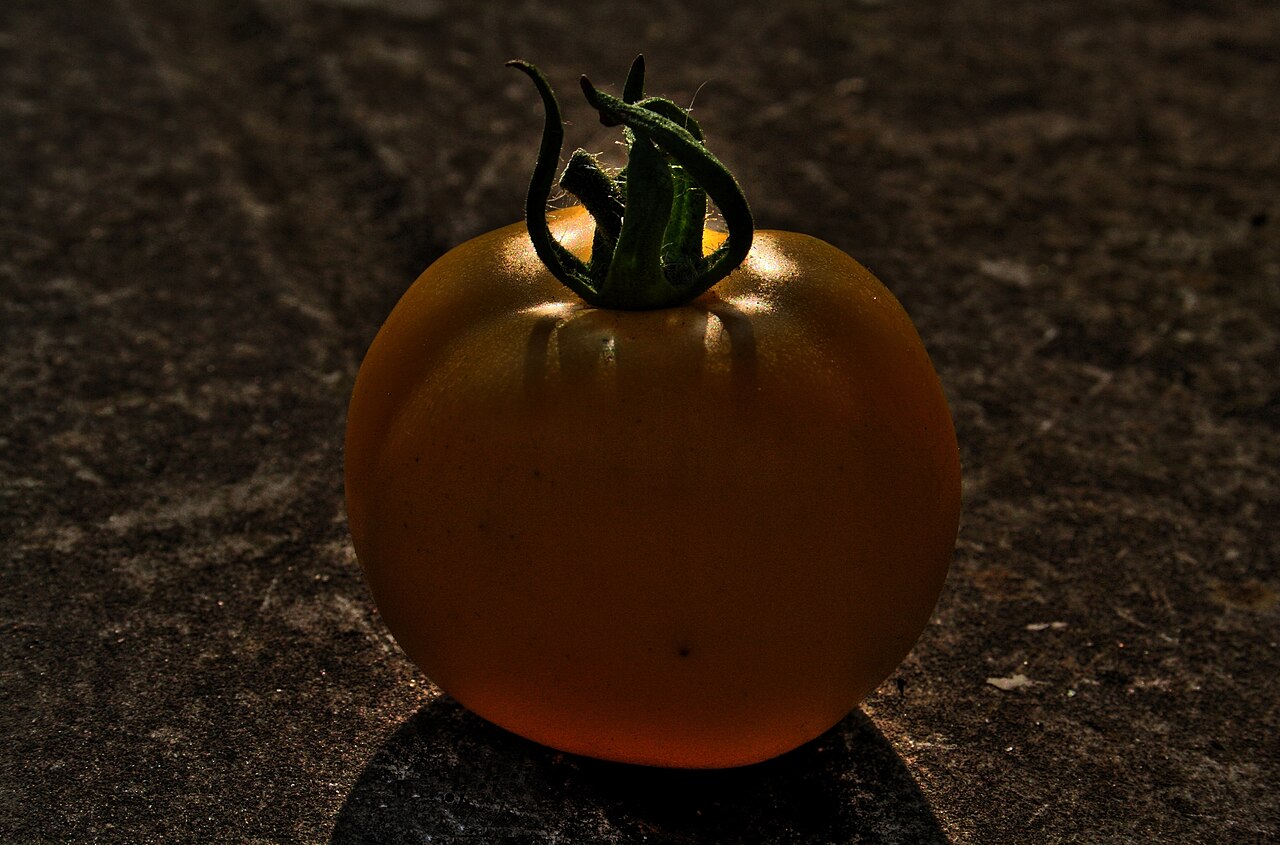
Variety and color make no meaningful difference. Beefsteak, roma, grape, plum, heirloom, and cherry tomatoes all follow the same rule, and so do yellow, orange, purple, and striped varieties. What matters is ripeness rather than final color, so a yellow tomato is ready when it reaches its full mature color for that cultivar, not when it turns red.
Watch the size of the piece rather than the type. Whole large tomatoes are fine for a flock to work at communally, but individual chunks should be small enough to swallow without a struggle, and bantams need smaller pieces than standard hens. The same size-and-grit logic applies across all treats, as our guide to whether chickens can eat grapes explains for another round fruit.
Cooked, Canned, and Rotten Tomatoes
Plain cooked tomato is fine. Heat does not create anything harmful, and leftover roasted tomato or plain tomato sauce with no added ingredients can go to the flock in small amounts. Cooking will not, however, make a green tomato safe, since glycoalkaloids are heat stable and survive normal cooking temperatures.
Canned tomatoes are generally a poor choice because of sodium. Chickens have low salt tolerance relative to their body size, and most canned products carry added salt along with preservatives and sometimes sugar. The same applies to ketchup, pasta sauce, salsa, and anything seasoned with onion or garlic, both of which should stay out of the run entirely.
Overripe tomatoes are fine, actively moldy ones are not. Mold on fruit can carry mycotoxins that cause serious illness in poultry, so anything fuzzy, slimy, or fermenting belongs in the compost. Remove uneaten tomato from the run within a few hours in warm weather, both to prevent spoilage and to avoid drawing flies and rodents.
How Much Tomato and How Often
A reasonable serving is one to two small tomatoes shared among four birds, two or three times a week. In practice a couple of cherry tomatoes per hen is plenty, and a single large tomato distributed across a flock of six is a full treat serving for the day.
The 90/10 rule is the governing framework. Ninety percent of daily intake should be complete feed, with all treats combined making up the remaining tenth. That includes scratch grain, mealworms, garden scraps, and every other fruit, not tomatoes alone, and it is easy to blow past the limit when you hand out something different each day.
Watch the outputs rather than counting grams. Firm normal droppings and steady consumption of layer feed mean the balance is right. Persistently loose droppings, feed sitting untouched, or thin eggshells mean treats are displacing the ration and should be cut back for a week. Keep crushed oyster shell available free choice so hens can top up calcium independently.
Tomatoes, Egg Production, and Yolk Color
Fed sensibly, tomatoes have no negative effect on laying. The carotenoids they contain contribute modestly to deeper yolk color, though marigold, corn, leafy greens, and general pasture access all have a larger effect. Nobody should expect a visible change from a few tomatoes a week.
Problems only appear when treats crowd out the ration. A hen that fills up on watery fruit takes in less protein and calcium, and within a couple of weeks that shows as thinner shells, smaller eggs, or reduced laying frequency. The fix is the same in every case, which is to cut treats back and make sure the complete feed is the primary food.
Heat is the other variable worth mentioning. Laying drops in hot weather regardless of diet, and the cooling effect of a chilled high-water treat like tomato can help a flock through a heat wave. Freeze cherry tomatoes and offer them on the hottest afternoons for a treat that works as both hydration and enrichment.
Growing Tomatoes Around Free-Range Chickens
Chickens and tomato plants coexist badly without a barrier. Birds peck ripening fruit within reach, scratch mulch away from the base of plants, dust bathe in loose soil around the roots, and can expose or damage shallow feeder roots. The damage is rarely fatal to the plant but it costs you a lot of fruit.
Fencing the bed is the reliable answer. A 3 ft barrier of welded wire or a simple chicken wire ring around the plot keeps a flock out of the tomatoes while still letting them work the rest of the yard for insects. Cages around individual plants help but do not stop scratching at the base.
Used deliberately, chickens are genuinely useful in a vegetable garden at the right time of year. Turning a flock into the bed before planting in spring and again after the plants come out in autumn lets them eat overwintering pests, hornworm pupae, and weed seeds while turning the soil. Chickens are not the only visitor sampling your crop either, since garden tomatoes turn up regularly in the diet described in our guide to what possums eat. The rule is to keep the flock out during the growing season and let them in on either side of it, and anyone running mixed livestock on a small holding will recognize the same rotation logic from our guides to coturnix quail, button quail, and raising a baby alpaca.
Related reading: can chickens eat popcorn.
Frequently Asked Questions
Can chickens eat tomatoes?
Yes, ripe tomatoes are safe and nutritious in moderation. Green unripe tomatoes, leaves, stems, and flowers are not, because they contain tomatine and solanine, glycoalkaloids that are toxic to poultry. Keep treats of all kinds under about 10 percent of daily intake.
Can chickens eat green tomatoes?
No. Green tomatoes carry high levels of tomatine and can cause lethargy, loss of appetite, diarrhea, weakness, and in severe cases tremors. Ripen them indoors instead and feed them once they have fully colored up.
Are tomato plants poisonous to chickens?
Yes. Leaves and stems contain the highest glycoalkaloid concentration in the plant, higher than green fruit. Dispose of vines and prunings where the flock cannot reach them, and treat potato, eggplant, and pepper foliage the same way.
Can chickens eat cherry tomatoes?
Yes, and they are one of the best forms to serve. Ripe cherry tomatoes are the right size to grab and swallow, need no cutting, and are chemically identical to full-size ripe fruit. Scatter them across the run for foraging enrichment.
Can chickens eat canned or cooked tomatoes?
Plain cooked tomato is fine in small amounts. Canned tomatoes are generally a poor choice because of added salt, and chickens have low salt tolerance. Avoid ketchup, pasta sauce, and salsa, which usually contain onion, garlic, sugar, or heavy sodium.
How many tomatoes can chickens eat?
About one to two small tomatoes shared among four birds, two or three times a week. All treats combined should stay under 10 percent of daily intake so the complete layer ration continues to supply the protein and calcium hens need.
Will tomatoes change my egg yolks?
Only slightly. The carotenoids in tomatoes contribute modestly to deeper yolk color, but marigold, corn, leafy greens, and pasture access have a much stronger effect. A few tomatoes a week will not produce a visible difference.