Baby Peacock: Why Peachicks Look the Same Regardless of Sex
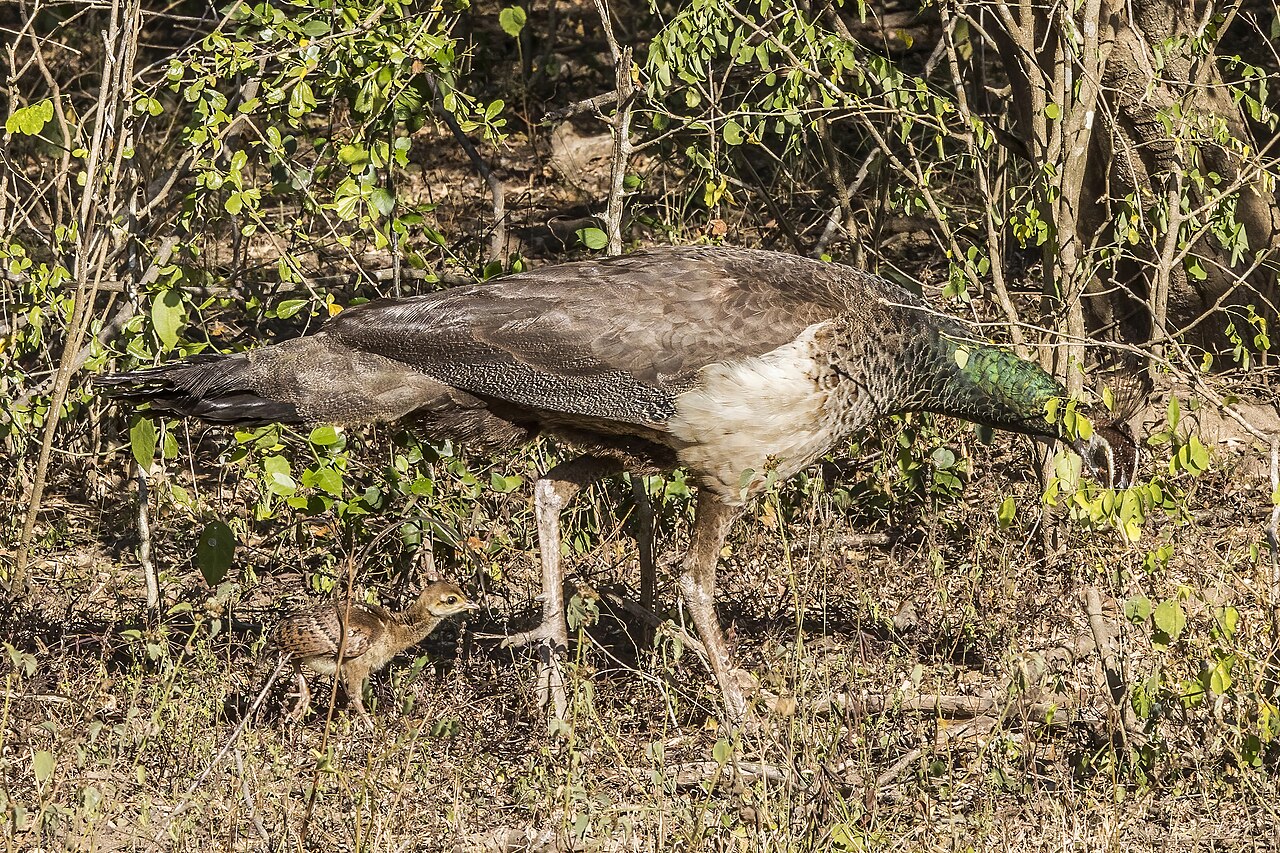
A baby peacock is called a peachick, and despite the male peacock’s famously extravagant, iridescent tail train, peachicks of both sexes hatch looking essentially identical, covered in soft, pale yellowish-brown down with no hint whatsoever of the spectacular coloration or elaborate feathering that will eventually distinguish adult males from the considerably more modest brown females, a coloration convergence that means sexing young peachicks by appearance alone is genuinely difficult even for experienced keepers until they are several months old.
This delayed sexual dimorphism, where males and females look alike as chicks before gradually diverging as they mature, reflects the peacock’s broader developmental pattern, in which the male’s famous train itself does not begin developing until well into the bird’s second or third year, making peachick care and identification a genuinely different experience than raising many other more immediately sex-distinguishable poultry species. This guide covers peachick hatching and early development, the gradual timeline toward adult plumage and eventual train growth, practical care considerations, and how to eventually distinguish males from females as they mature.
| Fact | Baby Peacock (Peachick) |
|---|---|
| Name | Peachick |
| Clutch size | 4 to 8 eggs typically |
| Incubation period | About 28 days |
| Hatchling coloring | Identical regardless of sex |
| Sex distinguishable | Around 3 to 6 months |
| Male train develops | Not until 2 to 3 years old |
A baby peacock is called a peachick. Both sexes hatch identical, covered in pale yellowish-brown down with no hint of adult colour. Sex becomes visible at around two months, and a male’s full train is not complete until his third or fourth year.
What Is a Baby Peacock Called?
Baby peacocks are called peachicks, a term applying equally to both male and female young despite the considerable difference that will eventually develop between them as adults, since technically only males are properly called peacocks while females are called peahens, with peafowl serving as the correct gender-neutral term for the species overall, though peachick remains the standard term for young birds of either eventual sex.
Peahens typically lay clutches of 4 to 8 eggs, incubating them for approximately 28 days before hatching occurs, a timeline broadly similar to many other domestic and wild fowl species, though peafowl reproduction and chick-rearing behavior shows some genuinely distinctive characteristics worth understanding for anyone raising or observing this species specifically.
Unlike some bird species where the male takes an active role in chick-rearing, peacock parenting responsibility falls almost entirely to the peahen, who incubates the eggs alone and subsequently cares for the peachicks without meaningful paternal involvement, a pattern connected to the broader peafowl mating system in which males typically maintain minimal ongoing involvement with any single female or her offspring after mating has occurred.
Why Peachicks Look Identical Regardless of Sex
The most genuinely distinctive fact about baby peacocks is that peachicks hatch and remain, for their first several months, essentially indistinguishable by sex through plumage alone, both displaying the same soft, pale yellowish-brown to tan down coloring with occasional darker markings, a stark contrast to the dramatic difference that will eventually separate the spectacularly plumaged adult male from the comparatively modest brown adult female.
This delayed sexual dimorphism reflects a broader pattern seen in several bird species where elaborate male breeding plumage develops gradually over multiple years rather than appearing immediately, meaning the extravagant iridescent blue-green coloring and famous eye-spotted train feathers that make adult male peafowl so visually distinctive represent a considerably later developmental stage than the basic juvenile plumage all peachicks share regardless of their eventual sex.
For keepers and breeders specifically needing to determine peachick sex earlier than the visual plumage differences that eventually emerge, more advanced techniques including DNA testing or, in some cases, careful examination of certain subtle physical differences by experienced handlers can provide earlier confirmation, though these methods require more specialized knowledge or laboratory testing than simply observing chick coloration, which remains genuinely uninformative regarding sex during the earliest developmental months.
Growth Timeline: From Hatchling to Juvenile
Newly hatched peachicks are precocial, meaning they hatch with open eyes, a full covering of down, and the ability to walk and follow their mother almost immediately, similar to chickens and many other ground-nesting fowl species, though peachicks remain considerably dependent on maternal guidance and protection for warmth and predator avoidance during their vulnerable early weeks despite this relatively advanced hatching state.
Feather development progresses over the following weeks and months, with peachicks gradually replacing their initial down with juvenile feathers, though this juvenile plumage still shows minimal difference between sexes, and it typically takes several months, generally somewhere in the range of 3 to 6 months depending on individual development and specific conditions, before observers can begin reliably distinguishing males from females based on emerging color and pattern differences.
Full adult plumage, including the male’s complete characteristic coloring, takes considerably longer to develop fully, with the famous elaborate train specifically not beginning meaningful growth until the male peafowl reaches approximately 2 to 3 years of age, meaning even after sex becomes visually distinguishable through basic coloring differences, young males will continue looking notably less spectacular than fully mature males for a genuinely extended period afterward.
Maternal Care and Early Chick Behavior
Peahens provide dedicated maternal care for their peachicks, leading them to appropriate foraging areas, providing warmth through brooding, particularly important during cooler weather or at night, and offering protection against potential predators, a maternal investment that reflects the considerable vulnerability young peachicks face given their inability to fly effectively until they develop sufficient flight feathers over their first several weeks.
Peachicks begin foraging alongside their mother relatively early, learning to identify appropriate food sources including insects, seeds, and various plant material through observing and following the peahen’s own foraging behavior, a learning process that mirrors similar behavior patterns seen across many ground-foraging bird species where young learn appropriate diet and foraging technique largely through parental example rather than pure instinct alone.
Early flight capability develops gradually as peachicks grow their flight feathers, initially allowing only short, low flights to escape immediate ground-level threats or reach low roosting spots, with fuller flight capability, including the ability to reach higher roosting locations peafowl favor as they mature, developing progressively over the following weeks and months as feather growth and muscle development continue.
Practical Care Considerations for Peachicks
Peachicks raised in captivity, whether by breeders or hobbyist keepers, require appropriate brooding setups similar to those used for chicks of other domestic fowl species, including supplemental heat sources during their first several weeks when they cannot yet fully regulate their own body temperature, along with appropriately sized and nutritionally complete feed formulated for young game birds or poultry.
Housing security matters particularly given peachicks’ vulnerability to predators during their flightless early weeks, making secure, predator-proof brooding areas genuinely important, and this vulnerability period, combined with the peahen’s natural protective instincts when raising chicks under more free-range conditions, means keepers often need to balance providing appropriate space and natural behavior opportunities against the genuine predation risk young peachicks face.
As peachicks grow and develop stronger flight capability, transitioning toward more standard adult peafowl housing and care, which typically includes access to elevated roosting areas peafowl naturally prefer, becomes appropriate, though keepers should introduce this transition gradually and continue monitoring young birds for adequate integration into any broader existing peafowl group, since peafowl can show some territorial behavior that may require careful management when introducing younger birds to established adult peafowl populations.
Peafowl Diet and Foraging as Chicks Mature
Peachicks begin sampling solid food alongside continued maternal feeding relatively early, gradually building toward the same varied omnivorous diet adult peafowl rely on, covered in complete detail in our peacock diet guide, including insects, seeds, and various plant material that peahens help guide chicks toward locating through direct observation and example during early foraging trips.
This dietary transition connects to broader peafowl foraging behavior generally, with young birds gradually developing the search image and foraging technique needed to independently locate appropriate food sources, a learning process that continues well past the initial weaning period as juveniles refine their foraging skills alongside continued exposure to their mother’s example and, in many cases, the broader social group peafowl often maintain.
Some keepers raising peachicks in captivity specifically supplement natural foraging opportunities with appropriate commercial feed formulated for young game birds, an approach that provides more nutritional consistency than relying entirely on natural foraging alone, particularly important during the vulnerable early growth period when consistent nutrition supports healthy development toward the eventual dramatic adult plumage covered throughout the rest of this guide.
When Can You Tell Males From Females?
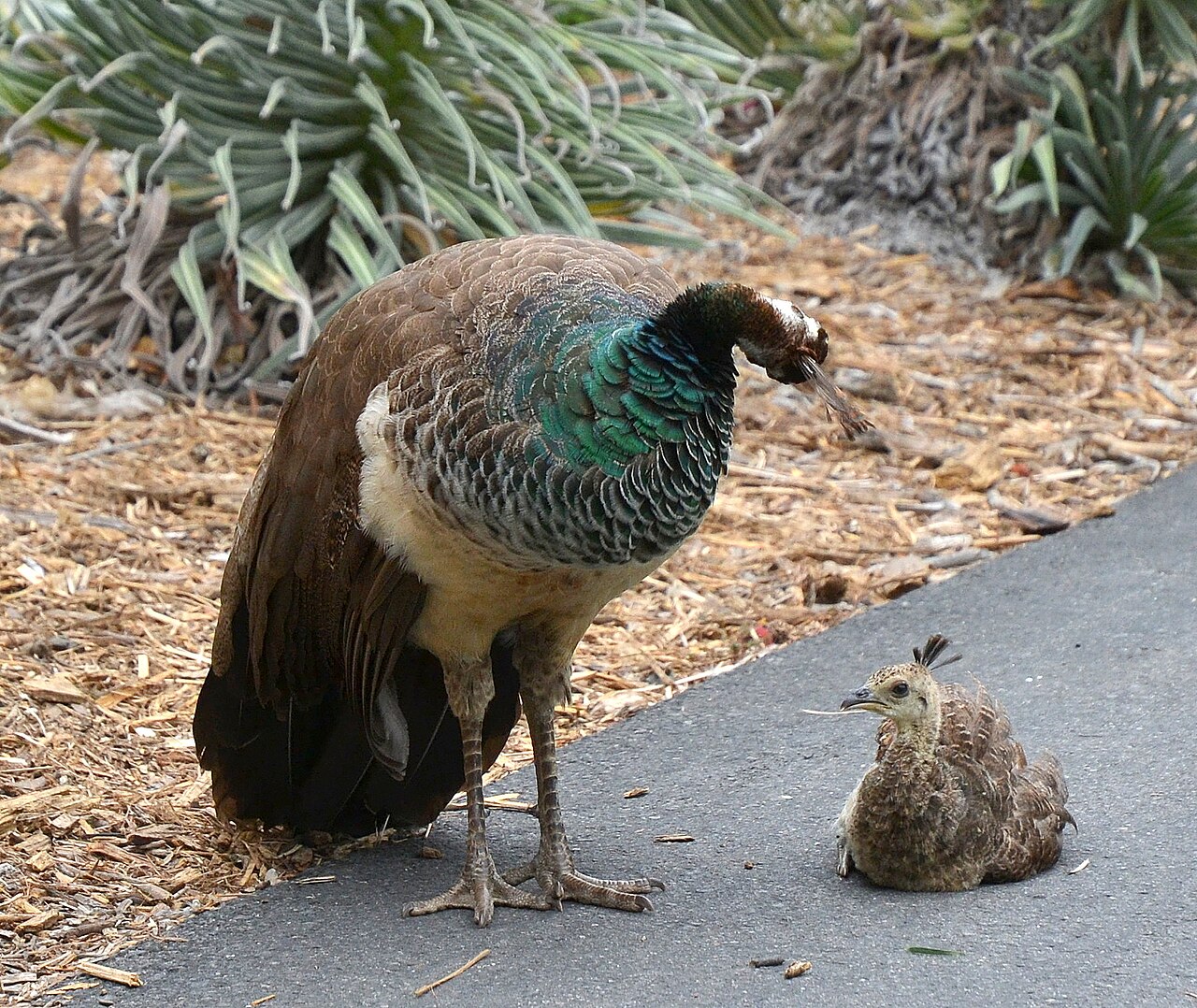
The earliest reliable visual sex differences in young peafowl typically begin emerging somewhere around 3 to 6 months of age, though the exact timing varies based on individual development and specific peafowl variety, with young males generally beginning to show hints of the brighter, more saturated coloring that will eventually develop into their full adult plumage, while females tend to retain more of the muted, brownish coloring characteristic of the adult peahen.
Even after these initial color differences become apparent, distinguishing juvenile males from females can remain genuinely challenging for less experienced observers, since the dramatic differences most people associate with adult peafowl, particularly the male’s elaborate train, remain entirely absent for a considerably longer period, meaning a young male peafowl at even a year old may still look considerably more similar to a female than most people expect based on typical adult peafowl imagery.
For definitive sex confirmation, particularly important for breeding operations needing accurate sex ratios earlier than natural plumage development allows, DNA testing services specifically designed for avian sex determination provide considerably more reliable and immediate confirmation than waiting for visual plumage differences to fully emerge, a service increasingly accessible to hobbyist and commercial peafowl keepers alike through specialized avian testing laboratories.
The Long Road to the Famous Peacock Train
Perhaps the most genuinely surprising fact about peachick development is just how long it takes for the male’s famous, spectacular train to actually develop, with meaningful train growth typically not beginning until the bird reaches approximately 2 to 3 years of age, meaning even a young male peafowl that has already developed recognizably male body coloring will still lack the elaborate tail feathers most people specifically associate with adult male peafowl for a genuinely extended additional period.
This train, technically composed of elongated upper tail covert feathers rather than the actual tail feathers themselves, continues developing and typically improving in size and quality across several successive years, with peacocks often not displaying their fullest, most impressive train until reaching full maturity somewhere around 5 to 6 years of age, connecting to the broader peafowl symbolism and visual appeal covered in our peacock feathers guide.
This extended developmental timeline toward the male’s full spectacular adult appearance means peafowl breeding and keeping genuinely requires a longer-term perspective than many other poultry species, since the visually spectacular payoff most people specifically associate with keeping peafowl, the mature male’s full elaborate train display covered in relation to broader courtship and peacock symbolism traditions, arrives only after several years of comparatively unremarkable-looking juvenile and young adult development.
Even rare color variants like the albino peacock follow this same delayed dimorphism pattern as chicks, showing distinctive white or pale coloring from hatching regardless of eventual sex, a genetic difference entirely separate from the normal sex-based plumage divergence covered throughout this guide.
Related reading: Baby Flamingo.
What Do Peachicks Eat in the First Weeks?
Peachicks eat a high-protein diet for their first weeks, much richer than what adult peafowl need. In the wild the mother leads them to insects, larvae, spiders and small invertebrates, and they take seeds and tender green shoots alongside. Protein drives the rapid early feather growth that gets them flight-capable within about a week.
In captivity the standard is a game bird or turkey starter crumb at roughly 28 to 30 percent protein for the first six to eight weeks, stepped down to a grower feed afterwards. Ordinary chicken starter is usually too low in protein for peafowl and produces slow, uneven growth. Chopped greens, mealworms and finely chopped hard-boiled egg are common supplements, and clean water in a shallow dish matters because very young chicks drown easily in deep containers.
Peachicks are precocial and follow the hen within hours of hatching, feeding themselves rather than being fed by the parents. That independence is the opposite of the crop-milk dependency seen in some other large birds. The Smithsonian’s National Zoo profile of common peafowl covers diet and foraging behaviour across life stages.
Frequently Asked Questions
What is a baby peacock called?
A peachick, a term used for young peafowl of either sex. Technically, only adult males are called peacocks, while adult females are called peahens, with peafowl serving as the gender-neutral term for the species.
Can you tell if a peachick is male or female?
Not reliably by appearance alone until around 3 to 6 months of age, since peachicks of both sexes hatch and initially develop with essentially identical pale, muted down coloring regardless of their eventual sex.
When does a male peacock get its tail feathers?
The famous train does not begin meaningful development until the bird is approximately 2 to 3 years old, with the fullest, most impressive train typically not appearing until around 5 to 6 years of age.
How long do peahens incubate their eggs?
Approximately 28 days, with typical clutch sizes ranging from 4 to 8 eggs, broadly similar to the incubation timeline of many other domestic and wild fowl species.
Do peachicks need special care when hatched?
Yes, they require supplemental heat during their first weeks, secure predator-proof housing given their vulnerability before developing flight capability, and appropriately formulated feed similar to other young game bird or poultry care.
Why do baby peacocks all look the same regardless of sex?
This reflects delayed sexual dimorphism, where the dramatic plumage differences between adult males and females develop gradually over months and years rather than being present from hatching, unlike some other bird species.
How can I definitively determine a peachick’s sex early on?
DNA testing services specifically designed for avian sex determination provide reliable confirmation considerably earlier than waiting for natural plumage differences to become visually apparent around 3 to 6 months of age.