What Do Peacocks Eat? Wild Diet and Feeding Peafowl
Peacocks are omnivores that eat far more than the grain most people picture. In the wild they forage through leaf litter for seeds, grain, berries, figs, flower petals, and green shoots, and they take insects, worms, small lizards, frogs, and even young snakes with equal readiness. They also famously kill and eat venomous snakes, a habit that earned them protected status in parts of India long before it was formalized.
That broad diet is why they thrive in so many settings, from Indian forest to a Florida suburb to an English country estate. This guide covers the wild diet, what keepers should feed, the protein requirements that change through the year, foods that are dangerous, and what peachicks need in their first weeks.
| Quick Facts | Peafowl Diet |
|---|---|
| Diet type | Omnivore, ground forager |
| Wild foods | Seeds, grain, berries, insects, small reptiles |
| Captive base | Game bird feed at 16 to 20 percent protein |
| Daily intake | Roughly 0.5 lb of feed per adult |
| Notable habit | Kills and eats venomous snakes |
| Never feed | Avocado, chocolate, moldy feed, raw dried beans |
Peacocks are omnivores that eat seeds, grains, berries, insects, small reptiles and even snakes, and yes, peacocks eat ticks. They can safely eat grapes, apples, tomatoes and leafy greens as treats, while bread offers little nutrition and should stay an occasional bite. Never feed avocado, chocolate or salty processed food.
What Do Peacocks Eat in the Wild?
Indian peafowl are ground foragers, and most of the diet comes from scratching through leaf litter and soil. Seeds and grain dominate by volume, including wild grass seed and, where the two overlap, cultivated crops such as rice, wheat, and groundnut, which is why they are considered an agricultural pest in some regions.
Plant material extends well beyond seed. They take berries, figs, flower petals, buds, young shoots, grass, and fallen fruit, and they will strip a productive fruiting shrub methodically over several days.
Animal prey is a substantial and often overlooked part. Insects of all kinds, especially termites, beetles, ants, crickets, and grasshoppers, are taken constantly, along with earthworms, millipedes, spiders, small lizards, frogs, and rodents. The proportions shift with season, and insect intake rises sharply during breeding when protein demand peaks. Our guide to the female peacock covers the bird doing most of the nesting work that protein supports.
Peacocks and Snakes
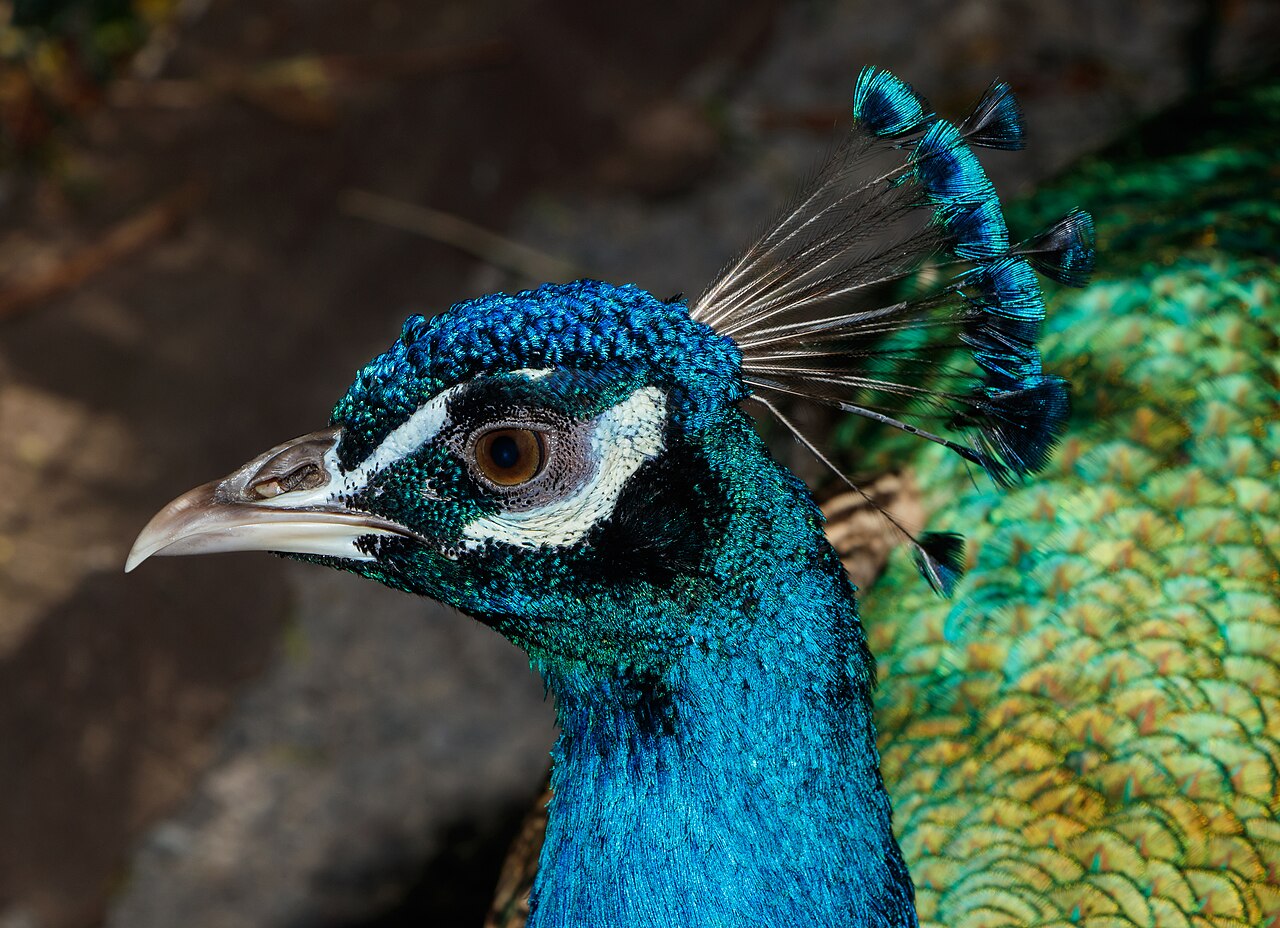
The reputation is real. Peafowl kill and eat snakes, including venomous species such as young cobras and kraits, attacking with rapid pecks to the head and beating the snake against the ground before swallowing it in pieces.
They are not immune to venom, which is the part usually misreported. A peacock that gets bitten can die, and the defense is speed, agility, and thick leg scaling rather than any physiological resistance. What makes the behavior work is that the bird strikes first and rarely gives the snake an opening.
This habit is why peafowl were tolerated and encouraged around Indian villages for centuries and why they carry protected status under Indian wildlife law today. In the United States, keepers in snake country sometimes cite the same benefit, though it should not be relied on as a control method any more than any single predator should.
What to Feed Peafowl in Captivity
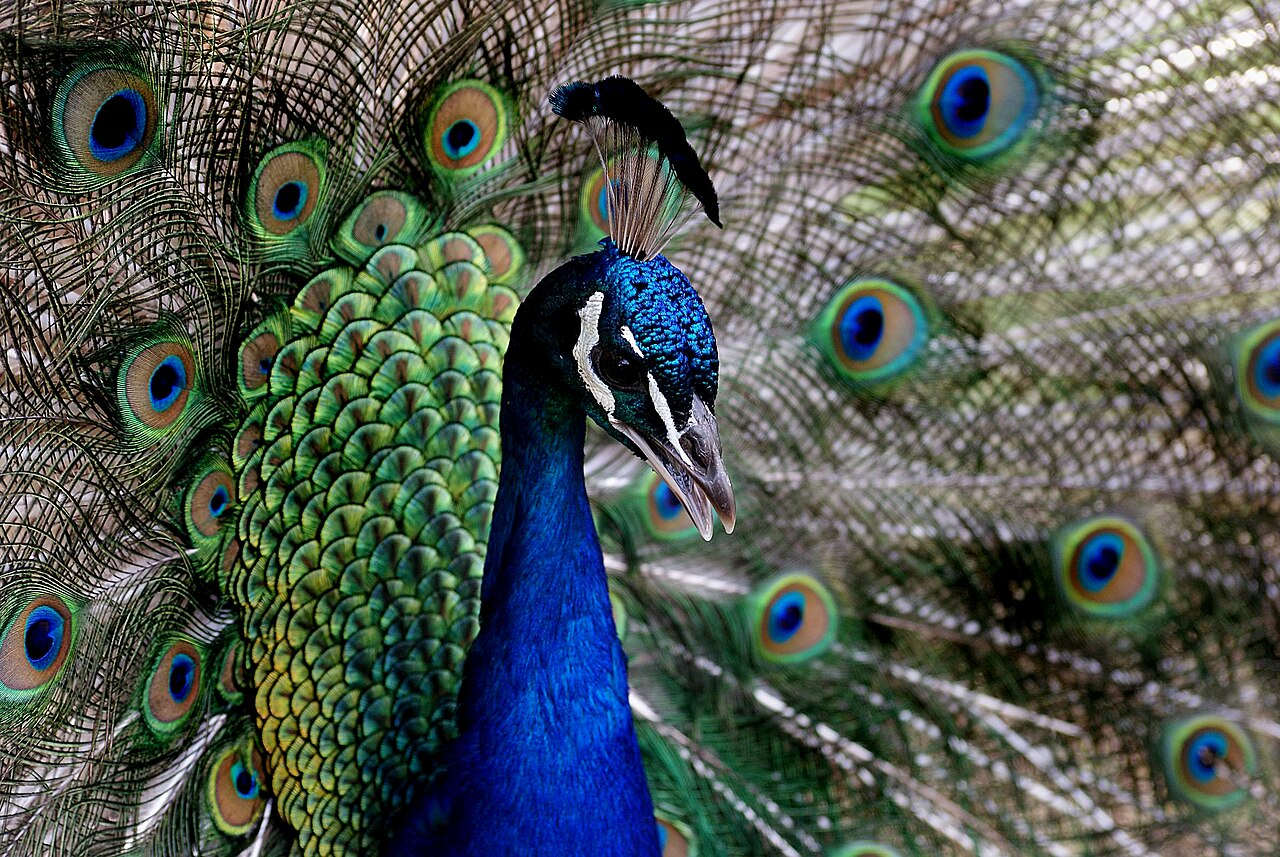
University extension poultry programs publish feed specifications for game birds separately from chicken guidance, precisely because the protein requirements diverge. A commercial game bird feed forms the base and does most of the nutritional work. Aim for 16 to 20 percent protein depending on the season, since standard chicken layer feed at 16 percent is marginal for peafowl and falls short during molt and growth.
An adult eats roughly 0.5 lb of feed per day, more in cold weather and less when free-ranging over good ground. Free-range birds supplement heavily on their own, taking insects, seeds, and greens, and their feed consumption drops noticeably in summer.
Grain supplements the base rather than replacing it. Cracked corn, wheat, oats, and milo are all readily taken, and scratch grain is useful for training birds to come in at dusk, which matters for predator protection. Keep grain to a modest share of intake, because a diet heavy in whole grain dilutes the protein and mineral content of the formulated ration in exactly the way our guide to whether chickens can eat bread describes for poultry.
Protein and the Annual Molt
Peafowl protein needs swing more than most poultry because of what they grow. A mature peacock sheds and regrows around 150 to 200 elongated train feathers every year, dropping them after the breeding season and rebuilding them over the following months.
That is an enormous investment in keratin. Feed at 20 to 22 percent protein through molt, and consider supplementing with animal protein such as mealworms, black soldier fly larvae, boiled eggs, or a small amount of cat food, all of which peafowl take readily.
Breeding season carries its own demand. Laying hens need adequate calcium for shell formation, so provide crushed oyster shell free choice rather than mixing it into feed, which lets each bird regulate its own intake. Growing peachicks need the highest protein of all, which is covered below.
Fruits, Vegetables, and Greens
Peafowl enjoy produce and it makes good enrichment. Leafy greens including kale, chard, cabbage, and lettuce, plus tomatoes, cucumber, cooked squash and pumpkin, carrots, peas, and sweetcorn are all safe and readily eaten.
Fruit works as an occasional treat rather than a staple. Berries, melon, apple without seeds, grapes, and figs are favorites, and frozen fruit helps during hot weather. Keep the total modest, since fruit sugar displaces the formulated ration in the same way it does with any bird.
Foraging opportunity matters as much as the food itself. Peafowl are ground birds that spend most of the day walking and scratching, and a run with grass, leaf litter, and insects supports better health and fewer behavioral problems than a bare enclosure with a full feeder. Scattering feed rather than using only a trough extends foraging time considerably.
What Peacocks Should Not Eat
Several foods are genuinely dangerous. Avocado contains persin and is toxic to birds, chocolate and caffeine are toxic, raw dried beans contain lectins that are lethal to poultry unless thoroughly cooked, and anything moldy risks mycotoxins that damage the liver and immune system.
Others cause problems without being acutely toxic. Onion and garlic in quantity can damage red blood cells, salty and heavily processed human foods exceed a bird’s low salt tolerance, and rhubarb leaves contain oxalic acid. Uncooked potato peel and green potato carry solanine, the same compound that makes green tomatoes a problem, which our guide to whether chickens can eat tomatoes covers in detail.
Bread deserves its own mention because it is the most commonly offered wrong food. It provides calories with almost no protein, calcium, or micronutrients, and a flock that fills up on bread eats less of the ration that actually supports feather growth and laying. Feed it rarely if at all.
What Do Peachicks Eat?
Peachicks need substantially more protein than adults. Start them on a game bird starter crumble at 28 to 30 percent protein, which is considerably higher than chick starter, and keep them on it for the first six to eight weeks.
Step the protein down gradually. Move to a grower feed around 20 to 24 percent from roughly two to six months, then to the adult maintenance level. Rushing this transition produces leg and growth problems that are difficult to correct later.
They are precocial and feed themselves from the start, following the hen and learning what to eat by watching her. Insects are important during this period, and live mealworms or small crickets are readily taken and support rapid growth. Ensure feed is finely crumbled for the first days, provide shallow water they cannot drown in, and offer chick grit if they have access to anything other than crumble.
Feeding Wild and Free-Ranging Peafowl
Free-ranging peafowl feed themselves substantially, which is a large part of their appeal on a property. They control insect populations effectively, take ticks and beetles from lawns and gardens, and deal with slugs and snails, all while covering considerable ground each day.
They also cause conflict, and it is usually food-driven. Peafowl strip vegetable gardens, eat ornamental flowers and buds, damage seedlings by scratching, and in suburban areas they concentrate wherever people feed them, which is how a few birds become a neighborhood problem in places like parts of Florida and southern California.
Feeding wild or feral peafowl is discouraged for that reason and is prohibited in some municipalities. If you keep birds, feed them in a defined place at a defined time rather than scattering food broadly, secure feed in metal containers to avoid attracting rodents, and be aware that supplemental feeding of any ground bird also draws the predators covered in our guide to whether foxes are dangerous, along with raccoons and coyotes.
Water and Grit
Peafowl drink more than people expect, particularly in hot weather and when feeding on dry grain. Provide clean fresh water at all times in containers deep enough for an adult but safe for chicks, and check them twice daily in summer since they foul quickly.
Grit is not optional for birds eating whole grain, seeds, or vegetation. Birds have no teeth, and the gizzard grinds food mechanically using small stones the bird swallows deliberately. Free-ranging peafowl usually collect their own, but confined birds depend entirely on what you supply.
Keep the two supplements separate. Insoluble grit is for grinding and should be available to all birds, while crushed oyster shell is a calcium source for laying hens specifically. Mixing them into feed forces every bird to consume both regardless of need, whereas offering them free choice in separate containers lets each bird take what it requires. Our guide to the albino peacock covers the color varieties that share all these requirements.
Related reading: what do doves eat.
Frequently Asked Questions
What do peacocks eat in the wild?
Seeds, grain, berries, figs, flower petals, and green shoots, plus a substantial amount of animal prey including insects, worms, spiders, small lizards, frogs, and rodents. They forage by scratching through leaf litter and soil throughout the day.
Do peacocks really eat snakes?
Yes, including venomous species such as young cobras. They attack with rapid pecks to the head and beat the snake against the ground. They are not immune to venom, so the defense is speed and agility rather than resistance, and a bitten bird can die.
What should I feed pet peafowl?
A commercial game bird feed at 16 to 20 percent protein as the base, roughly 0.5 lb per adult daily, supplemented with cracked corn, wheat, and oats in modest amounts. Raise protein to 20 to 22 percent during the late summer molt.
What do peachicks eat?
Game bird starter crumble at 28 to 30 percent protein for the first six to eight weeks, considerably higher than chick starter. Step down to 20 to 24 percent grower feed from two to six months. Live mealworms and small crickets support rapid early growth.
Can peacocks eat chicken feed?
They can, but standard layer feed at 16 percent protein is marginal and falls short during molt and growth. Game bird feed is formulated for the higher protein needs of a bird that regrows 150 to 200 train feathers every year.
What foods are dangerous for peacocks?
Avocado, chocolate, caffeine, raw dried beans, and anything moldy are genuinely dangerous. Onion and garlic in quantity, salty processed foods, rhubarb leaves, and green potato all cause problems. Bread is not toxic but displaces the nutrition they actually need.
Do peafowl need grit?
Yes, if they eat whole grain, seeds, or vegetation, since the gizzard grinds food using swallowed stones. Free-ranging birds usually collect their own, but confined birds need insoluble grit supplied. Offer crushed oyster shell separately as a calcium source for laying hens.