Baby Wolf Spider: Spiderlings That Ride on Mom’s Back
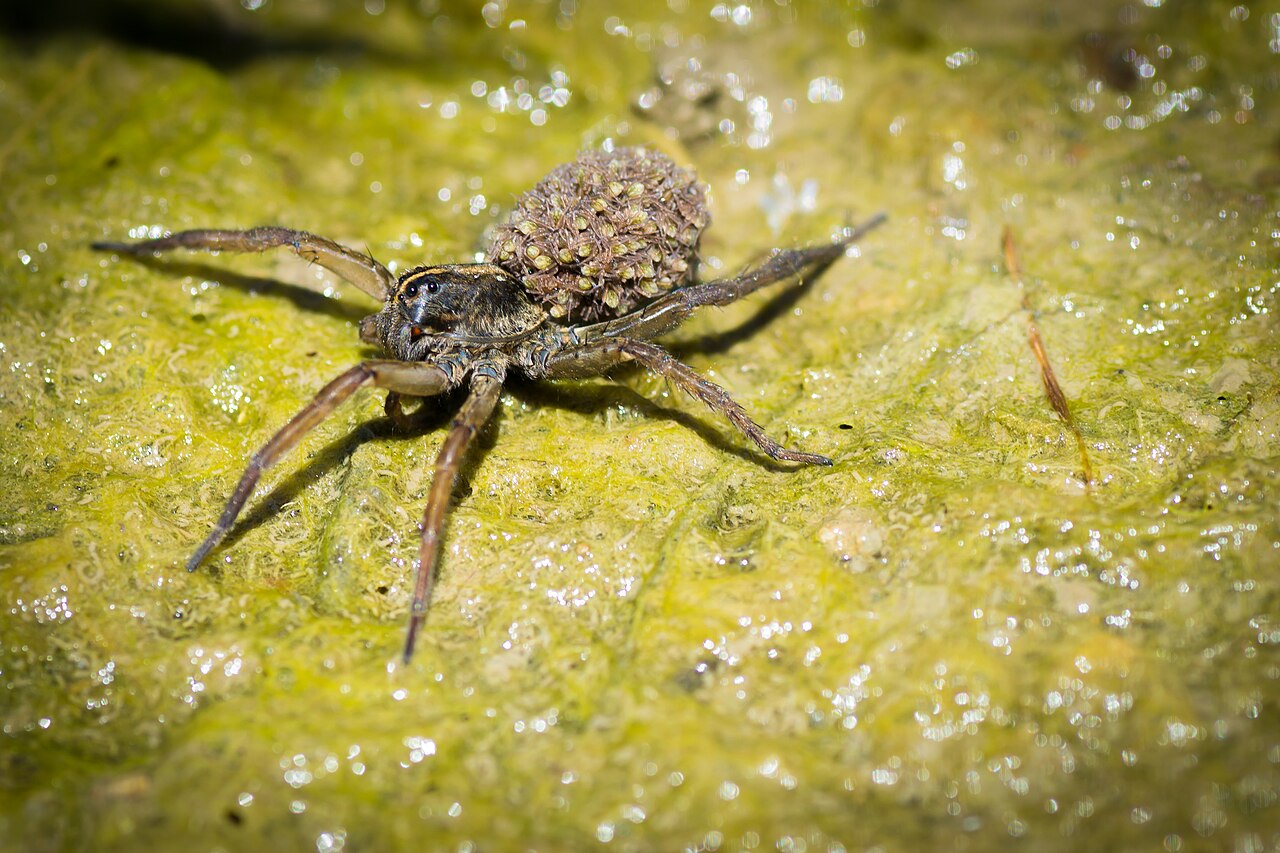
Baby wolf spiders are called spiderlings, and they ride on their mother’s back. The female carries her egg sac attached to her spinnerets, and when the young hatch they climb onto her abdomen and cling there in a dense layer for one to three weeks, sometimes several hundred at once, until they are ready to disperse.
That behavior is unique among North American spiders and it is the reason a wolf spider sometimes appears to be covered in a strange textured coat. This guide covers what spiderlings look like, the maternal care that sets the family apart, what they eat, whether they are dangerous, how to tell them from other small spiders, and what to do when you find a mother carrying young indoors.
| Quick Facts | Baby Wolf Spiders |
|---|---|
| Called | Spiderlings |
| Egg sac | Carried on the mother’s spinnerets |
| Brood size | Often 100 or more, some species several hundred |
| Time on mother’s back | 1 to 3 weeks |
| Web | None, they hunt by running down prey |
| Danger to people | None, venom is not medically significant |
What Is a Baby Wolf Spider?
Wolf spiders belong to the family Lycosidae, a large group of ground-hunting spiders found on every continent except Antarctica, with around 240 species in North America alone. They build no capture webs and instead chase prey down or ambush it, which is where the name comes from.
The young are called spiderlings, the standard term for any immature spider. They hatch fully formed as miniature versions of the adults rather than passing through a larval stage, and they grow by molting repeatedly, splitting the old exoskeleton and emerging slightly larger each time.
A newly emerged wolf spiderling is 0.04 to 0.08 in, pale grey or tan, and often nearly translucent at first, darkening within days. Adults range from 0.4 to over 1.4 in depending on species, so the size gap between spiderling and adult is considerable and reached over many molts. Our guide to the jumping spider covers a hunting spider that raises its young quite differently.
Riding on the Mother’s Back
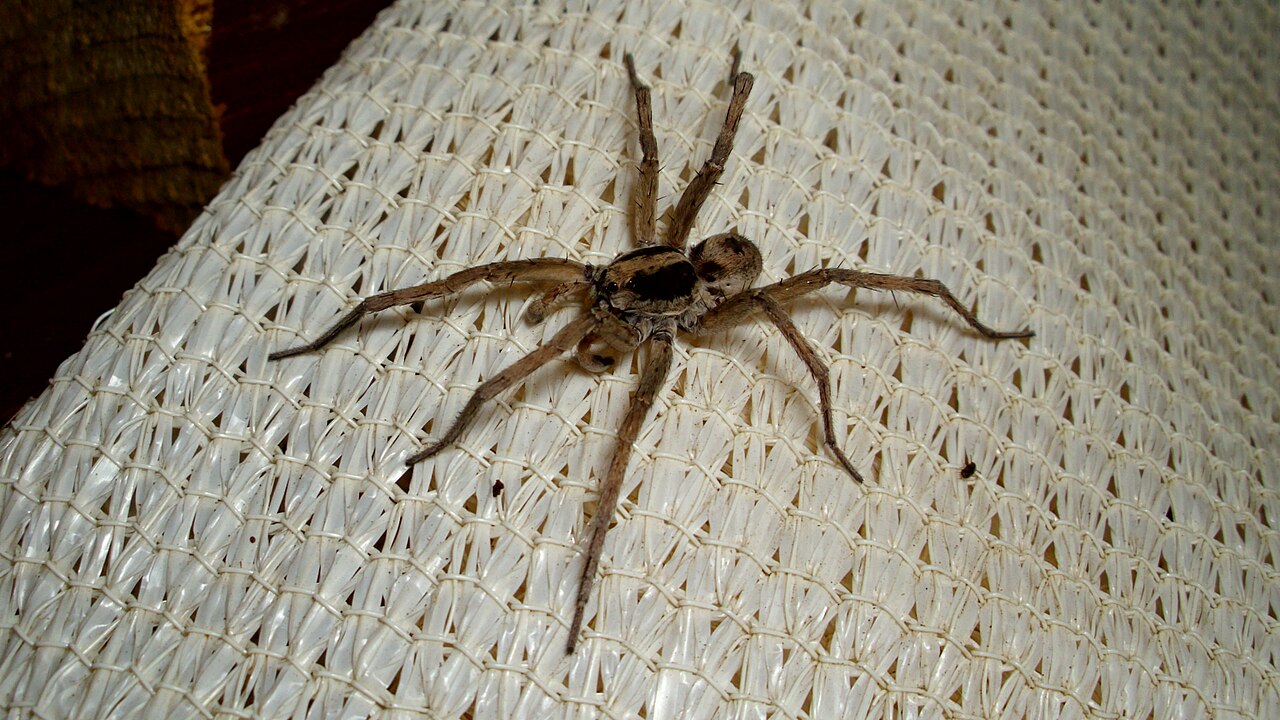
This is the defining behavior of the family and one of the most developed forms of maternal care in spiders. After mating, the female produces an egg sac of tough silk and attaches it directly to her spinnerets, then carries it everywhere, tilting her abdomen upward to keep it clear of the ground.
She keeps it for two to four weeks, adjusting its position to control temperature and sunning it deliberately. If the sac is detached she will search for it and attempt to reattach it, and females have been observed carrying substitute objects when their own sac is lost.
When the spiderlings are ready she helps them out by tearing the sac open, and they immediately climb onto her abdomen. They cling to specialized knobbed hairs on her back in a dense layer often several deep, and she carries them for one to three weeks while continuing to hunt. They do not feed during this period, living on remaining yolk reserves, and the arrangement is purely protective transport.
Dispersal: How Spiderlings Leave
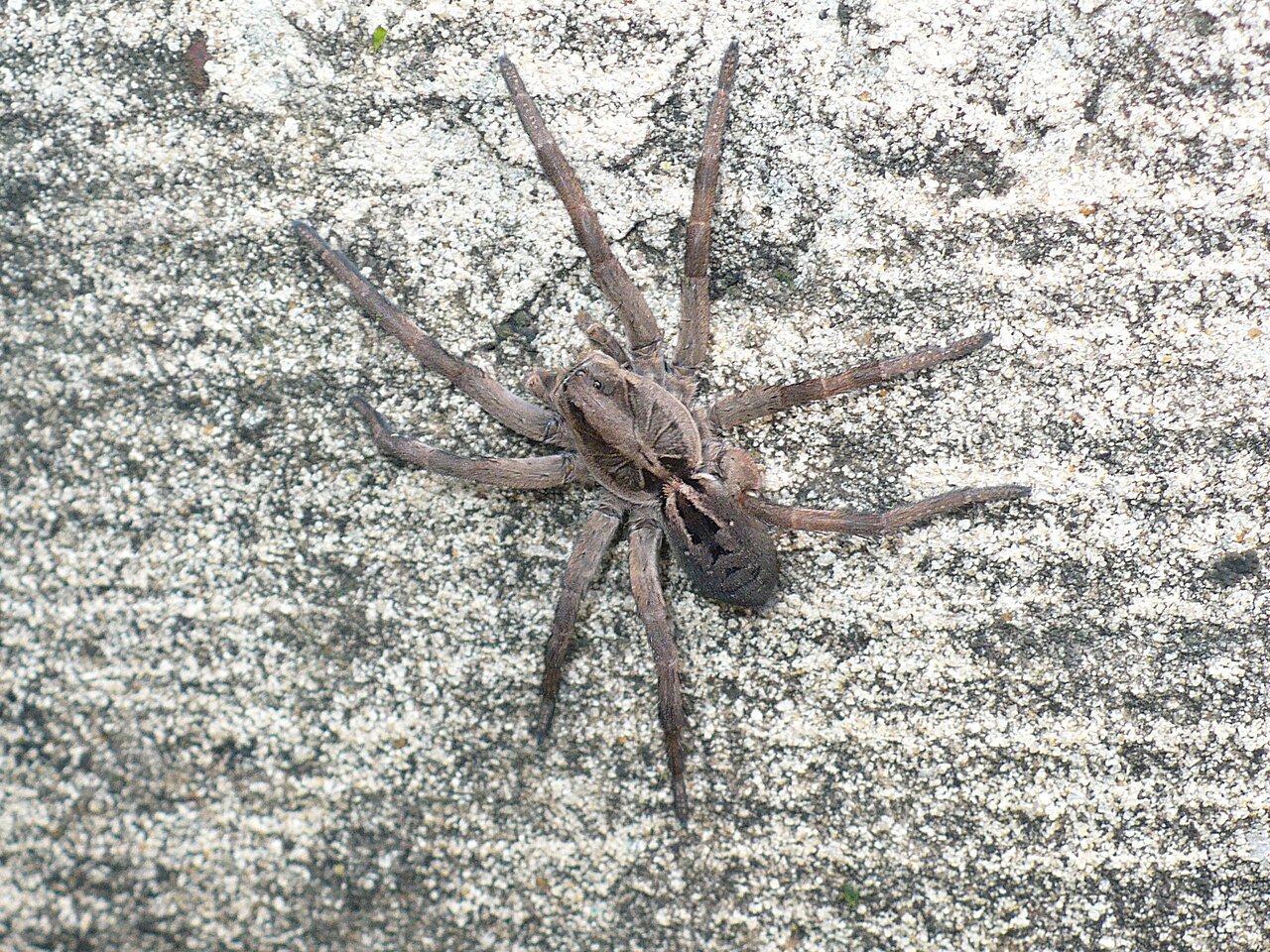
Dispersal happens gradually rather than all at once. Spiderlings begin dropping off over several days once they have molted for the first time, and each one immediately becomes an independent hunter with no further contact with the mother or with each other.
Some species balloon. A spiderling climbs to an elevated point, raises its abdomen, and releases silk threads that catch air currents until the drag lifts it off, carrying it anywhere from a few feet to many miles. Ballooning is how spiders colonize islands and new habitat, and it is the reason spiderlings can appear in places no adult could have walked to.
Mortality after dispersal is severe. The overwhelming majority of spiderlings are eaten by birds, other spiders, centipedes, beetles, and larger wolf spiders, which is exactly why a female produces hundreds. Of a brood of 200, only a small handful typically reach adulthood.
What Do Baby Wolf Spiders Eat?
Nothing at all while riding on their mother. They live on yolk reserves carried over from the egg, which is why the entire brood can travel together without the female needing to feed them or them attacking each other.
Once dispersed they hunt immediately, taking prey scaled to their size. Springtails, mites, fruit flies, aphids, tiny beetles, and other spiderlings make up the early diet, and prey size increases with each molt until adults are taking crickets, roaches, moths, and other spiders.
The hunting method is the same at every size. Wolf spiders do not build capture webs, relying instead on speed, excellent eyesight from their distinctive eye arrangement, and vibration sensing through leg hairs. They stalk or ambush and then run prey down, which is a completely different strategy from the web builders in our guide to the grass spider, and it means finding a small spider running across a floor rather than sitting in a web points toward this family.
Are Baby Wolf Spiders Dangerous?
No. Wolf spiders of any size have venom that is not medically significant to humans, and spiderlings are far too small to break skin even if they attempted to bite, which they do not.
Adult wolf spiders can bite defensively if pressed against skin or trapped in clothing, and the result is comparable to a bee sting without the stinger: brief sharp pain, local redness and swelling, and itching that resolves within a day or two. They are not aggressive and flee rather than confront.
The reputation comes from appearance and behavior rather than danger. Wolf spiders are large, hairy, fast, and often found indoors in autumn, and their eyes reflect light brightly in a torch beam, which unnerves people. None of that translates into risk, and the species most people worry about is covered in our guide comparing the brown recluse and house spider.
How Long They Live and How Fast They Grow
Growth runs through a fixed sequence of molts, and each one is a vulnerable moment. The spiderling anchors itself, splits the old exoskeleton along the sides of the cephalothorax, and works free, emerging soft and pale for several hours until the new cuticle hardens. A spiderling disturbed mid-molt frequently dies or emerges with deformed legs.
Most North American wolf spiders reach adulthood within a year, though larger species in cooler regions may take two. Females generally live longer than males, sometimes surviving several seasons, while males typically die within weeks of maturing and mating.
Overwintering happens at whatever stage the spider has reached when cold arrives. Juveniles shelter under bark, in leaf litter, and in burrows, remaining inactive until spring, which is why spring produces a sudden apparent increase in medium-sized wolf spiders. Extension entomology programs across the northern states field the same questions every April for this reason.
Telling Spiderlings From Other Small Spiders
The eye arrangement is the definitive feature at any size, though it needs a hand lens on a spiderling. Wolf spiders have eight eyes in three rows: four small ones along the bottom, two very large ones in the middle facing forward, and two more on top of the head. That pattern is unmistakable and shared by no other common family.
Behavior distinguishes them without magnification. Wolf spiderlings run fast across open ground and do not sit in webs, so a small spider hunting on a floor or wall is a plausible wolf spider while one hanging in a tangle is not.
Two look-alikes are worth knowing. Nursery web spiders, family Pisauridae, are closely related and similar in build, but the female carries her egg sac in her jaws rather than on her spinnerets and builds a silk tent for the emerging young instead of carrying them. Grass spiders are also fast ground-level hunters but build funnel webs and have prominent spinnerets projecting behind the abdomen.
Why You Find Them Indoors
Wolf spiders do not want to be inside. They are outdoor ground hunters that live in leaf litter, under logs and stones, in burrows, and among low vegetation, and indoor sightings are almost always accidental.
Autumn produces most of them. Falling temperatures push spiders to seek shelter, males wander widely searching for mates, and both routes lead through gaps around doors, foundation cracks, and utility penetrations. A large wolf spider crossing a living room floor in October is a lost animal rather than an inhabitant.
Finding a mother with spiderlings indoors is uncommon but happens, and the response matters. Trap her under a container, slide stiff card underneath, and carry the whole thing outside to a sheltered spot such as a woodpile or garden bed. Doing this outdoors rather than crushing or vacuuming keeps the brood together and prevents hundreds of spiderlings from dispersing through your house.
Keeping Wolf Spiders Out
Exclusion works better than any spray. Fit door sweeps, seal gaps around windows, foundation cracks, and pipe and cable entries, and repair damaged screens, since these are the routes that produce nearly all indoor sightings.
Reduce what attracts their prey. Wolf spiders follow insects, and outdoor lighting near doors draws moths and beetles that in turn draw spiders, so switching to warm amber bulbs or motion sensors reduces the whole chain. Clearing leaf litter, woodpiles, and dense ground cover from directly against the foundation removes the habitat they hunt in.
Pesticides are largely ineffective here and worth skipping. Wolf spiders walk on hairy legs that minimize contact with treated surfaces, they are transient rather than resident indoors, and broad-spectrum spraying kills the predatory insects and spiders that suppress genuine pests. A wolf spider in a garden is doing useful work on the insects covered in our guide to crickets versus grasshoppers, along with beetles and caterpillars, and our guide to what crickets eat covers one of its main prey items.
Related reading: Wolf Spider vs Brown Recluse.
Related reading: Baby Silverfish.
Frequently Asked Questions
What is a baby wolf spider called?
A spiderling. Wolf spiders hatch as fully formed miniature adults rather than passing through a larval stage, emerging at 0.04 to 0.08 in and growing through repeated molts until they reach adult size, which ranges from 0.4 to over 1.4 in depending on species.
Why do wolf spiders carry babies on their backs?
It is maternal care, unique among North American spiders. The female carries her egg sac attached to her spinnerets for two to four weeks, then tears it open and the spiderlings climb onto her abdomen, clinging to specialized knobbed hairs for one to three weeks while she continues to hunt.
How many babies does a wolf spider have?
Often 100 or more, and several hundred in some species. Mortality after dispersal is severe, with most spiderlings eaten by birds, other spiders, and insects, so only a handful from a large brood typically reach adulthood.
Do baby wolf spiders bite?
No. Spiderlings are far too small to break human skin and do not attempt to bite. Adult wolf spiders can bite defensively if pressed against skin, producing brief pain and local swelling comparable to a bee sting, but their venom is not medically significant.
What do baby wolf spiders eat?
Nothing while riding on their mother, since they live on remaining yolk reserves. After dispersing they hunt springtails, mites, fruit flies, aphids, tiny beetles, and other spiderlings, moving to larger prey with each molt. They never build capture webs.
I found a wolf spider covered in babies indoors, what do I do?
Trap her under a container, slide stiff card underneath, and carry the whole thing outside to a woodpile or garden bed. Do not crush or vacuum her, since that scatters a hundred or more spiderlings through the room.
How do I identify a wolf spider?
By the eye arrangement: eight eyes in three rows, with four small ones along the bottom, two very large forward-facing ones in the middle, and two on top. They also run fast across open ground rather than sitting in webs, and their eyes reflect light brightly in a torch beam.