Bat Poop vs Mouse Poop: The Crush Test and Location Clues
Bat poop vs mouse poop comes down primarily to texture and location once you know what to check: bat droppings, called guano, are dark and shiny when fresh but crumble easily into a somewhat shiny, glittery powder when crushed dry, due to the undigested insect exoskeleton fragments that make up the bulk of a bat’s diet, while mouse droppings remain firmer and more uniformly solid when crushed, lacking this distinctive sparkly, crumbly quality bat guano characteristically displays.
Beyond this crush test, location provides an equally important distinguishing clue, since bat guano concentrates specifically beneath roosting sites, typically in attics near roof peaks, in wall voids, or near entry points high on a structure, while mouse droppings appear more broadly scattered across accessible floor-level and cabinet areas throughout a structure rather than concentrated exclusively beneath elevated roosting locations. This guide covers the full identification comparison between these two commonly confused droppings, the health risks specific to each, and the different exclusion approaches bat versus mouse problems actually require.
| Feature | Bat Guano | Mouse Poop |
|---|---|---|
| Texture when crushed | Crumbles into shiny, glittery powder | Remains firmer, more solid |
| Contents | Insect exoskeleton fragments | Variable food fragments |
| Typical location | Concentrated beneath roost sites | Scattered across floor/cabinet areas |
| Shape | Elongated, slightly ridged | Rod-shaped, pointed ends |
| Key health risk | Histoplasmosis | Hantavirus, salmonella |
The Crush Test: The Fastest Identification Method
The single most reliable way to distinguish bat guano from mouse droppings is the crush test: bat guano, composed primarily of undigested insect exoskeleton fragments from a bat’s insectivorous diet, crumbles readily into a somewhat shiny, glittery powder when pressed apart with a gloved finger or stick, a distinctive sparkly quality that comes directly from those tiny reflective insect fragments embedded throughout the dropping.
Mouse droppings, by contrast, contain a more variable mix of whatever food sources the mouse has been consuming, typically breaking apart into a more uniform, less distinctly sparkly texture when crushed, without the same glittery insect-fragment quality bat guano characteristically displays, making this simple crush test genuinely one of the most reliable field identification methods available for distinguishing these two commonly confused droppings.
This crush test should always be performed with appropriate protective gloves given the health risks covered later in this guide, and ideally with the material at least somewhat dampened first to reduce any dust generation, but the basic textural difference, sparkly and crumbly versus more uniform and solid, remains genuinely useful for quick field identification even when only a small sample is available for examination. Many pest control professionals and wildlife rehabilitators rely on this same simple crush test as a first-line field diagnostic before committing to any more involved inspection or exclusion work, precisely because it requires no special equipment beyond basic protective gear and a small sample of the material in question.
Shape and Size Comparison
Bat guano typically appears as small, elongated pellets, generally similar in overall length to mouse droppings but often displaying subtle ridges or a slightly rougher surface texture reflecting the insect fragment content, compared to the smoother, more uniformly rod-shaped profile of mouse droppings with their characteristic points at both ends.
Size overlap between bat guano and mouse droppings can occur, since both typically fall within a broadly similar small size range, making the crush test and location clues covered throughout this guide considerably more reliable than size alone for confident identification, particularly since bat species vary somewhat in typical guano size just as different rodent species produce droppings of varying dimensions.
Color also offers limited distinguishing value on its own, since both bat guano and mouse droppings typically appear dark brown to black when fresh, though bat guano often shows more visible fragment texture even without crushing, appearing slightly rougher or more textured on close visual inspection compared to the smoother surface mouse droppings typically display before any crush test is actually performed.
Location: The Second Key Distinguishing Clue
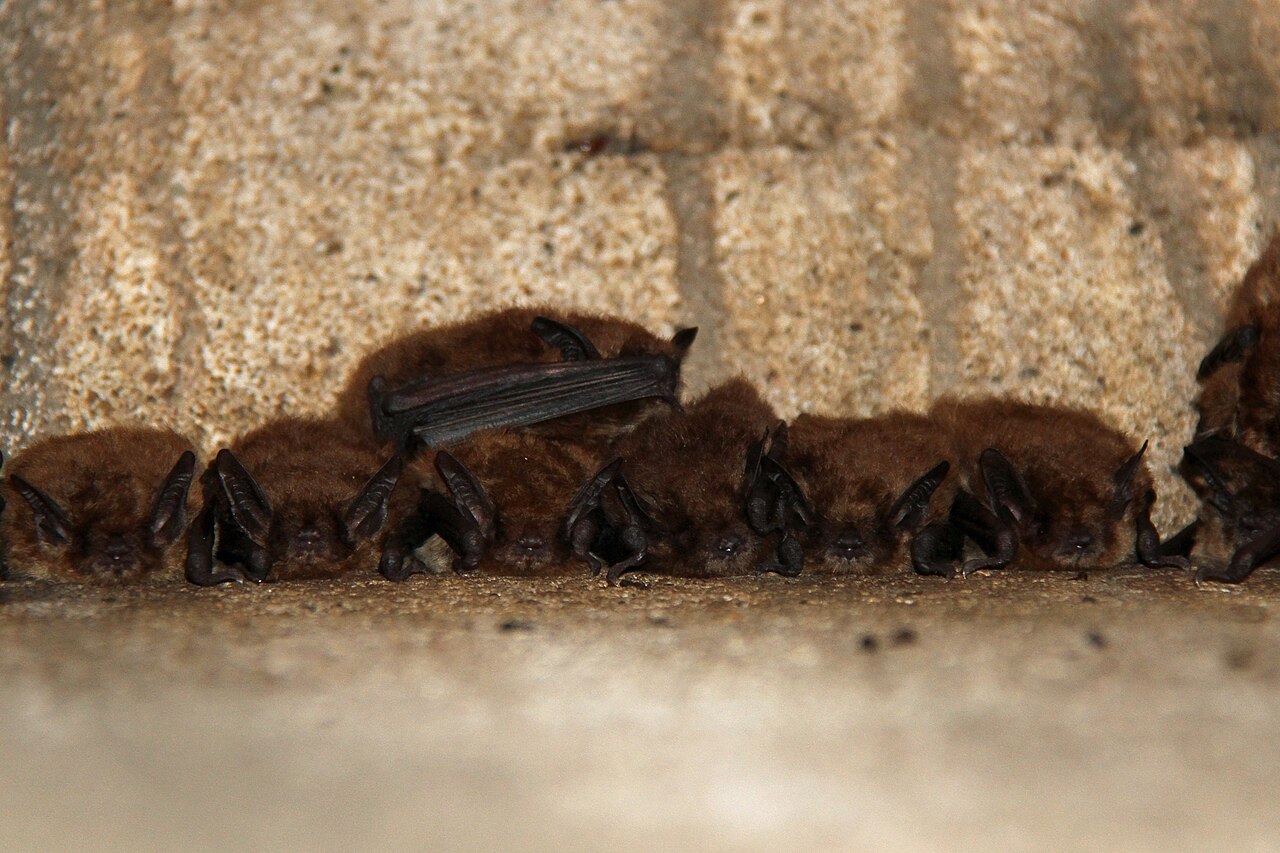
Bat guano accumulates in a genuinely distinctive pattern directly beneath active roosting sites, since bats return to consistent roosting spots and deposit droppings there repeatedly over time, meaning finding a concentrated pile of guano specifically beneath a roof peak, in an attic corner, or below a wall crevice entry point strongly suggests an active bat roost located directly above that accumulation point.
Mouse droppings, by contrast, typically appear more broadly scattered across accessible floor-level areas, inside cabinets and drawers, and along baseboards throughout a structure, reflecting mice’s tendency to forage and travel more widely rather than concentrating waste beneath any single fixed elevated roosting location the way bats characteristically do.
This location difference itself often provides the fastest practical identification clue even before examining individual dropping characteristics closely, since finding droppings concentrated in a pile specifically beneath an elevated point, roof peak, rafter, or wall crevice, points strongly toward bats, while more broadly distributed droppings across floor and cabinet areas point more toward mice, a pattern covered in additional mouse-specific detail in our mouse poop guide.
Health Risks: Histoplasmosis vs Hantavirus
Bat guano carries a genuinely significant and specific health risk through histoplasmosis, a fungal respiratory infection caused by a fungus that can grow in accumulated bat guano, particularly in warm, humid conditions typical of enclosed attic spaces, with spores becoming airborne and inhaled when guano is disturbed, a risk the CDC (cdc.gov) specifically addresses within guidance on safely handling bat guano accumulations.
Mouse droppings carry a different primary health concern profile, most notably hantavirus risk associated particularly with certain wild mouse species in specific regions, along with salmonella exposure risk, meaning both dropping types warrant genuine caution during cleanup, though the specific pathogens involved, histoplasmosis fungal spores for bats versus viral and bacterial risks for mice, differ meaningfully enough to matter for understanding exactly what protective measures are most relevant to each situation.
Given these differing but both genuinely serious health considerations, cleanup protocol for either dropping type should avoid dry sweeping or vacuuming that could aerosolize contaminated particles, instead using appropriate personal protective equipment and, for bat guano specifically in larger accumulations, potentially professional remediation services given the particular respiratory risks histoplasmosis specifically presents in more substantial accumulated guano deposits.
Safe Cleanup Considerations for Each
Small amounts of bat guano can sometimes be managed with appropriate precautions, including wetting the material thoroughly before removal to minimize spore dispersal, wearing an appropriate respirator rated for fine particulates rather than just a basic dust mask, and ensuring adequate ventilation throughout the cleanup process, though larger accumulations, particularly in enclosed attic spaces with limited ventilation, often warrant professional remediation services specifically experienced with histoplasmosis-related cleanup protocols.
Mouse dropping cleanup, while still requiring genuine care, generally follows a somewhat more straightforward wet-cleanup protocol using disinfectant solution and disposable gloves, without quite the same specialized respiratory protection concerns that larger bat guano accumulations specifically present given the particular fungal spore risk involved.
Regardless of which specific dropping type is being addressed, the core safety principle remains consistent: avoid dry disturbance methods that could aerosolize contaminated particles, use appropriate protective equipment throughout, and recognize when a particular accumulation’s size or location genuinely exceeds what a homeowner should reasonably attempt without professional assistance, particularly relevant for substantial bat guano deposits in enclosed roosting spaces.
Placing This Comparison Among Other Droppings Guides
This bat-versus-mouse comparison sits alongside several related droppings identification challenges covered elsewhere, including our rat poop guide and the direct rat poop vs mouse poop comparison, each applying the same fundamental approach of checking size, shape, texture, and typical location that resolves the bat-versus-mouse question covered throughout this guide.
For readers dealing with a broader range of potential attic or structural pest concerns beyond just bats and mice specifically, our squirrel poop vs rat poop guide covers another commonly confused comparison relevant to similar structural spaces, building a genuinely transferable identification skill set applicable across the range of common household and attic-dwelling wildlife species homeowners most frequently encounter.
Approaching any unfamiliar dropping with this same systematic checklist, crush texture, size and shape, and location pattern together, generally resolves the vast majority of identification questions confidently, whether the specific comparison at hand involves bats, mice, rats, or squirrels, making this comparative approach considerably more broadly useful than memorizing any single species’ characteristics in isolation.
Different Exclusion Approaches Required
Addressing an active bat roost requires considerably different exclusion timing and methods than addressing a mouse problem, since bats are protected under various state and federal regulations in many jurisdictions, and exclusion must typically wait until outside the maternity season when flightless pups would otherwise be trapped inside, covered in complete detail regarding proper timing in our baby bat guide, using specific one-way exclusion devices designed for bat-specific entry points.
Mouse exclusion instead focuses on sealing considerably smaller gaps, since mice can squeeze through openings as small as a quarter inch, combined with appropriately sized trapping methods, an approach that differs meaningfully from the bat-specific timing restrictions and specialized one-way door devices bat exclusion specifically requires given both the animal’s protected status in many areas and its considerably different entry-gap size requirements.
Given these genuinely different legal and practical exclusion requirements, correctly identifying which specific animal is actually present through the guano-versus-dropping identification covered throughout this guide matters considerably beyond simple curiosity, directly informing which specific, appropriately legal and effective control approach a given situation actually requires rather than risking either an ineffective approach or, in the case of bats specifically, a potentially illegal exclusion attempt during a protected maternity period.
Frequently Asked Questions
How can I tell bat guano from mouse droppings?
Crush a sample with a gloved finger: bat guano crumbles into a shiny, glittery powder from insect fragments, while mouse droppings remain firmer and more uniform. Location also helps, since guano concentrates beneath roost sites while mouse droppings scatter more broadly.
Is bat guano more dangerous than mouse droppings?
They carry different specific risks; bat guano can harbor histoplasmosis fungal spores, particularly in larger accumulations, while mouse droppings carry hantavirus and salmonella risk, both warranting genuine caution during cleanup.
Where do I typically find bat guano in a house?
Concentrated directly beneath active roosting sites, typically in attics near roof peaks, in wall voids, or below entry points high on a structure, rather than scattered across floor-level areas the way mouse droppings typically appear.
Can I clean up bat guano myself?
Small amounts can sometimes be managed with proper precautions including wetting the material first and wearing a fine-particulate respirator, but larger accumulations, especially in enclosed attic spaces, often warrant professional remediation given histoplasmosis risk.
Why does bat guano look shiny or sparkly when crushed?
This comes from undigested insect exoskeleton fragments in the bat’s diet, giving crushed guano a distinctive glittery texture that mouse droppings, containing a more variable mix of food sources, do not typically display.
Do bats and mice require the same exclusion approach?
No, bat exclusion requires specific timing outside maternity season and specialized one-way door devices, often with legal protections in place, while mouse exclusion focuses on sealing smaller gaps and appropriately sized trapping.
What is histoplasmosis?
A fungal respiratory infection that can develop from inhaling spores present in accumulated bat guano, particularly in warm, humid enclosed spaces, representing a genuine health risk specifically associated with larger bat guano deposits.