Cedar Waxwing: Identification and Behavior Guide
How to identify a cedar waxwing by its sleek crest and red wingtips, and why flocks sometimes get visibly drunk on fermented berries.
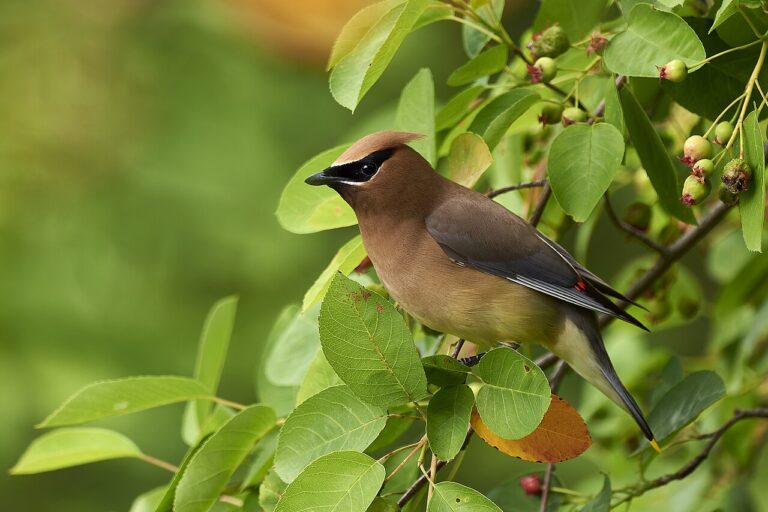
How to identify a cedar waxwing by its sleek crest and red wingtips, and why flocks sometimes get visibly drunk on fermented berries.
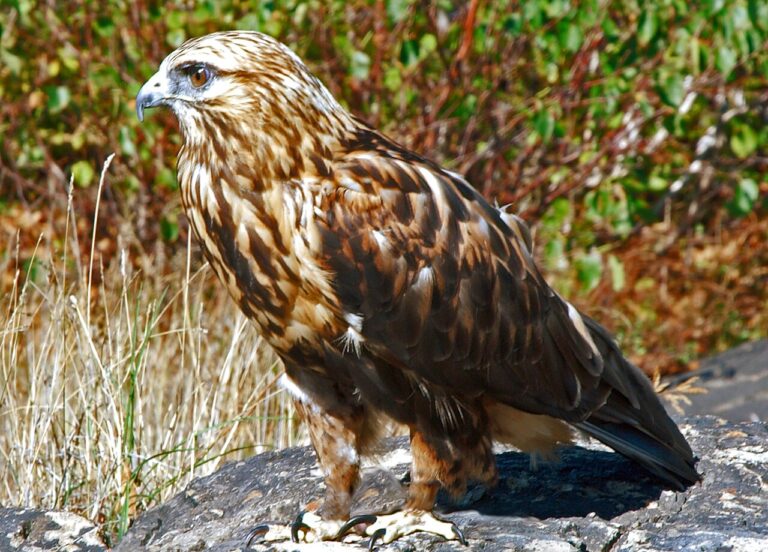
The Rough-Legged Hawk breeds on the Arctic tundra and visits the Lower 48 only in winter, recognized by its feathered legs and habit of hovering in place while hunting.
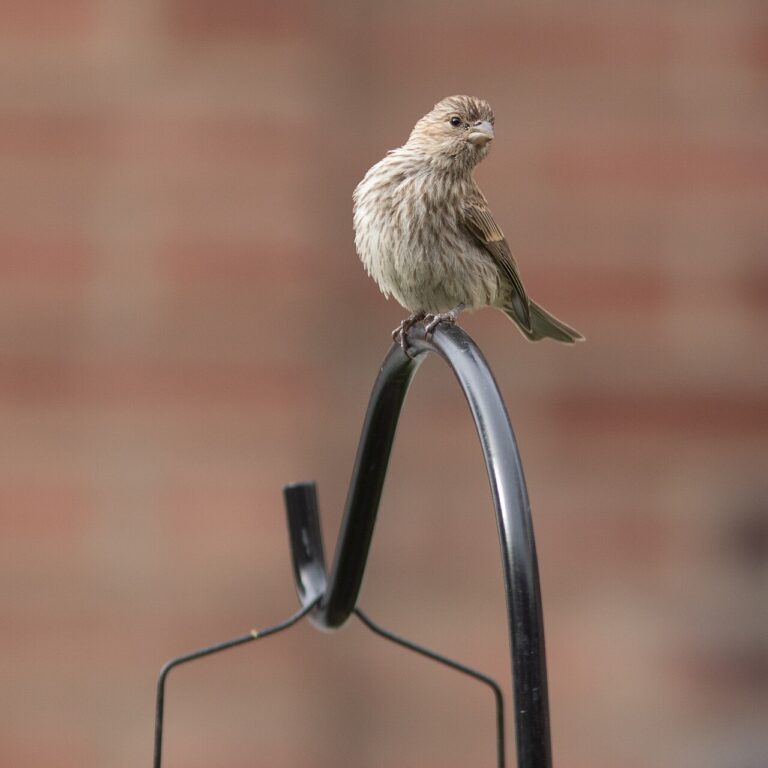
Why bird poop landing on you is considered good luck in many cultures, and what’s actually going on biologically when it happens.
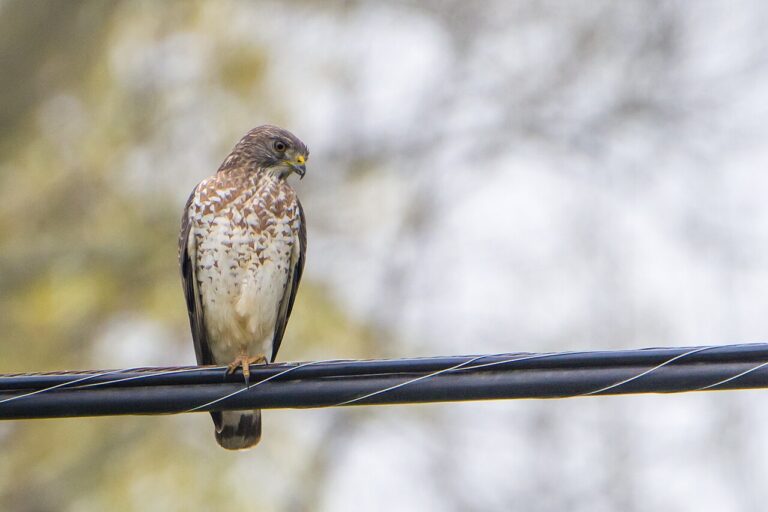
The Broad-Winged Hawk is a small forest buteo famous for migrating in massive, swirling flocks called kettles that can number in the thousands.
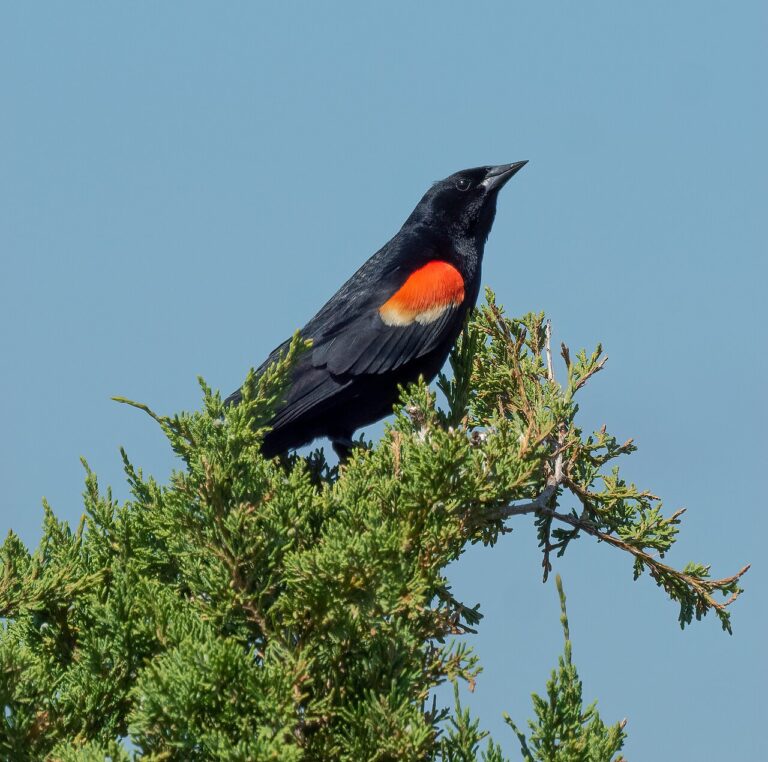
How to identify male and female red-winged blackbirds, which look almost nothing alike, and why males are so aggressive near their nests.
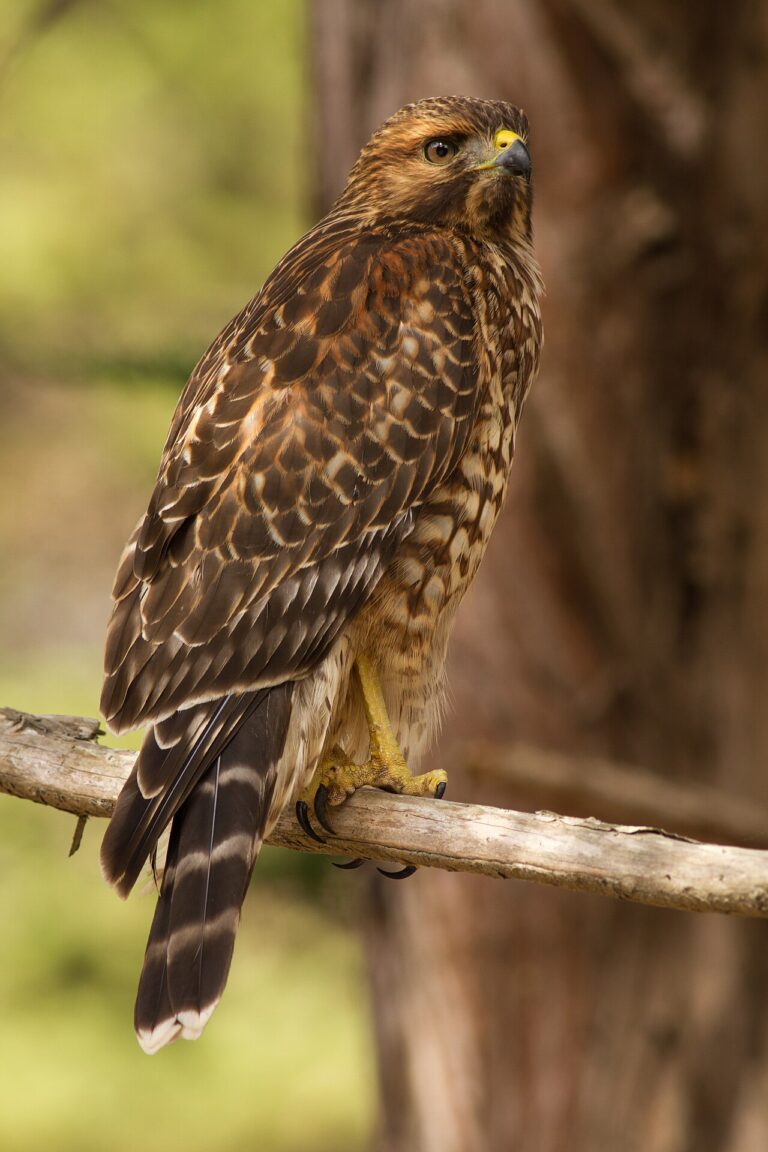
The Red-Shouldered Hawk is a vocal, forest-loving buteo known for its reddish shoulders, translucent wingtip patches, and its habit of calling loudly year round.
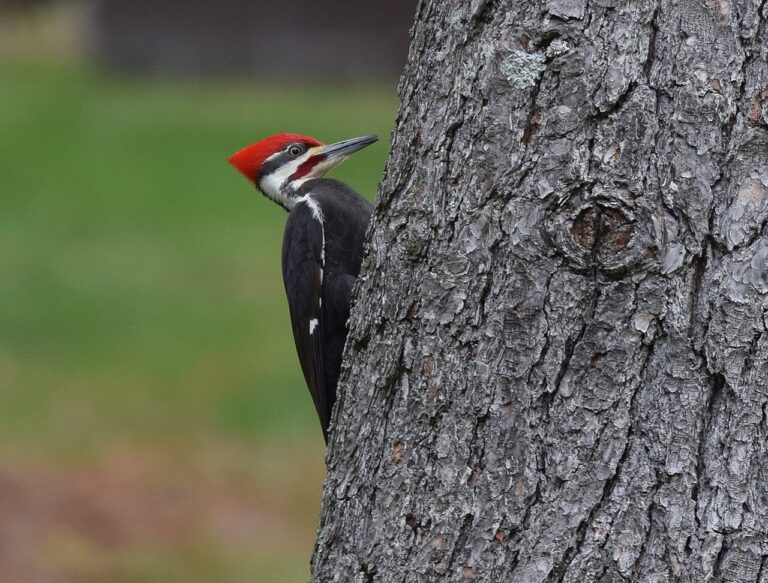
How to identify a pileated woodpecker by size, its flaming red crest, and its loud jungle-like call, plus what its rectangular excavation holes mean.
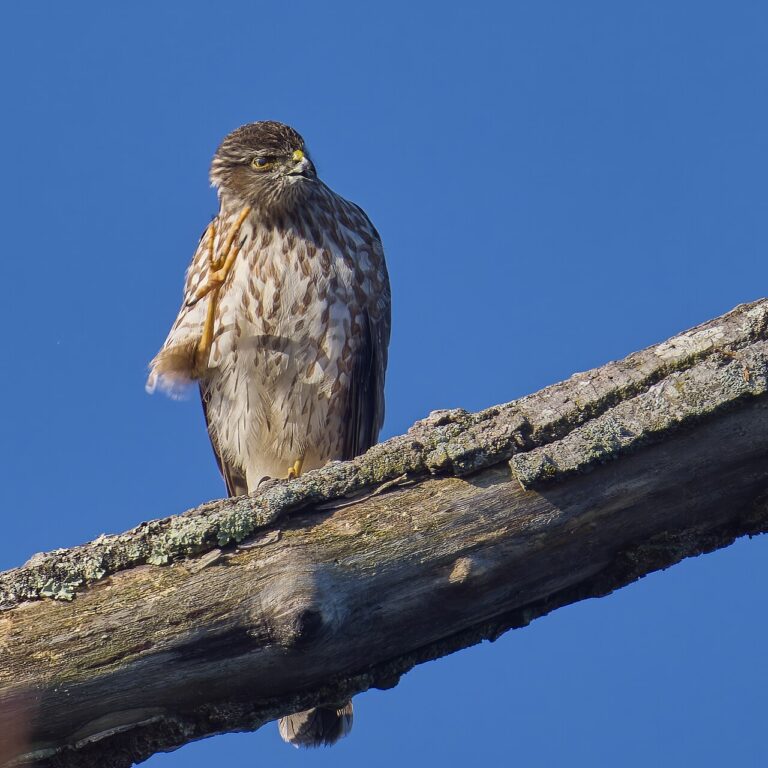
North America’s smallest accipiter, the Sharp-Shinned Hawk is a lightning-fast songbird hunter easily confused with its larger relative, the Cooper’s Hawk.
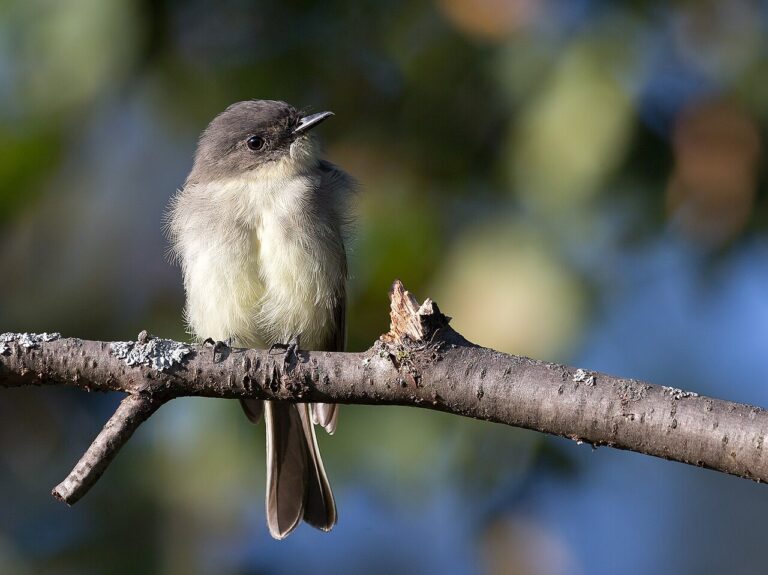
How to identify an Eastern phoebe by its tail-wagging habit and raspy call, plus its nesting behavior on porches and under bridges.
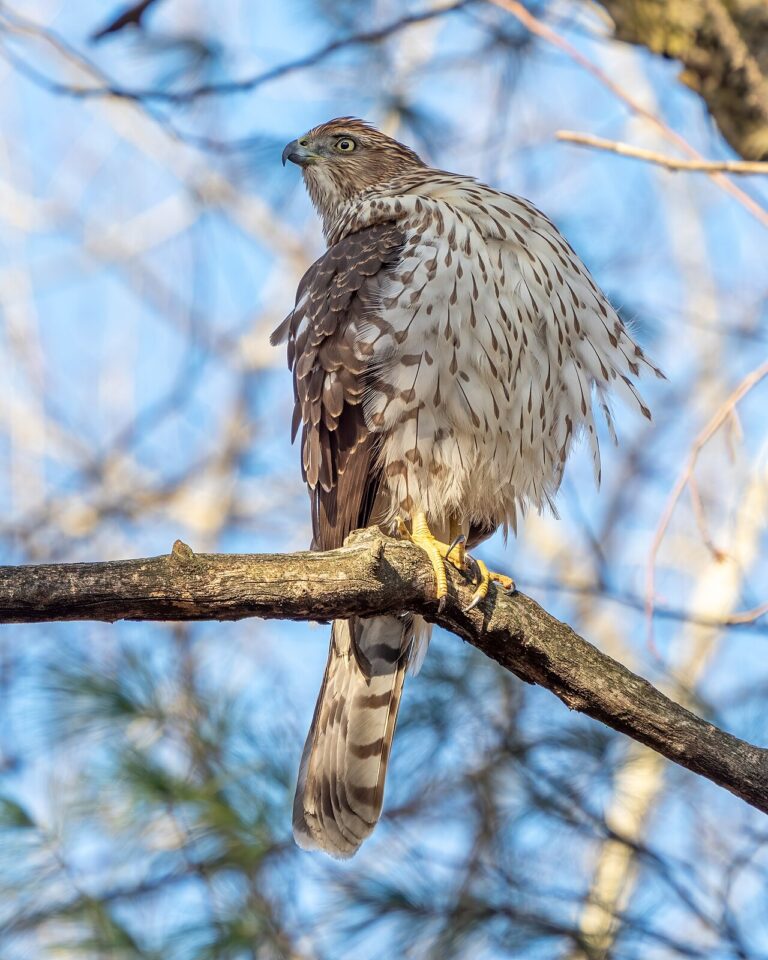
The Cooper’s Hawk is a fast, agile bird-hunter that has adapted to suburban feeders as readily as forest edges, and is easily confused with the smaller Sharp-Shinned Hawk.