Baby Snapping Turtle: Size, Diet, Care, and What to Do
Baby snapping turtles hatch at about an inch long and head straight for water. Here is how to identify one, what it eats, and what to do if you find one.
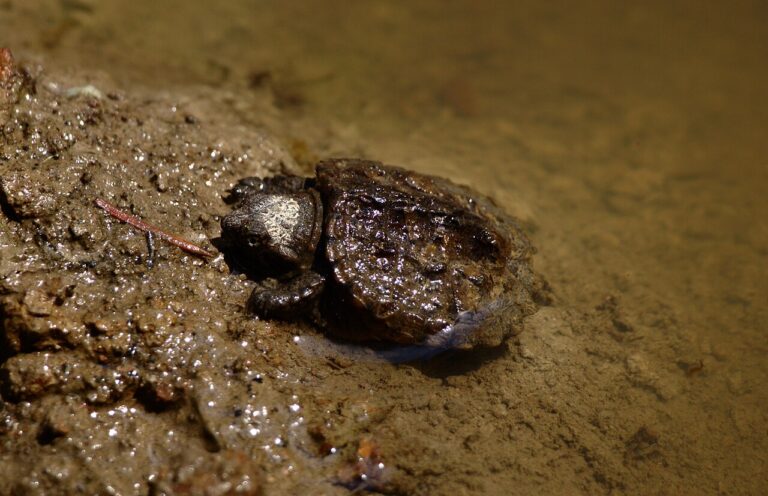
Baby snapping turtles hatch at about an inch long and head straight for water. Here is how to identify one, what it eats, and what to do if you find one.
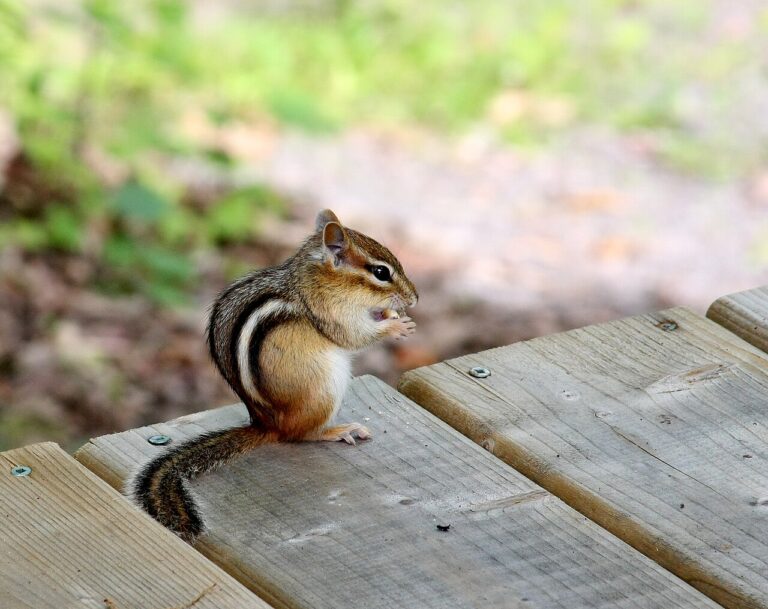
Chipmunk droppings are small dark pellets you rarely see, because chipmunks use burrow latrines. Here is how to identify them and what they mean.
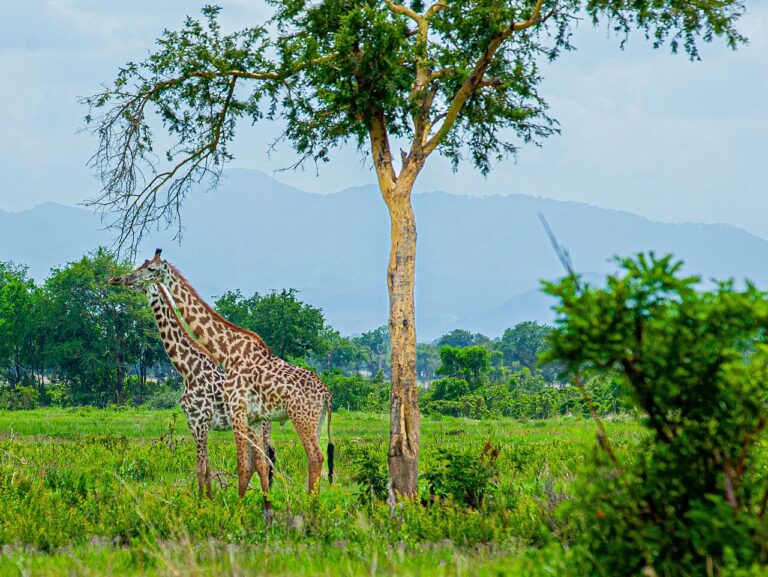
Giraffes eat about 75 pounds of leaves a day, mostly acacia. Here is how they handle thorns, why they chew bones, and what zoo giraffes are fed.
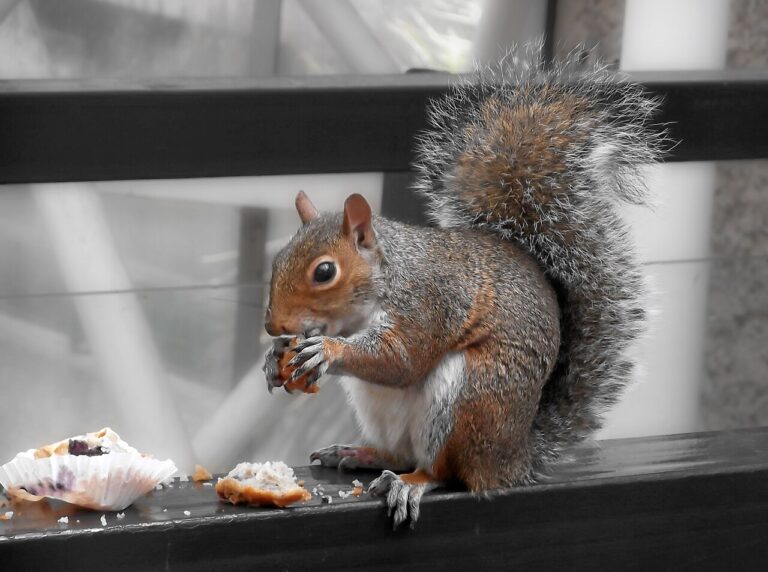
Squirrel droppings are rounded pellets about 0.375 inches long. Here is how to tell them from rat, mouse and chipmunk droppings, and how to clean them up.
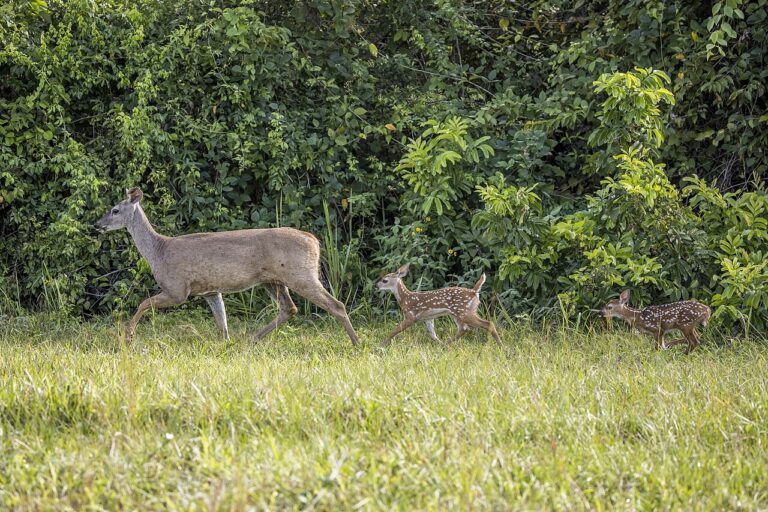
Deer droppings are dark oval pellets that clump in summer. Here is how to identify them, tell them from rabbit poop, and judge how fresh they are.
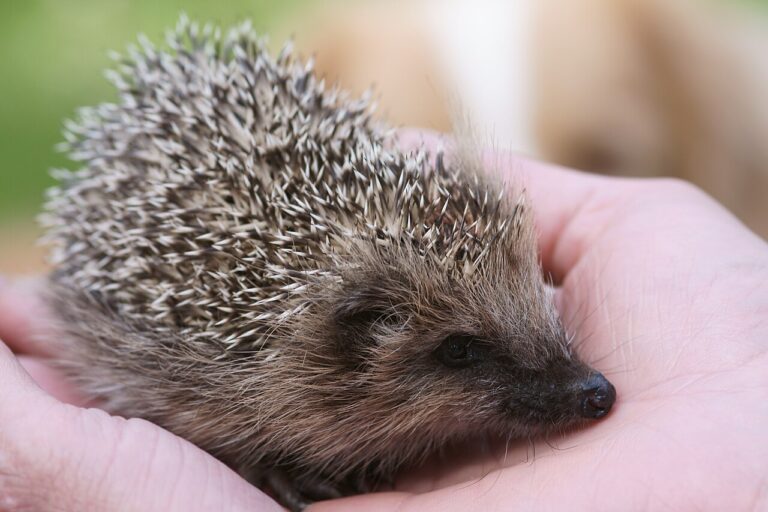
A baby hedgehog is called a hoglet. Here is how they develop, what they eat, why there are none in the wild in North America, and how care works.
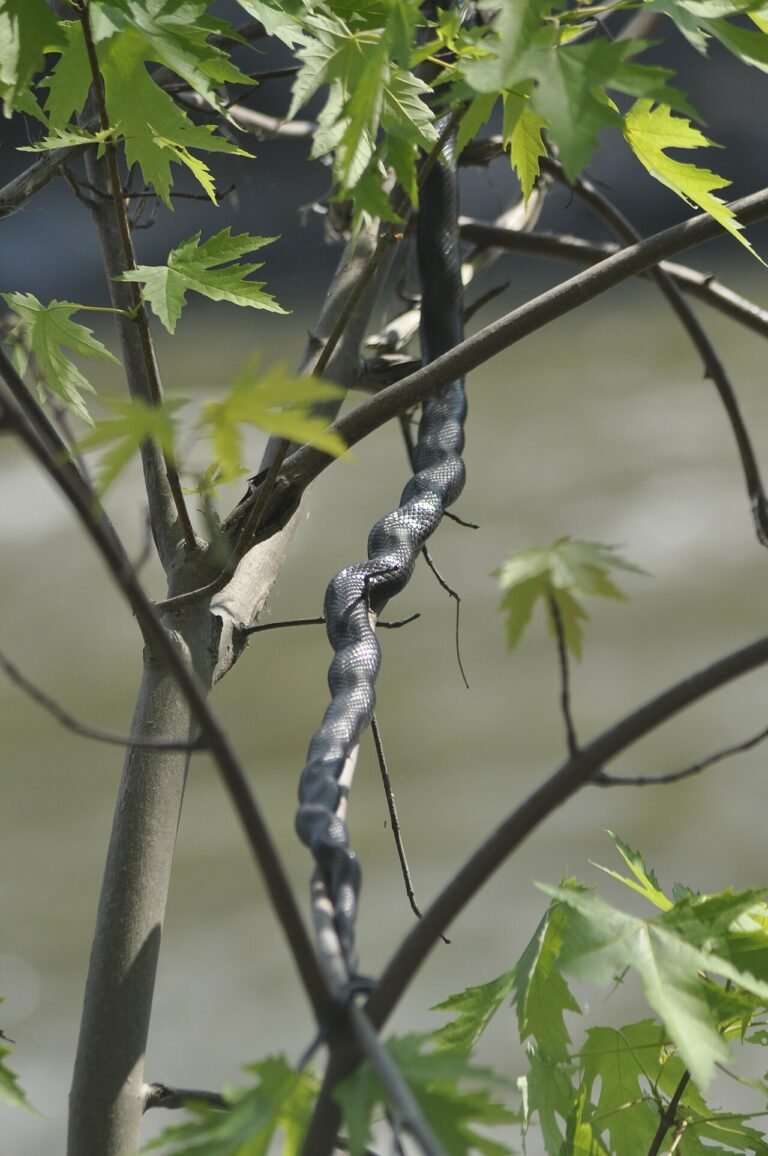
The Texas rat snake is a large non-venomous constrictor often mistaken for a copperhead. Here is how to identify it, plus size, diet and coop control.
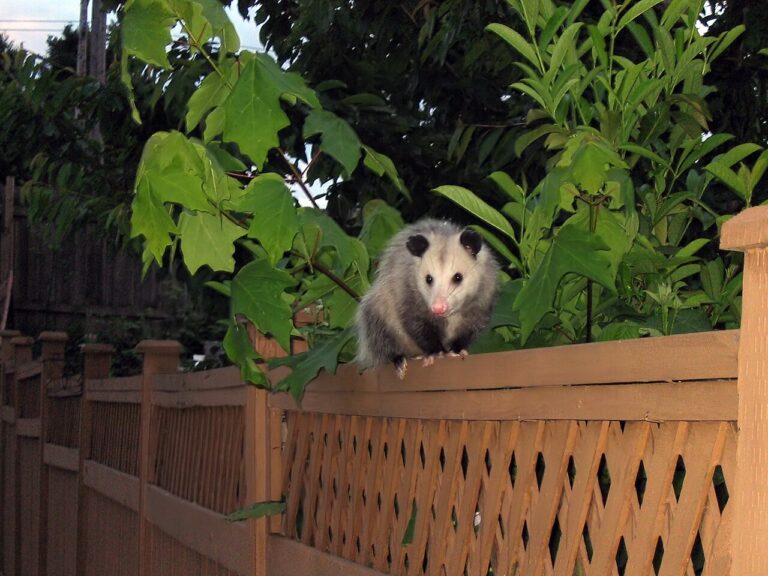
Possums eat insects, carrion, fruit, rodents and almost anything else. Here is the full diet, what changes in winter, and what baby possums eat.
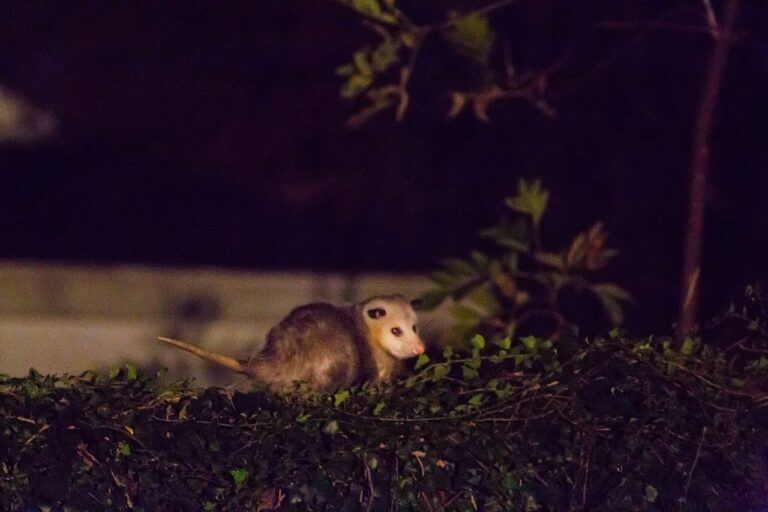
Possums are far less dangerous than they look. Here is the truth about rabies, bites, disease, and the real risks to dogs, cats, horses, and chickens.
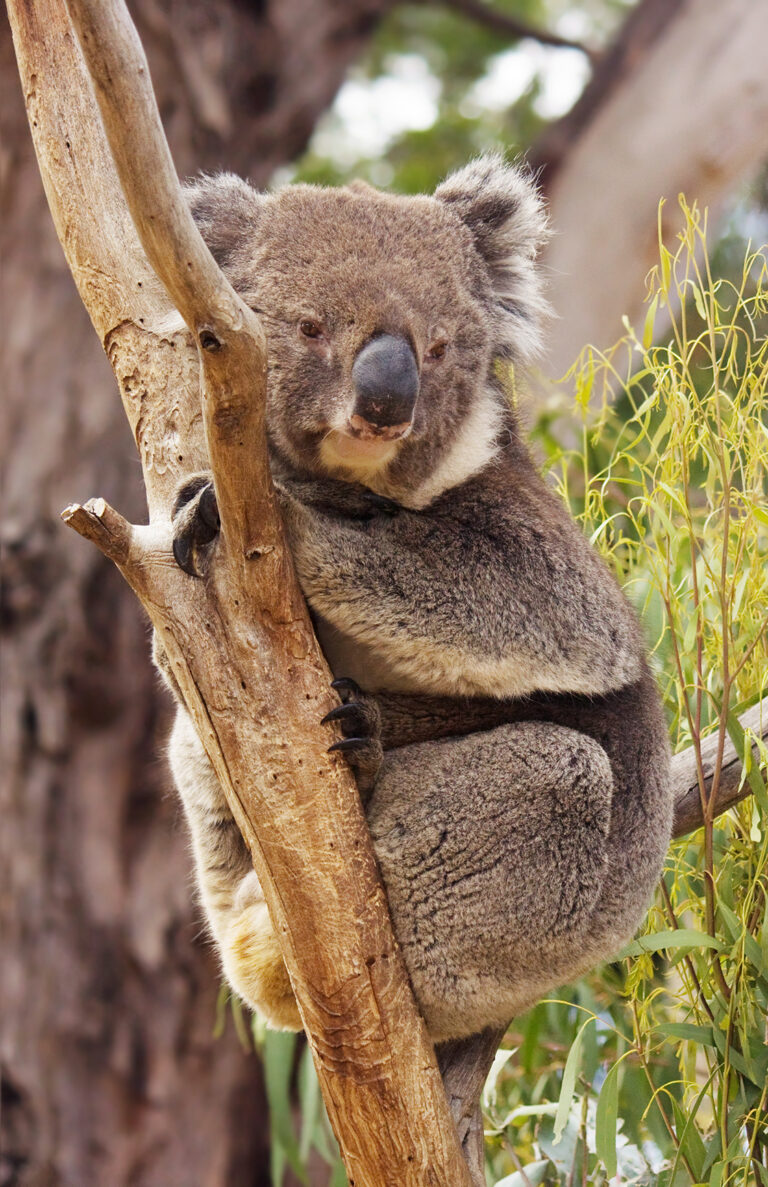
Koalas eat almost nothing but eucalyptus leaves. Here is how that narrow diet works, from toxin filtering livers to what joeys eat before they graduate to leaves.