Baby Beaver
Baby beavers, called kits, are born furred and able to swim within hours. Here’s how they grow, what they eat, and why they stay with family for two years.
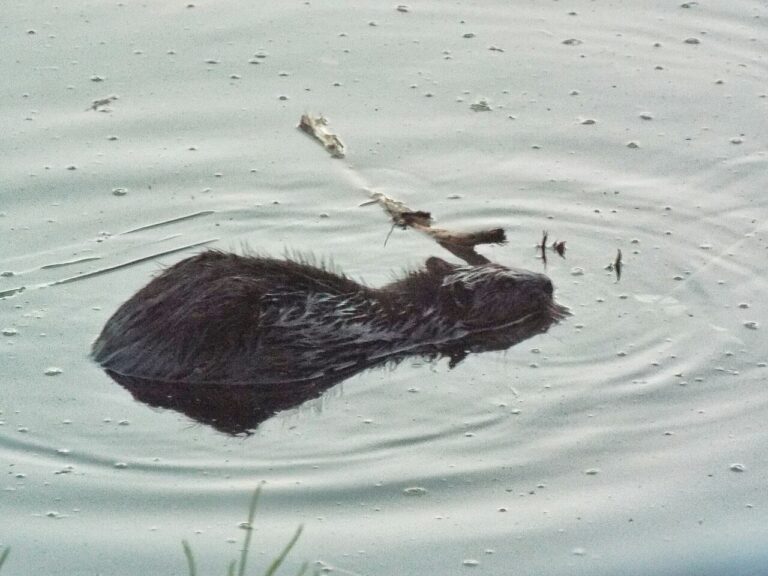
Baby beavers, called kits, are born furred and able to swim within hours. Here’s how they grow, what they eat, and why they stay with family for two years.
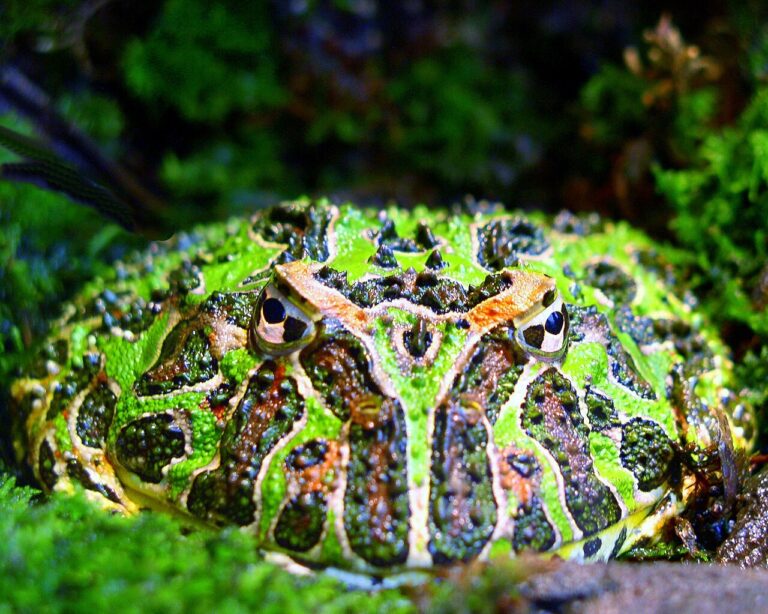
Pacman frogs are stocky ambush predators famous for their enormous mouth and firm bite. Here’s how to identify, feed, and house one properly.

Foxes are cat-sized and solitary; coyotes are dog-sized and social. Here’s how to reliably tell them apart by size, tracks, sound, and behavior.
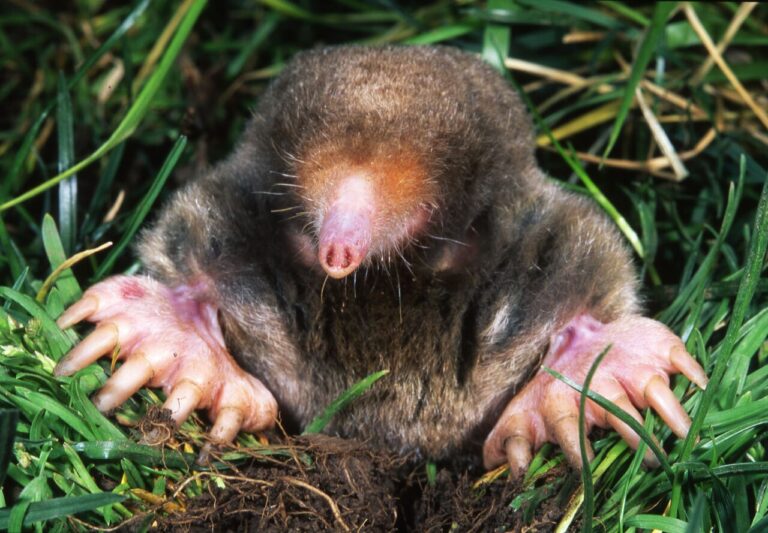
Baby moles, called pups, are born hairless and blind but grow fast, leaving the nest by five to six weeks. Here’s how they develop and what they really eat.
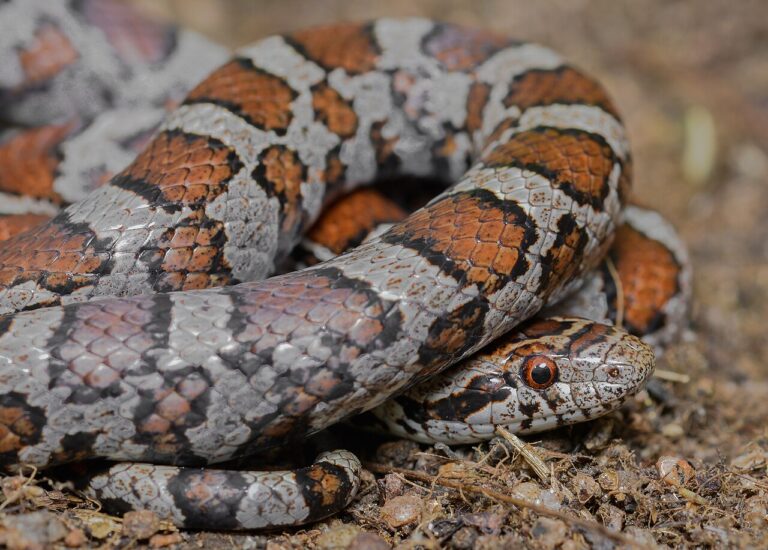
Milk snakes are harmless, non-venomous constrictors whose bold banding mimics venomous coral snakes. Here is how to identify them and what they actually eat.

Dolphins eat mostly fish, squid, and crustaceans, using echolocation and clever group hunting tricks like bait balls and mud-ring feeding to catch their food.
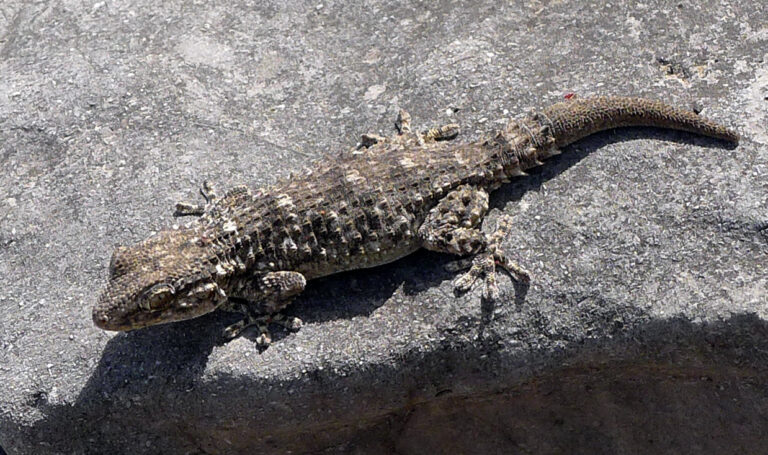
Mediterranean house geckos are small, harmless nocturnal lizards common on walls near porch lights across the southern US. Here is how to identify and understand them.
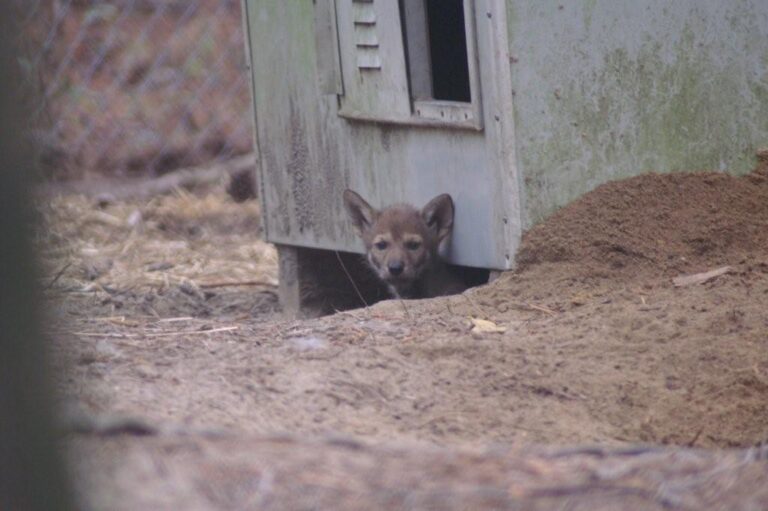
A baby wolf is called a pup, born blind and helpless at about a pound. Here is how wolf pups grow, what they eat, and how the whole pack helps raise them.

Baby deer, called fawns, are born spotted and nearly scentless for a reason. Here is why they’re left alone, what to do if you find one, and how fast they grow.
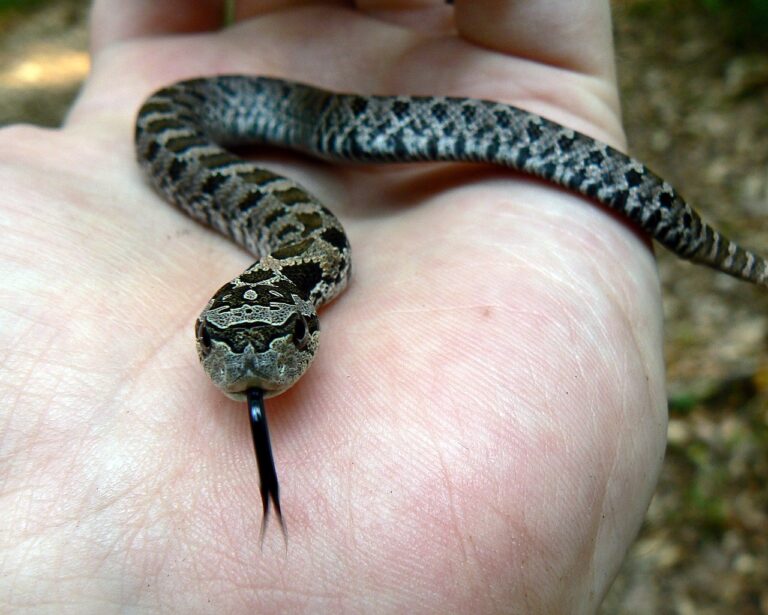
Hognose snakes are small, harmless North American snakes famous for playing dead and mimicking cobras. Here is how to identify them, what they eat, and whether they make good pets.