Burrowing Owl: Identification, Facts, and Habits
The Burrowing Owl is a small, long-legged owl that lives underground in burrows and hunts by day. Here is how to identify it, its unusual habits, and why it needs our help.
In-depth profiles of North American birds. Each guide covers identification, range, diet, nesting behavior, and practical tips for attracting the species to your yard.
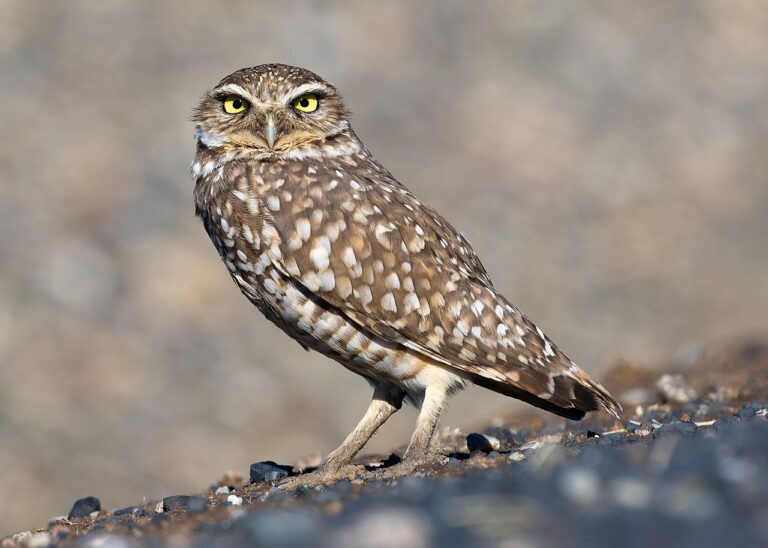
The Burrowing Owl is a small, long-legged owl that lives underground in burrows and hunts by day. Here is how to identify it, its unusual habits, and why it needs our help.
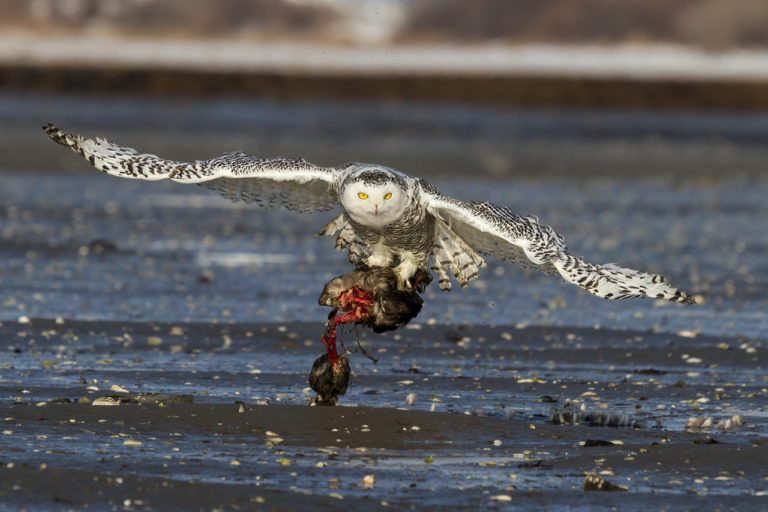
The Snowy Owl is a large white Arctic owl that sometimes wanders far south in winter. Here is how to identify it, what it eats, why it is active by day, and its conservation status.
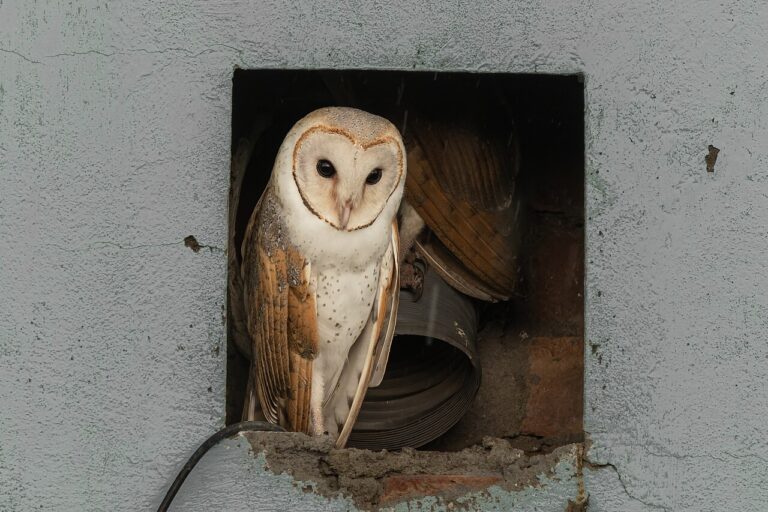
The Barn Owl is a pale, heart-faced owl and the world’s best rodent hunter, famous for its eerie screech instead of a hoot. Here is how to identify it, what it eats, and how to help it.
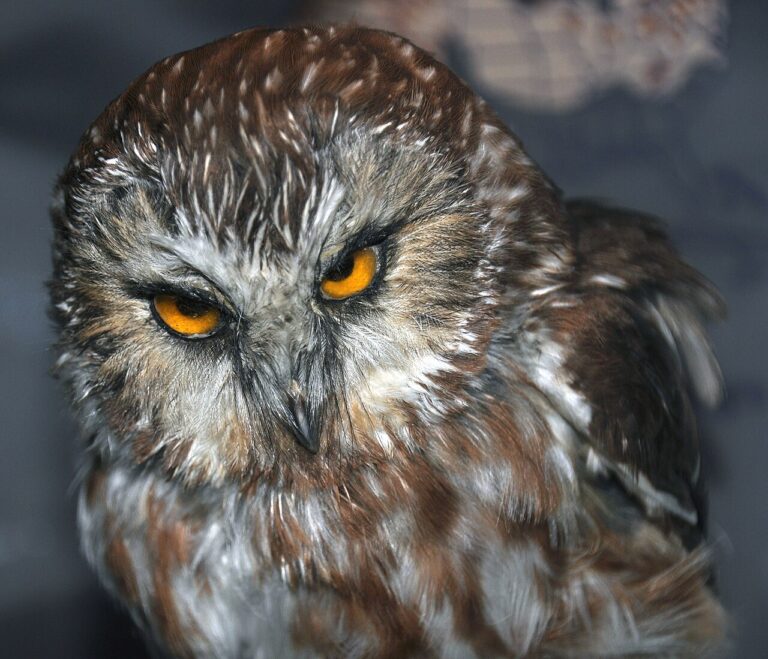
The Northern Saw-whet Owl is one of North America’s smallest and cutest owls, named for its tooting call. Here is how to identify it, its migration, and why it is so hard to find.
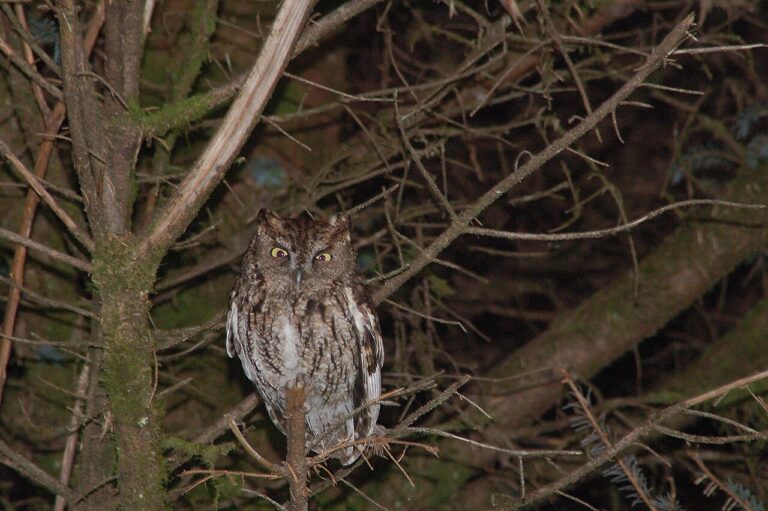
The Western Screech-Owl is a small, gray, ear-tufted owl of western North America known for its bouncing-ball call. Here is how to identify it and tell it from the Eastern Screech-Owl.
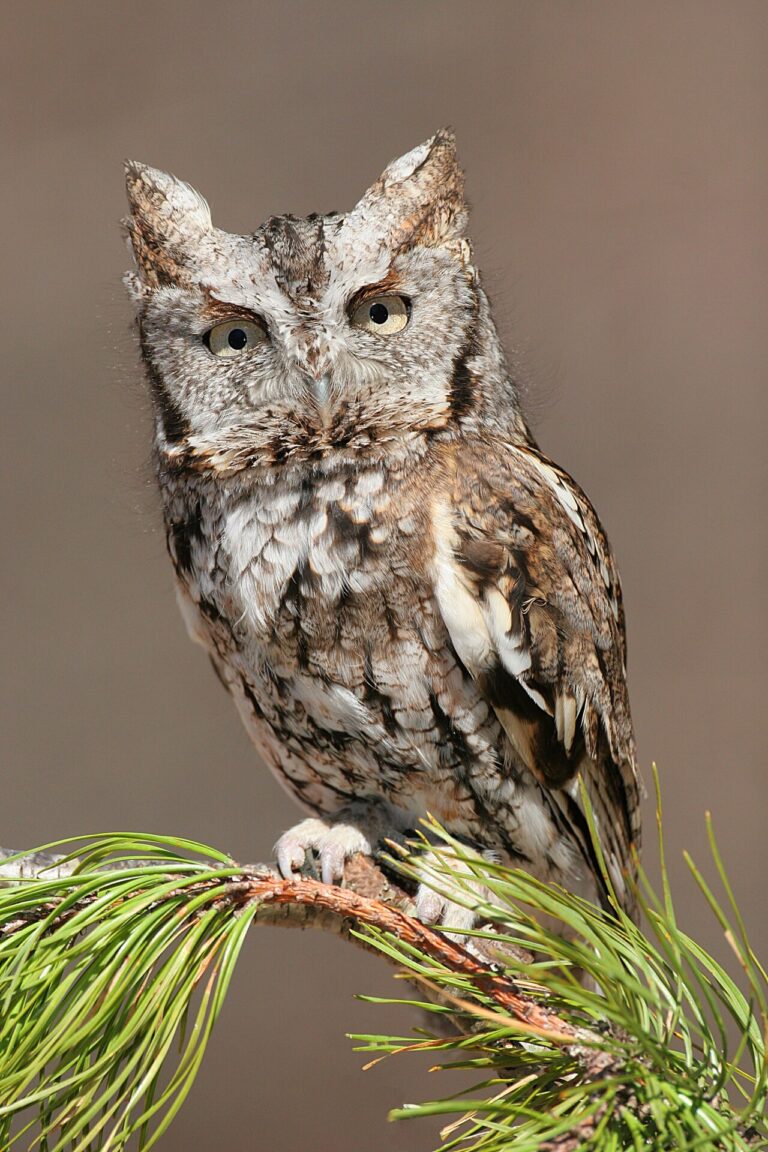
The Eastern Screech-Owl is a small, camouflaged owl of eastern woods and suburbs that comes in red and gray forms. Here is how to identify it, its trilling call, and how to attract one.
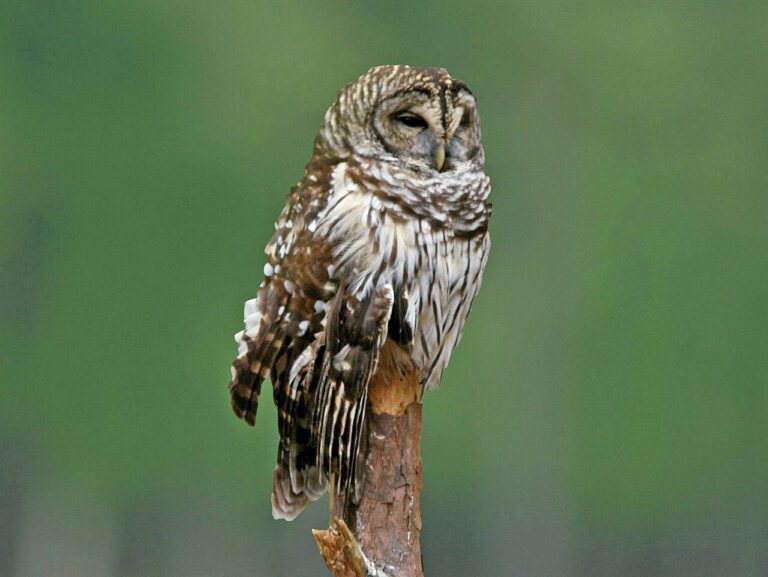
The Barred Owl is a large, dark-eyed owl of eastern forests famous for its ‘Who cooks for you?’ call. Here is how to identify it, what it eats, and its controversial spread west.
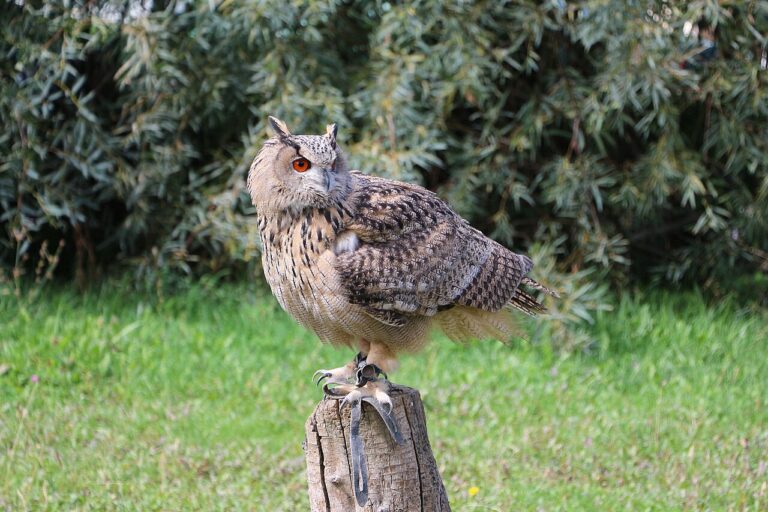
The Great Horned Owl is North America’s most powerful and widespread owl, known for its ear tufts, deep hoots, and fierce hunting. Here is how to identify it, what it eats, and how it lives.
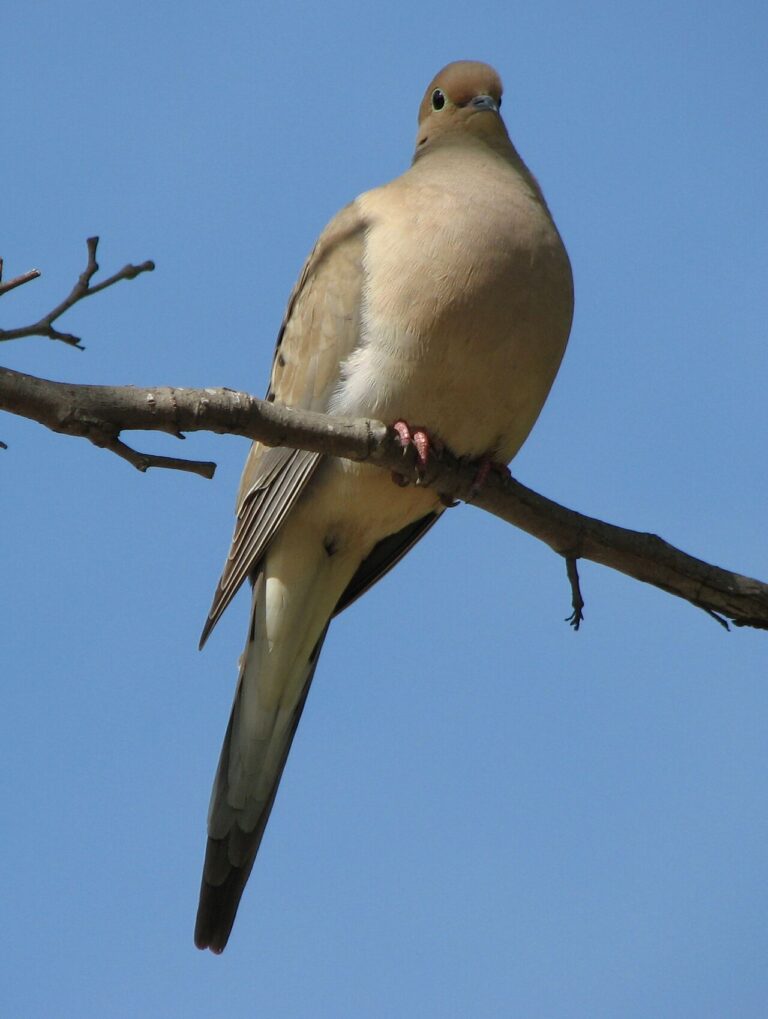
Dreaming of birds usually points to freedom, aspiration, and change. Here is how to interpret birds in dreams by species and scenario, from flying flocks to caged or injured birds.
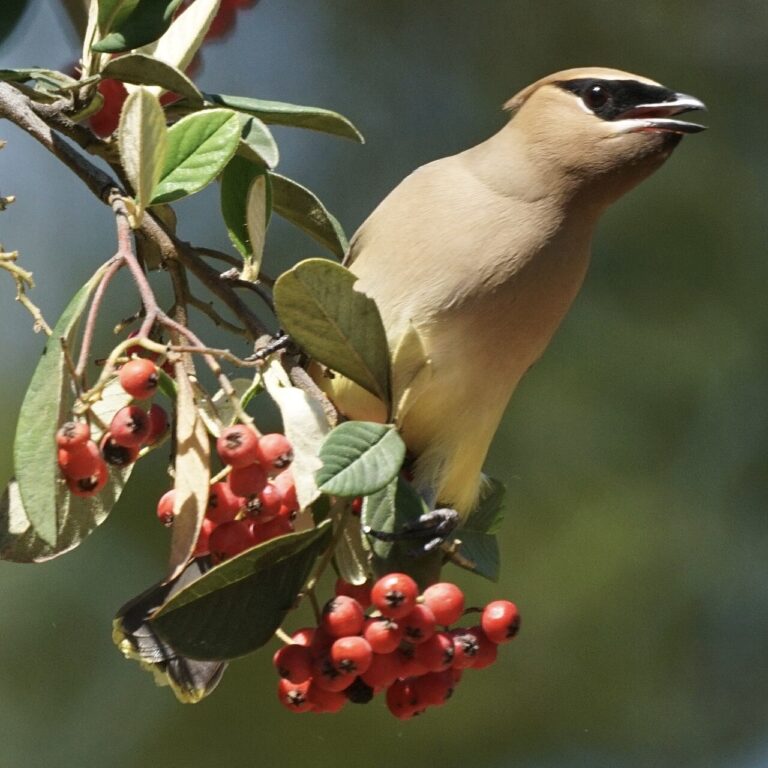
Birds fly in a V to save energy and stay in contact. Here is the aerodynamics behind the V, which birds use it, and why they take turns in front.