Eastern Phoebe: Identification, Nesting, and Behavior Guide
How to identify an Eastern phoebe by its tail-wagging habit and raspy call, plus its nesting behavior on porches and under bridges.
In-depth profiles of North American birds. Each guide covers identification, range, diet, nesting behavior, and practical tips for attracting the species to your yard.
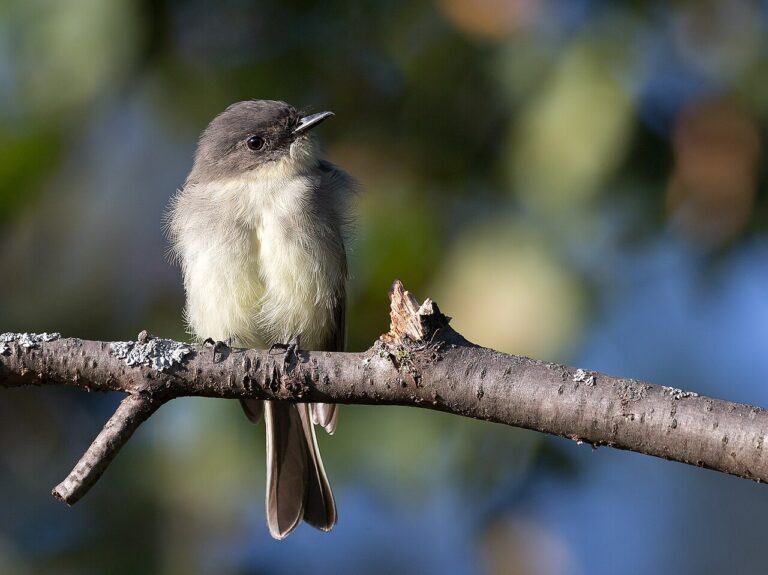
How to identify an Eastern phoebe by its tail-wagging habit and raspy call, plus its nesting behavior on porches and under bridges.
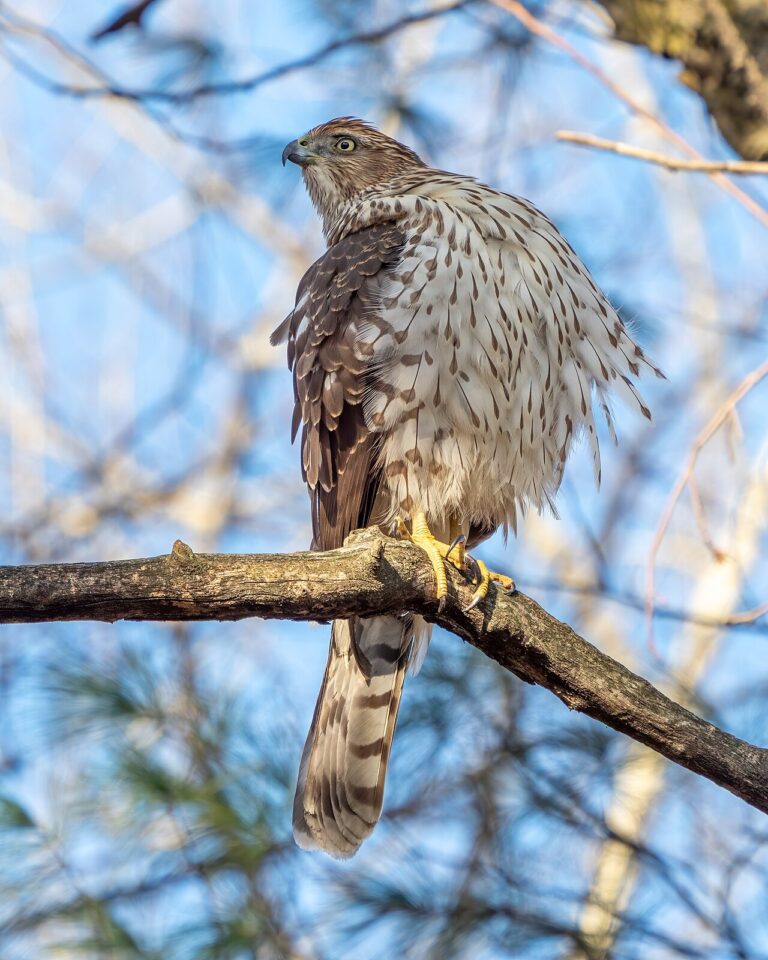
The Cooper’s Hawk is a fast, agile bird-hunter that has adapted to suburban feeders as readily as forest edges, and is easily confused with the smaller Sharp-Shinned Hawk.
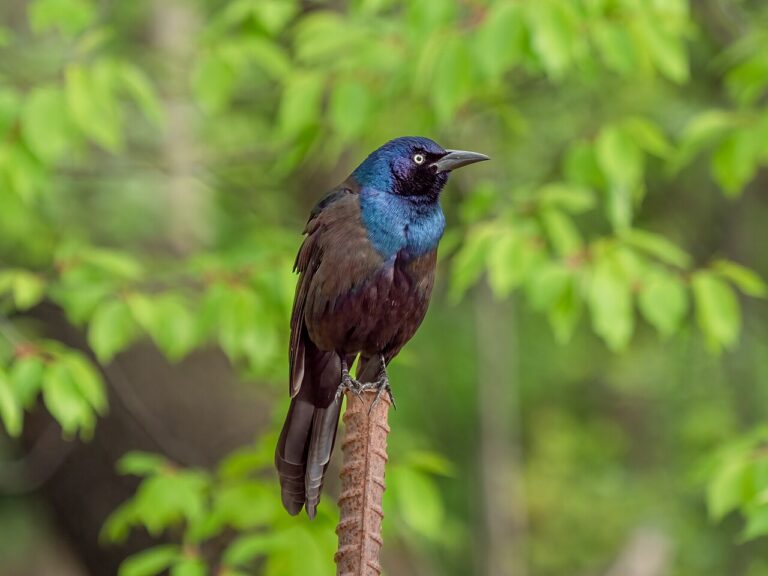
How to identify a common grackle, tell males from females, and understand why these iridescent blackbirds gather in such large flocks.
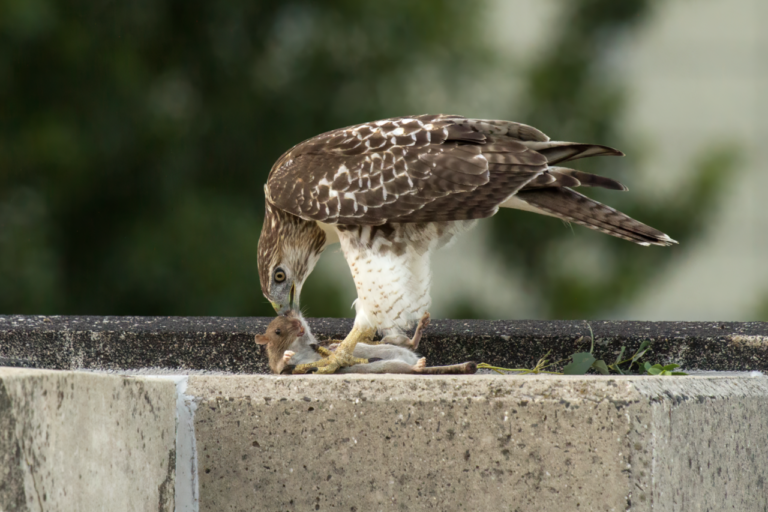
The Red-Tailed Hawk is the most common and widespread hawk in North America, instantly recognizable by its brick-red tail and piercing scream.
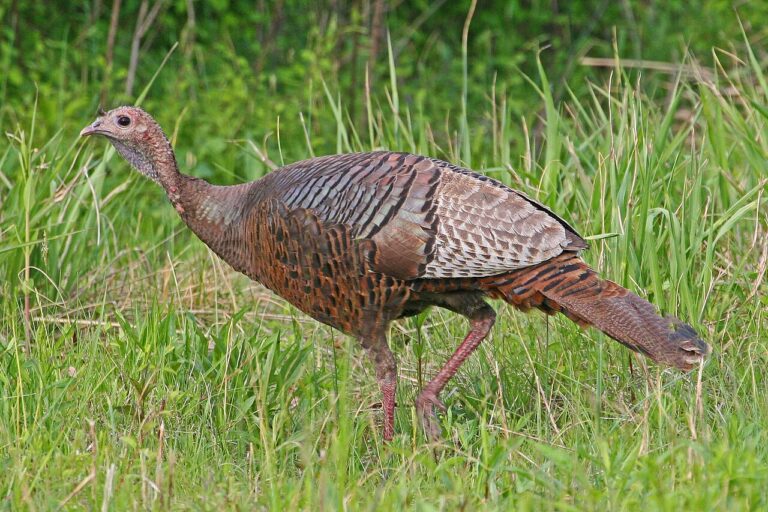
How to identify a wild turkey, tell males from females, and understand the behavior of North America’s largest game bird.
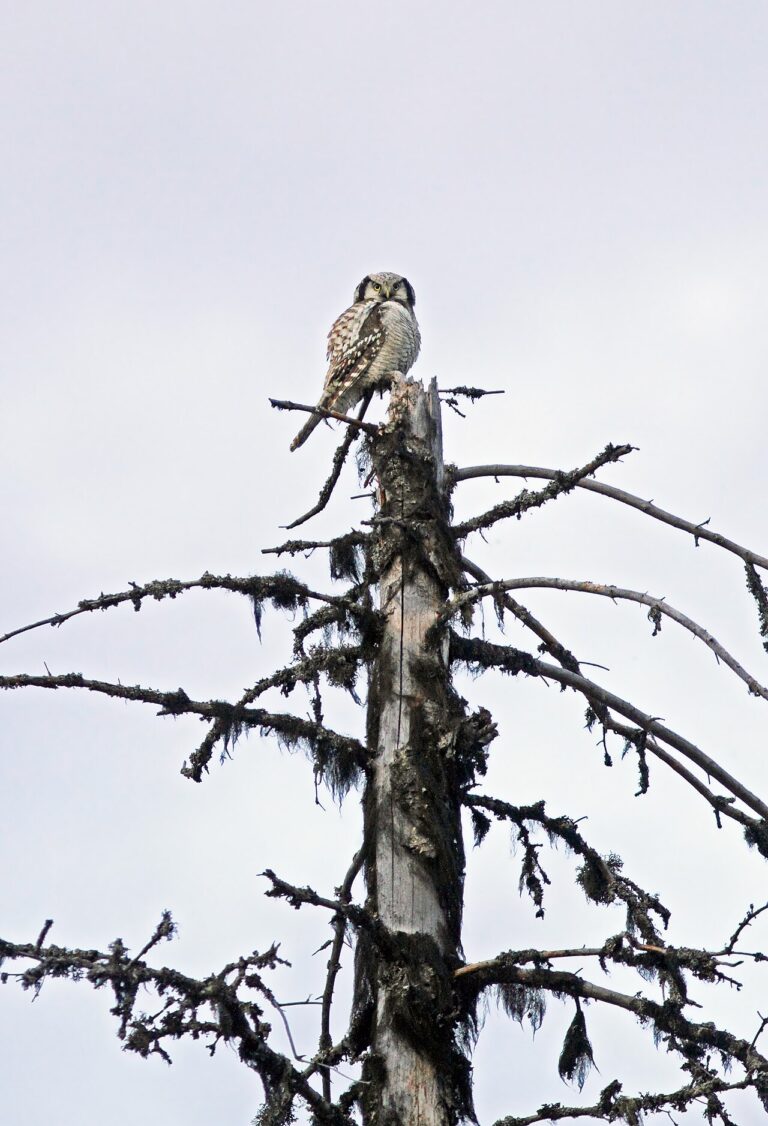
The Northern Hawk Owl is a day-hunting boreal owl that behaves like a hawk, perching high and hunting by sight. Here is how to identify it, where to find it, and how it lives.
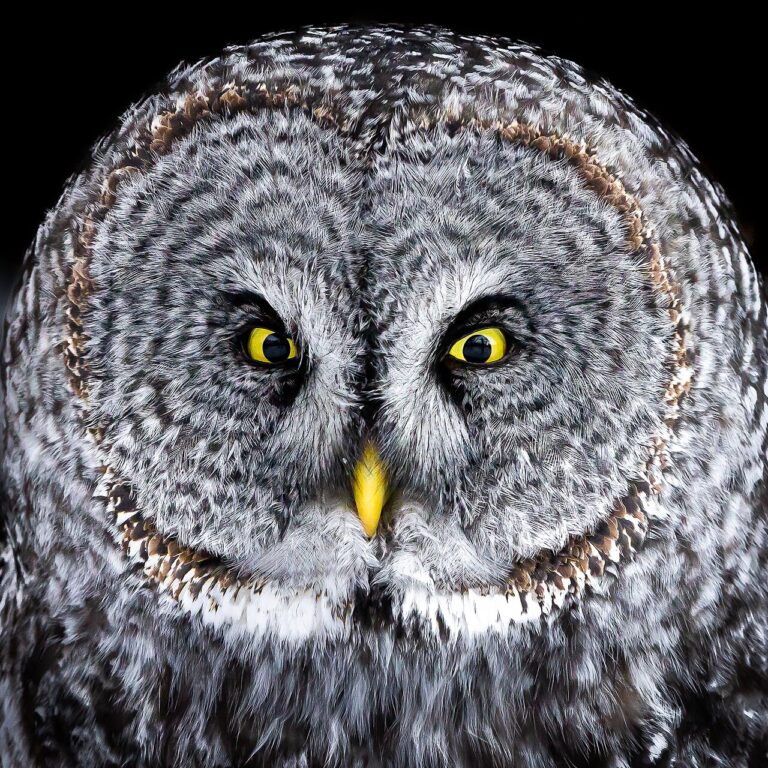
The Great Gray Owl is North America’s tallest owl, a silvery phantom of northern forests that can plunge through deep snow to catch prey it hears. Here is how to identify it and how it lives.
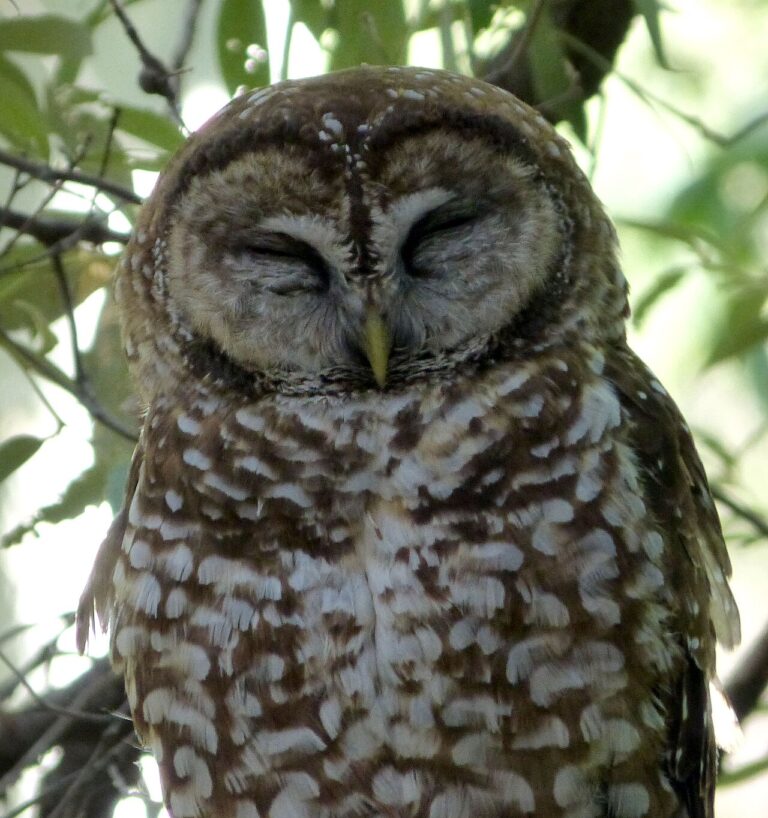
The Spotted Owl is a threatened, dark-eyed owl of western old-growth forests, famous from the timber wars and now pressured by the Barred Owl. Here is how to identify it and why it matters.
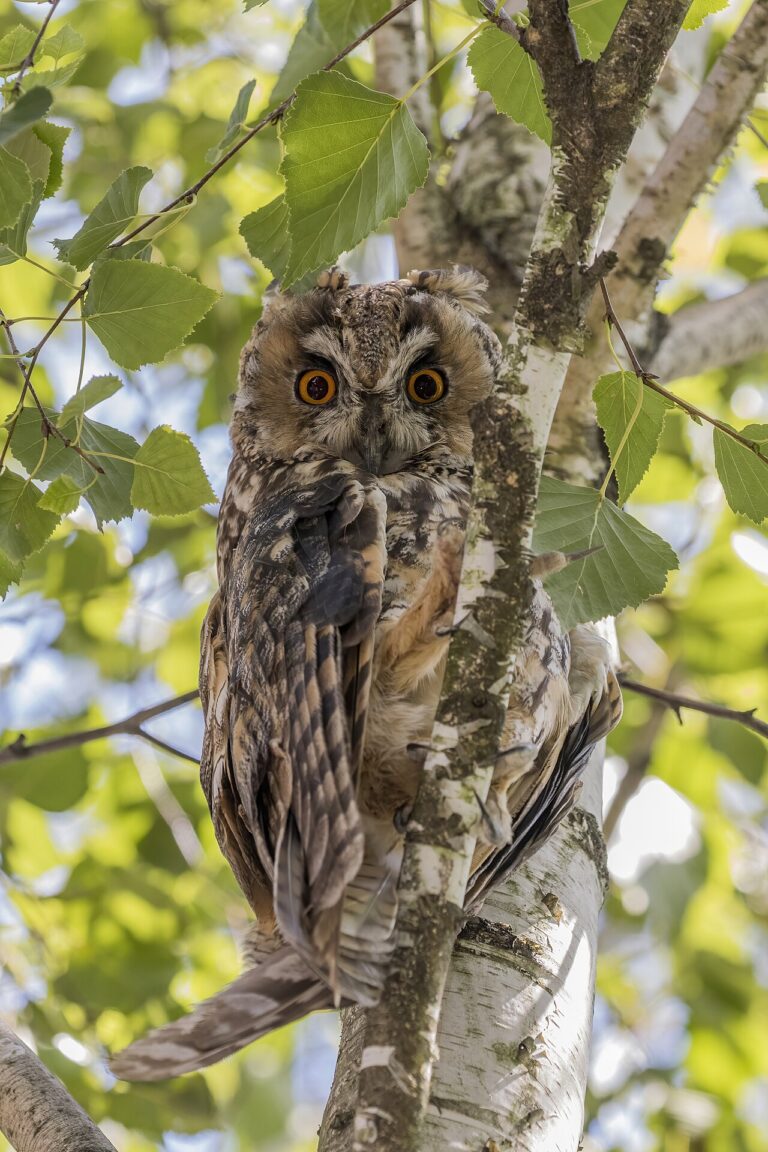
The Long-eared Owl is a slender, secretive woodland owl with tall ear tufts and an orange face. Here is how to identify it, its low hoots, its winter roosts, and how it lives.
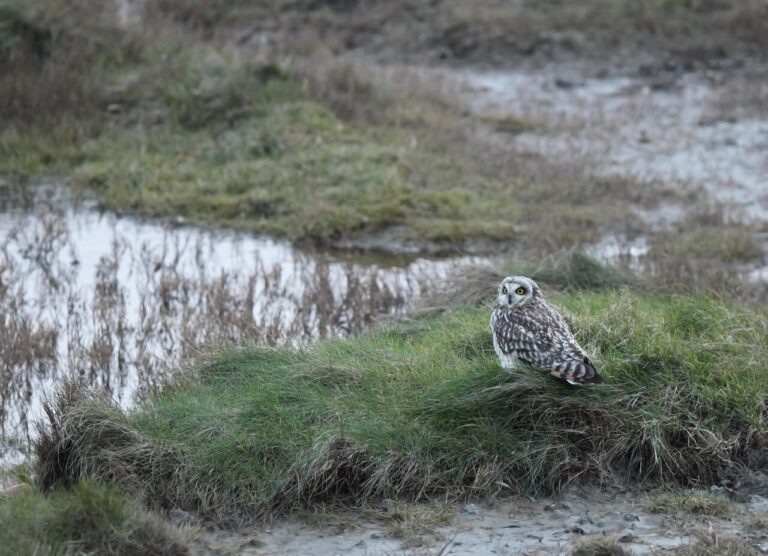
The Short-eared Owl is a grassland owl that hunts by day with a moth-like, floppy flight over open fields. Here is how to identify it, where to find it, and how it lives.