Kingfisher Symbolism: Spiritual Meaning, Omens and Sightings
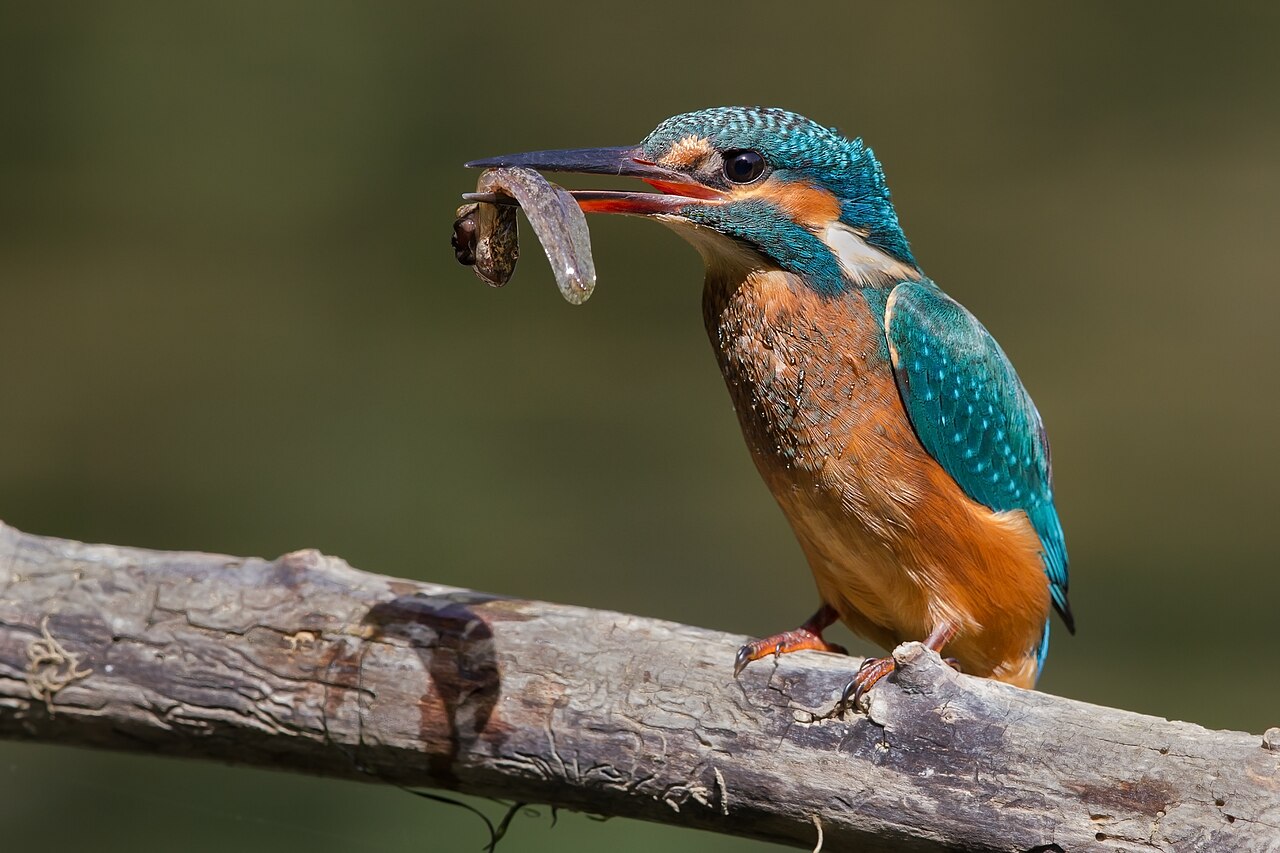
Seeing a kingfisher is read in most traditions as a sign of prosperity, patience and calm after a rough stretch, because the bird waits motionless and then strikes with total commitment. That combination of stillness and decisiveness is why kingfisher symbolism keeps showing up around themes of luck, focus and new beginnings, and why fishing cultures from the Mediterranean to the Pacific treated the bird as a good sign on the water.
These are beliefs, not facts about the bird, and they differ by culture and situation. What follows separates the main traditions, then gives the readings people ask about most: a kingfisher in the garden, at a window, seen repeatedly, found dead, or in a dream.
In symbolic traditions, a kingfisher represents prosperity, patience, focus and peace returning after turmoil. Seeing one is widely taken as a favorable omen, especially around water or at the start of something new. Specific meanings vary: a garden visit signals abundance, a repeated sighting signals a decision that needs committing to.
What Does Seeing a Kingfisher Symbolize?
Across the common readings, seeing a kingfisher symbolizes luck arriving through patience rather than effort. Because kingfishers are tied to clean water and quiet banks, sightings are often interpreted as a sign of emotional clarity, of a situation settling. In Greek tradition the bird is linked to the halcyon days, the calm period around the winter solstice when, according to the myth of Alcyone, the seas were stilled so the kingfisher could nest. That is the origin of “halcyon” meaning tranquil, the oldest layer under most modern readings.
Kingfisher Symbolism in Different Traditions

In various Native American traditions, particularly among Pacific Northwest peoples whose rivers carried salmon, the kingfisher is described as a skilled provider and a sign of abundance and successful fishing. In Maori tradition the sacred kingfisher, the kotare, is associated with watchfulness, since the bird sits high and surveys. Celtic readings connect it to river spirits and safe passage. In Chinese and Japanese decorative art the kingfisher stands for marital devotion and beauty. Biblical texts do not name the kingfisher; a European folk legend, not scripture, says it flew from Noah’s ark toward the sun and took its blue back and orange breast from sky and sunset.
Kingfisher Meaning by Situation
Context shapes the reading more than the species does. The table gives the interpretations that come up most often, all of them traditions rather than predictions.
| Situation | Common interpretation |
|---|---|
| In your garden or over a pond | Abundance arriving; a period of plenty |
| At a window | A message you have been avoiding; time to look at it |
| Seen twice or more in a short time | Confirmation; commit to the decision you are circling |
| Calling loudly as it passes | A warning to guard your own territory or resources |
| Found dead | The close of a chapter, read as release rather than misfortune |
| In a dream | Dive in; the opportunity needs a single clean decision |
Kingfisher Spirit Animal, Totem and Omen
The three words are used for different things. People who speak of the kingfisher as a spirit animal mean a temperament they recognize in themselves: patient, independent, decisive once the moment comes. Totem refers to a lifelong guide or clan emblem, an inherited role in the cultures that use totems, not a personality label. Omen usage is the narrowest, concerning a single sighting at a single moment. If you are drawn to bird meanings generally, our guide to bird symbolism sets out how these three categories differ.
Frequently Asked Questions
What does a belted kingfisher symbolize?
The belted kingfisher (Megaceryle alcyon), the common North American species, carries the same core meanings of prosperity and focus, with added emphasis on independence and defended territory. It is loud and solitary and chases off intruders, so interpretations often center on protecting your own space. Field details on the bird are available from the National Audubon Society.
What is a kingfisher in mythology?
In Greek myth Alcyone and her husband Ceyx were turned into kingfishers, and her father Aeolus calmed the winds each year so she could nest, giving us the halcyon days. Zeus’s own sacred bird was the eagle, not the kingfisher. Polynesian and Maori stories cast the kingfisher as a watcher and occasionally as a messenger between water and sky.
Why is the kingfisher sacred?
The sacred kingfisher takes its English name from Pacific traditions in which the bird was held in respect and in some accounts not to be harmed. Its status comes from its link to water, the source of food and travel, and from its reputation as a reliable provider. Treatment varied widely between island groups.
What does a kingfisher bird tattoo symbolize?
A kingfisher tattoo usually stands for patience rewarded, a decisive turning point, or peace after a hard period, which is the halcyon reading. Some people choose it for a connection to a particular river or coast. Compare the quieter mourning associations of blackbird symbolism or the brightness of goldfinch symbolism before you settle on a bird.
For neighboring readings, our guides to blue jay symbolism and bat symbolism cover two birds and one mammal whose meanings are far more contested than the kingfisher’s.