Baby Garter Snake: ID, Safety, and the Copperhead Test
A baby garter snake is 5 to 9 inches, harmless, and born live in litters of 10 to 40. Full identification, plus the one mark that separates it from a copperhead.
Beyond the feeder. Guides to the mammals, reptiles, and other wildlife that share your backyard, from squirrels and raccoons to deer and foxes.
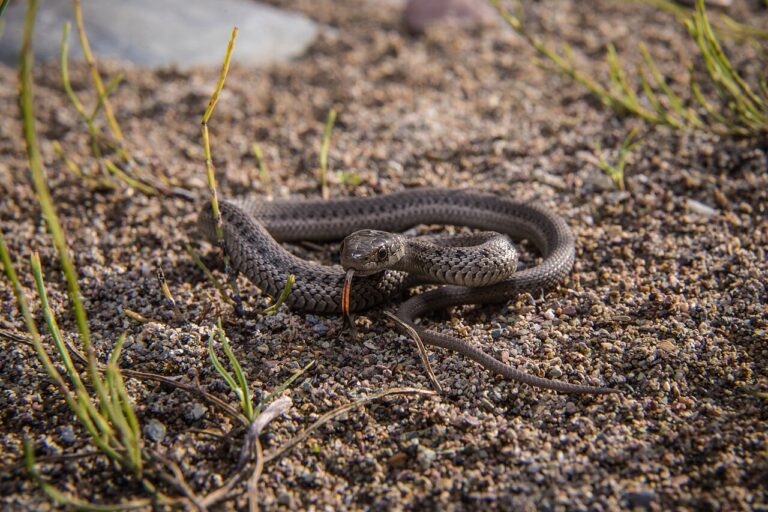
A baby garter snake is 5 to 9 inches, harmless, and born live in litters of 10 to 40. Full identification, plus the one mark that separates it from a copperhead.
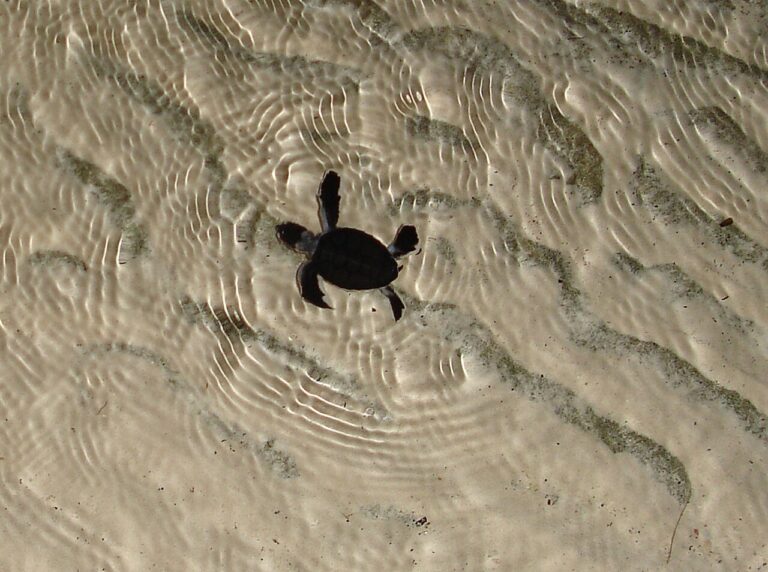
A baby turtle is a hatchling and gets no parental care at all. Size, nest temperature deciding sex, the federal 4-inch sale ban, and what to do if you find one.
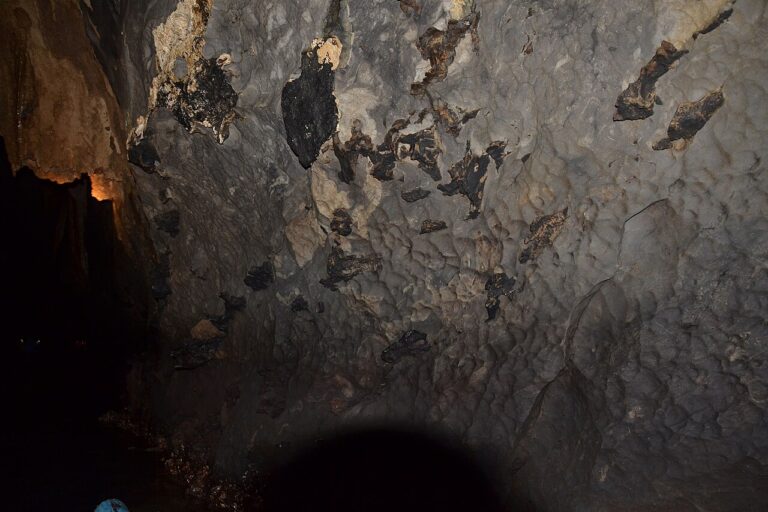
Bat poop crumbles into glittering insect fragments, which no rodent dropping does. Identification, the real histoplasmosis risk, and the safe wet-cleanup method.
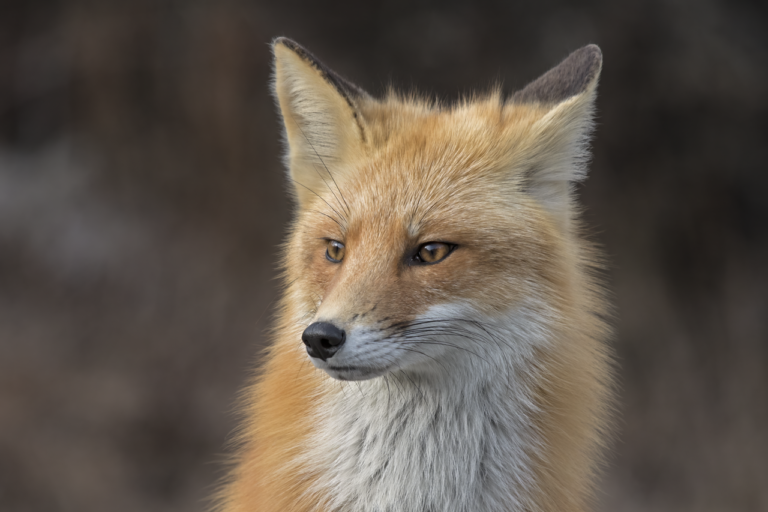
A fox crossing your path signals cleverness, adaptability and a second look at something misjudged. Traditions across cultures, plus why you are seeing more foxes.
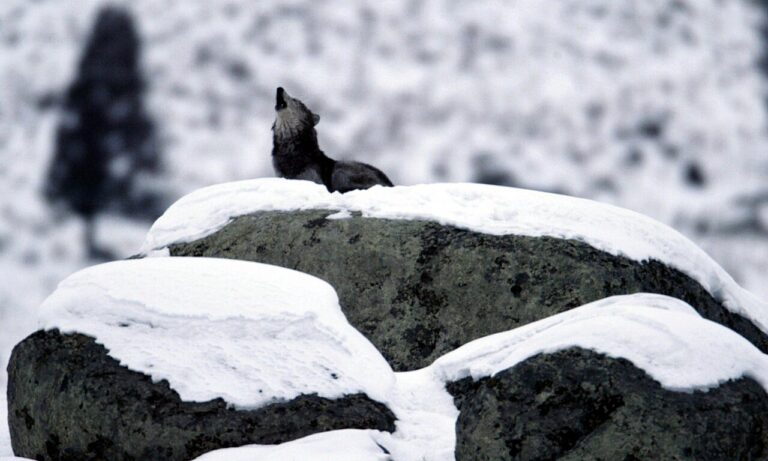
Wolf sounds decoded: the unbroken howl that carries 10 km, rare muffled barks, growls, whimpers and puffs, plus the one test that separates wolves from coyotes.
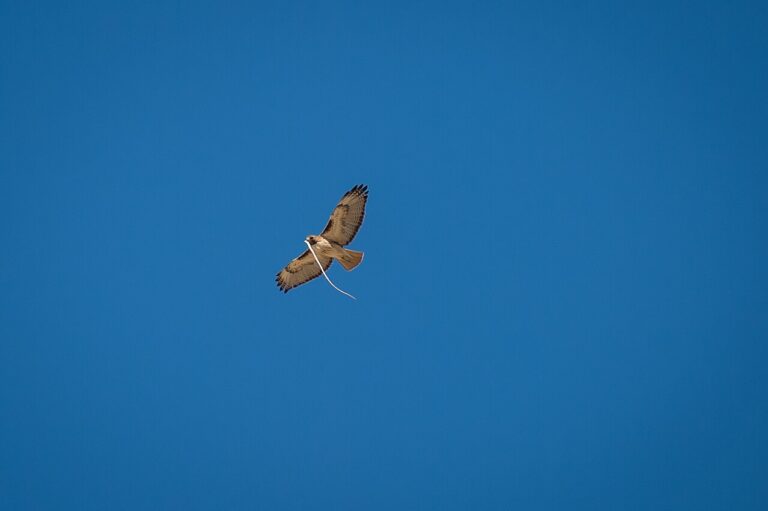
Hawks, owls, foxes, badgers, kingsnakes and guinea fowl all eat snakes. Which predators take venomous species, how they survive the venom, and what eats snake eggs.
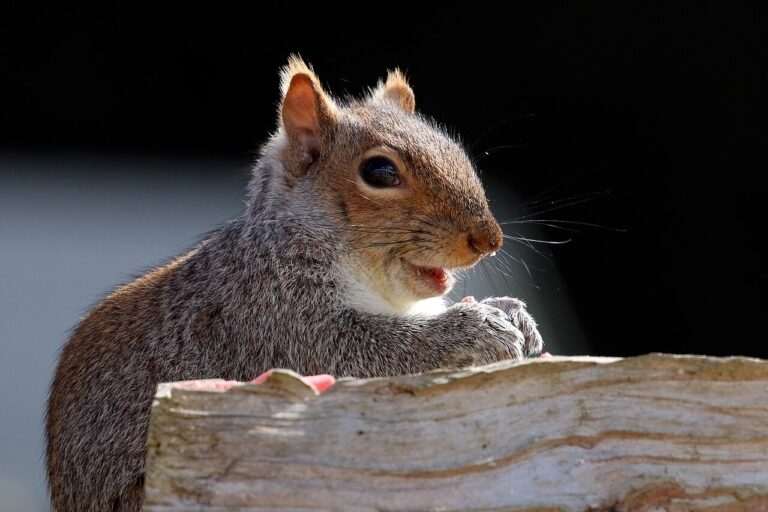
Squirrel poop is 3/8 to 1/2 inch with blunt ends, mouse poop 1/8 to 1/4 inch with sharp points. Size, location, scatter pattern, and safe cleanup for both.
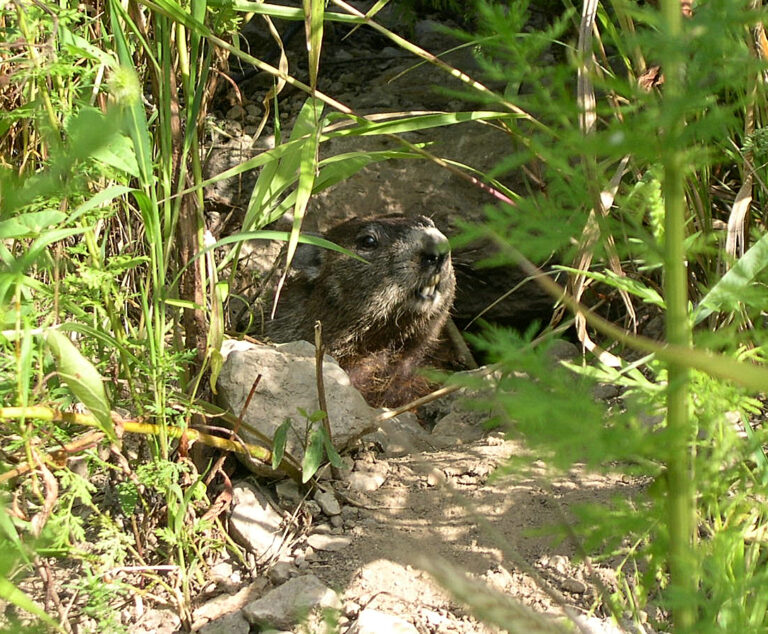
Groundhog sounds decoded: the alarm whistle behind the whistle pig nickname, teeth chattering, distress squeals, and why night noise is almost never a groundhog.
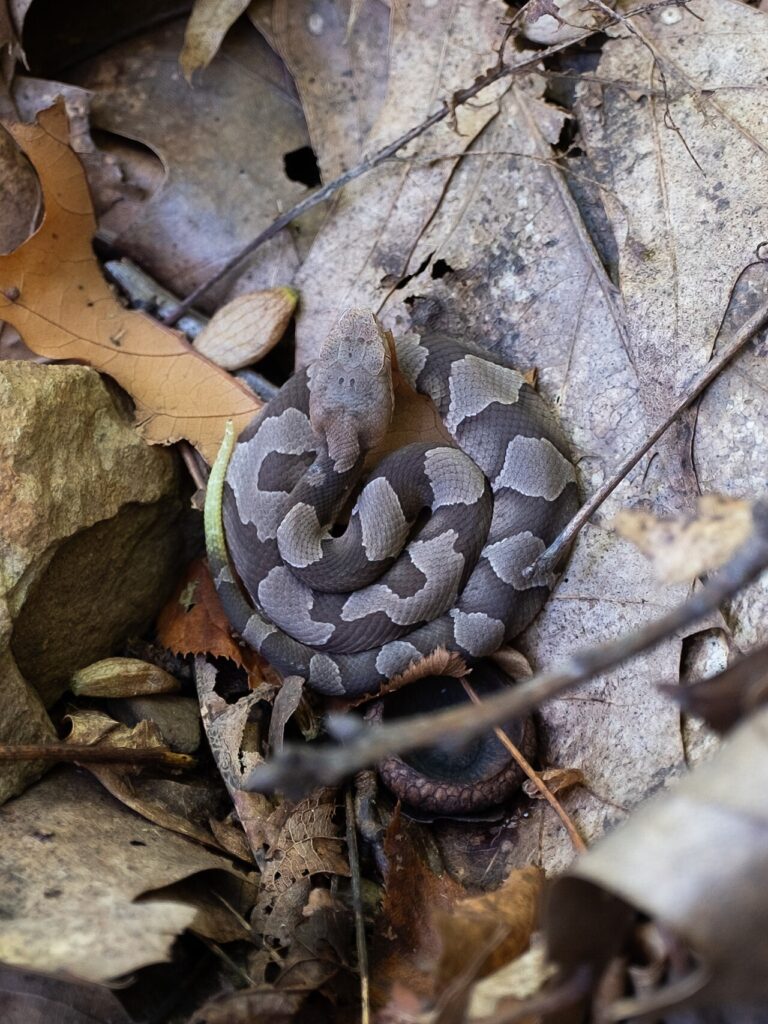
A baby copperhead snake is venomous from birth and marked by a bright yellow tail tip. Identification, lookalikes, bite response, and keeping them out of the yard.
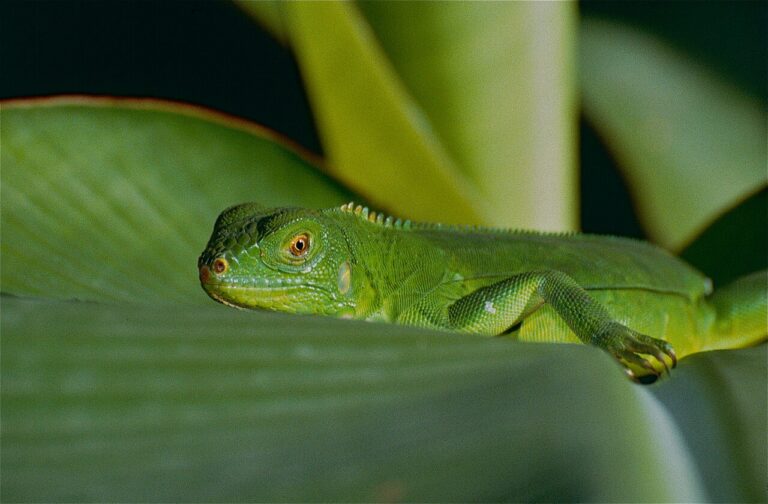
A baby iguana hatches at 6 to 12 inches and reaches 4 to 6 feet within a few years. Size, herbivore diet, UVB and heat needs, health risks, and wild hatchlings.