Pink Snake Identification: 6 US Species and Which Are Venomous
Pink snakes in the US include the red coachwhip, rosy boa and western ground snake. None are venomous. How to tell them from captive-bred pink corn snake morphs.
Beyond the feeder. Guides to the mammals, reptiles, and other wildlife that share your backyard, from squirrels and raccoons to deer and foxes.
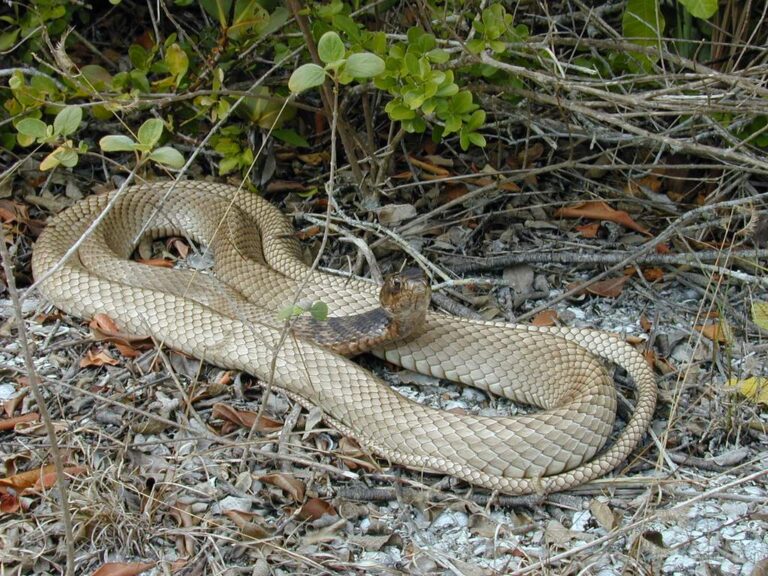
Pink snakes in the US include the red coachwhip, rosy boa and western ground snake. None are venomous. How to tell them from captive-bred pink corn snake morphs.
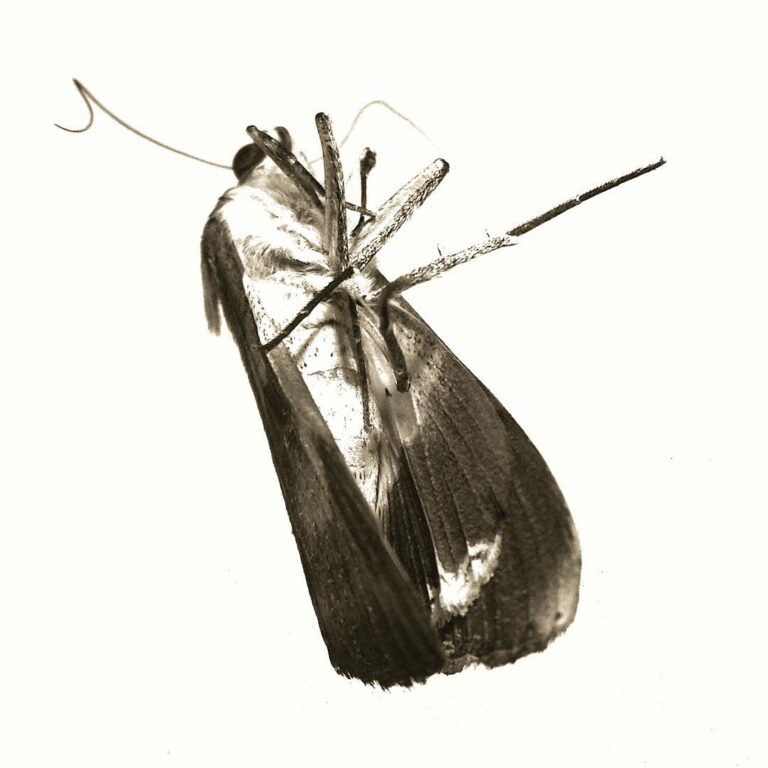
A dead butterfly is read as a finished transformation and a soul released, rarely as an omen of death. Traditions, situations, dreams and the seasonal explanation.
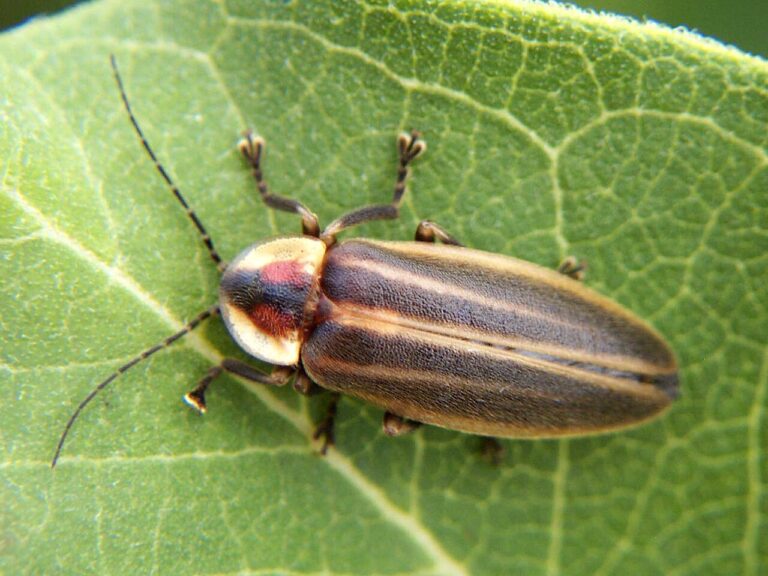
Fireflies stand for hope in the dark, transience and the souls of the dead. Tradition by tradition, situation by situation, plus the biology behind the glow.

The desert horned lizard is harmless, eats harvester ants almost exclusively, and rarely squirts blood. Identification, range, diet, and legal status.
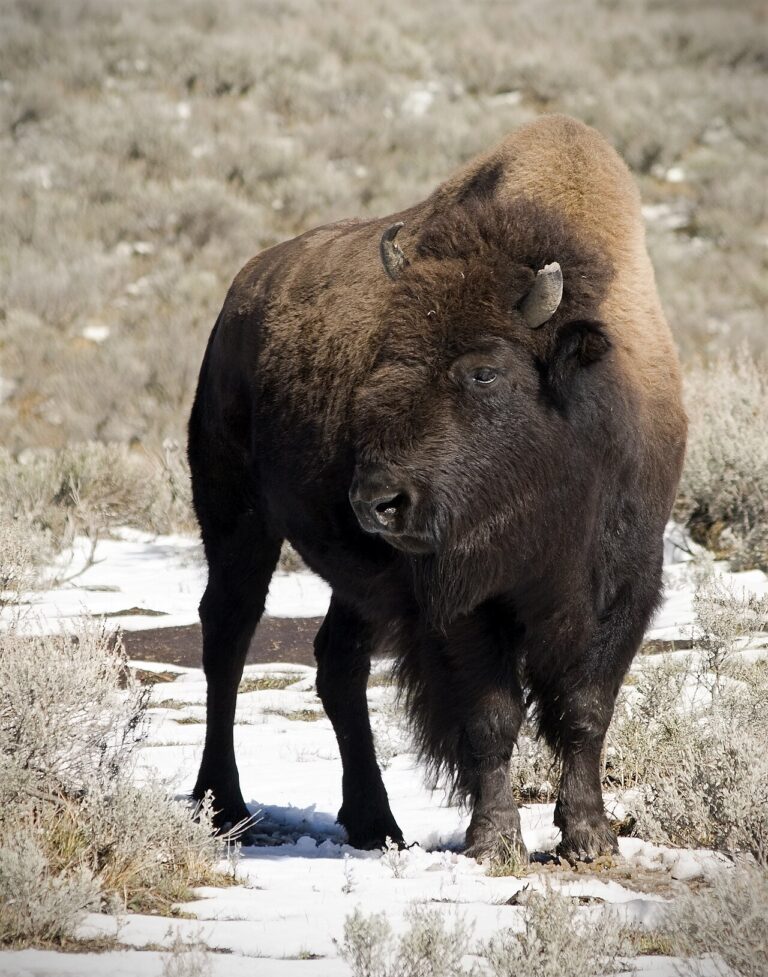
The bison stands for provision, endurance and gratitude. What Plains Native tradition holds, what the white bison means, and how single sightings are read.
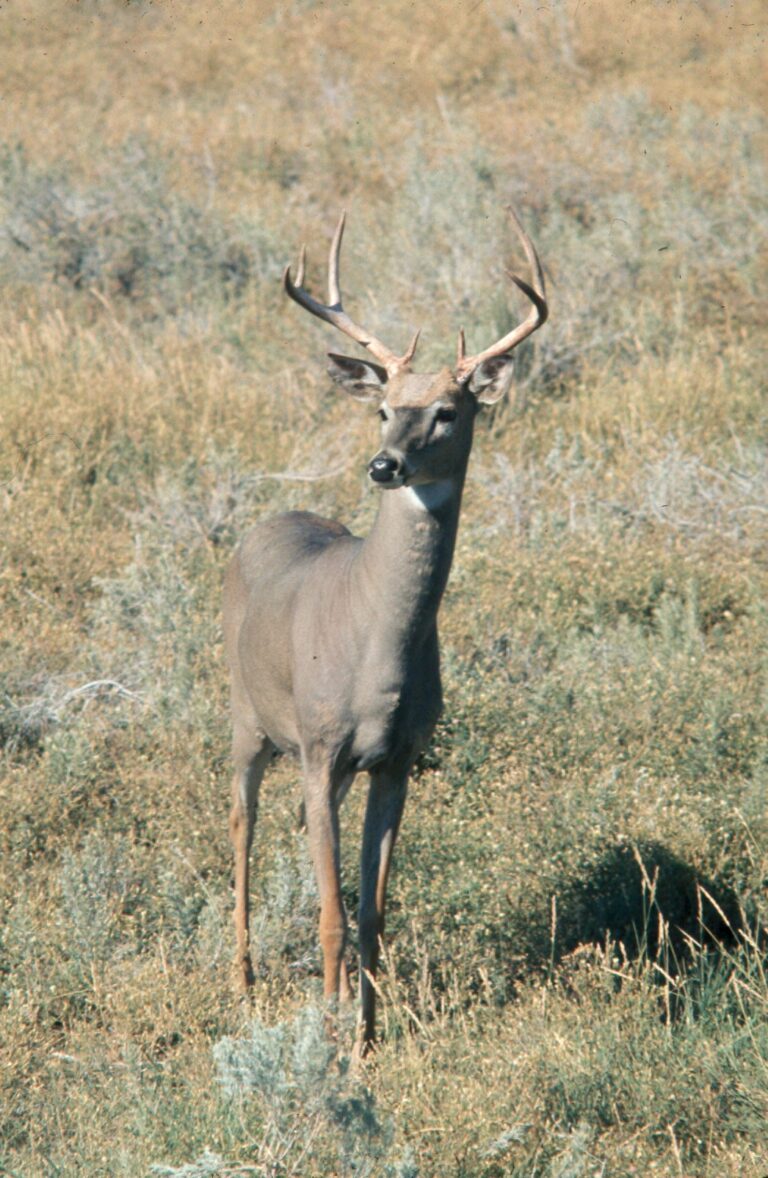
Seeing a deer is read as a sign of gentleness and alertness. Here is what Native American, Christian, Celtic and East Asian tradition say, situation by situation.
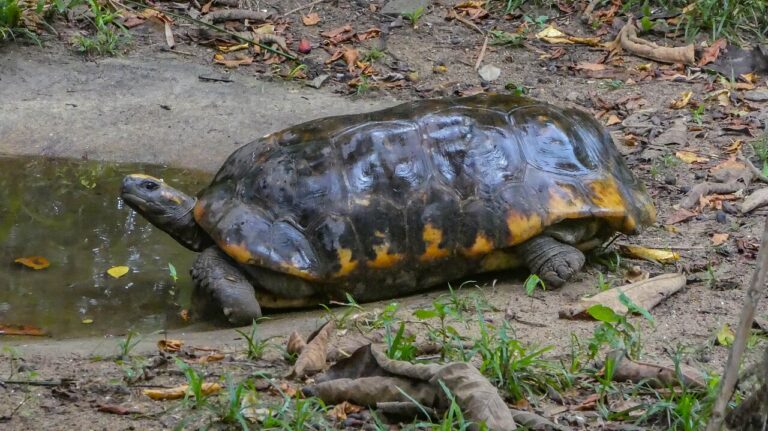
The red eared slider reaches dinner plate size, lives 20 to 30 years, and is restricted in several states. Size, lifespan, tank, diet, and the laws.
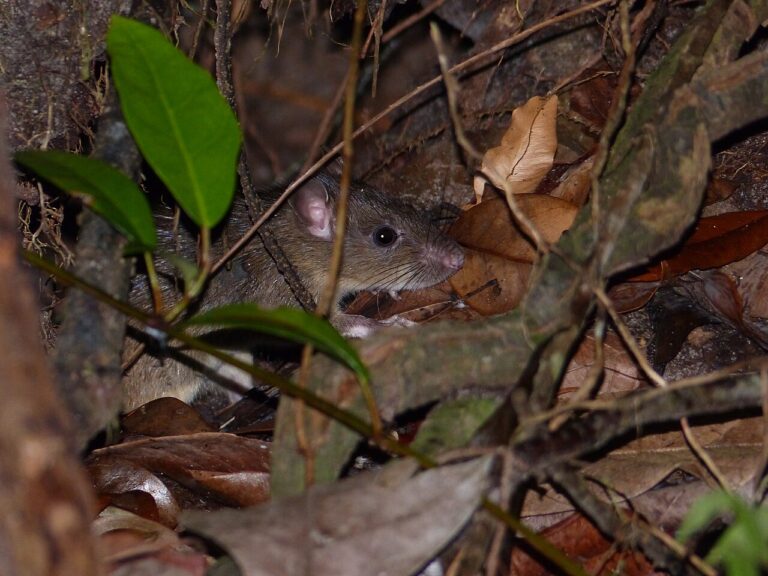
A rat is a warning in the West and a sign of wealth in East Asia. What a rat crossing your path, rats in the house and a dead rat each mean.
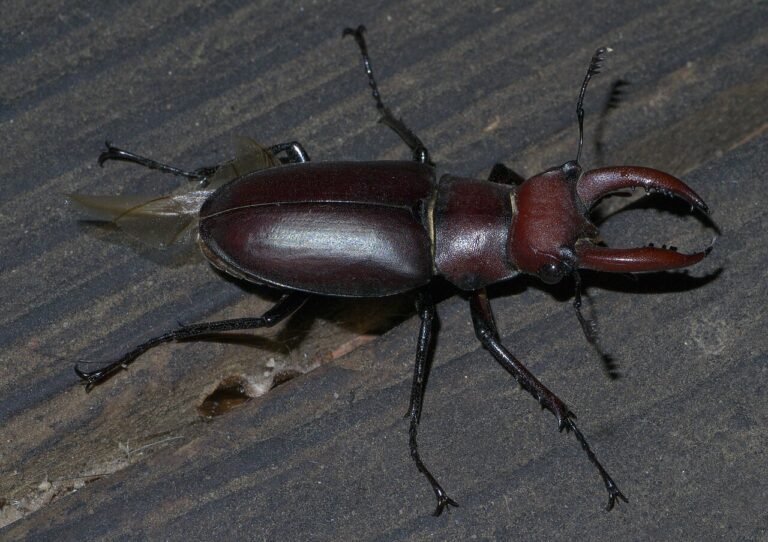
Stag beetles carry antler like jaws, while deer ticks, deer flies and bot flies only borrow the name. Size, range and which ones bite people.
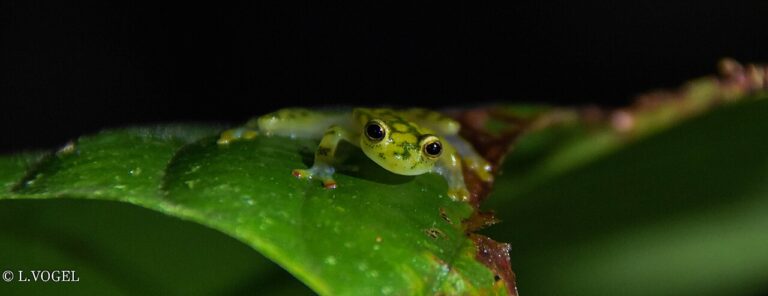
You can watch a glass frog’s heart beat through its belly, and while it sleeps it hides almost all of its blood in its liver. The facts that hold up.