Wolf Poop: Identification and How It Differs From Coyote
Wolf poop is a thick rope-like dropping packed with hair and bone. How to tell it from coyote and dog scat, why old scat turns white, and where wolves actually live.
Beyond the feeder. Guides to the mammals, reptiles, and other wildlife that share your backyard, from squirrels and raccoons to deer and foxes.
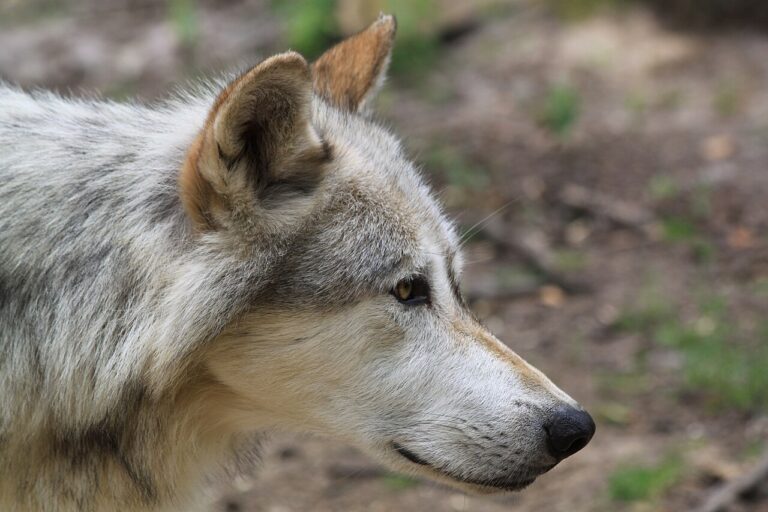
Wolf poop is a thick rope-like dropping packed with hair and bone. How to tell it from coyote and dog scat, why old scat turns white, and where wolves actually live.
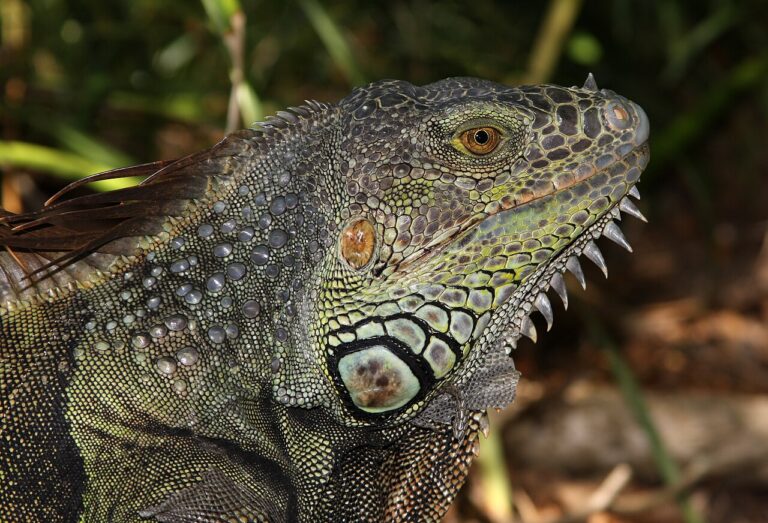
Iguana poop is a large dark dropping with a white cap, often mistaken for dog or raccoon waste. The Salmonella and pool risks, how to remove the stains, and how to deter iguanas.
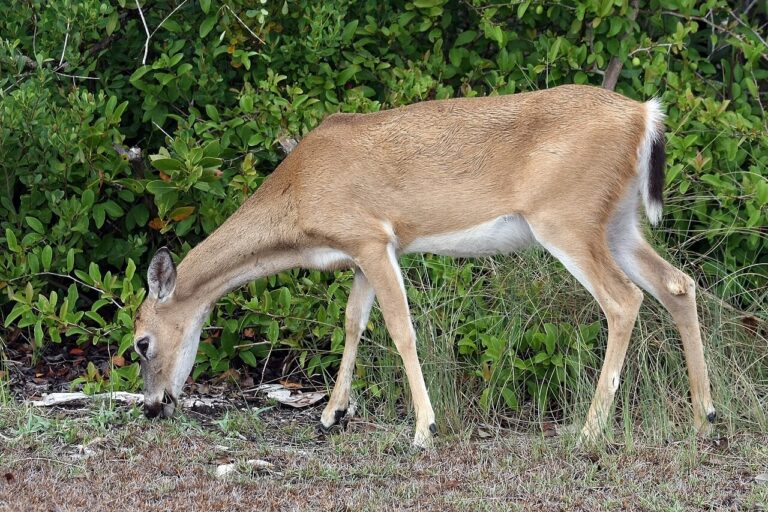
A female deer is called a doe, or a hind in large species and a cow in elk and moose. The full vocabulary by species, how to sex a deer without antlers, and what a mother deer does.
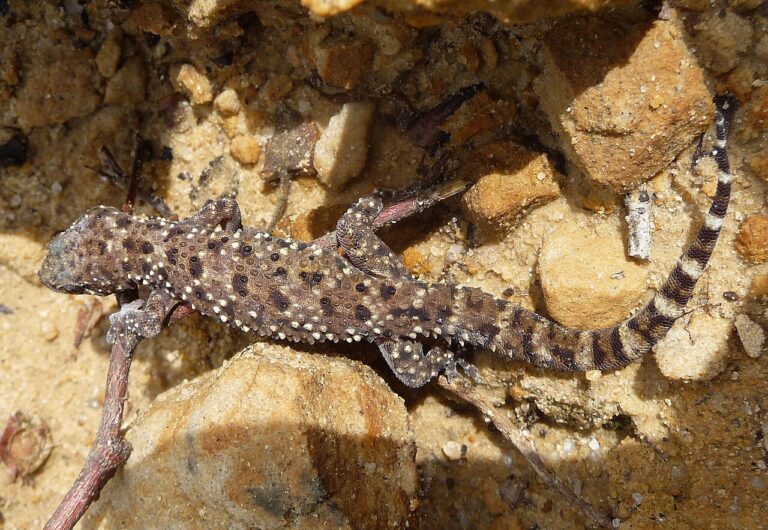
Gecko poop is a dark pellet with a white cap at one end. How to tell it from mouse droppings, the Salmonella risk, and what a gecko in the house actually means.
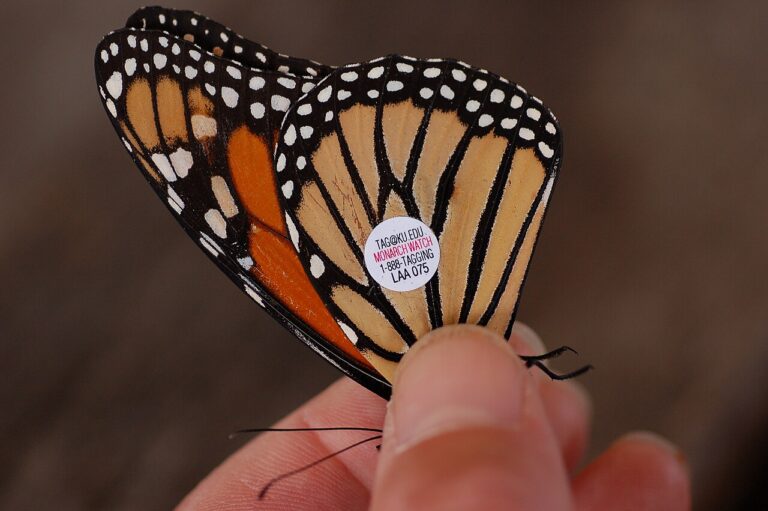
The monarch is the only butterfly making a true two-way migration, up to 3,000 miles. Identification, the milkweed dependency, look-alikes, and what actually helps.
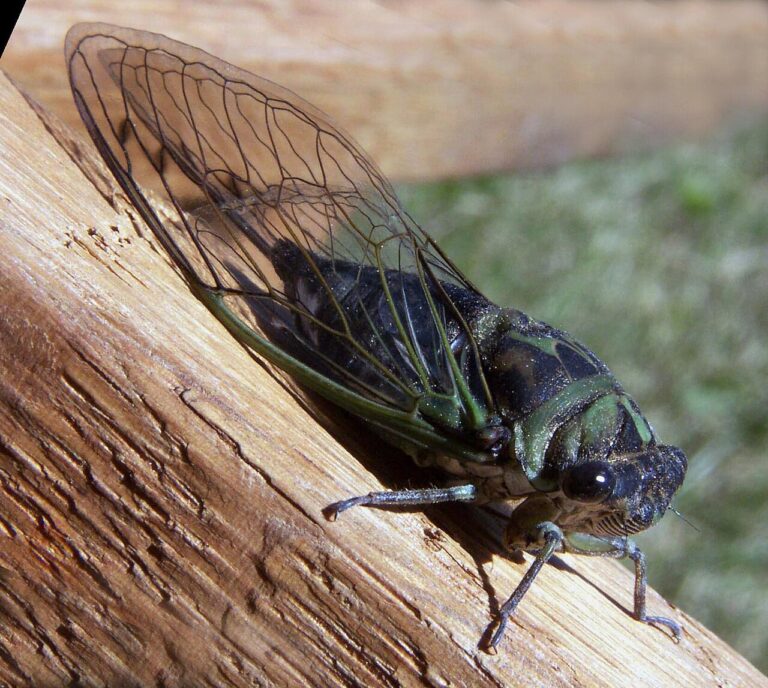
Cicadas sing with ribbed tymbals on the abdomen, not by rubbing legs. What each sound means, how to tell them from katydids, and when the noise finally stops.
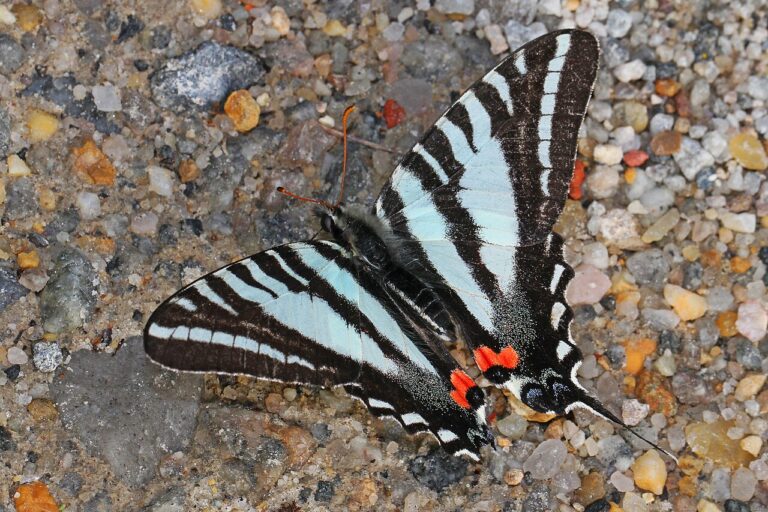
The zebra swallowtail is a striped butterfly with long tails, tied entirely to pawpaw trees. How to identify it, where it lives, and why it is local rather than rare.
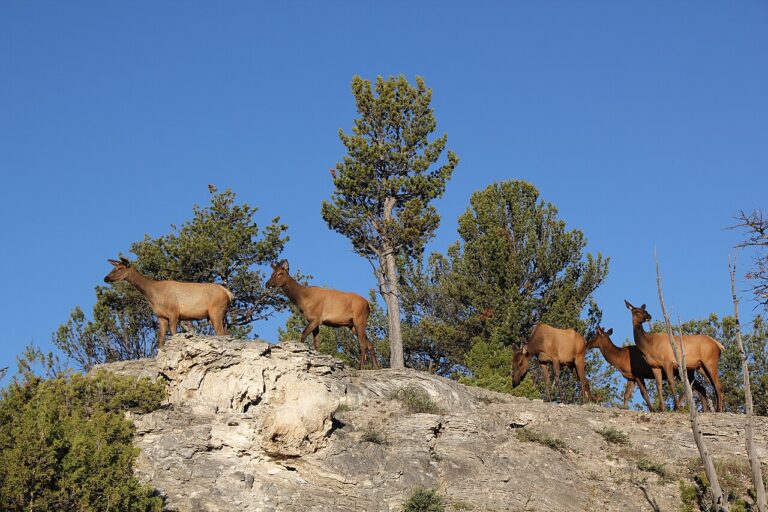
Elk poop is oval pellets in winter and a soft patty in summer. How to tell it from deer, moose and cattle droppings, how fresh it is, and what elk sign reveals.
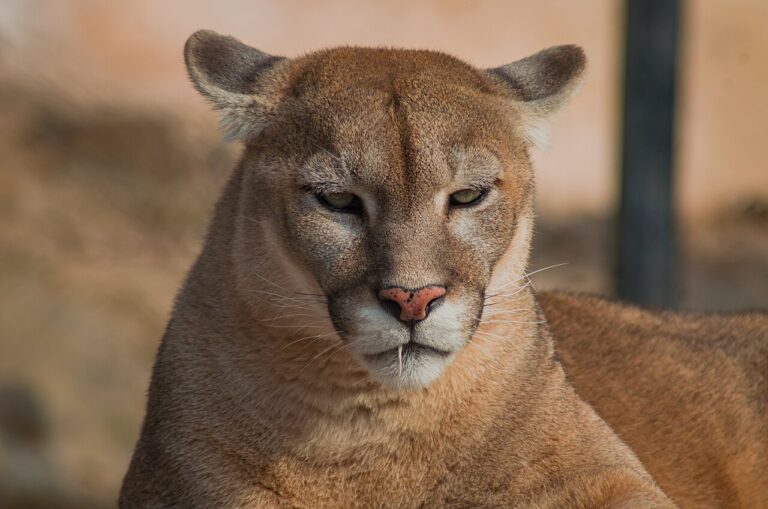
Mountain lion scat is segmented with blunt ends and packed with fur. How to tell it from coyote and bobcat scat, why it is rarely found, and what to do if you find it.
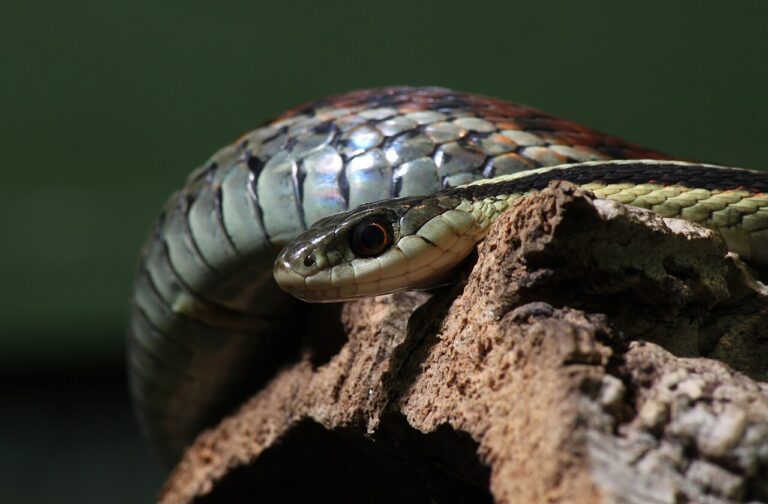
A group of snakes is called a den, nest, pit or bed. What a hibernaculum really is, what a breeding ball means, and why finding one snake does not mean there is a nest.