Blue Wasp: What It Is and Whether It’s Dangerous
Almost always the blue mud dauber, a solitary spider-hunting wasp that rarely stings. What it eats, how to spot its nest, and why it’s worth leaving alone.
Beyond the feeder. Guides to the mammals, reptiles, and other wildlife that share your backyard, from squirrels and raccoons to deer and foxes.
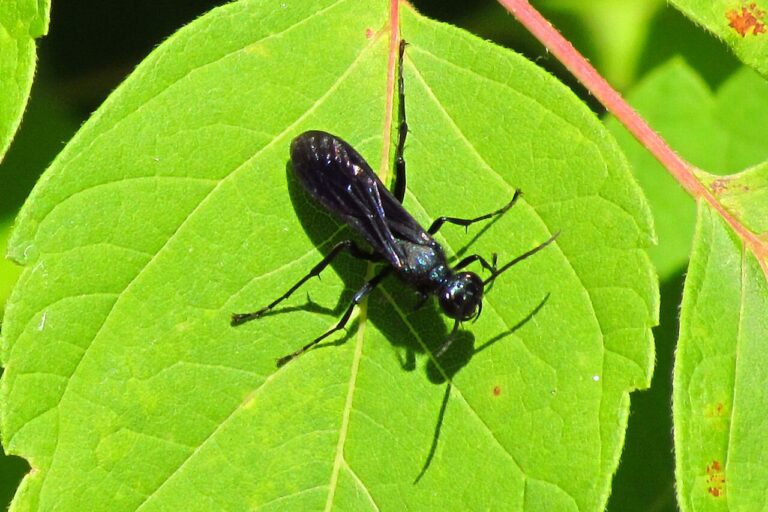
Almost always the blue mud dauber, a solitary spider-hunting wasp that rarely stings. What it eats, how to spot its nest, and why it’s worth leaving alone.
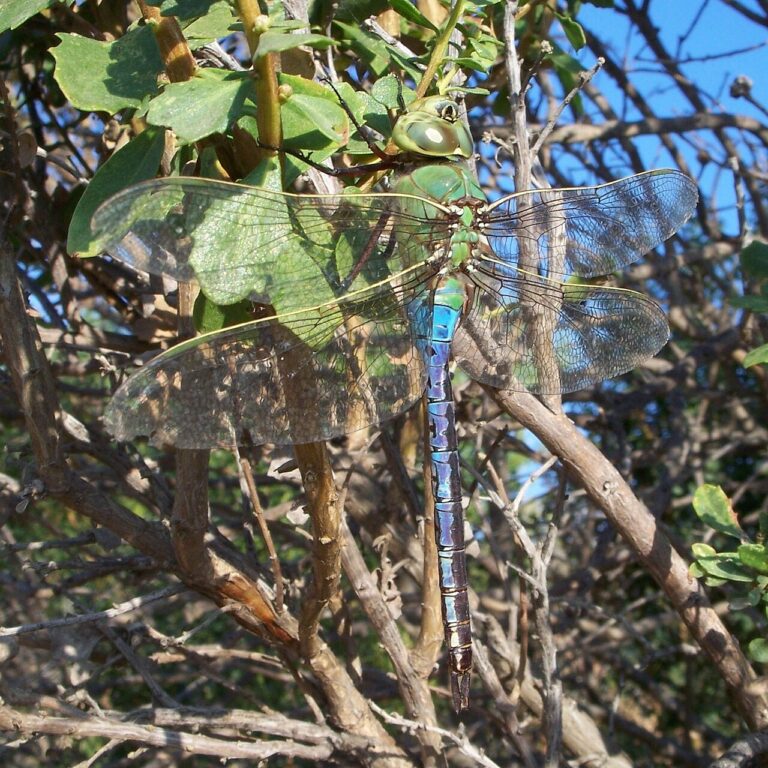
Dragonflies symbolise transformation, adaptability and clear sight, and many read them as messages from the dead. Culture by culture meanings, colours, dreams and visits.
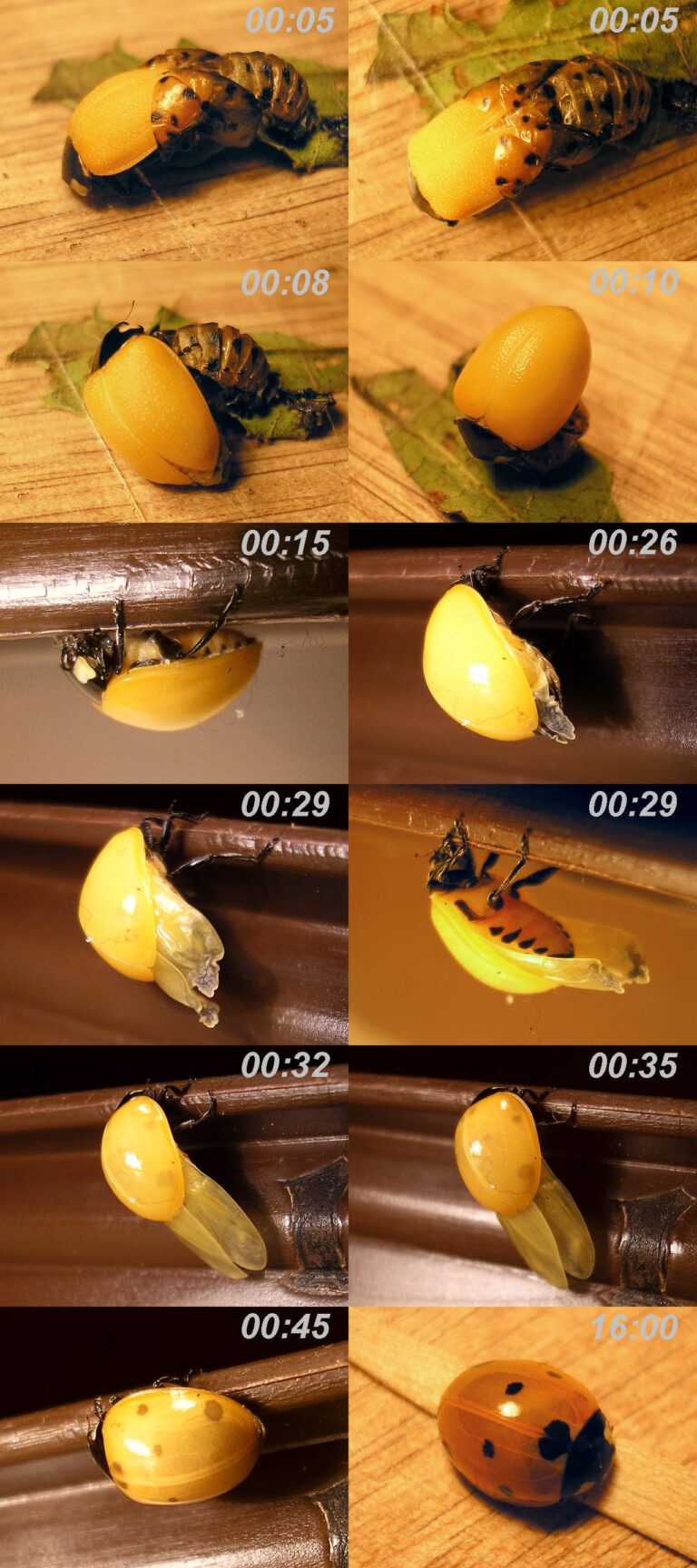
Egg to adult takes four to eight weeks. What the alligator-like larva looks like, why gardeners kill it by mistake, and how to support the full cycle in a garden.
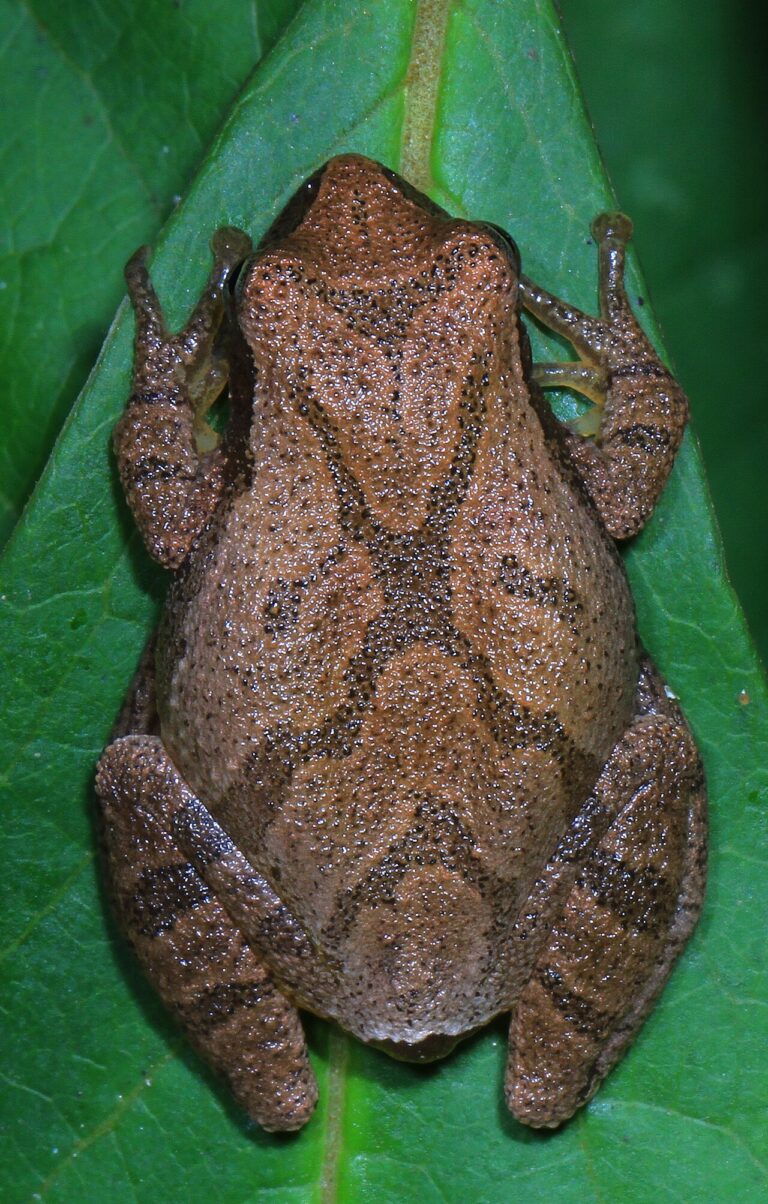
Frogs peep, trill, croak, snore, quack and scream, and only one species actually says ribbit. Every major call explained, plus how to identify a species by ear.
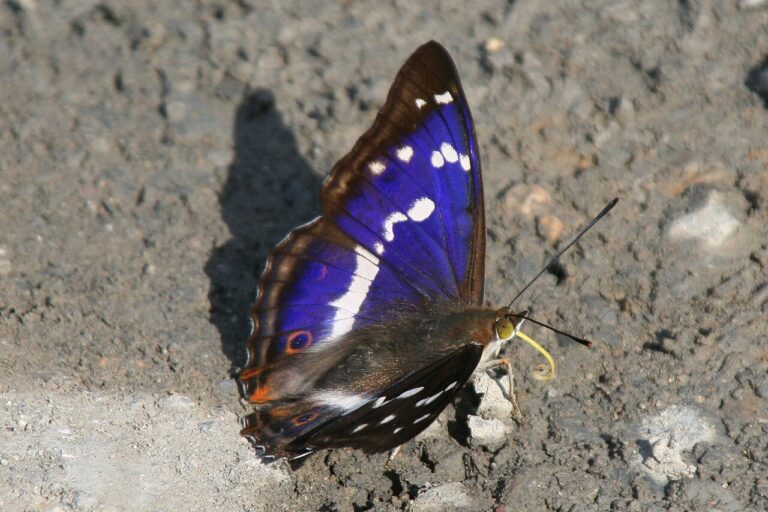
Only male purple emperors flash purple, and only at certain angles. Why the colour is structural, why they feed on dung and carrion, and what the American look-alikes are.
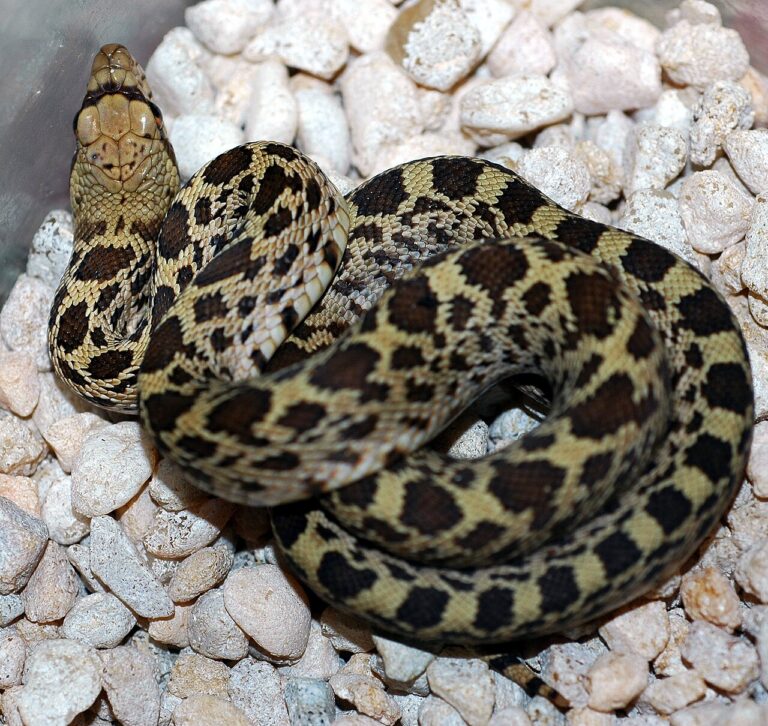
A baby gopher snake is harmless but hisses, flattens its head and buzzes its tail like a rattlesnake. How to tell them apart and why the species is worth keeping around.
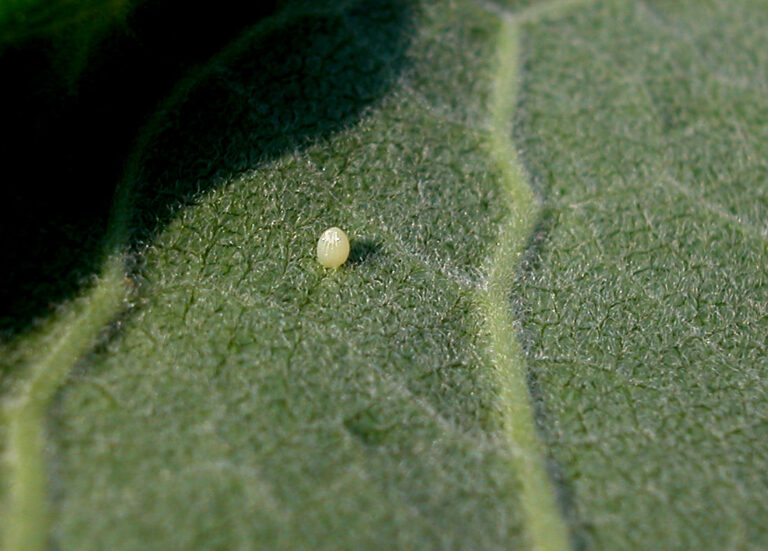
Monarch eggs are ridged white domes the size of a pinhead, laid singly under milkweed leaves. When to look, what gets mistaken for them, and whether to rear them.
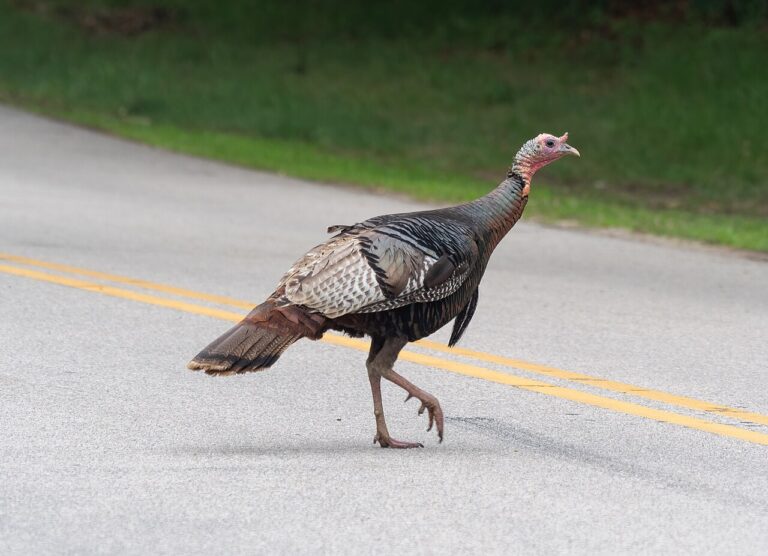
Male turkey droppings are J-shaped, female droppings are coiled. How to read freshness, roost sites and scratchings, plus safe cleanup and disease risk.
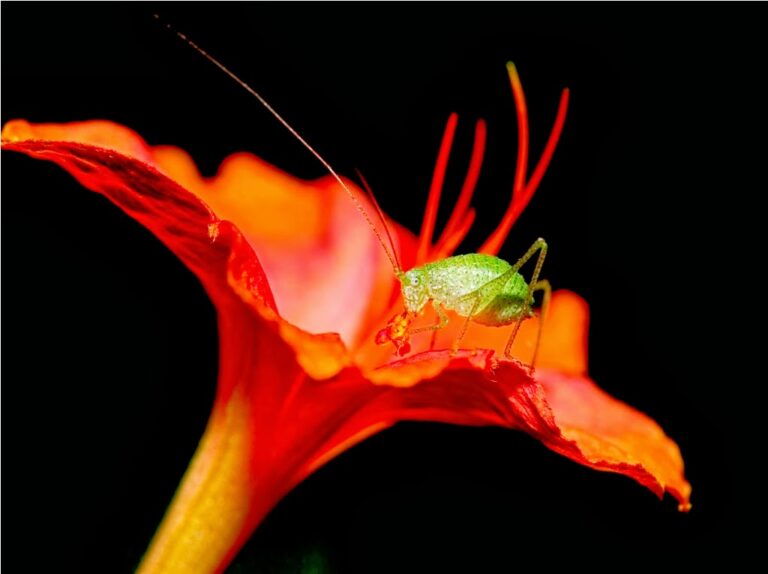
Katydids rasp katy-did katy-didn’t after dark by rubbing their wings together. Every call explained, how to tell them from cicadas and crickets, and when the chorus ends.
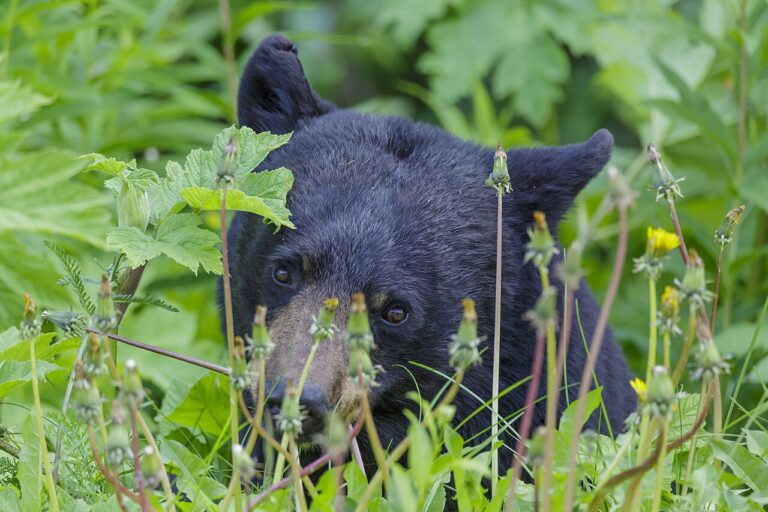
Badgers, skunks, bears, bats, frogs, dragonflies, robber flies and mantises all eat wasps. How each gets around the sting, and why a torn-up ground nest needs no treatment.