How to Get Rid of Japanese Beetles Without Making It Worse
Hand-picking beats every spray, and traps actively make the problem worse. Here is what works on Japanese beetles, plus grub control and plant choice.
Beyond the feeder. Guides to the mammals, reptiles, and other wildlife that share your backyard, from squirrels and raccoons to deer and foxes.
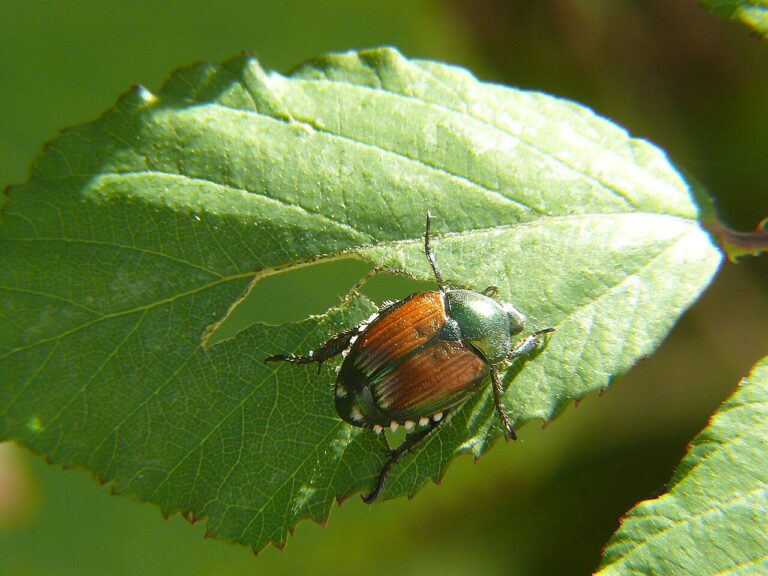
Hand-picking beats every spray, and traps actively make the problem worse. Here is what works on Japanese beetles, plus grub control and plant choice.
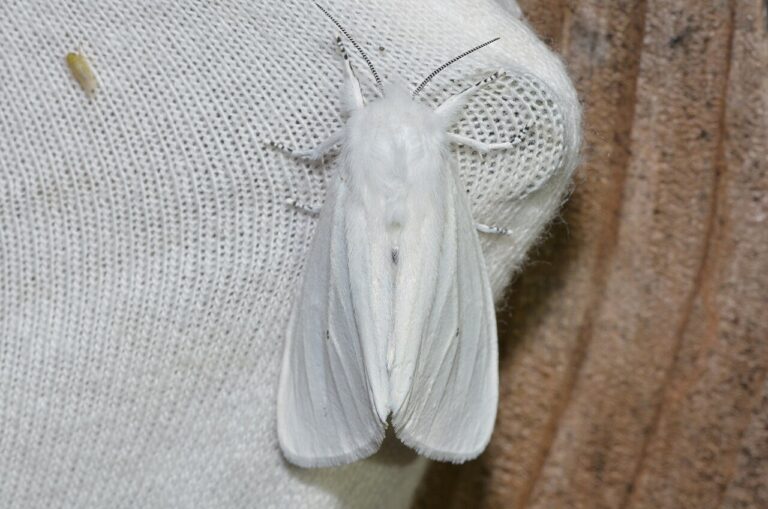
White moths with black spots are usually tiger moths, and tiny white moths indoors are pests. Here is how to identify each one and what they mean.
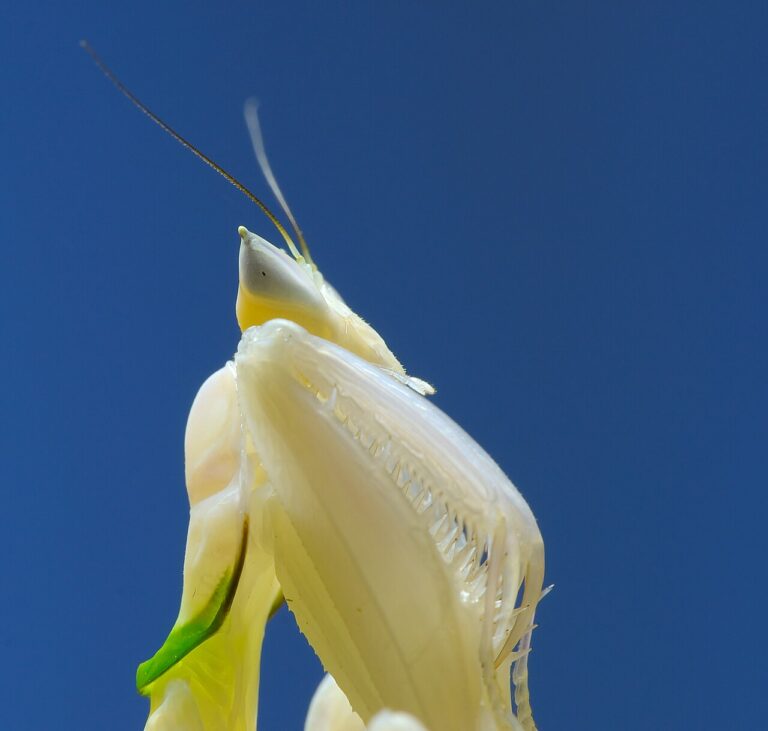
The orchid mantis does not actually hide in orchids. Here is what research found, plus size, life cycle, care, and why blue orchid mantises are fake.
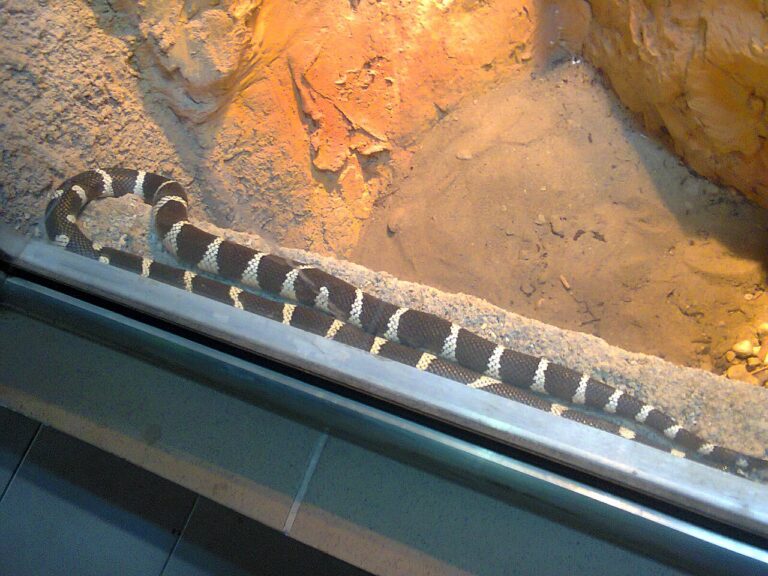
Black and white snakes in North America are usually harmless kingsnakes. Here is how to identify each species and when red bands mean real danger.
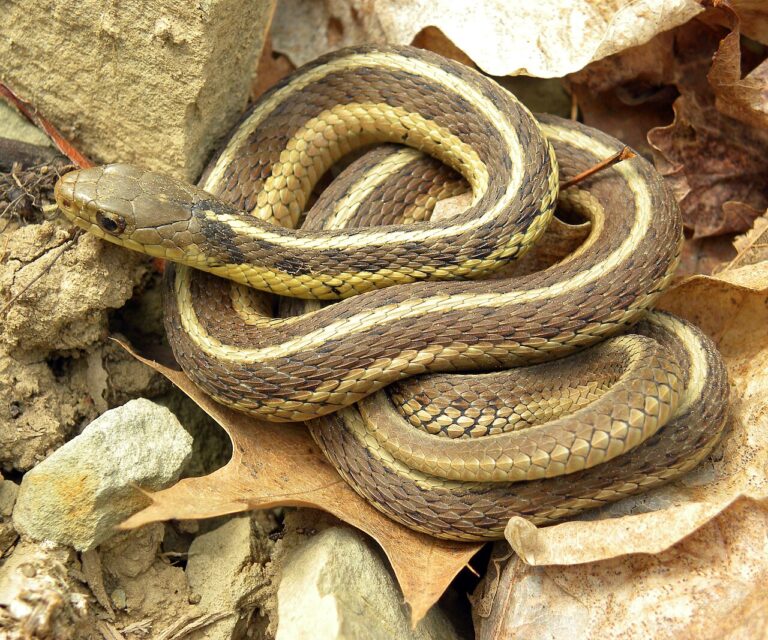
Most baby snakes in a yard are harmless. Here is how to identify one, spot the venomous juveniles, and handle finding a snake in your house.
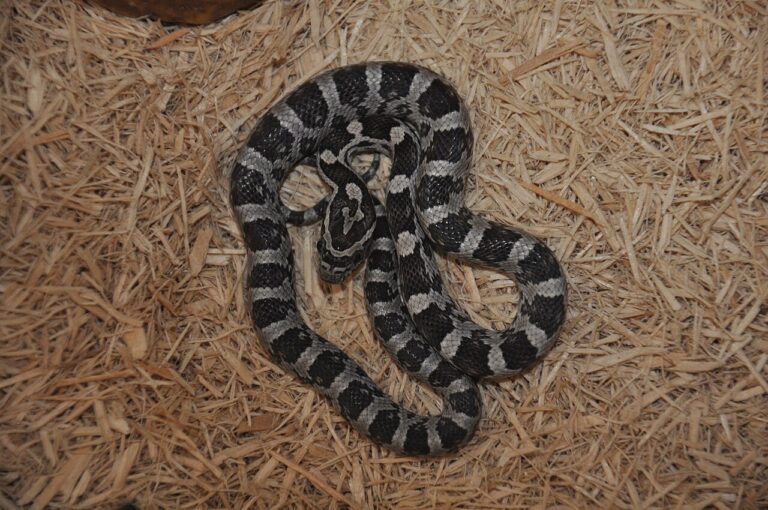
The albino corn snake is amelanistic rather than truly white. Here is what the genetics mean, plus size, morphs, care and feeding for a 20 year pet.
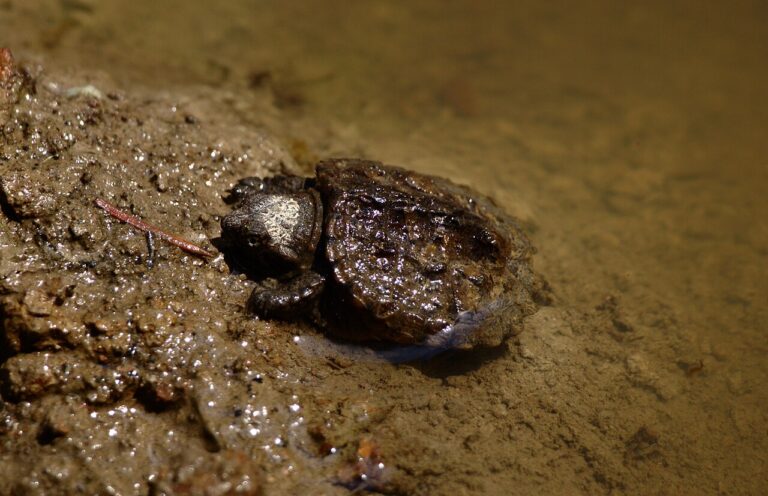
Baby snapping turtles hatch at about an inch long and head straight for water. Here is how to identify one, what it eats, and what to do if you find one.
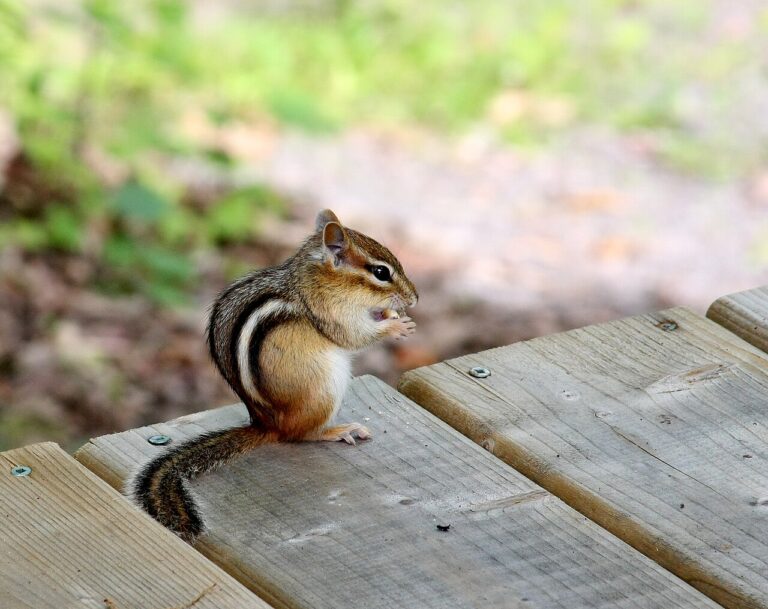
Chipmunk droppings are small dark pellets you rarely see, because chipmunks use burrow latrines. Here is how to identify them and what they mean.
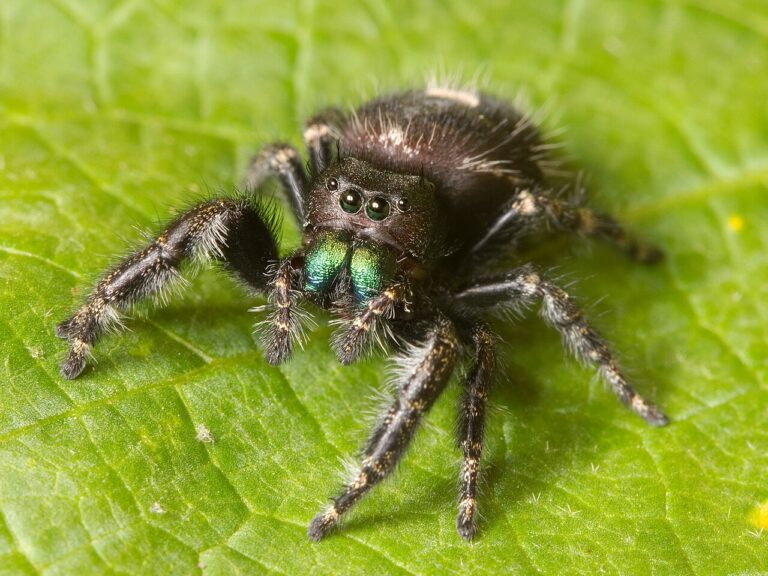
Jumping spiders hunt insects without webs, using the sharpest eyes of any spider. Here is the full diet, plus what to feed a pet jumping spider.
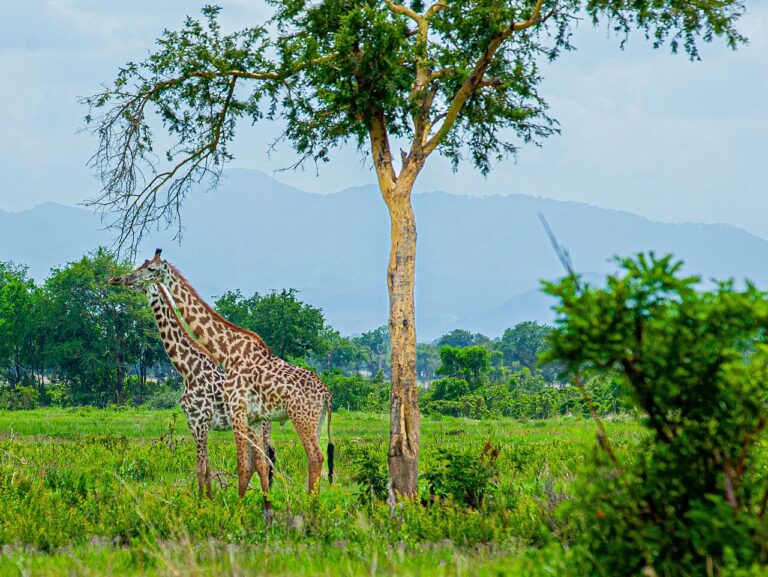
Giraffes eat about 75 pounds of leaves a day, mostly acacia. Here is how they handle thorns, why they chew bones, and what zoo giraffes are fed.