Carpet Beetle Poop: Identification and Fabric Damage
Carpet beetle poop looks like tiny gritty dust, easy to miss. Identify it plus shed skins and fabric holes, and what materials this pest actually damages.
Beyond the feeder. Guides to the mammals, reptiles, and other wildlife that share your backyard, from squirrels and raccoons to deer and foxes.
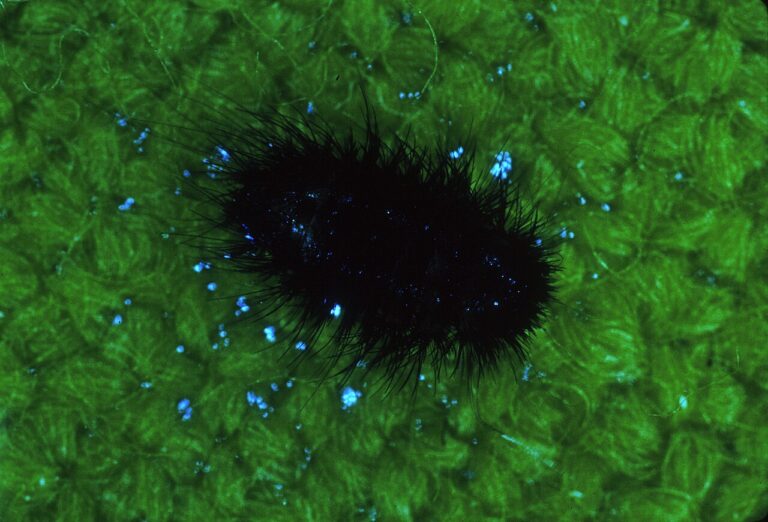
Carpet beetle poop looks like tiny gritty dust, easy to miss. Identify it plus shed skins and fabric holes, and what materials this pest actually damages.
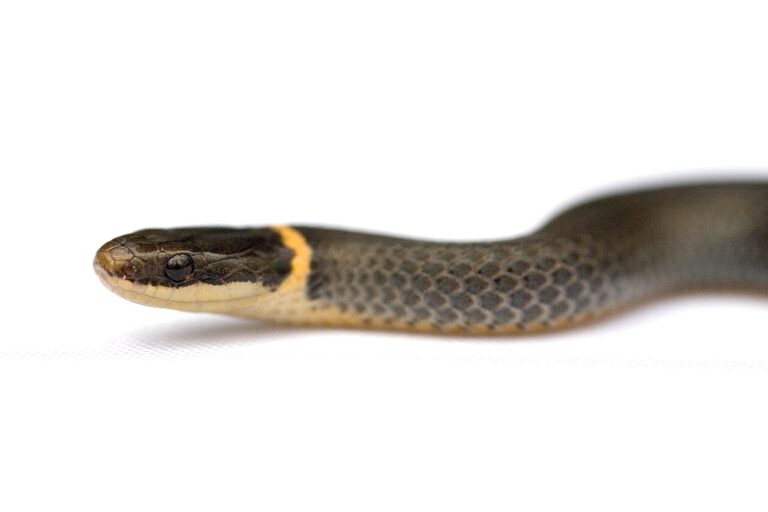
Baby ring-neck snakes hatch at 4-5 inches with a bright neck ring and curl their tail to flash a colorful underside as defense. Identification and habitat.
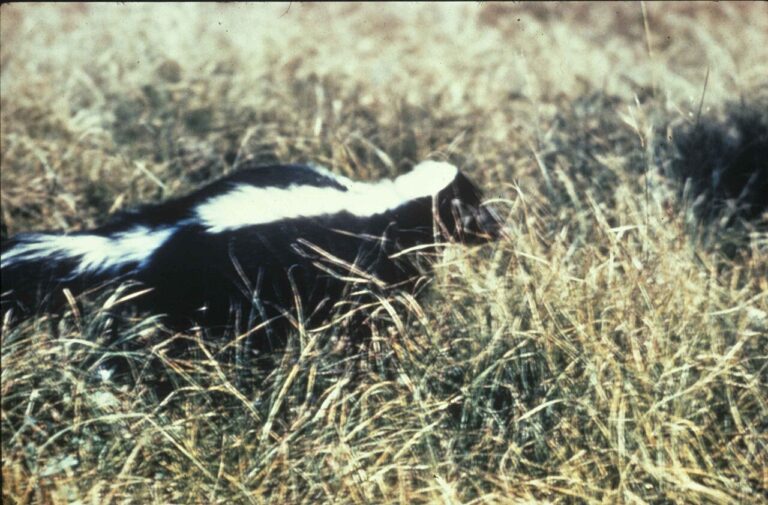
Skunk sounds range from soft chirps to hissing and screeching, with a reliable warning sequence, stamping, hissing, tail-raising, before spraying ever occurs.
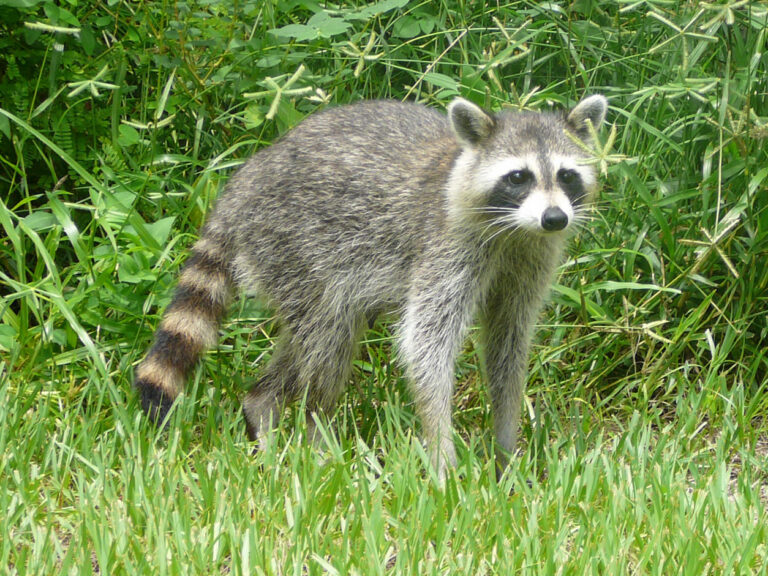
Raccoon poop is tubular with blunt ends; possum poop is looser and less uniform. The critical raccoon roundworm risk and safe cleanup for each explained.
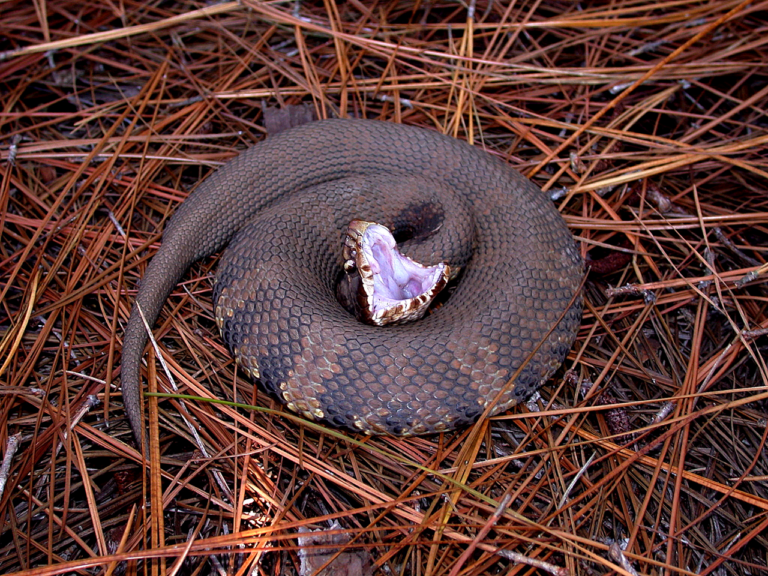
Baby cottonmouths are fully venomous from birth with a bright yellow tail tip used to lure prey. Identification, safety guidance, and how they differ from harmless snakes.
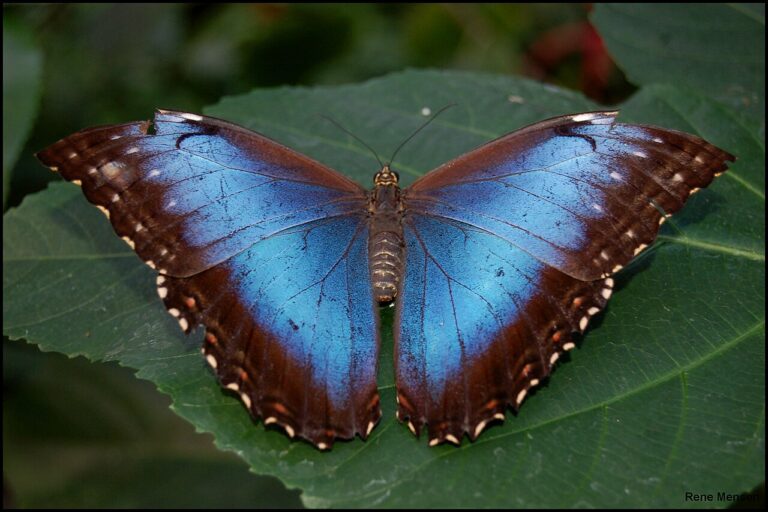
The blue morpho’s brilliant blue isn’t pigment at all, it’s structural coloration from microscopic wing scales. Habitat, camouflage secret, and lifespan.
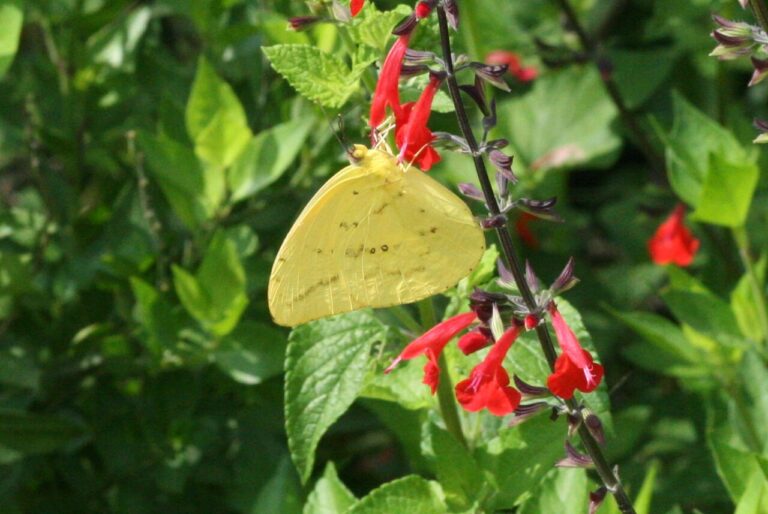
A yellow butterfly is usually a sulphur species, though the tiger swallowtail is also yellow. Identify each plus the joy and optimism symbolism of yellow.
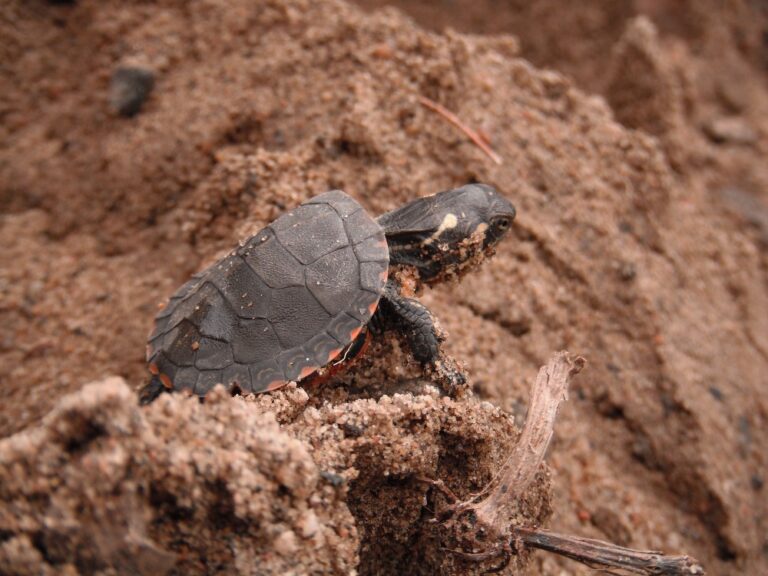
A baby painted turtle hatches at 1 inch and in northern regions survives freezing temperatures underground through winter before ever emerging. Growth and care.
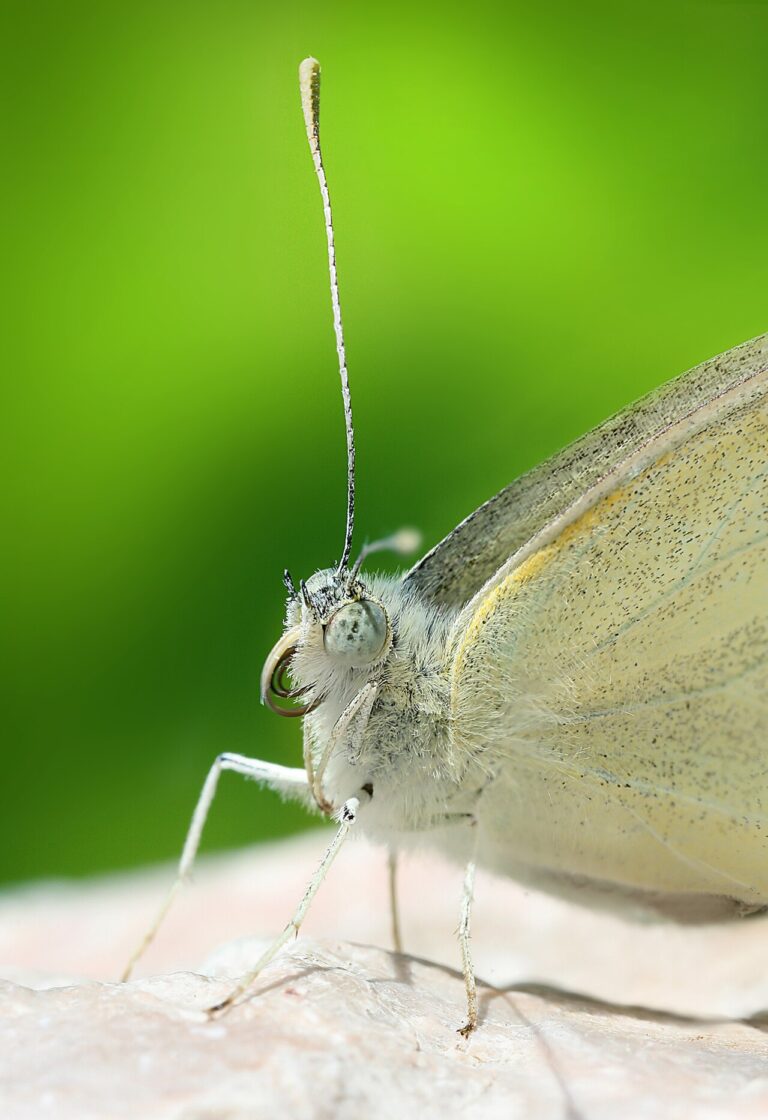
A white butterfly is usually the cabbage white, common across North America. Identify it plus the checkered and great southern white, and the soul symbolism.
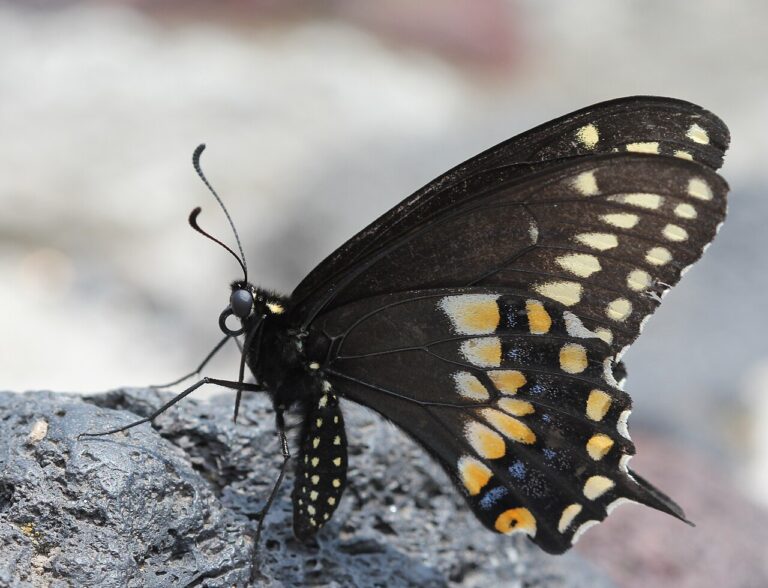
The black swallowtail has two rows of yellow spots on black wings and feeds on parsley, dill, and fennel. Identification, the osmeterium defense, and range.