Pacman Frog Lifespan: How to Get 15 Years, Not 4
Pacman frogs live 10 to 15 years in captivity and 6 to 10 in the wild. The three husbandry mistakes that cut that in half, and how to avoid them.
Beyond the feeder. Guides to the mammals, reptiles, and other wildlife that share your backyard, from squirrels and raccoons to deer and foxes.

Pacman frogs live 10 to 15 years in captivity and 6 to 10 in the wild. The three husbandry mistakes that cut that in half, and how to avoid them.
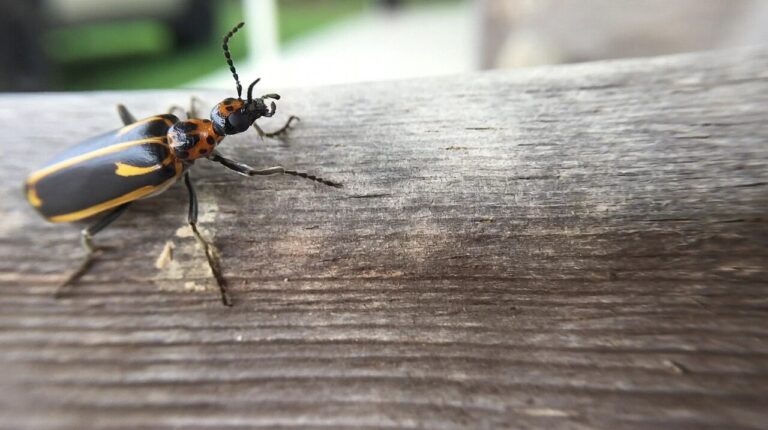
Pink beetles in the US come down to a handful of species: lady beetles, rose chafers and blister beetles. Here is how to tell them apart and which one blisters skin.

The wood frog stops its own heart each winter and thaws out in spring. Identification, range, calls, safety, and why vernal pools decide its survival.

Musk turtles stay under 5.5 inches for life but live 30 to 50 years. Size, smell, tank setup, cost, food, and whether they work as pets.
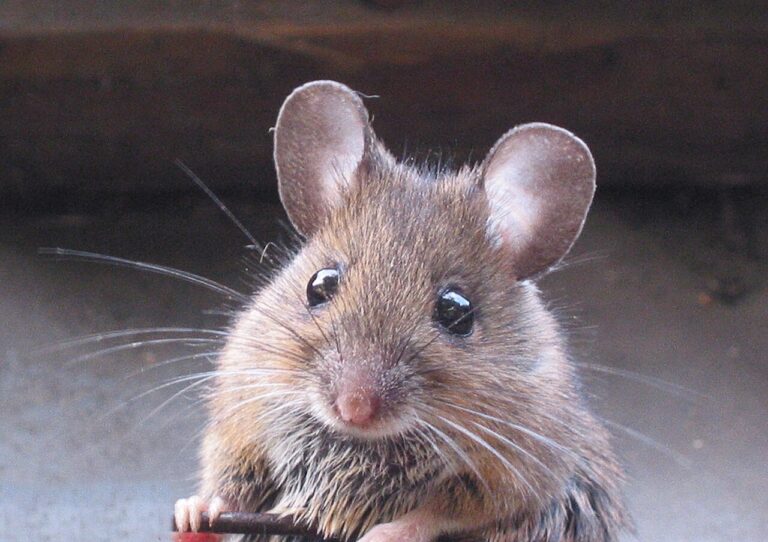
Mice symbolize resourcefulness, humility and close attention to small things. What a sighting means by situation, and how traditions disagree.

Llama droppings are oval pellets 0.5 to 0.75 in long, massed in communal piles. Here is how to tell them from alpaca, deer, goat and rabbit scat.
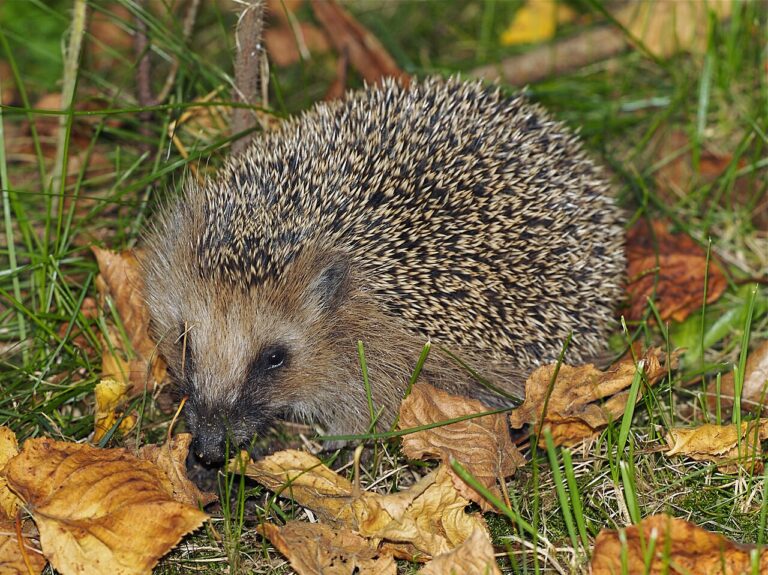
Hedgehog droppings are 1 to 2 in long, dark and flecked with beetle shell. Here is how to tell them from rat, cat and fox deposits.
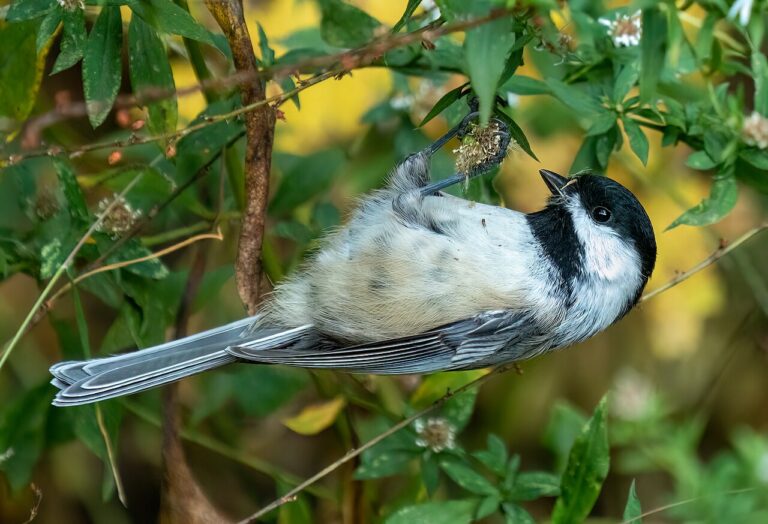
Paired prints about an inch long, three toes forward and one back. How to read a chickadee hop and tell it from juncos, nuthatches and mice.
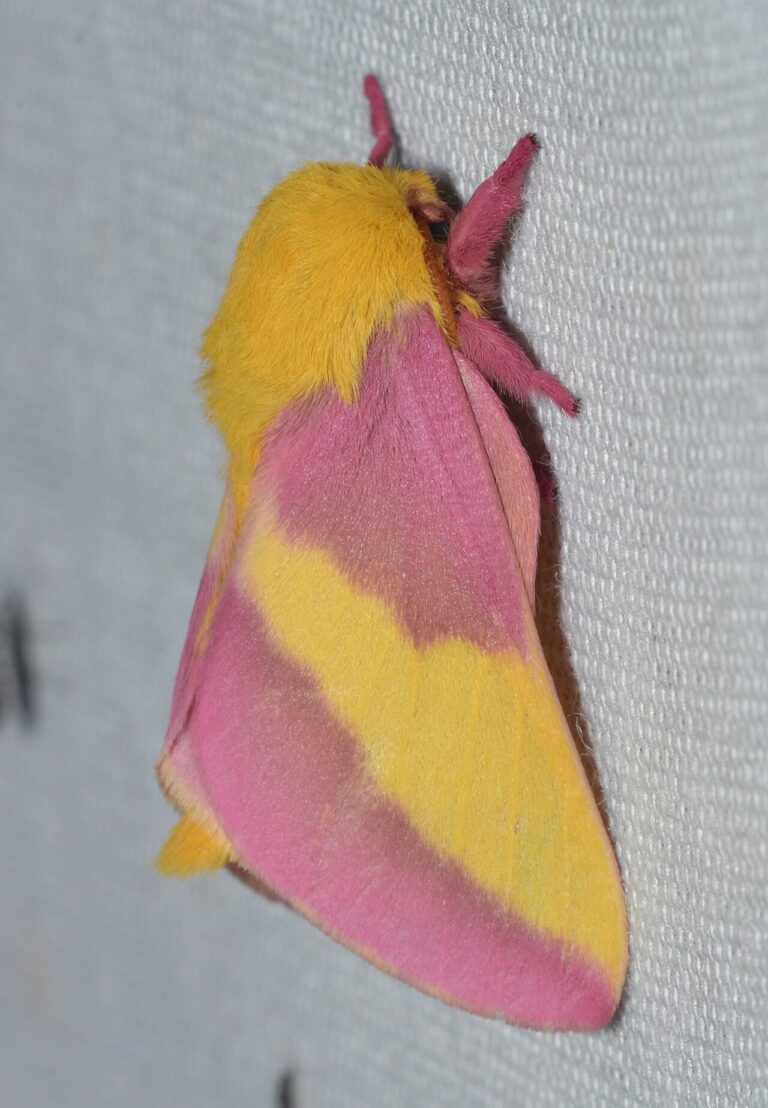
No bee in North America is naturally pink. These seven insects account for almost every pink bee sighting, with the feature that settles each one.

No true fly in North America is pink. Here are the eight pink flying insects people actually see, with size, range and the marks that tell them apart.