Bird Tracks: How to Identify 7 Common Prints in Snow, Mud and Sand
Three toes forward, one back: that single check names a bird print. Sizes, claw marks, gaits and the mammal tracks people confuse with birds.
Beyond the feeder. Guides to the mammals, reptiles, and other wildlife that share your backyard, from squirrels and raccoons to deer and foxes.
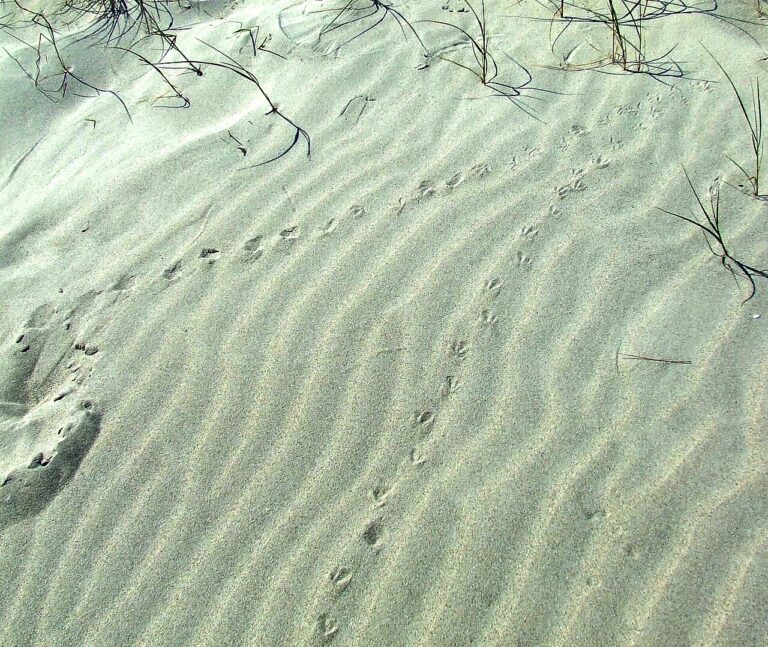
Three toes forward, one back: that single check names a bird print. Sizes, claw marks, gaits and the mammal tracks people confuse with birds.

Seeing a spider is traditionally read as a sign to keep building what you started. Here is what each sighting means, tradition by tradition.
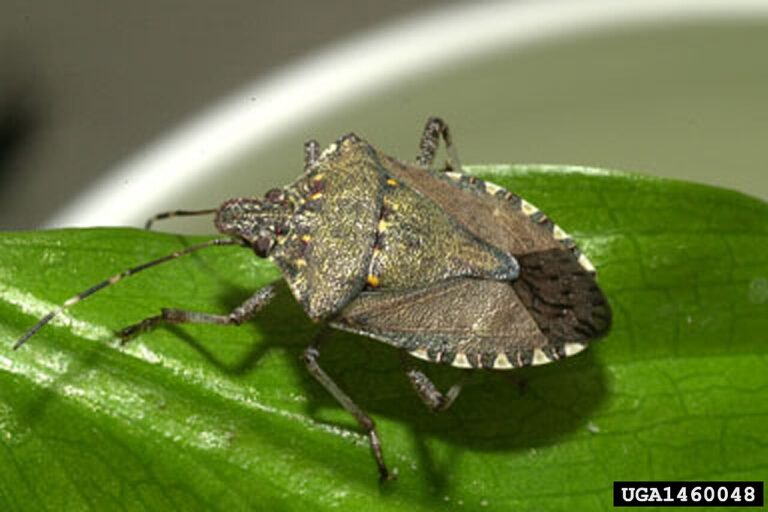
Stink bugs are read as symbols of protection, boundaries and seasonal change. Here is what each tradition actually says, and which readings are modern inventions.

Deer leave 20 to 30 small pellets, bears leave one wide mass full of seeds. Size, shape, contents and location, plus the cases that fool people.
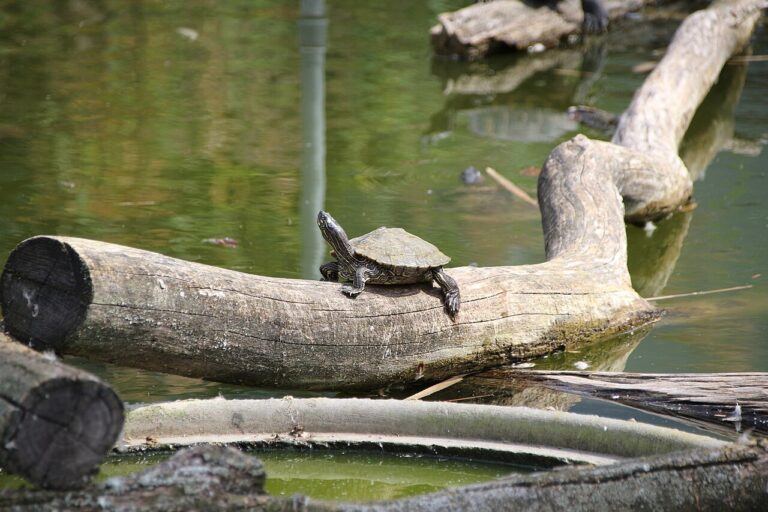
Map turtle identification, how big males and females get, what they eat and what keeping one really takes.
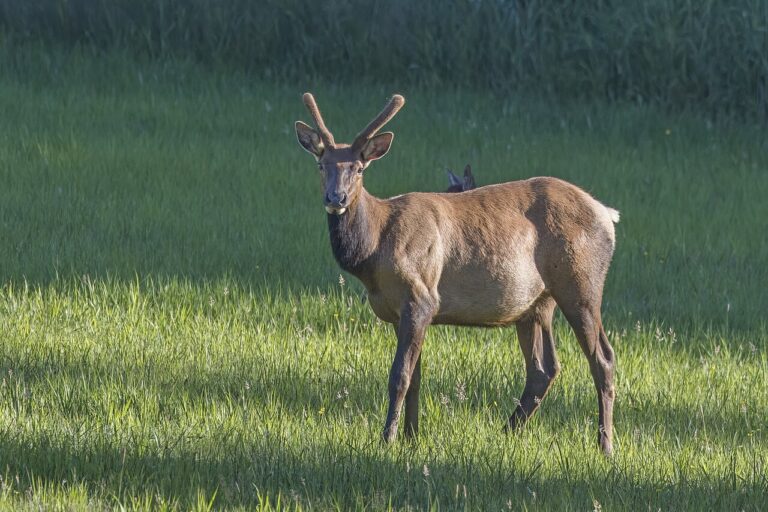
The bugle is only one of six elk sounds. Here is what each call means, which animal makes it, and the season and hour you are most likely to hear it.
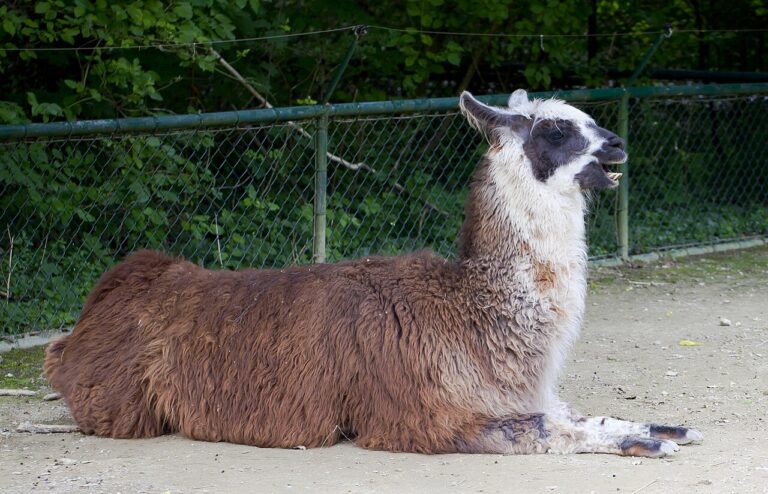
Llamas hum, shriek, orgle, cluck and grumble. Each sound has one meaning, and four of them tell you everything about what a herd is doing.
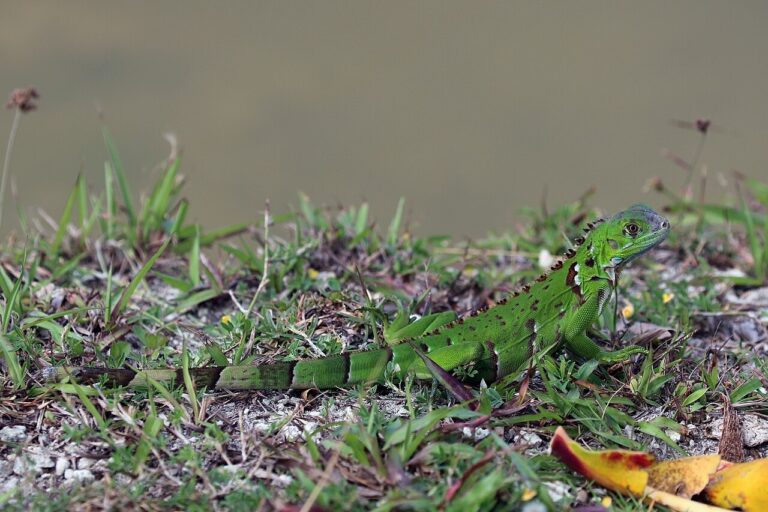
What a pet iguana actually costs, how big it gets, what it eats and where owning one is illegal.
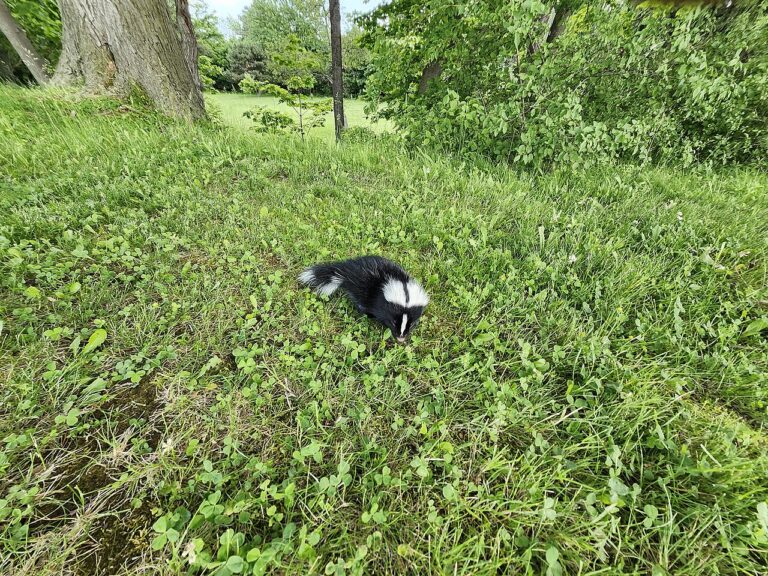
Skunk tracks show five toes and claw marks set ahead of the pads. Sizes in inches and centimeters, the gait pattern, and how to read them in snow, mud and sand.
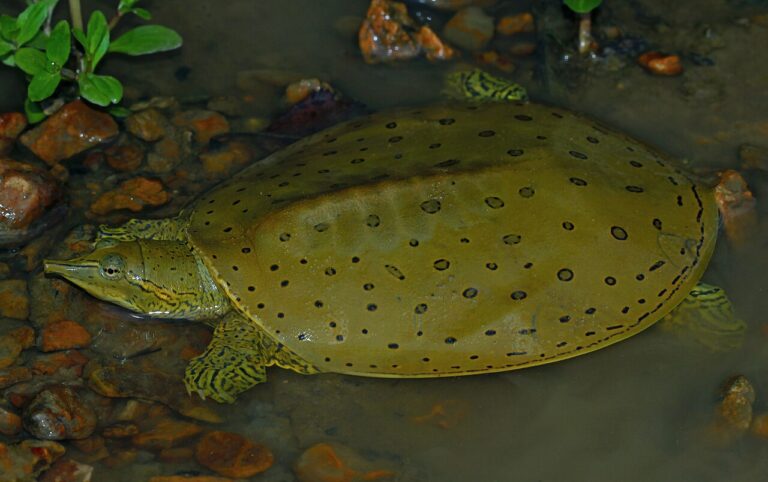
How to identify a spiny softshell turtle, where it lives, what it eats, and why picking one up is a bad idea.