Baby Arctic Fox: Why Litters Are So Unusually Large
A baby arctic fox is called a kit, born in litters of 5 to 8 that can reach 14 in good lemming years. Growth, dens, coat color, and the lemming connection explained.
Beyond the feeder. Guides to the mammals, reptiles, and other wildlife that share your backyard, from squirrels and raccoons to deer and foxes.
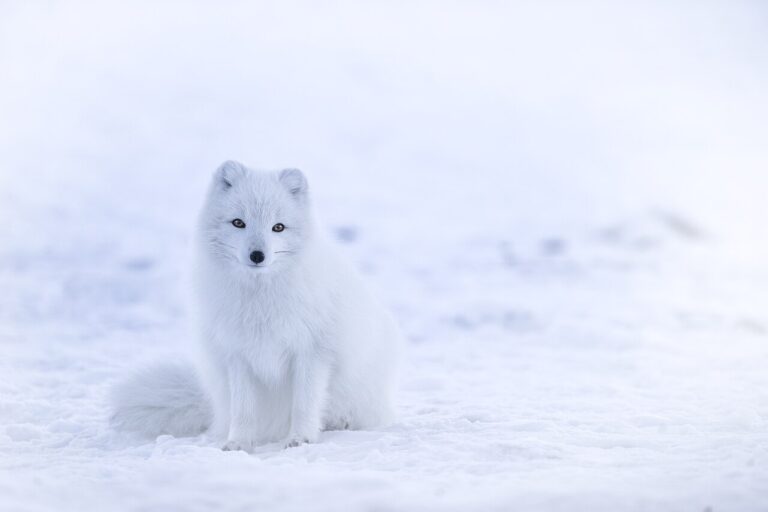
A baby arctic fox is called a kit, born in litters of 5 to 8 that can reach 14 in good lemming years. Growth, dens, coat color, and the lemming connection explained.
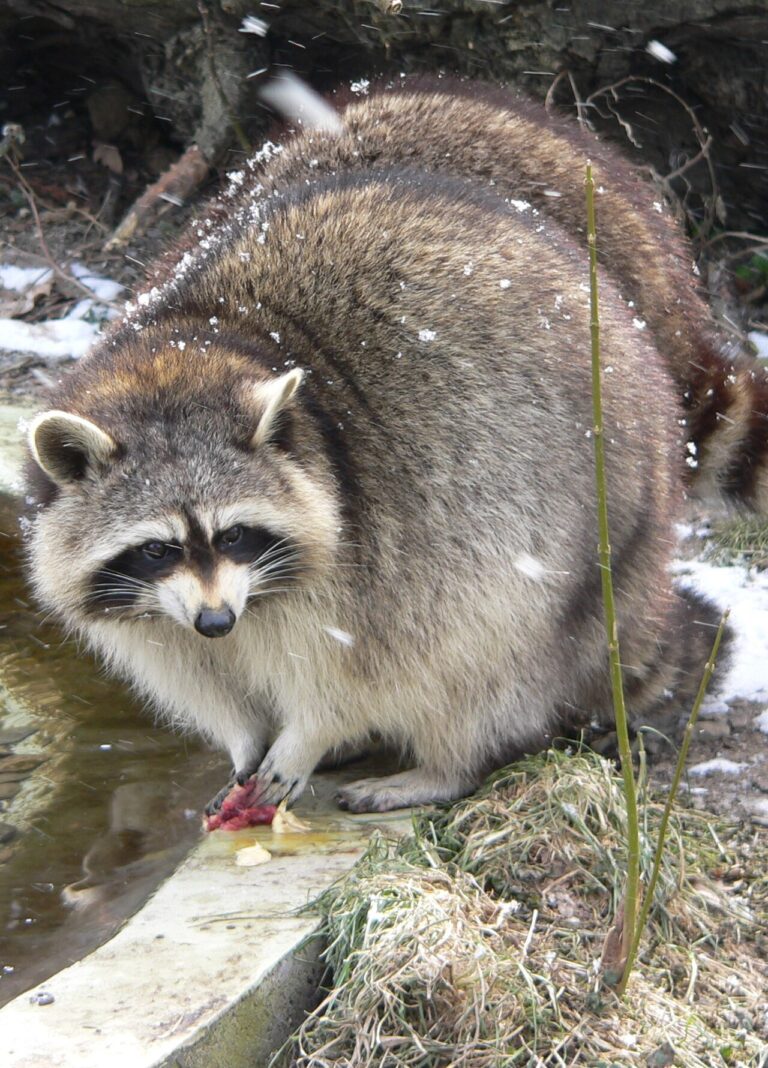
Raccoon poop is tubular and blunt-ended, found in communal latrines that carry real roundworm risk. Identification, safe cleanup, and comparison to fox and rat droppings.
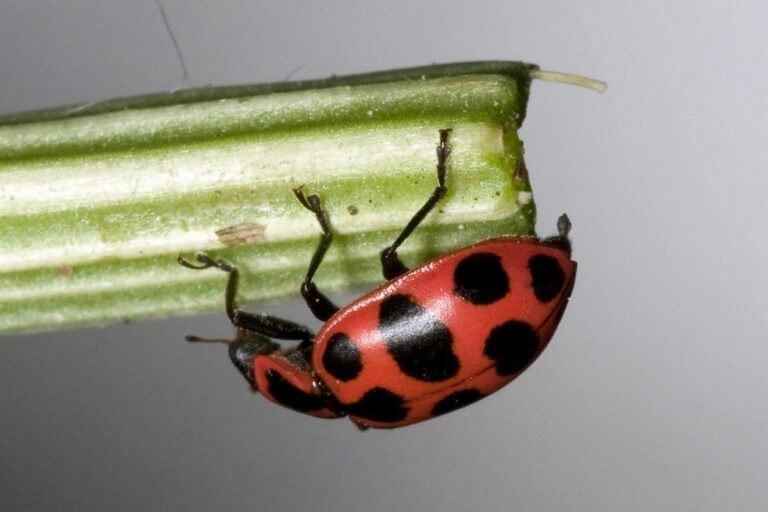
Asian lady beetles, boxelder bugs, squash beetles, and milkweed bugs all get mistaken for ladybugs. The field marks and behavior that separate each lookalike.
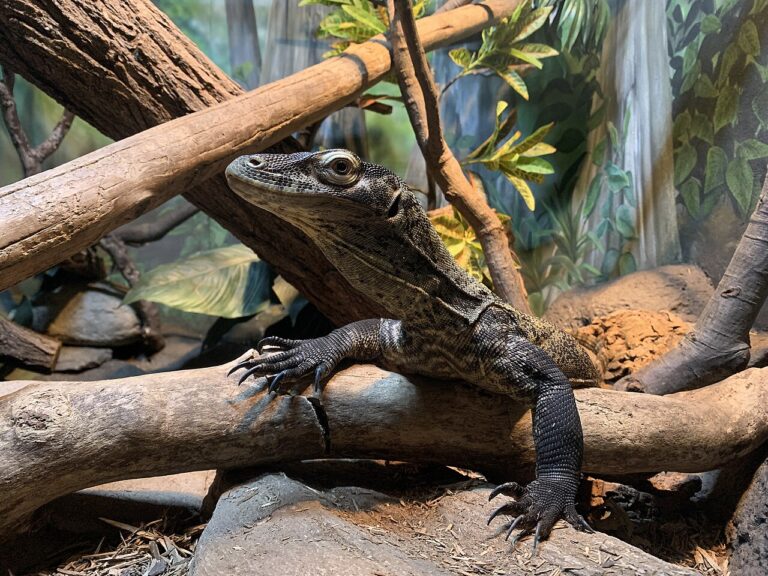
Baby Komodo dragons hatch at 16 inches and live in trees for years to avoid being eaten by adults. Growth, diet, the rare parthenogenesis fact, and conservation.
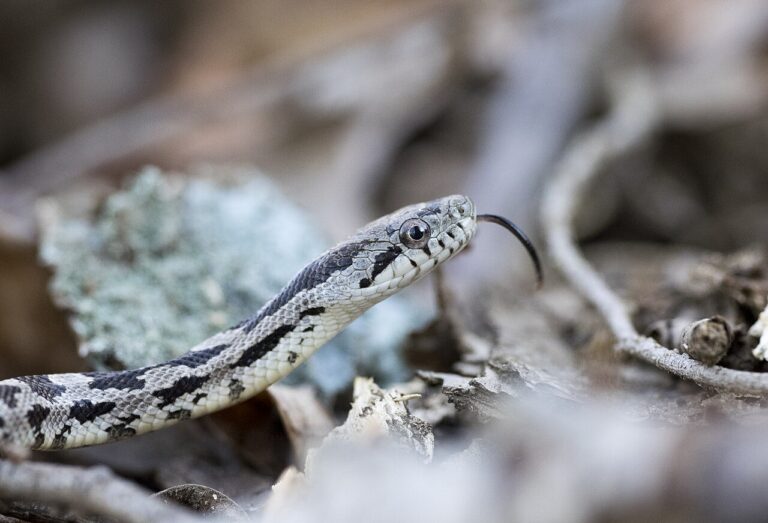
Baby black snakes are gray and blotchy, not black, and belong to two species: rat snakes and racers. ID both, tell them apart, and end the copperhead confusion.

When a butterfly lands on you, it’s read as transformation, a visit from a loved one, or good luck. Meaning by color and location, plus the biological explanation.
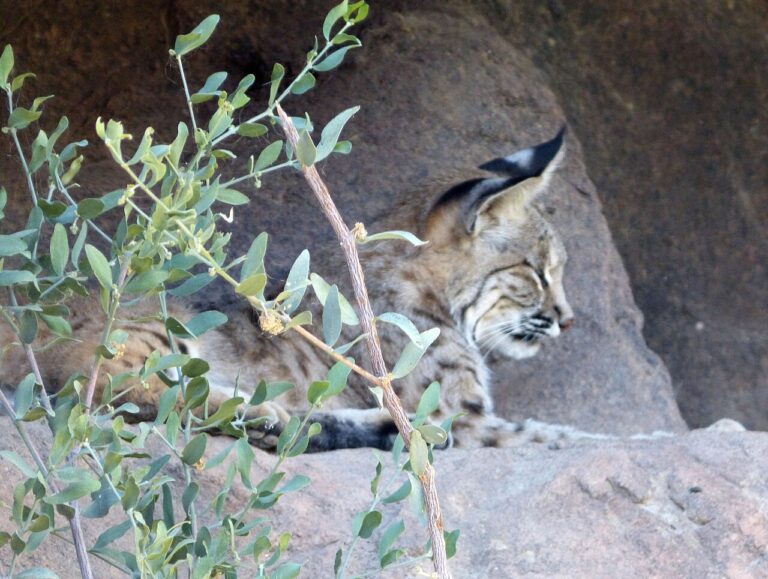
Bobcat sounds decoded: the famous winter breeding scream, growls, hisses, kitten chirps, and how to tell a bobcat from the fox and owl it gets confused with.
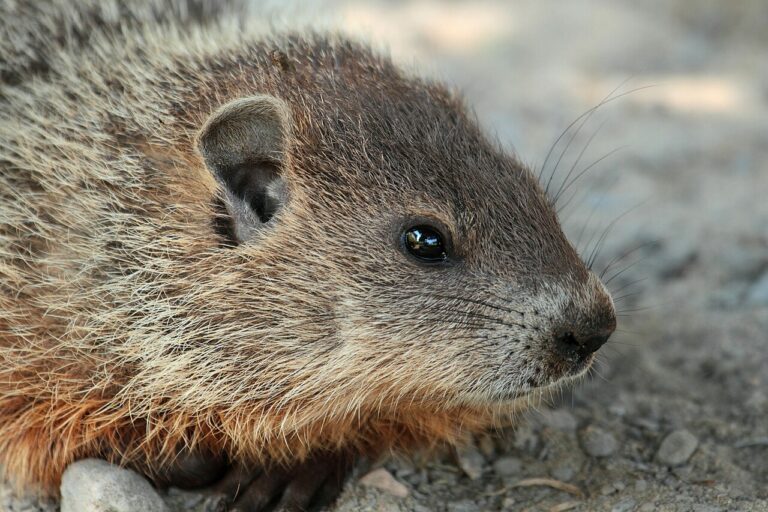
Groundhog poop is rare to find because groundhogs use dedicated underground latrines. What it looks like, how to tell it from rabbit and deer droppings, and what a find means.

Deer sounds decoded: the alarm blow, social grunts, fawn bleats, rut grunting and the snort-wheeze, plus the distress bawl that actually warrants a look.

Baby rat snakes are gray and blotchy, nothing like the plain adults, and get mistaken for copperheads every August. ID, the saddle-vs-hourglass check, and what to do.