Shrew Poop vs Mouse Poop: How to Identify Tiny Droppings
Shrew poop is a thin, curved pellet 0.08 to 0.25 in long, full of shiny insect parts and dropped at fixed latrines. Mouse droppings differ in three ways.
Beyond the feeder. Guides to the mammals, reptiles, and other wildlife that share your backyard, from squirrels and raccoons to deer and foxes.
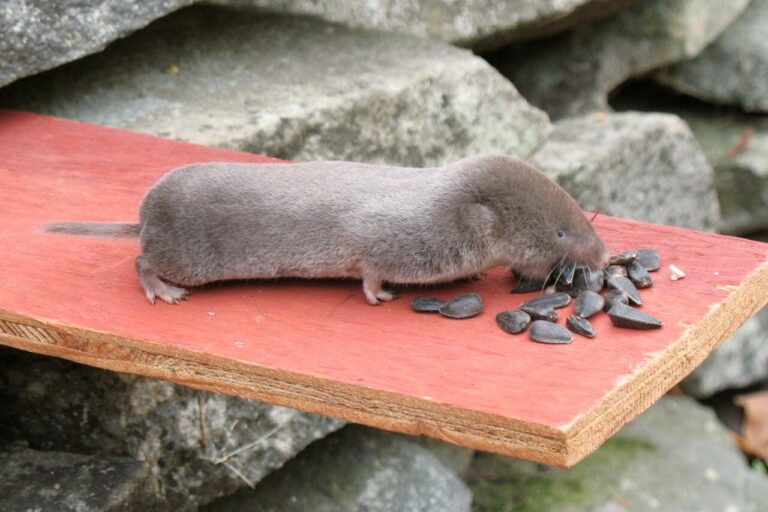
Shrew poop is a thin, curved pellet 0.08 to 0.25 in long, full of shiny insect parts and dropped at fixed latrines. Mouse droppings differ in three ways.

Carpenter ant frass is wood shavings mixed with ant body parts, and it means an active nest within a few feet. How to read it and how to act.
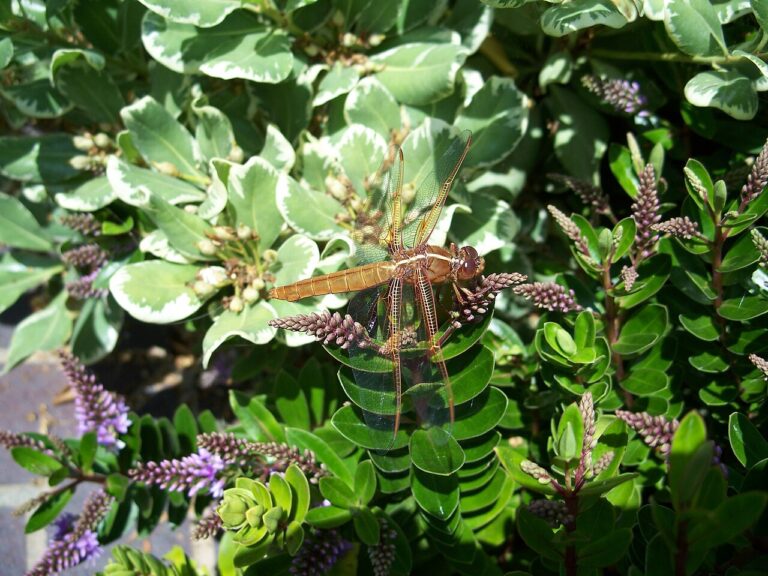
Red dragonflies cannot sting or bite. Identify the flame skimmer, neon skimmer, and three red meadowhawks, and see what a red dragonfly landing on you means.

Substrate depth, 78 to 82 F, 60 to 80 percent humidity and a feed every 2 to 3 days. The full Pacman frog care setup, diet and health checklist.
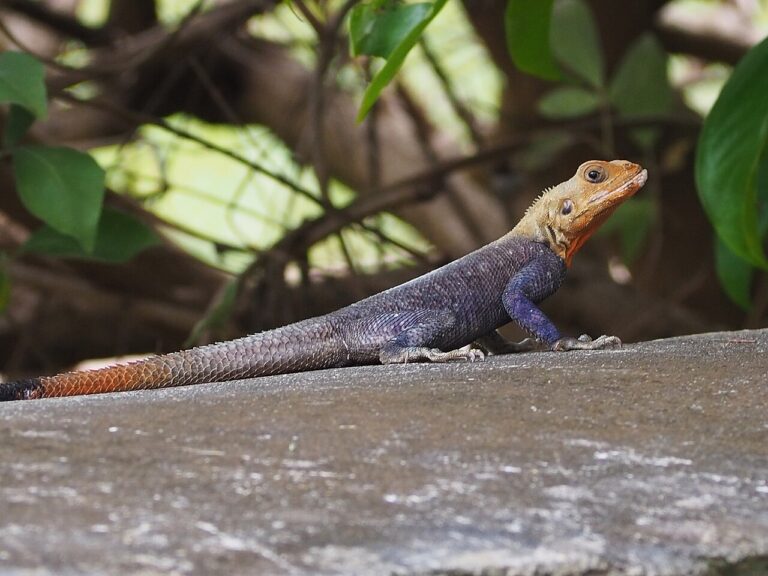
No US lizard is purple all over, but five species show genuine violet on the throat, belly, or spine. Here is how to identify each one and where to find it.

More than 7,600 frog species exist, but seven families cover nearly all of them. How to tell true frogs, tree frogs, toads and dart frogs apart.

Female Pacman frogs reach 4.5 to 6.5 inches while males stop near 4. Here is the size by species, the growth timeline and the tank each stage needs.
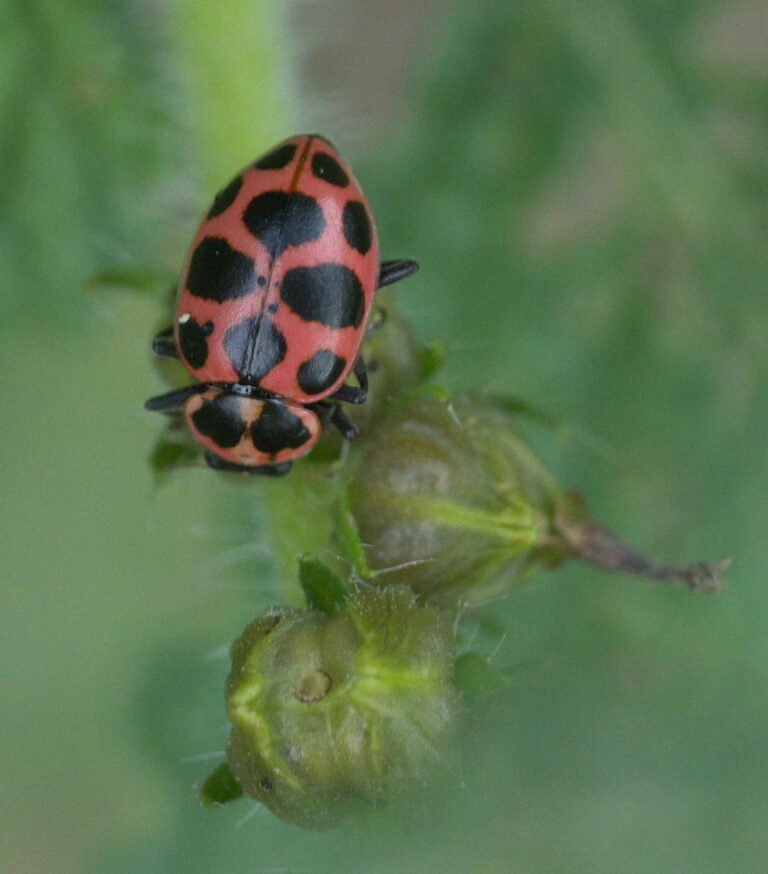
Pink ladybugs are real, and the spotted pink lady beetle is common across the eastern US. Identify the six pink species by size, spots and range, and find out whether they bite.
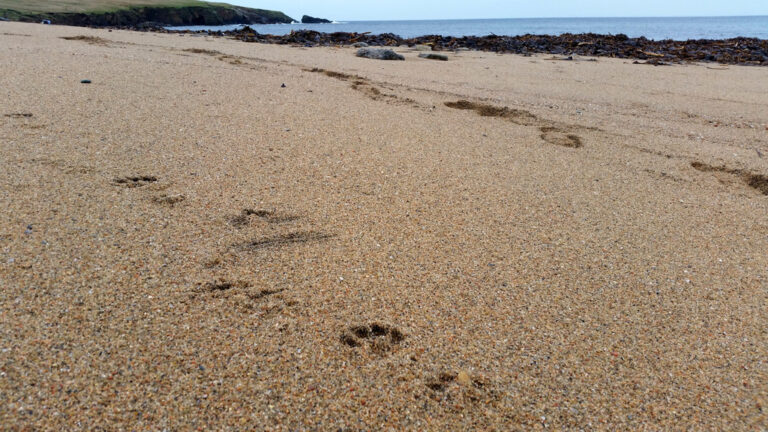
Otter tracks show five toes, faint webbing and small claw dots at 2 to 3.5 in long. Snow, mud and sand each reveal a different part of the picture.
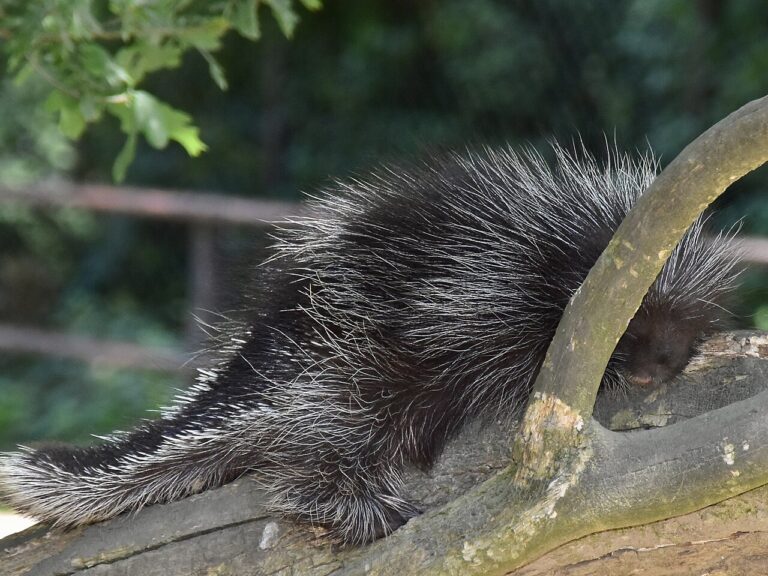
Porcupine poop is a curved, woody pellet 0.4 to 1.2 in long, piled by the hundreds at a den. Here is how to tell it from deer, rabbit and beaver scat.